

DeepSeek V4 AI Launch | Cost-Effective Automation for E-Commerce Sellers
- Open-source AI model built for $6M enables sellers to automate product research, pricing, and customer service at 70-80% lower infrastructure costs than proprietary alternatives








Overview
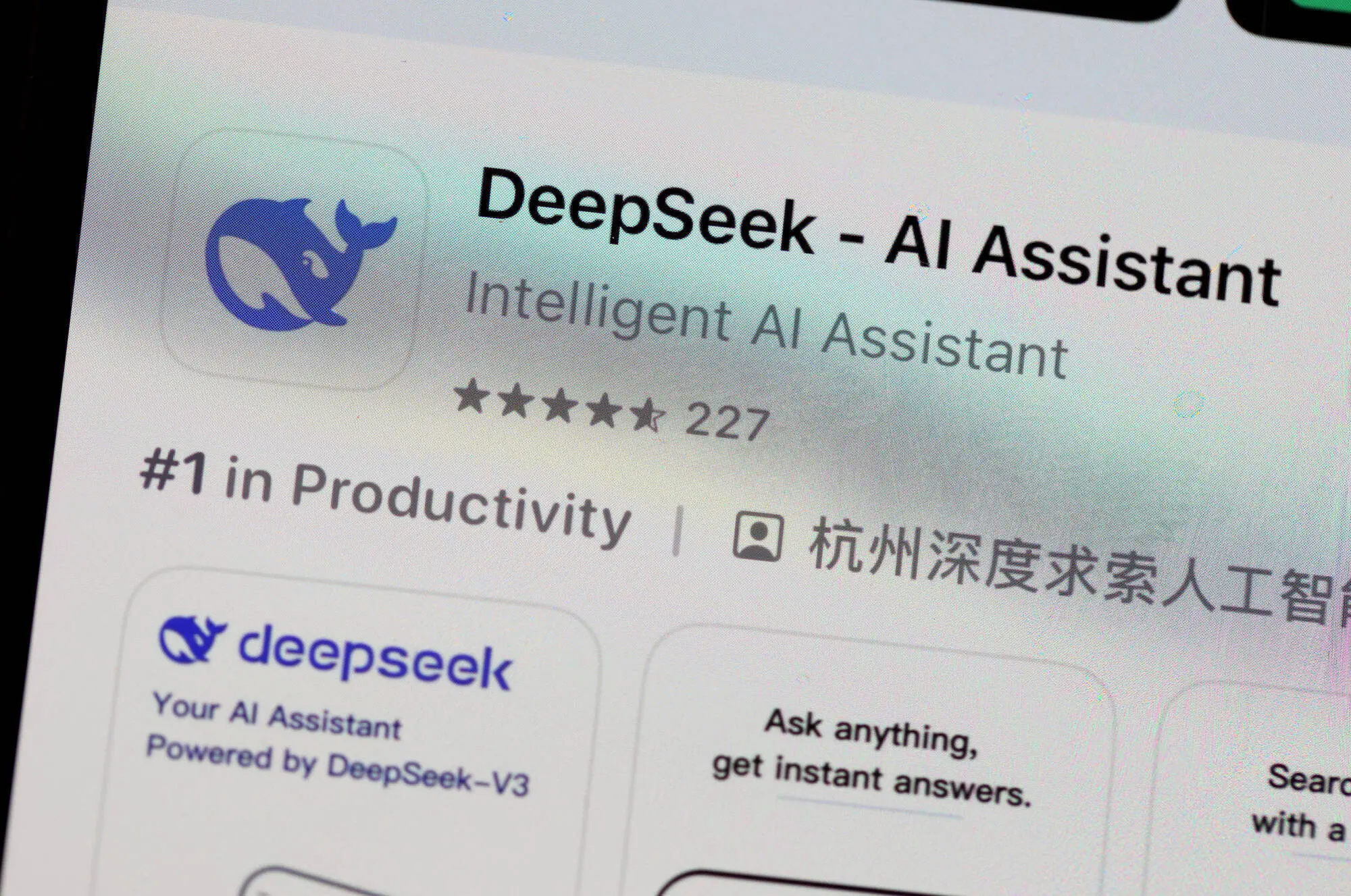
DeepSeek's V4 model launch represents a watershed moment for e-commerce sellers seeking affordable AI automation. Built for under $6 million using lower-capacity hardware and now optimized for Huawei's Ascend processors, the model demonstrates that enterprise-grade AI no longer requires massive infrastructure investments. The V4-Pro version (1.6 trillion parameters, 49 billion active) and V4-Flash (284 billion parameters, 13 billion active) both support one million token context windows—enabling sellers to process entire product catalogs, customer conversations, and competitive pricing data in single API calls.
Immediate automation opportunities for sellers: Product research automation can now run on-premise or via affordable cloud APIs. Sellers currently spending $2,000-5,000/month on ChatGPT Plus, Claude Pro, and specialized tools can migrate to DeepSeek's MIT-licensed API for 70-80% cost reduction. The model's strong coding benchmarks enable custom automation scripts for Amazon Seller Central data extraction, eBay inventory management, and Shopify product feed optimization—tasks that previously required expensive developer resources or third-party SaaS tools ($500-2,000/month per tool).
Data-driven competitive intelligence: The model's one-million-token context window enables sellers to analyze entire competitor product catalogs, customer review datasets, and pricing histories in single requests. Sellers can now build proprietary AI agents that monitor 500+ competitor ASINs daily, extract sentiment patterns from 10,000+ reviews, and identify pricing arbitrage opportunities—previously requiring $10,000+ in monthly tool subscriptions (Keepa, Helium 10, Jungle Scout). The open-source nature under MIT license means sellers can fine-tune the model on their own sales data without licensing restrictions, creating defensible competitive moats.
Market implications for seller infrastructure costs: The U.S.-China AI performance gap closure (models now separated by only a few percentage points on benchmarks) signals that sellers no longer need to wait for OpenAI or Google updates. Chinese sellers already have access to cost-optimized alternatives; Western sellers can now leverage the same infrastructure. Huawei's Ascend processor compatibility removes Nvidia dependency, meaning sellers in regions with GPU supply constraints can finally access affordable compute. This directly impacts the $50B+ e-commerce automation market, where sellers currently overpay for proprietary AI tools due to perceived necessity.
Questions 8
What competitive advantages does DeepSeek V4 provide for pricing optimization?
The model's ability to process massive context windows enables sellers to monitor 500+ competitor ASINs daily, extract real-time pricing changes, and identify arbitrage opportunities automatically. Unlike expensive tools requiring manual setup, sellers can build AI agents that analyze competitor pricing strategies, promotional patterns, and inventory levels—then automatically adjust their own prices using dynamic pricing formulas. The open-source nature means sellers can fine-tune the model on their own sales data to predict optimal price points for specific customer segments, creating defensible competitive moats. This capability previously required $10,000+/month in specialized tools; DeepSeek enables it for $500-1,000/month in cloud compute costs.
How can sellers use DeepSeek V4 to automate product research and reduce tool costs?
DeepSeek V4's one-million-token context window enables sellers to process entire product catalogs and competitor datasets in single API calls, replacing $2,000-5,000/month tool stacks (Helium 10, Jungle Scout, Keepa). The model's MIT license allows sellers to run it on-premise or via affordable APIs at 70-80% lower cost than proprietary alternatives. Sellers can automate ASIN research, BSR trend analysis, and keyword gap identification without monthly subscriptions. The model's strong coding benchmarks enable custom Python scripts that integrate directly with Amazon Seller Central, eBay Seller Hub, and Shopify APIs—eliminating manual data entry and reducing research time from 10-15 hours/week to 2-3 hours/week.