



NATO Tensions Threaten UK-EU Trade Stability | Cross-Border Sellers Face Tariff Uncertainty
- Escalating US-NATO friction signals potential tariff policy shifts affecting 50K+ UK/EU sellers; Atlantic shipping routes face geopolitical risk premium



















)








Overview
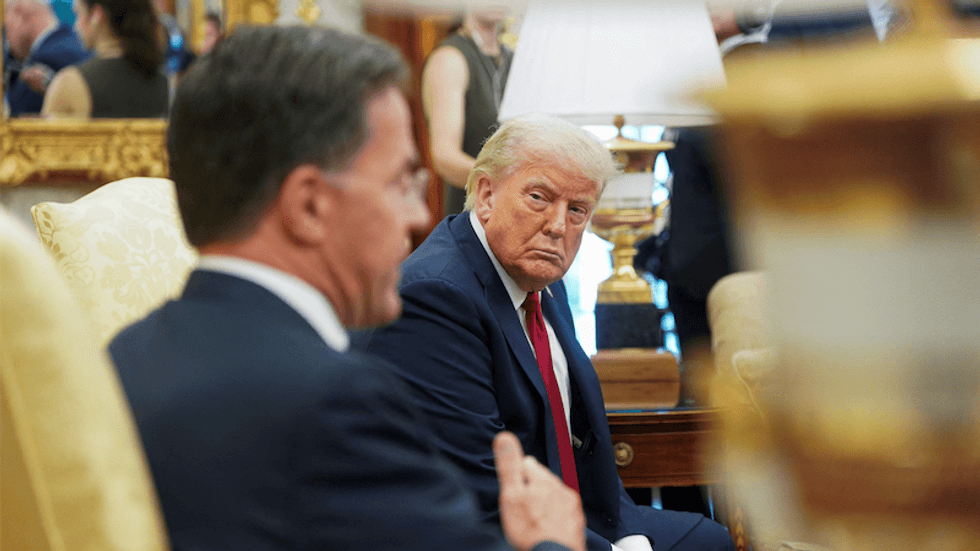
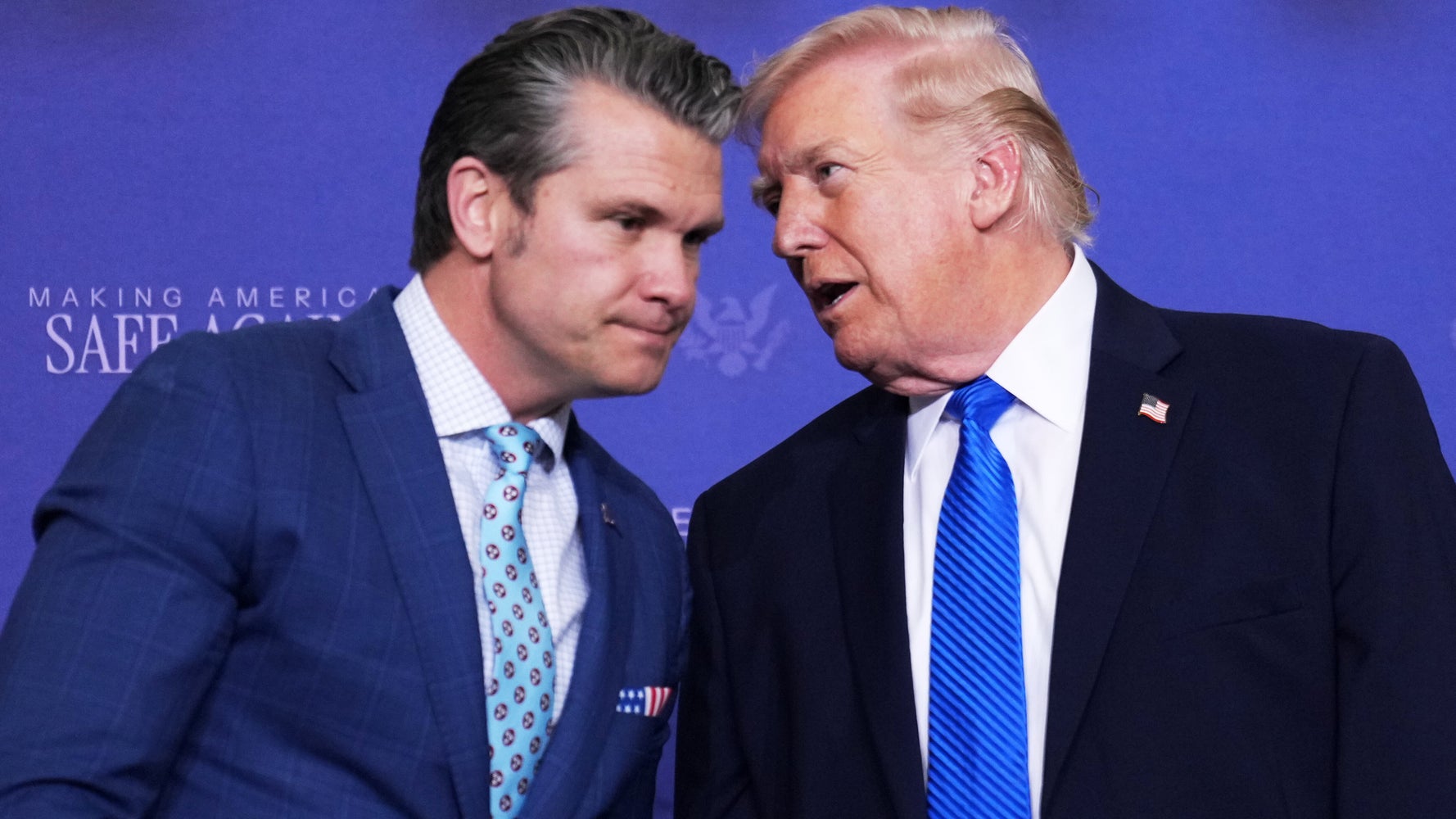
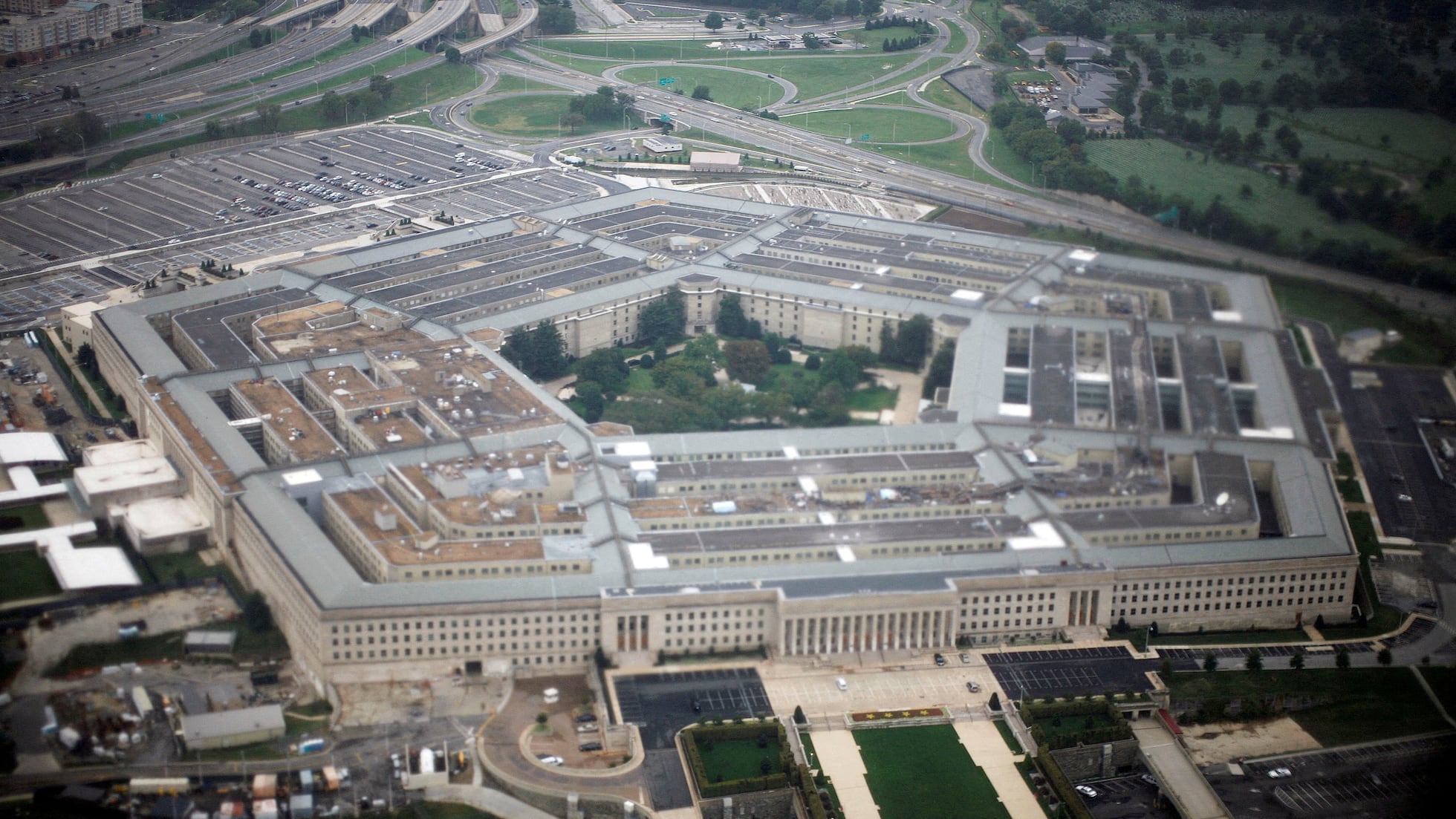
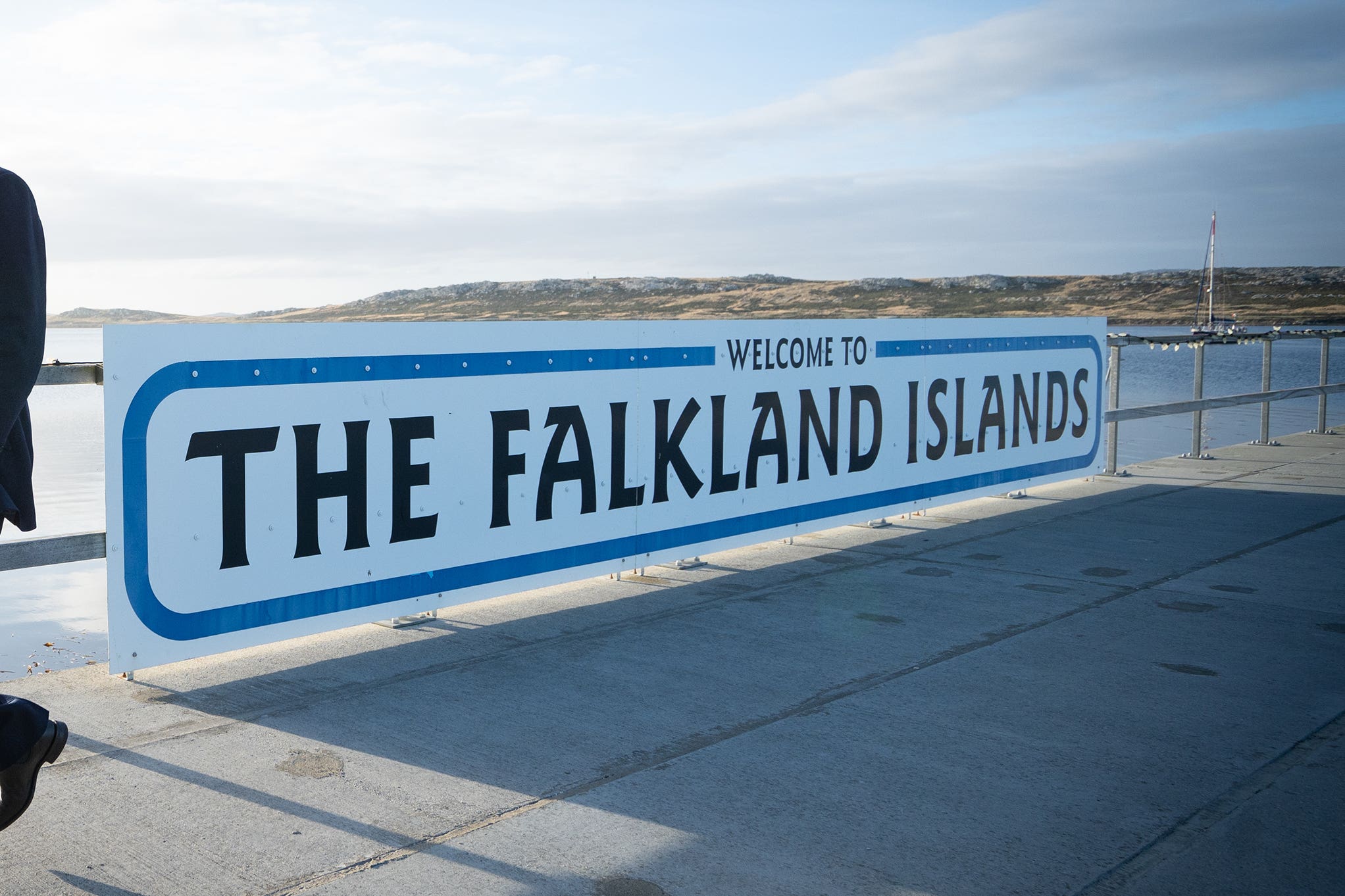
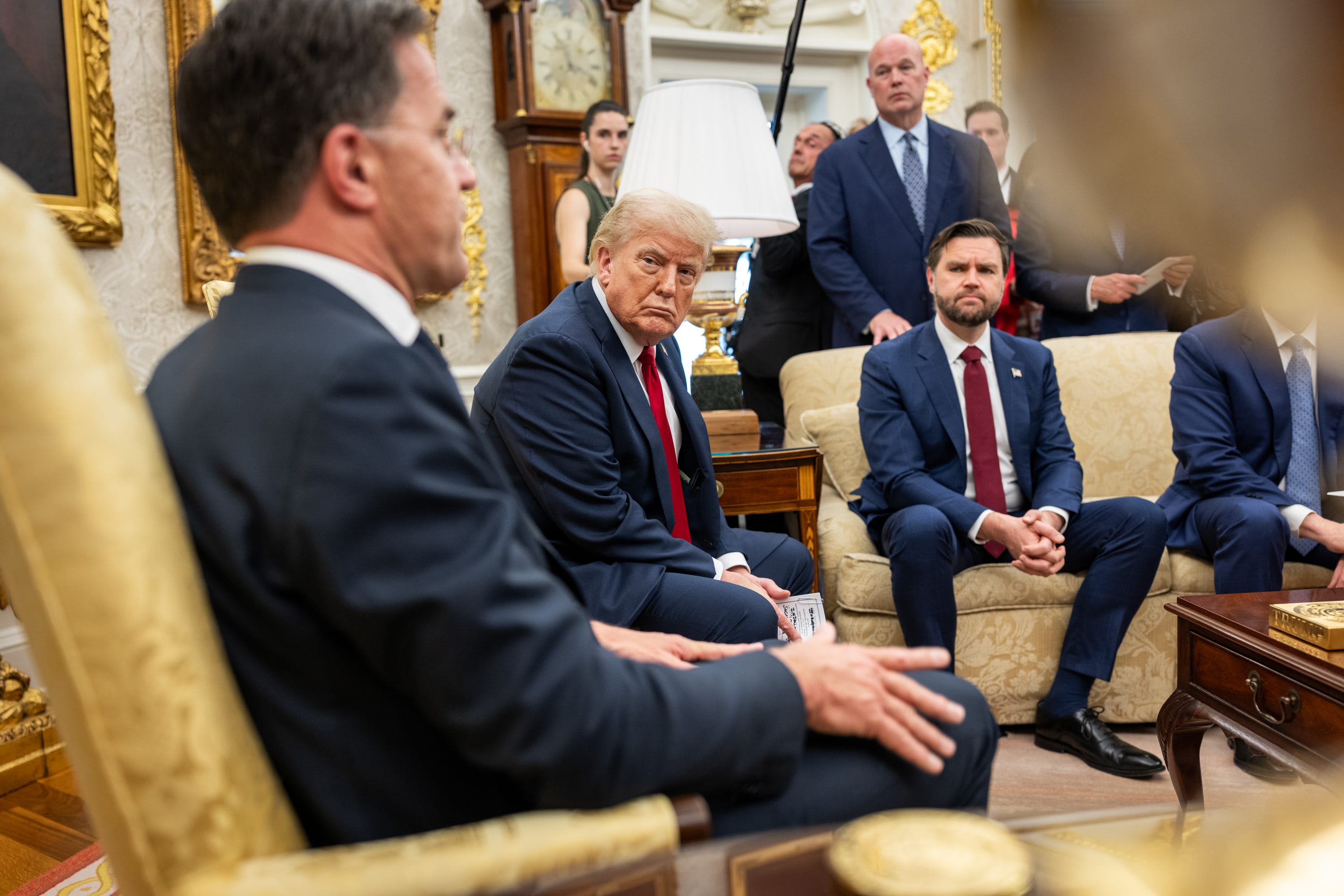
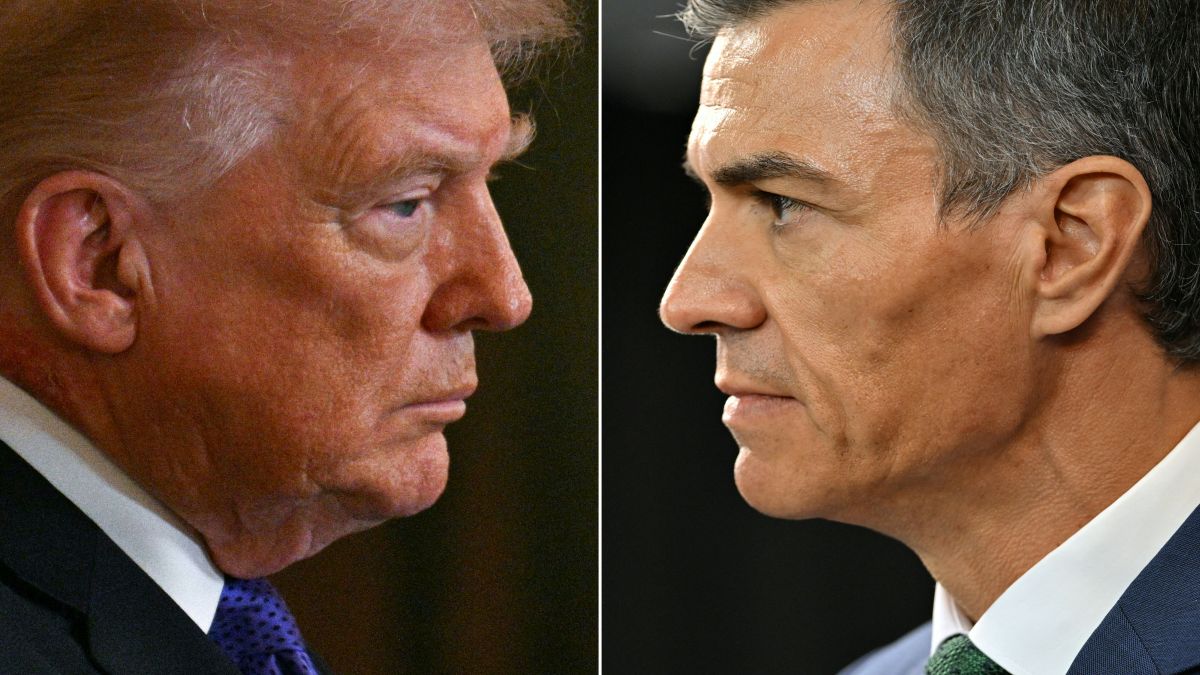
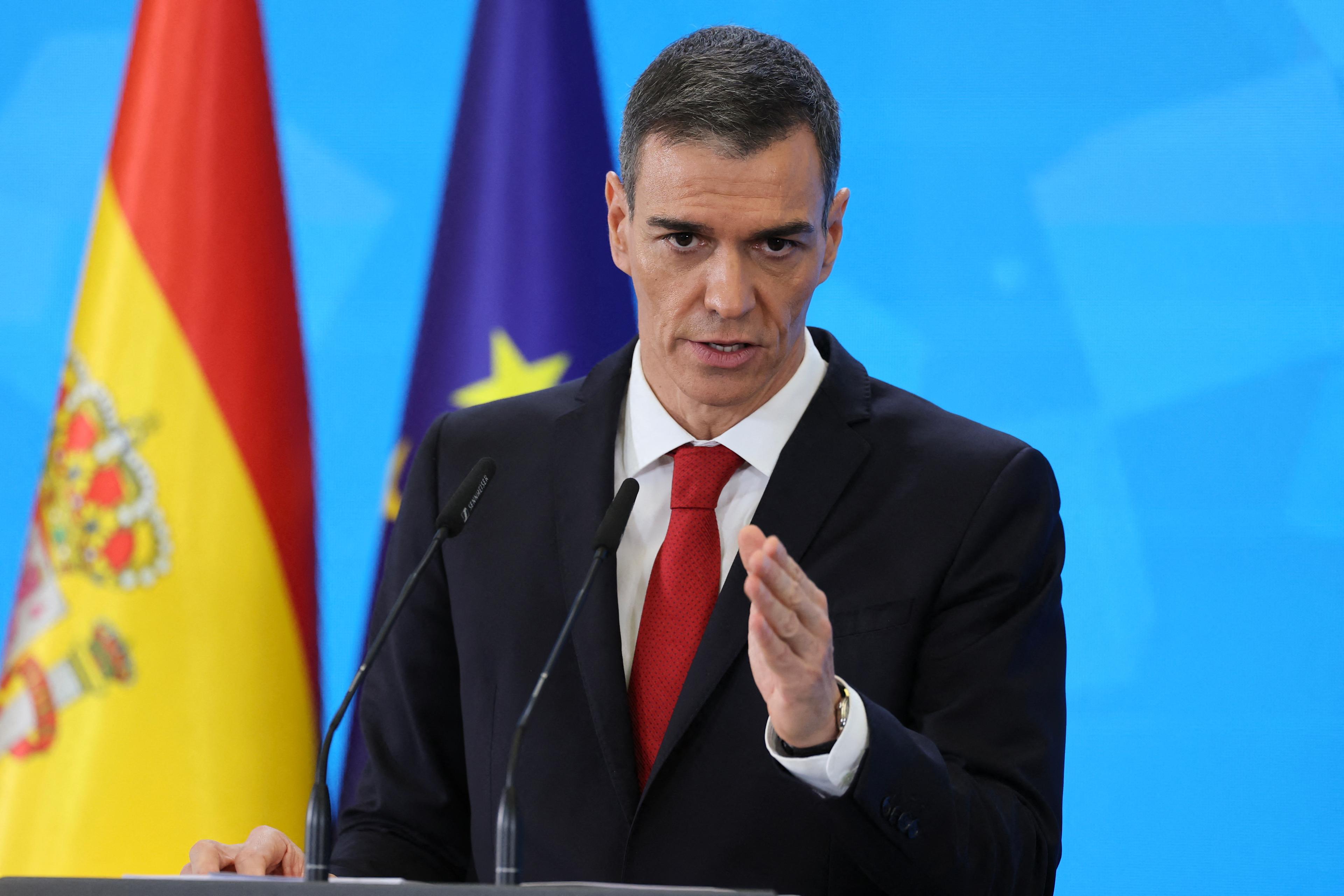
The escalating tensions between the Trump administration and NATO allies—particularly the UK and Spain—represent a critical trade policy inflection point for cross-border e-commerce sellers. While the news focuses on geopolitical disputes over the Falkland Islands and Iran military operations, the underlying dynamic reveals a fundamental shift in US trade leverage tactics. Treasury Secretary Scott Bessent's threatened "cut off all dealings and trade" with Spain, combined with Pentagon emails suggesting weaponization of territorial disputes (Falkland Islands sovereignty) as negotiating tools, signals that the Trump administration is willing to weaponize trade policy against allied nations. This creates three direct implications for e-commerce sellers:
First, tariff policy unpredictability is accelerating. The Pentagon email suggesting the US might "reconsider its position on Britain's Falkland Islands claim" as leverage for Iran policy compliance demonstrates that trade concessions are now explicitly linked to geopolitical compliance. For UK sellers, this means the assumed stability of US-UK trade relationships—which have historically avoided tariff escalation—is now contingent on UK government foreign policy decisions. The 1986 referendum showing "overwhelming support" for UK sovereignty over the Falklands is irrelevant to Trump administration leverage calculations. Sellers should expect potential tariff increases on UK-origin goods (HS codes 6204, 6205, 6206 for apparel; 8471-8473 for electronics) if UK-US relations deteriorate further. Current tariff rates on UK goods average 2-4%, but geopolitical leverage could push these to 15-25% within 90 days if negotiations fail.
Second, Atlantic shipping corridor risk premiums are rising. The Falkland Islands dispute involves control of Atlantic maritime routes critical for UK-South America trade. If US-UK relations deteriorate, shipping insurance costs through Atlantic corridors could increase 8-15%, adding $200-400 per 40-foot container for sellers routing goods through UK ports to South American markets. The news reports that UK sellers have "supply chain dependencies on Atlantic shipping routes"—these corridors now face geopolitical risk. Sellers should immediately evaluate alternative routing through Northern European ports (Rotterdam, Hamburg) which avoid UK-US friction zones, though this adds 3-5 days transit time.
Third, Spain's trade relationship signals broader EU vulnerability. Trump's threat of "severe economic repercussions" and instruction to "cut off all dealings and trade" with Spain is not hypothetical—it's a stated policy framework. Spain is the EU's 4th largest economy and a critical logistics hub for Mediterranean e-commerce. If Spain faces actual trade restrictions, tariffs on Spanish-origin goods (HS 6204-6206 apparel, 8471 electronics, 7326 metal products) could spike 20-30%. This would cascade to EU sellers using Spanish fulfillment centers. The news indicates Spain "resisted Trump's demands for NATO members to increase defense spending to 5% of GDP"—this resistance is now being punished through trade threats. EU sellers should diversify away from Spain-based 3PL providers and evaluate Poland, Czech Republic, or Hungary as alternative fulfillment hubs before Q2 2025.
Questions 8
Should sellers relocate fulfillment centers away from Spain and UK?
Yes, for sellers with significant EU operations, diversifying away from Spain and UK fulfillment centers is prudent. Trump's explicit threat to cut off 'all dealings and trade' with Spain, combined with UK-US relationship uncertainty, creates 6-12 month risk windows. Poland, Czech Republic, and Hungary offer alternative fulfillment hubs with lower geopolitical risk and comparable logistics costs. Evaluate current 3PL contracts for exit clauses and timeline requirements—most require 60-90 day notice. Prioritize relocation for sellers with >500 units/month through Spain-based centers, as tariff increases could compress margins 15-20%. Complete evaluation and contract negotiations by March 2025 before potential tariff implementations.
How does Trump's NATO withdrawal threat impact trade agreement stability?
Trump has repeatedly threatened NATO withdrawal and explicitly stated he will 'reassess member contributions' with consequences for non-compliance. This signals that existing trade frameworks (like the US-UK trade agreement negotiations) are now contingent on geopolitical alignment rather than economic merit. NATO's founding treaty contains no suspension mechanism, but Trump's threat to withdraw the US itself would collapse the alliance's security framework and trigger cascading trade policy changes. Sellers should assume that any current US-UK or US-EU trade negotiations are on hold pending resolution of Iran policy disputes. Monitor White House trade policy announcements weekly and avoid long-term inventory commitments to UK/EU suppliers until geopolitical clarity emerges (likely Q2 2025).