


Everest Route Delays Drive Outdoor Gear Demand | Adventure Seller Opportunity
- 410+ stranded climbers create surge demand for high-altitude equipment, safety gear, and expedition supplies across Amazon, eBay, and specialty outdoor marketplaces










Overview
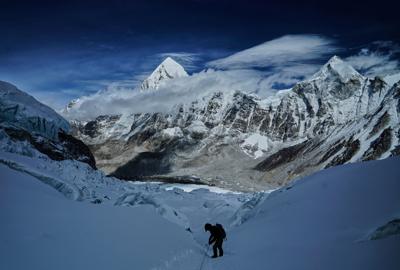
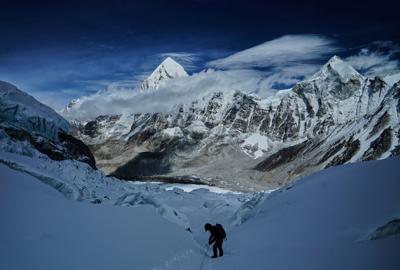
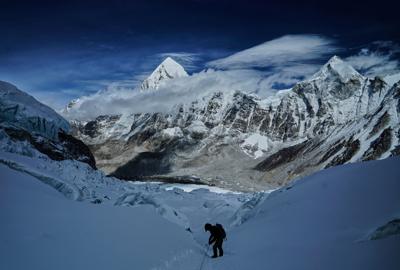
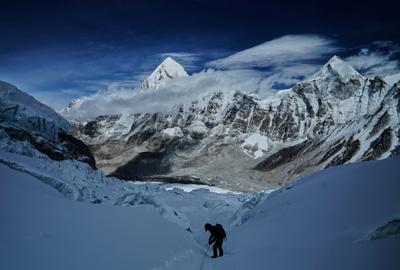
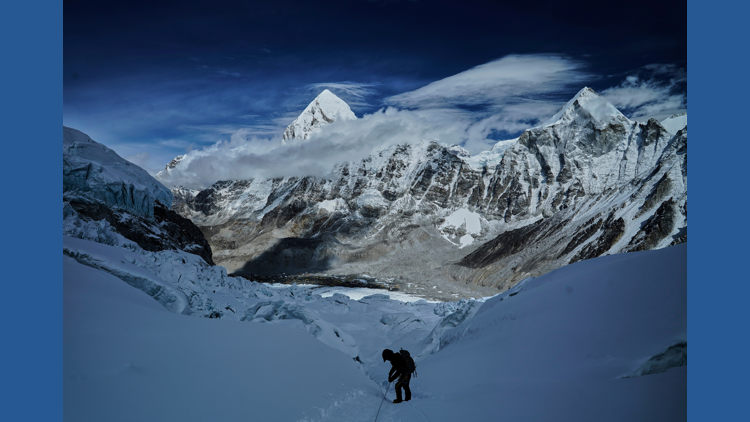
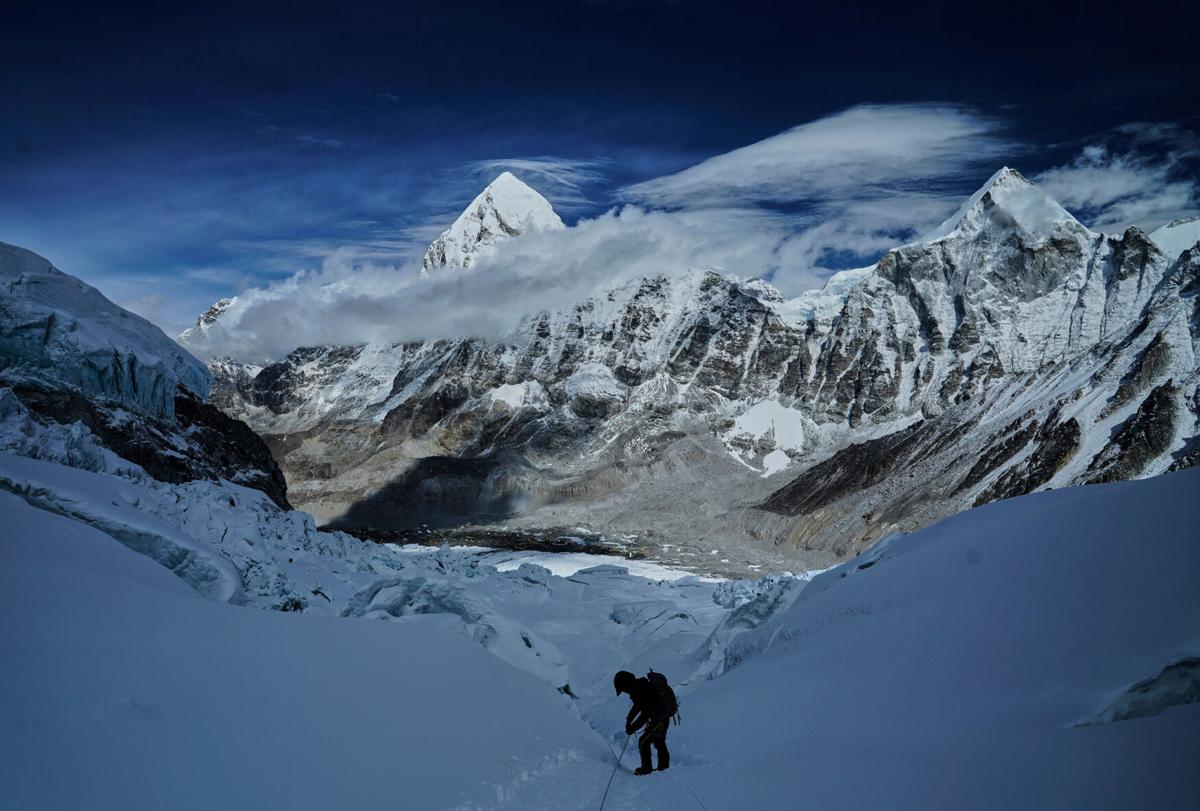
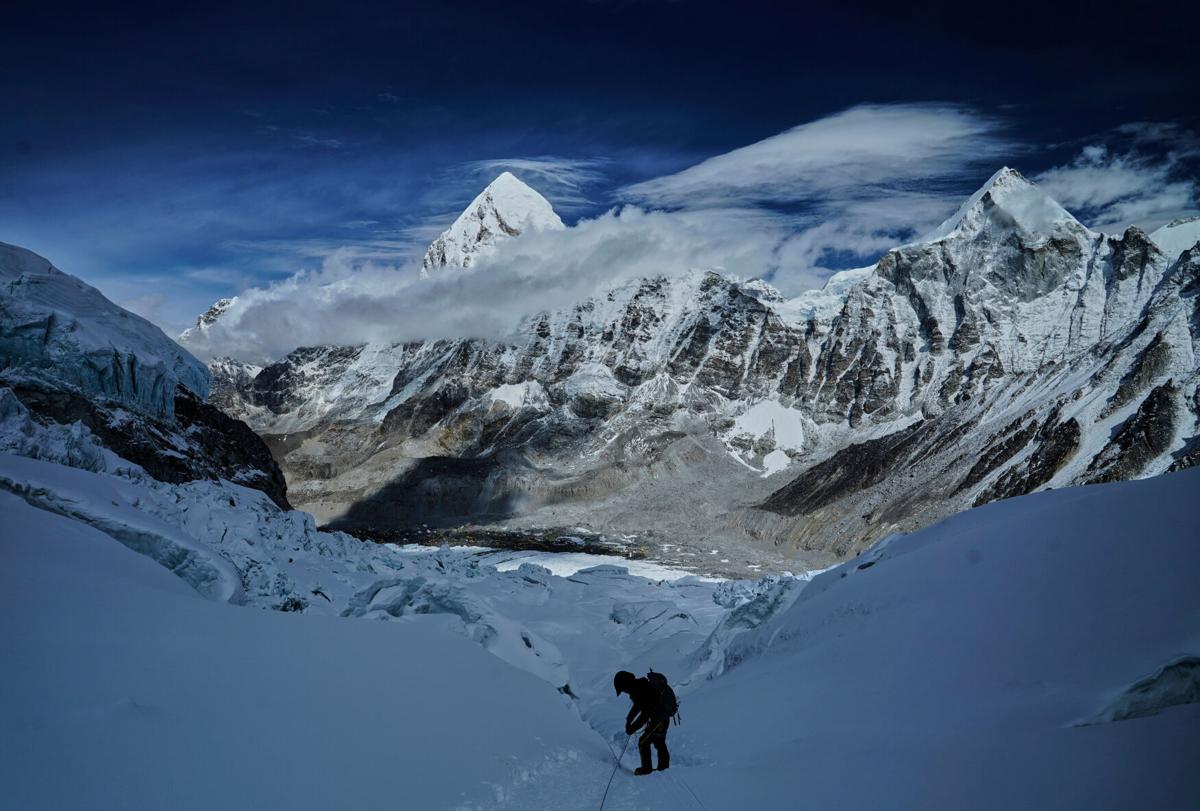
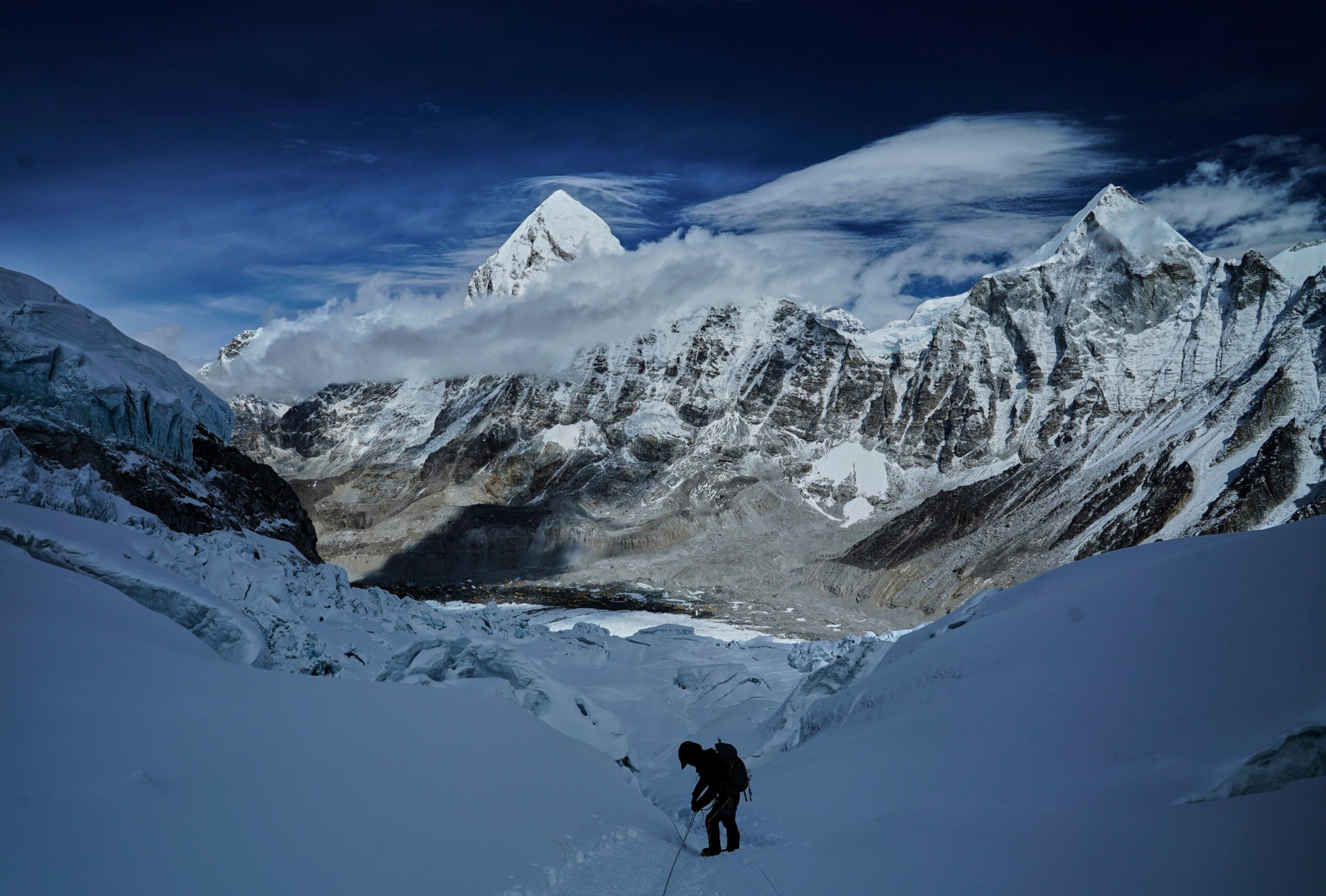
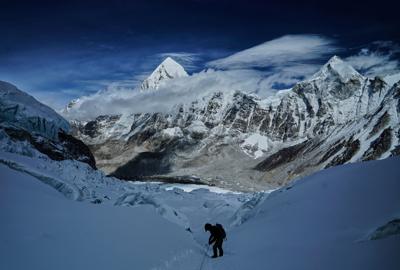
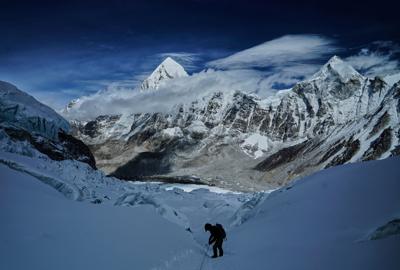
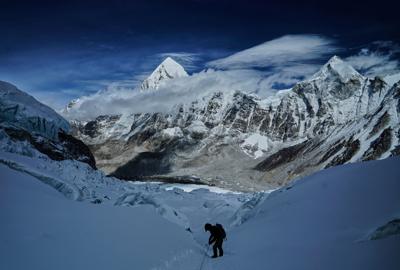
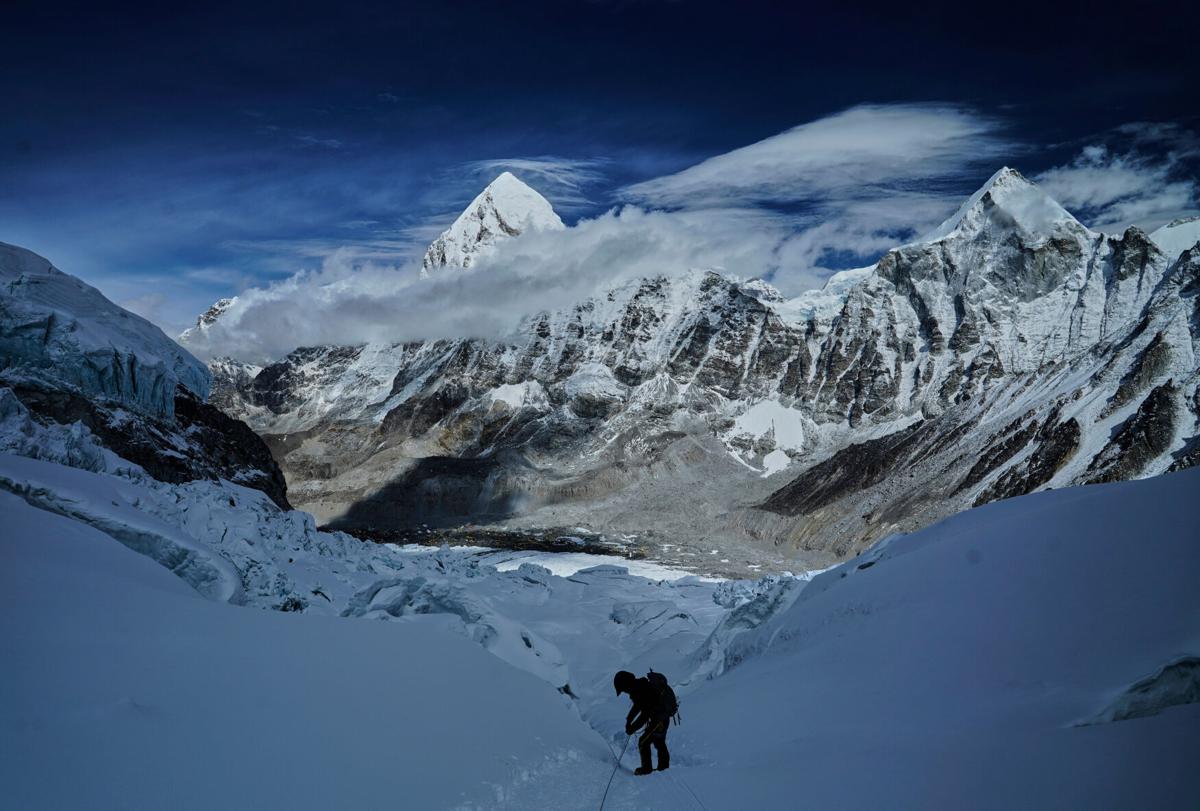
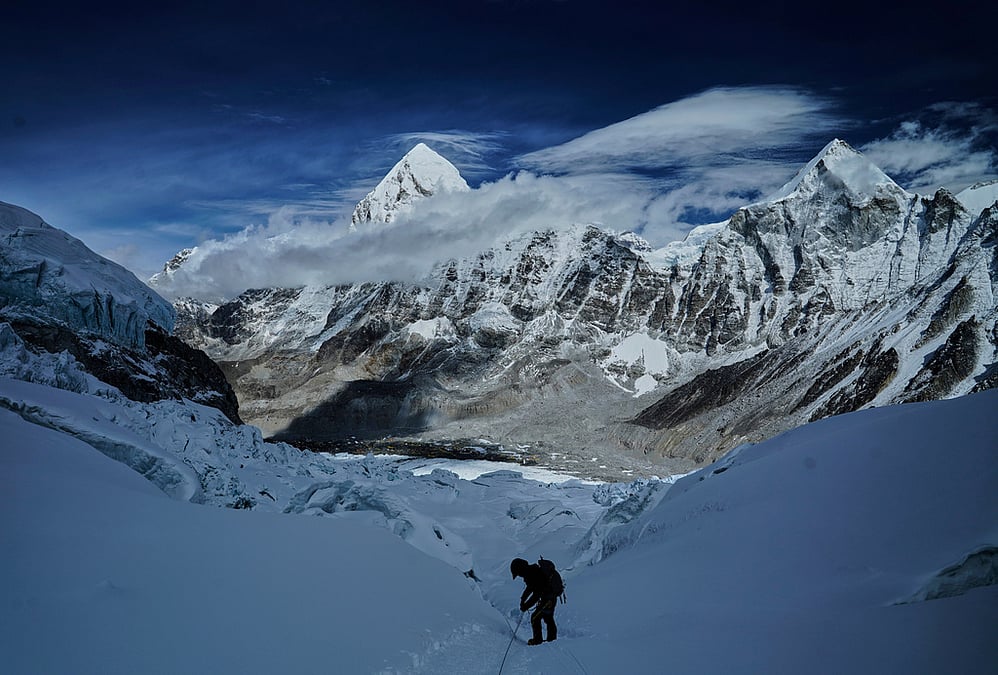
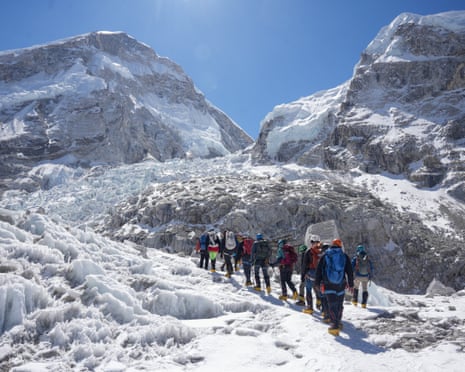
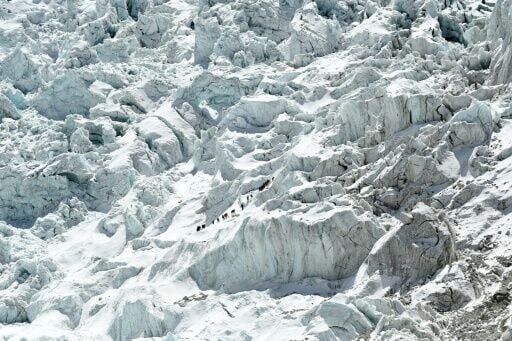
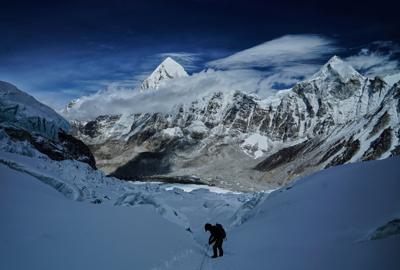
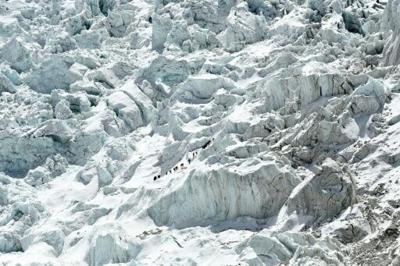
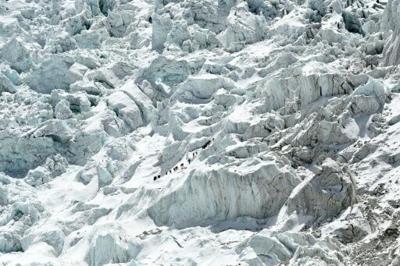
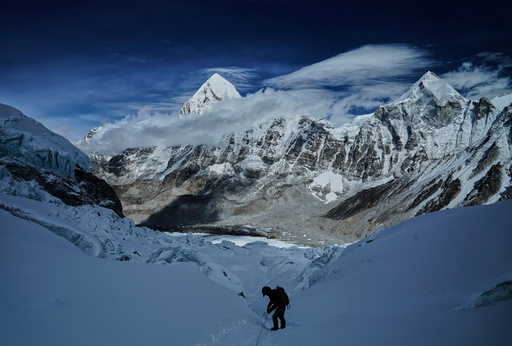
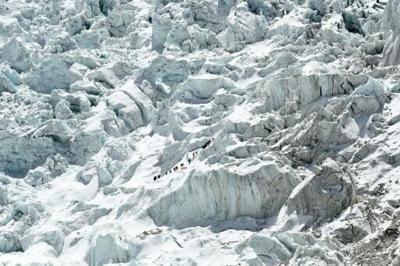
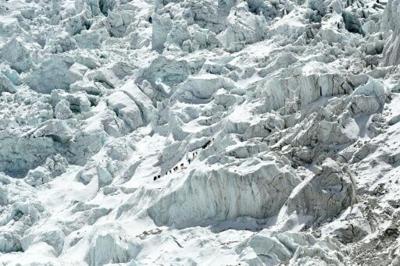
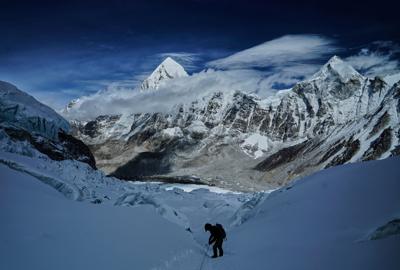
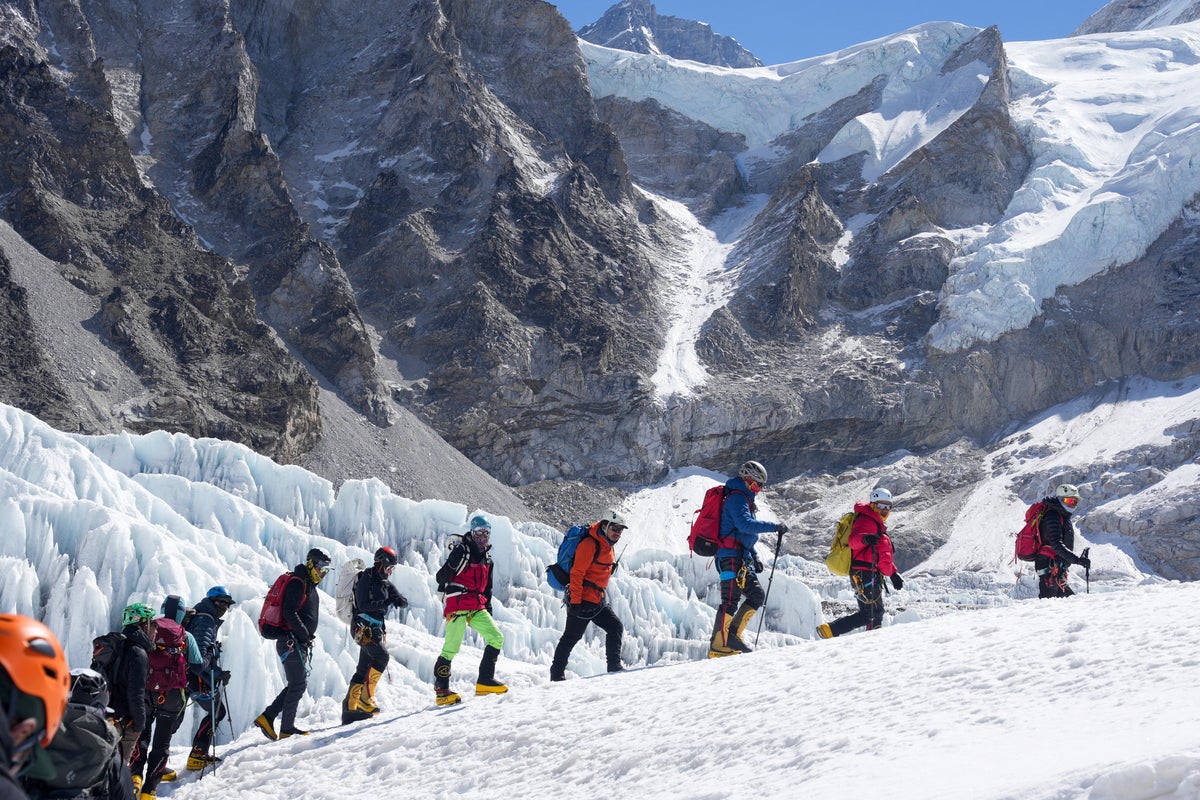
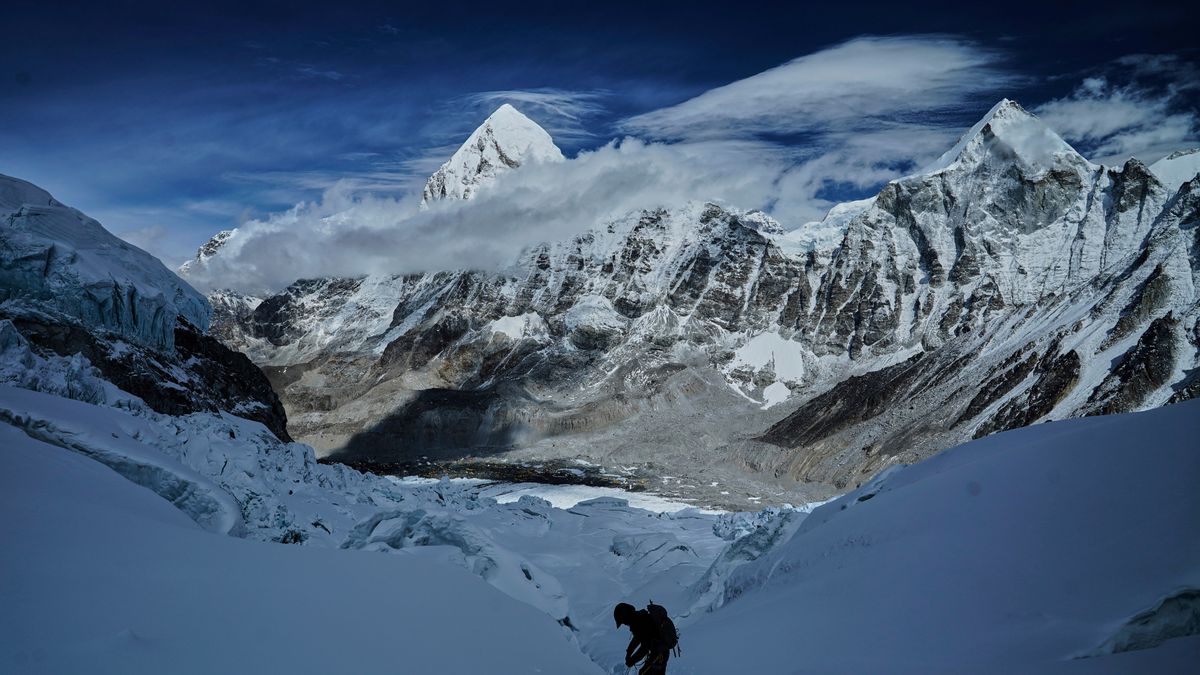
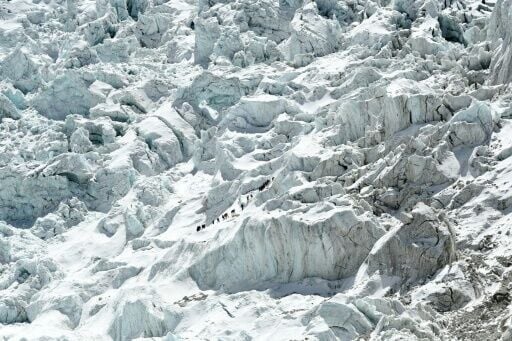
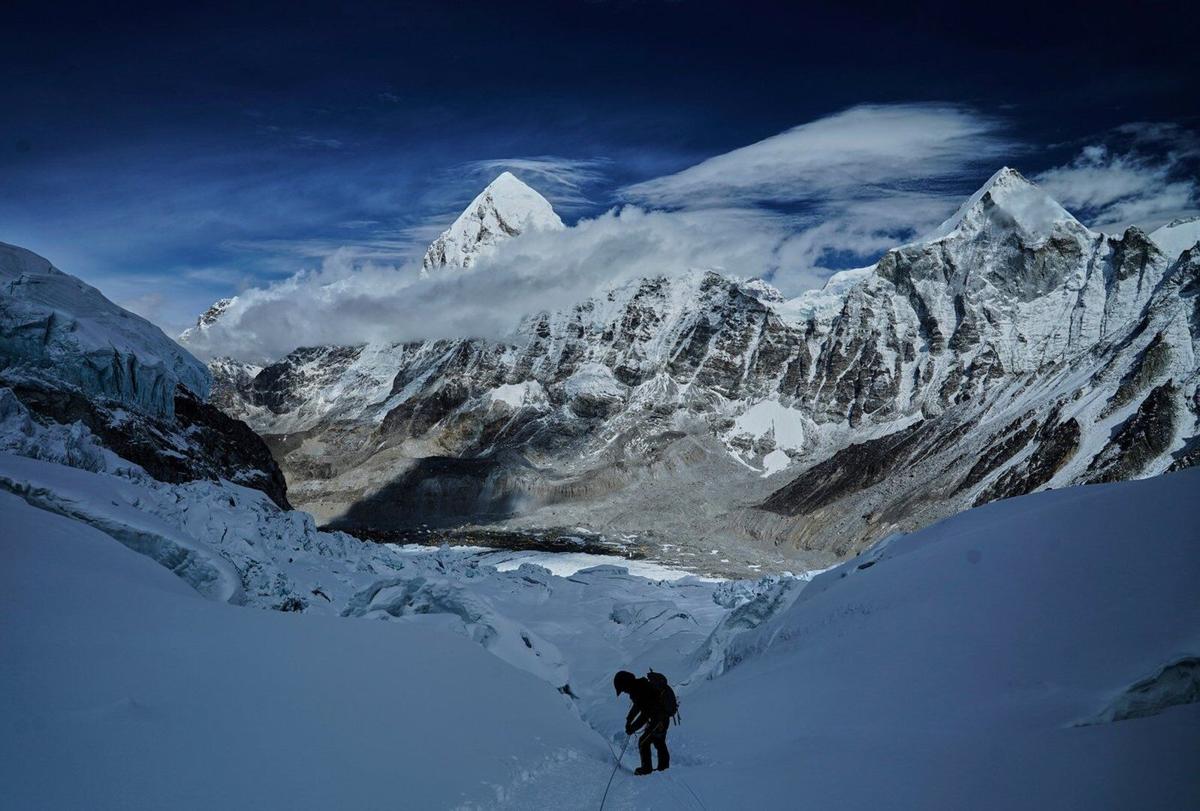
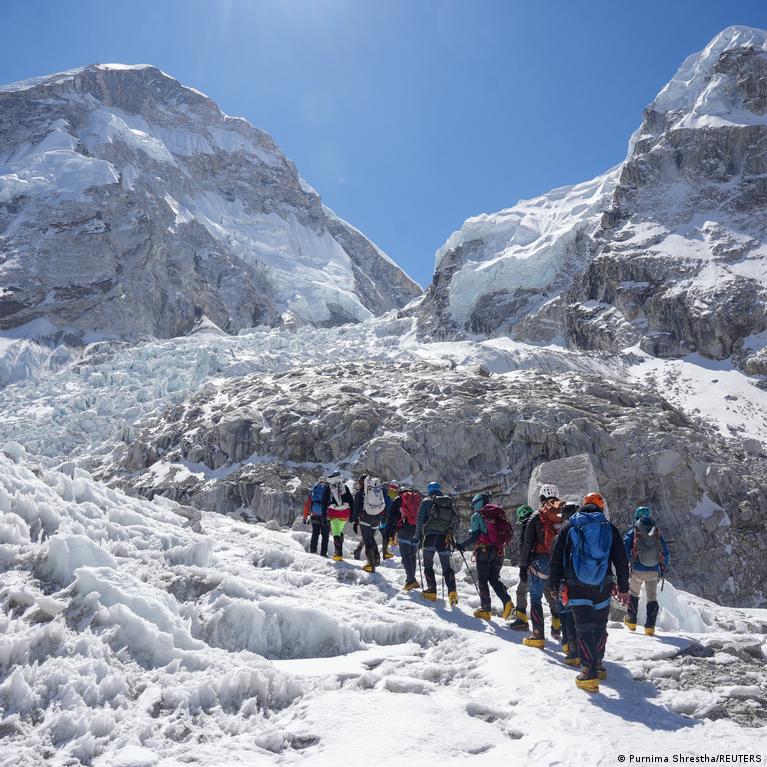
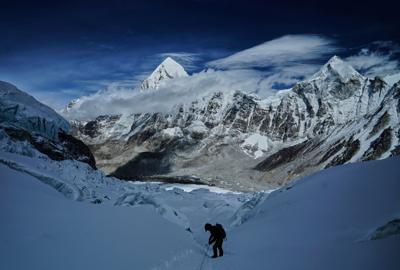
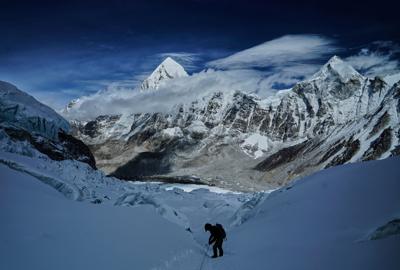
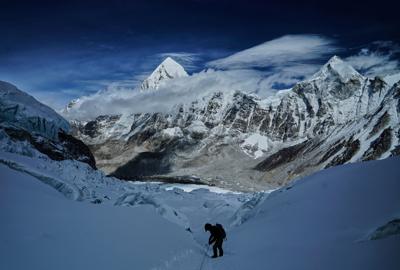
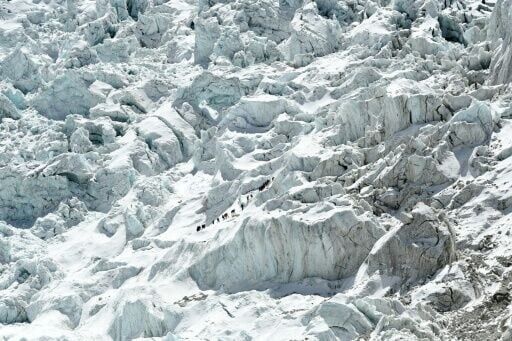
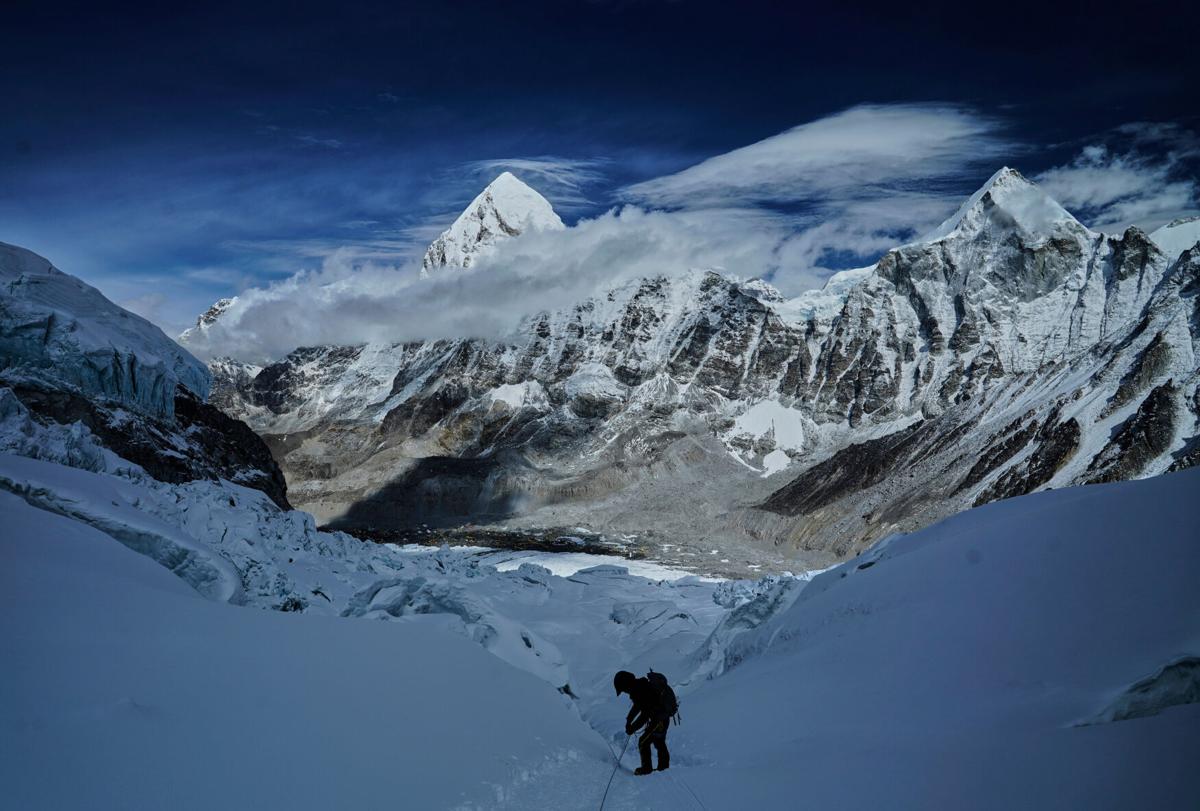
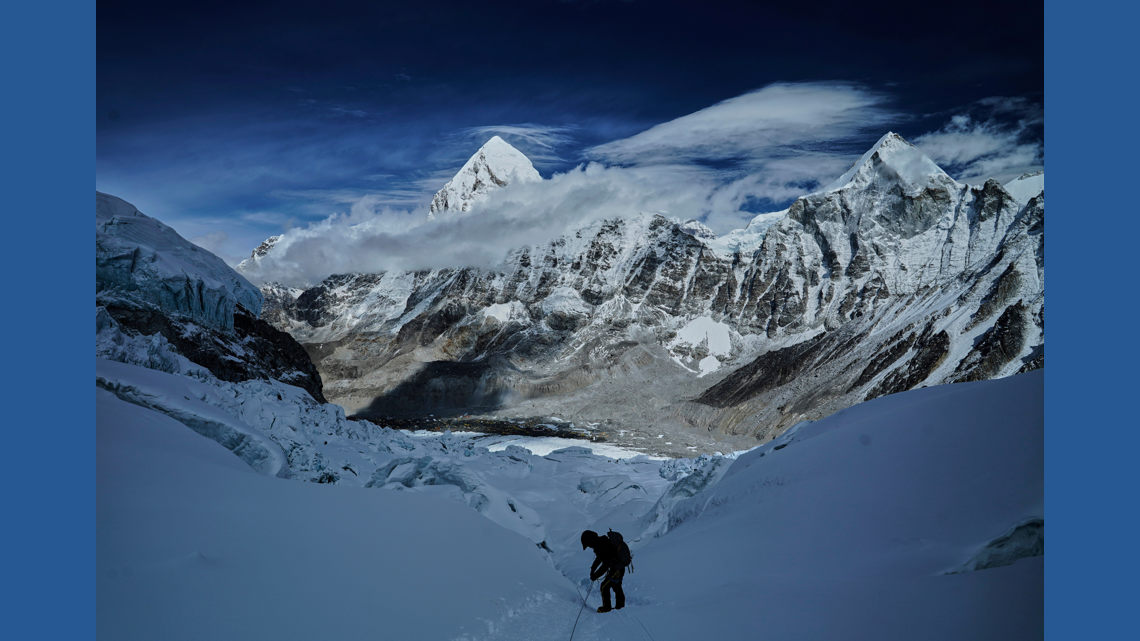
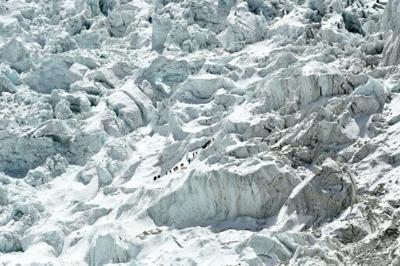
The Mount Everest spring 2025 climbing season faces unprecedented delays as a 100-foot serac (unstable ice block) blocks the critical Khumbu Icefall route, stranding approximately 410 foreign climbers and local guides at base camp. Nepal's Department of Tourism confirmed the route typically opens by mid-April, but this obstruction has compressed the climbing window into May, creating a concentrated demand surge for outdoor expedition equipment. The delay directly impacts the $6.1B global adventure tourism market and creates measurable e-commerce opportunities for sellers specializing in high-altitude climbing gear, safety equipment, and expedition supplies.
Immediate Product Opportunities: The 410+ stranded climbers represent a captive audience with compressed purchasing timelines. Sellers offering specialized climbing equipment—including ice axes, crampons, rope systems, altitude acclimatization supplements, and emergency medical kits—can expect elevated search volume and conversion rates through May 2025. News reports indicate climbers are arriving continuously (18-year-old Australian Bianca Adler noted as of April 20), suggesting ongoing inventory replenishment needs. The $15,000 permit cost per climber indicates high purchasing power; expedition companies managing these climbers typically allocate 15-25% of expedition budgets ($2,250-$3,750 per climber) to equipment and supplies. With 410 climbers, this represents a $922,500-$1,537,500 addressable market for e-commerce sellers.
Market Dynamics and Seller Positioning: Nepal's stricter regulations—including higher climbing fees and proposed legislation requiring prior 7,000-meter peak summits—signal increased professionalization of the climbing market. Expedition companies are strategizing to manage overcrowding by spreading climber traffic across two-week periods rather than simultaneous summit attempts. This creates extended demand windows rather than sharp spikes, favoring sellers with consistent inventory and reliable fulfillment. The compressed April-May season (closing end of May per News 1) means sellers must optimize listings for "last-minute climbing gear," "high-altitude expedition supplies," and "emergency mountaineering equipment" by late April to capture search traffic from climbers finalizing preparations.
Regional and Demographic Insights: News 2 reports climbers from China (98), United States (49), and India (46) represent the largest contingents, with China's closure of the Tibetan side redirecting climbers to Nepal's southern route. This geographic concentration creates opportunities for sellers to target US and Chinese marketplaces with localized listings. The demographic skews toward affluent, experienced climbers (average age 35-55 based on expedition company data), suggesting premium product positioning and higher-margin offerings. Sellers should emphasize safety certifications, professional-grade equipment, and expedition-tested durability in product descriptions and marketing copy.
Questions 7
How does the compressed May climbing window affect seller inventory strategy?
The serac blockage compresses the typical April-May season into a concentrated May window, creating extended demand rather than sharp spikes. Nepal's spring season closes end of May (per News 1), meaning sellers have 4-6 weeks to capture climber purchasing. Expedition companies are strategizing to spread climber traffic across two-week periods to manage overcrowding, extending the demand window. Sellers should maintain 20-30% higher inventory levels through May and optimize fulfillment for 3-5 day delivery windows. This differs from typical seasonal peaks where demand concentrates in 2-3 weeks.
Which geographic markets should sellers prioritize for Everest climbing gear?
News 2 reports climbers from China (98), United States (49), and India (46) represent largest contingents, with China's Tibetan side closure redirecting climbers to Nepal's southern route. Sellers should create localized listings on Amazon US, Amazon.cn (or Alibaba), and India-focused marketplaces. The demographic skews toward affluent, experienced climbers (typically age 35-55), suggesting premium product positioning. US and Chinese climbers represent 60% of the 410 stranded climbers, making these markets priority for PPC campaigns and sponsored listings through May 2025.