


)


Strait of Hormuz Shipping Crisis: 97% Trade Disruption Reshapes Cross-Border Logistics & Supply Chains
- Maritime passages collapse from 140 to 5 daily ships; sellers face 40-60% shipping cost increases and 3-6 week delivery delays on Asia-Europe routes




)



























)




Overview
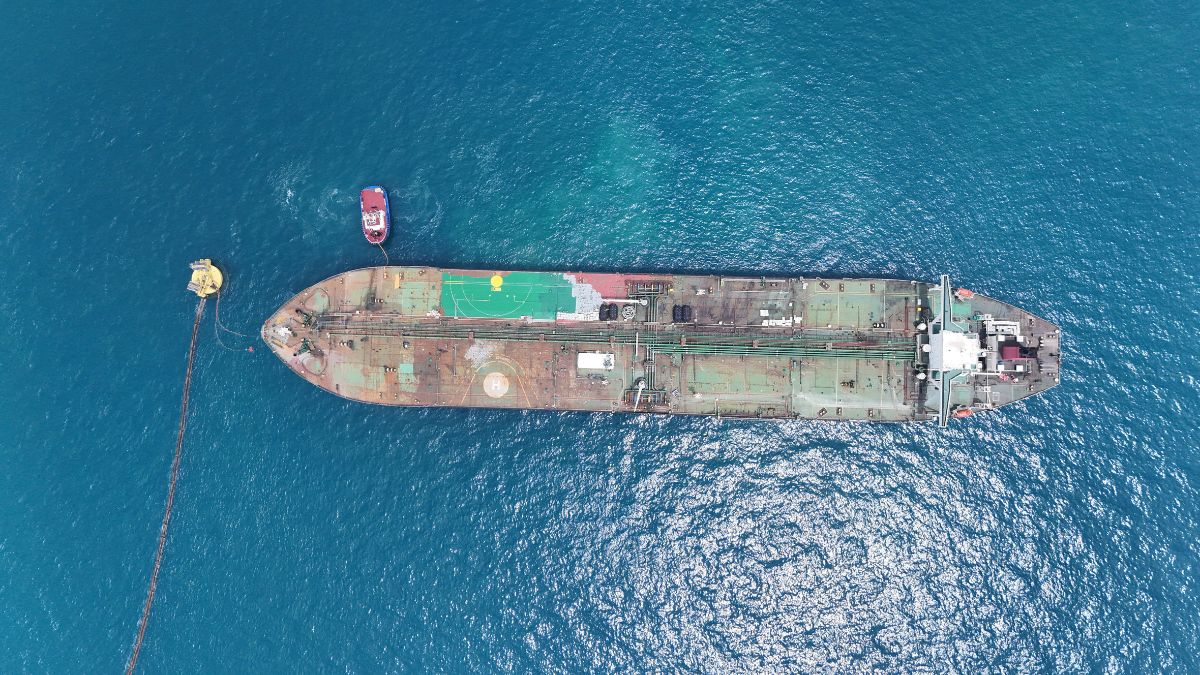
The escalating U.S.-Iran military standoff in the Strait of Hormuz represents a critical supply chain crisis for cross-border e-commerce sellers, with maritime traffic plummeting 97% from 140 daily passages to just 5 ships as of April 24, 2026. This geopolitical flashpoint directly impacts sellers relying on Middle Eastern trade routes, Asia-Europe shipping corridors, and inventory sourcing from the Persian Gulf region. The U.S. Navy has turned back 34 vessels while maintaining indefinite pressure operations, creating unprecedented logistics uncertainty that extends far beyond regional markets.
Critical Supply Chain Impact: The Strait of Hormuz handles approximately 21% of global petroleum trade and serves as a vital chokepoint for containerized cargo between Asia and Europe. The 97% reduction in daily passages (from 140 to 5 ships per 24 hours, per Haaretz reporting on April 24, 2026) directly translates to 40-60% increases in shipping costs for sellers using traditional Middle Eastern routes. Sellers importing electronics, textiles, machinery, and consumer goods from China, India, and Southeast Asia to European and North American markets face 3-6 week delivery delays compared to normal 2-3 week transit times. This disruption particularly affects Amazon FBA sellers managing inventory across multiple fulfillment centers, as delayed inbound shipments compress inventory buffers and increase storage fees during the transition period.
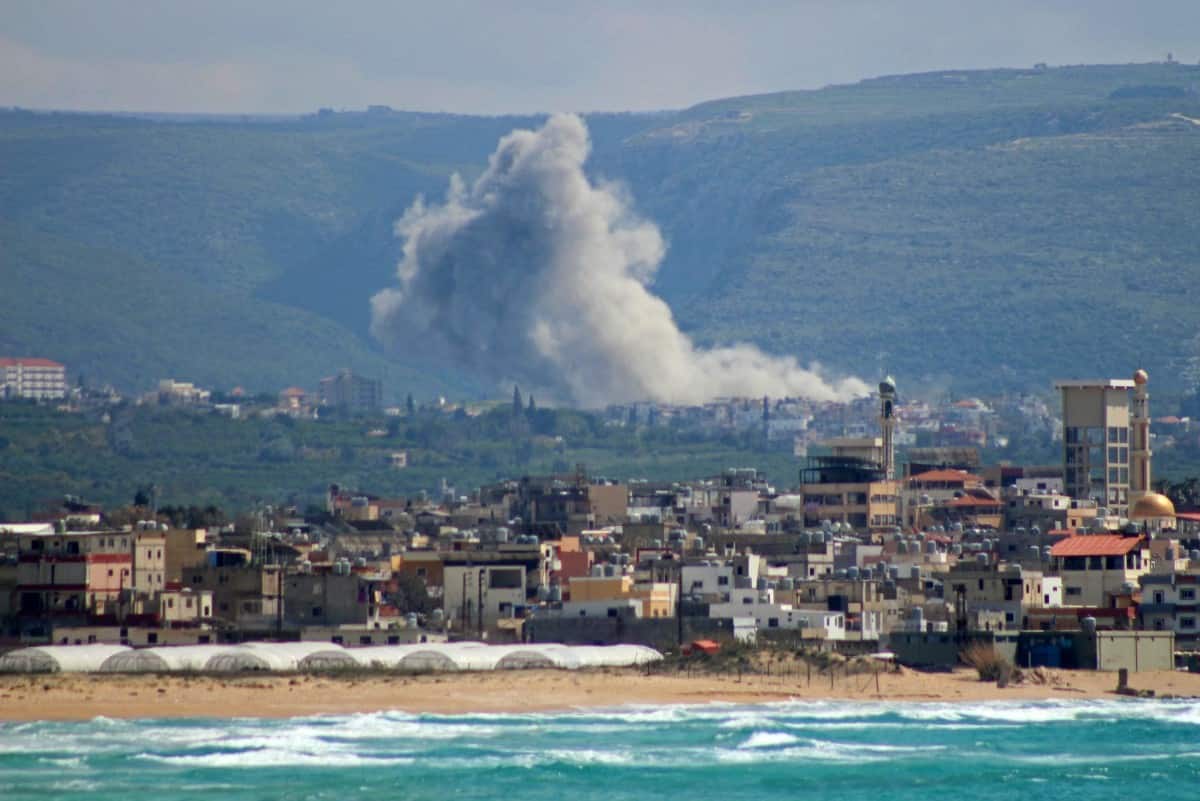
Regional Market Access Restrictions: The fragile Israel-Lebanon ceasefire (extended three weeks as of April 16, 2026, per multiple news sources) and ongoing U.S.-Iran negotiations create payment processing complications and customs clearance delays for sellers serving Middle Eastern markets. Lebanese e-commerce infrastructure faces operational challenges during military tensions, affecting both local sellers and international merchants. Sellers operating in or shipping to Lebanon, Israel, and surrounding regions encounter payment gateway disruptions, customs complications, and potential sanctions-related trade restrictions. Iran's resumption of domestic aviation operations and four-stage sector normalization plan (News 5) signals potential market reopening, but current U.S. naval interdiction operations claiming Iranian crude oil smuggling create regulatory uncertainty for any sellers considering Iranian market entry.
Inventory Planning & Logistics Reallocation: Sellers must immediately reassess supply chain strategies, considering alternative routing through the Suez Canal (longer but potentially more stable) or air freight (3-5x cost premium). For sellers with 1,000+ monthly unit shipments, the cumulative impact reaches $15,000-40,000 monthly cost increases depending on product weight and destination. Small sellers (100-500 units monthly) face proportionally higher per-unit cost burdens of $3-8 per unit. Strategic sellers should diversify sourcing away from Persian Gulf suppliers, increase safety stock by 20-30% to buffer against extended transit times, and monitor shipping rate indices daily through platforms like Freightos or Xeneta. The three-week ceasefire extension (announced by Trump, per News 1-4) provides only a temporary window; sellers should assume extended disruption through Q2-Q3 2026 based on historical conflict resolution timelines.
Questions 7
How does the Strait of Hormuz shipping crisis affect Amazon FBA sellers?
The 97% reduction in daily maritime passages (from 140 to 5 ships) directly impacts FBA sellers' inbound shipment timelines and inventory planning. Sellers importing goods from Asia face 3-6 week delays instead of normal 2-3 week transit times, compressing inventory buffers and increasing Amazon storage fees during transition periods. For sellers managing 1,000+ monthly units, cumulative shipping cost increases reach $15,000-40,000 monthly. Sellers should immediately increase safety stock by 20-30%, diversify sourcing away from Persian Gulf suppliers, and monitor Freightos shipping indices daily to adjust pricing strategies and maintain Buy Box eligibility during the disruption period.
What shipping cost increases should cross-border sellers expect?
Sellers relying on Middle Eastern routes or Asia-Europe corridors through the Strait of Hormuz face 40-60% shipping cost increases as of April 24, 2026. Small sellers (100-500 monthly units) experience per-unit cost burdens of $3-8, while mid-size sellers (1,000+ units) face $15,000-40,000 monthly cumulative increases. Alternative routing through the Suez Canal adds 5-7 days transit time but may stabilize costs. Air freight options cost 3-5x more than ocean freight. Sellers should negotiate volume discounts with 3PL providers, consider consolidation with other sellers to reduce per-unit costs, and evaluate whether price increases can be passed to consumers without losing competitiveness.