



Apple CEO Transition to Hardware Expert Ternus | AI-Integrated Device Strategy Reshapes Accessory & Supply Chain Opportunities
- Tim Cook steps down September 2024; John Ternus prioritizes hardware-AI integration over design aesthetics, signaling major shifts in product roadmaps, manufacturing partnerships, and accessory ecosystem demand for 50,000+ cross-border sellers











Overview
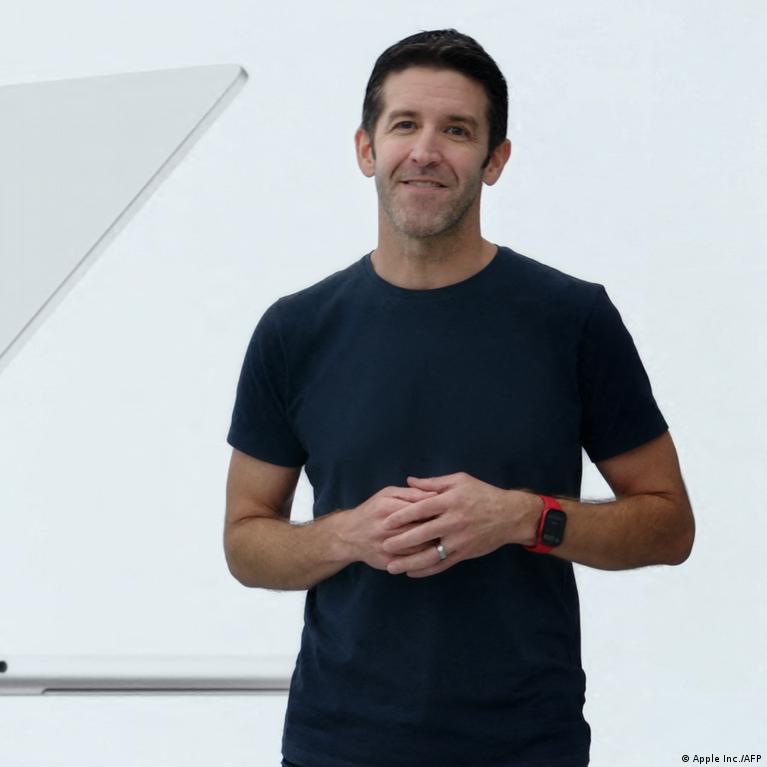
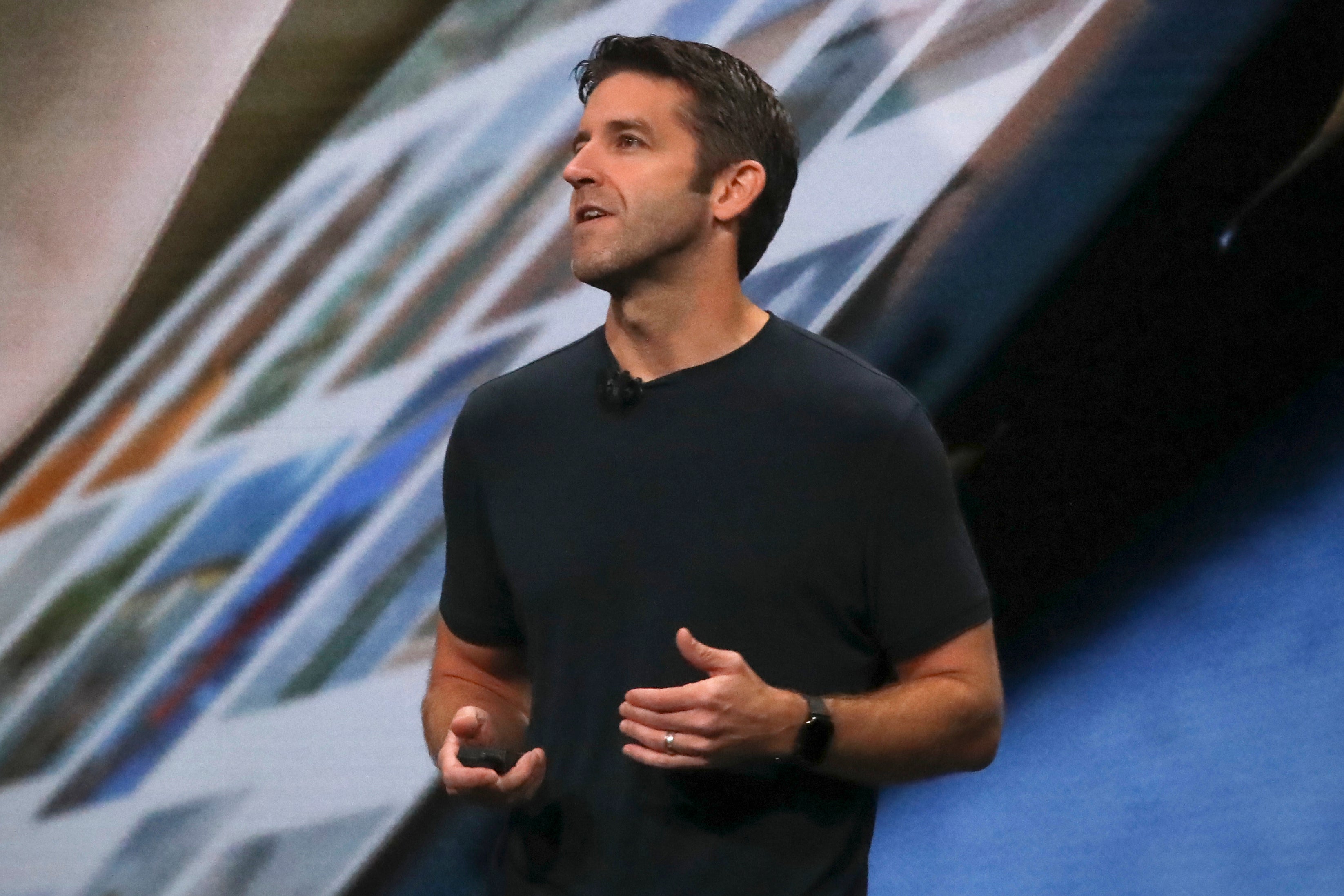
Apple's leadership transition from Tim Cook to John Ternus represents a fundamental strategic pivot with significant implications for cross-border e-commerce sellers, particularly those operating in the Apple ecosystem. The appointment, announced in April 2026 with Ternus assuming the CEO role in September 2026, signals Apple's commitment to hardware-AI integration as its primary competitive strategy during the AI era. Cook's 13-year tenure delivered a 20-fold increase in Apple's market capitalization since 2011, reaching a $4 trillion valuation, while maintaining strong iPhone sales momentum despite market saturation in developed regions. However, industry analysts have identified a critical gap: Apple lags behind competitors in developing standalone AI services, prompting the board to select Ternus—a hardware engineering expert with 18+ years of experience leading iPhone and Mac innovations—to drive device-centric AI solutions.
Strategic implications for sellers are substantial and multi-layered. Ternus's appointment reinforces Apple's shift away from aesthetic design innovation (the Jony Ive era of iMac G5, Mac Mini, and MacBook Air) toward internal performance improvements and computational advancement. With Johny Srouji now leading all hardware development, leveraging his 18-year contribution to Apple's silicon capabilities, the company prioritizes internal efficiency over form factor changes. This means accessory sellers should expect fewer dramatic design overhauls requiring new product lines, but increased demand for AI-compatible peripherals, cooling solutions, and performance-enhancing accessories as Apple integrates AI capabilities into existing device templates. The company's supply chain—described as a "core strength" involving government negotiations, partner coordination, factory development, and workforce training—will remain largely unchanged under Ternus, providing stability for suppliers and manufacturing partners.
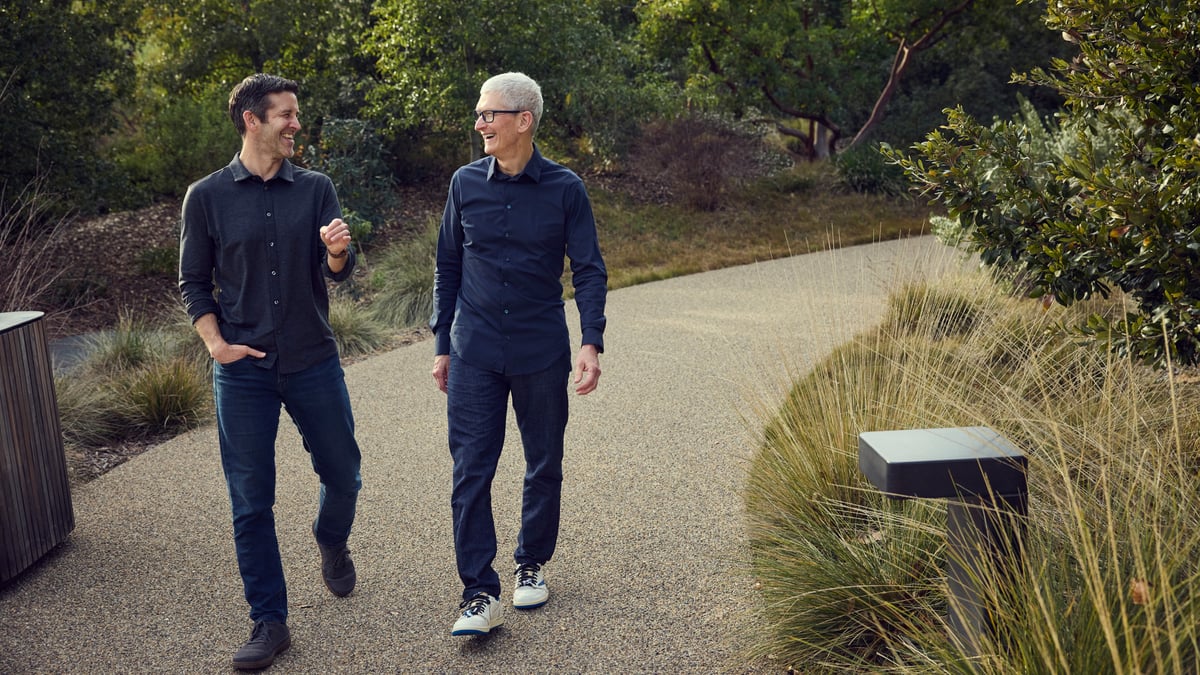
For cross-border sellers specifically, three operational shifts emerge. First, Apple's hardware-AI integration strategy creates opportunities in AI-adjacent accessory categories: thermal management products, AI-optimized charging solutions, and smart home integration devices that complement Apple's AI-driven ecosystem. Second, Ternus's retention of internal talent rather than recruiting external AI expertise signals Apple will maintain its integrated product strategy, meaning third-party developers and accessory makers must align with Apple's proprietary AI frameworks rather than expecting open-source alternatives. Third, Cook's transition to Executive Chairman—maintaining involvement in global policymaker engagement and international relations—suggests continued focus on supply chain optimization and international diplomacy, reducing uncertainty around tariffs, trade tensions, and manufacturing location changes that directly impact seller sourcing costs and logistics timelines.
The timing of this transition is critical: Apple confronts market saturation in developed regions and mounting pressure to demonstrate AI competency. Ternus must balance premium positioning with rapid innovation in emerging technologies. For sellers, this creates a 6-12 month window of strategic clarity before new product roadmaps materialize. Sellers should monitor Apple's official announcements for AI product development timelines, service expansion plans, and market positioning shifts that could affect demand for complementary products, accessories, and supply chain partnerships.
Questions 8
How will John Ternus's appointment as CEO affect Apple product design and accessory compatibility?
Ternus's hardware engineering background signals a shift from aesthetic design innovation to internal performance improvements and AI integration. Unlike the Jony Ive era emphasizing external design expression, contemporary Apple under Ternus will focus on computational advancement with minimal exterior changes. This means accessory sellers should expect fewer dramatic redesigns requiring new product lines, but increased demand for AI-compatible peripherals, thermal management solutions, and performance-enhancing accessories. Sellers should monitor Apple's official product roadmap announcements for AI feature timelines to align accessory development accordingly.
How does Ternus's appointment address Apple's competitive gap in AI services?
Industry analysts identified that Apple lags behind competitors in developing standalone AI services. Ternus's appointment signals Apple's strategic pivot toward hardware-AI integration rather than competing in cloud-based AI services. The company retained internal talent (Johny Srouji leading hardware development with 18+ years of silicon expertise) rather than recruiting external AI expertise, reinforcing its integrated product strategy. This approach emphasizes device capabilities and user experience integration as competitive advantages. For sellers, this means Apple will prioritize hardware innovation cycles over service-based offerings, creating predictable product launch windows and accessory demand patterns.