



Iran Conflict Shipping Costs Jump $2-4/Barrel | E-Commerce Logistics Crisis 2026
- Freight expenses surge 8-15% for cross-border sellers; 120 oil executives forecast $75+ WTI pricing through August 2026







Overview
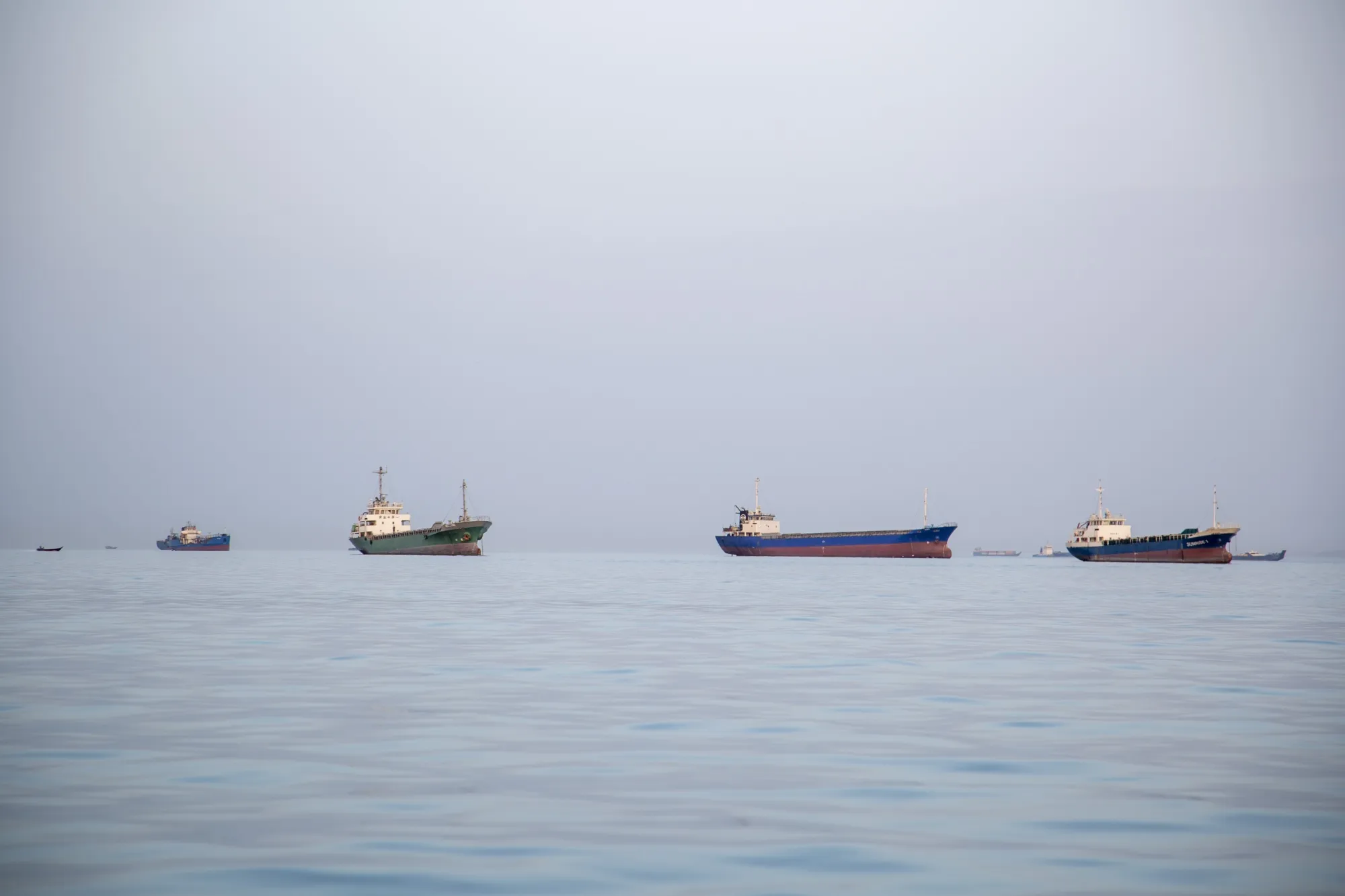
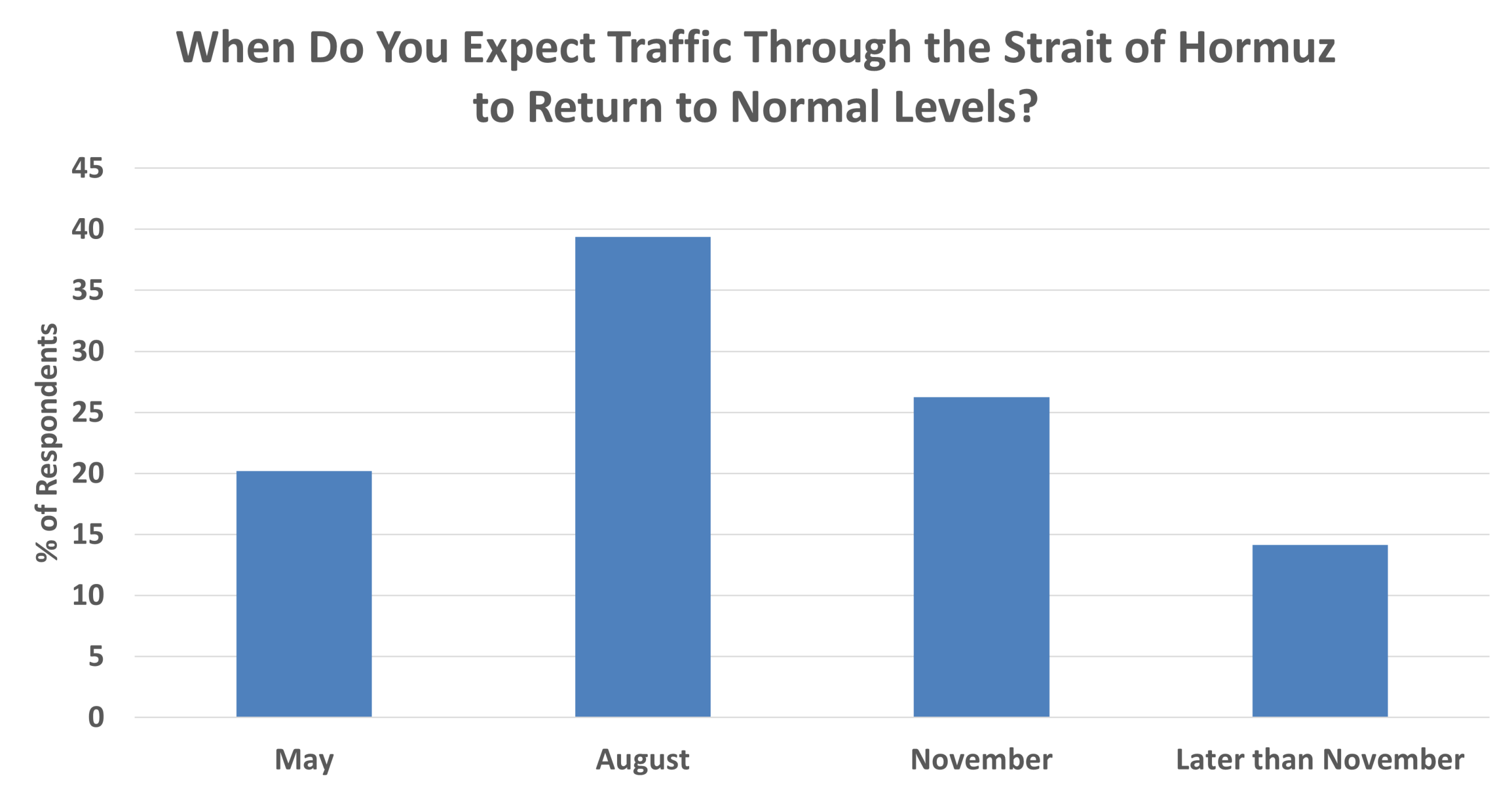
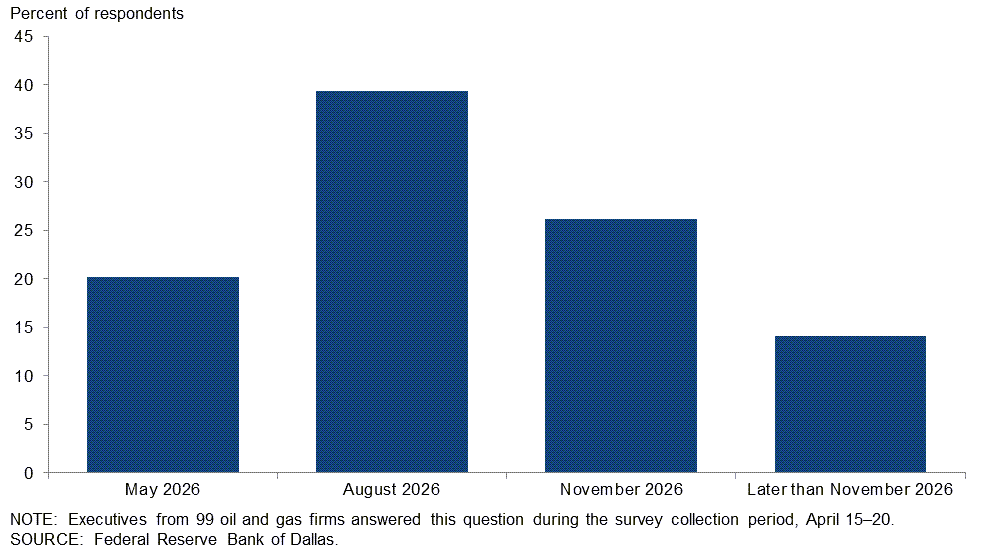
The Iran geopolitical crisis is creating a critical logistics cost shock for cross-border e-commerce sellers operating on thin margins. According to a Dallas Federal Reserve survey (April 15-20, 2026) of 120 oil and gas firms, more than one-third of surveyed companies anticipate shipping costs will jump between $2-4 per barrel following conflict resolution, with 39 executives predicting Strait of Hormuz traffic normalization by August 2026. This directly translates to 8-15% freight cost increases for sellers relying on ocean shipping and air freight logistics.
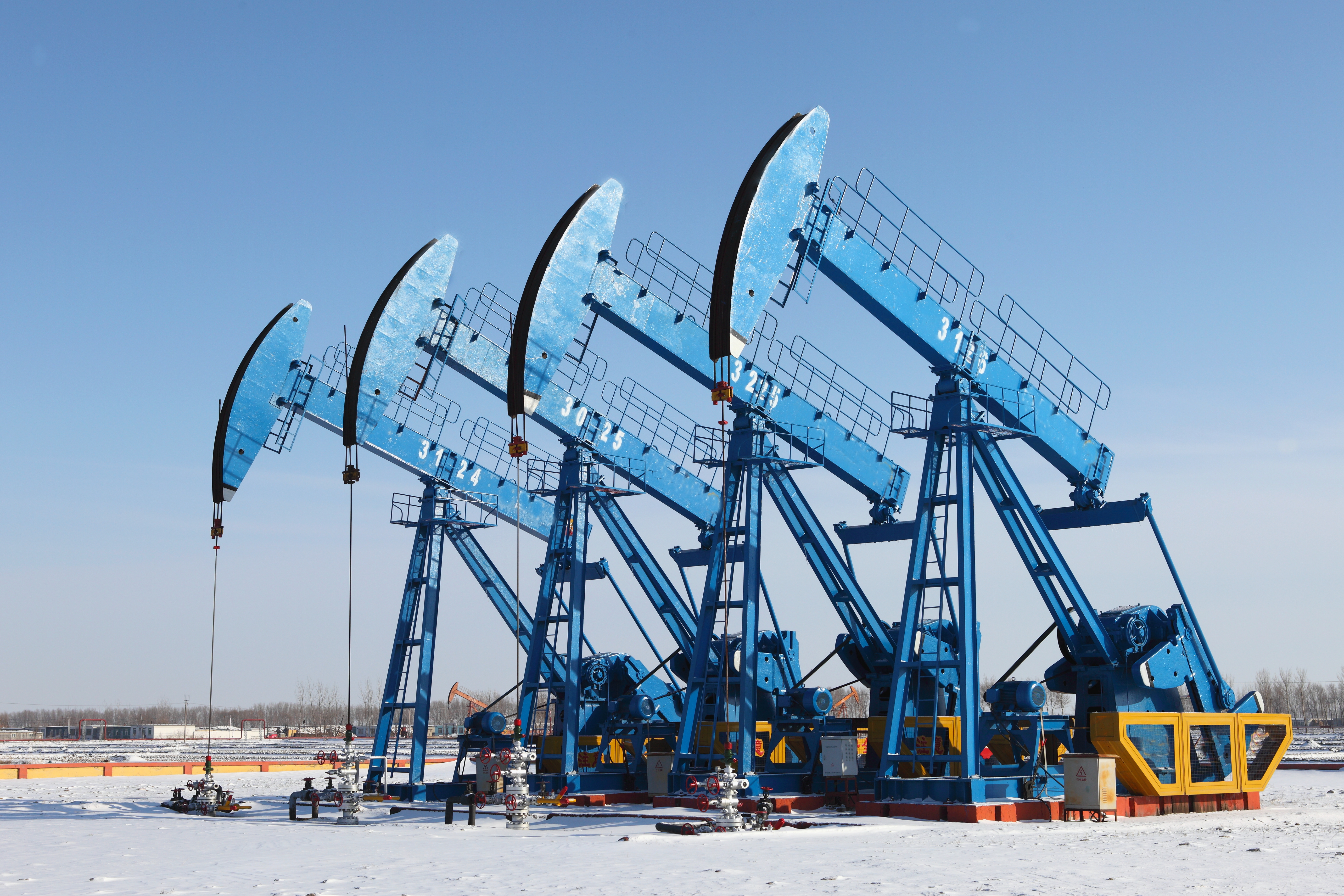
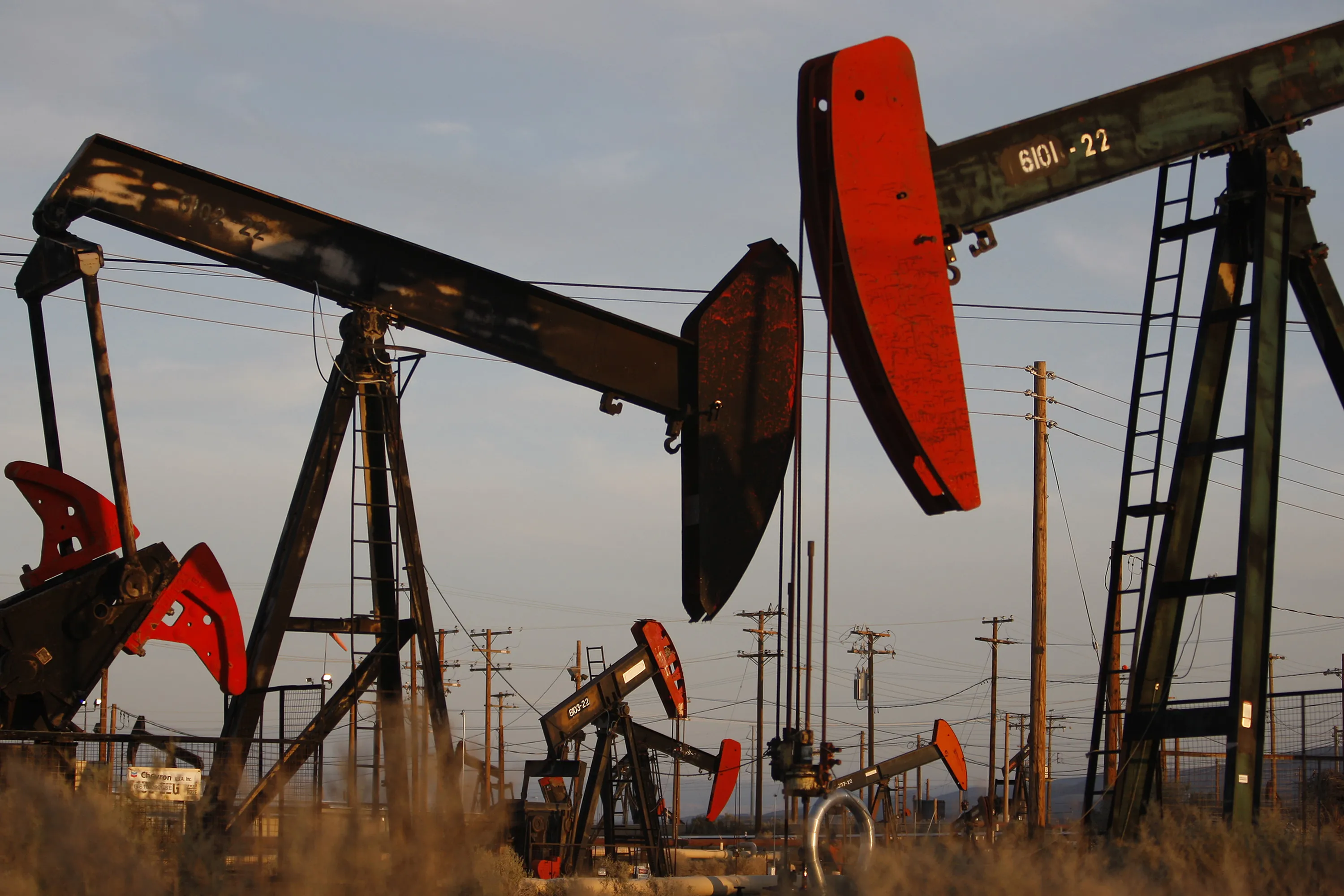
The immediate market dynamic reveals a critical timing window for seller strategy. While shale producers resist output increases due to Iran war "chaos," 43 survey respondents expect U.S. crude production to rise by up to 250,000 barrels per day in 2026, with West Texas Intermediate crude sustained above $75/barrel for approximately 45 days. An exploration and production executive stated: "The price of oil will fall back to the $65 a barrel level very quickly once this conflict settles down." This creates a two-phase cost environment: elevated shipping through August 2026, followed by potential margin relief post-normalization.
For e-commerce sellers, this manifests as immediate operational pressure across three dimensions. First, sellers shipping price-sensitive categories (apparel, electronics, home goods) face 8-12% margin compression on products with 15-25% gross margins. Second, air freight costs—critical for time-sensitive inventory and seasonal peaks—will experience disproportionate increases since fuel surcharges directly correlate to crude pricing. Third, sellers dependent on Gulf shipping routes (Asia-to-US, Asia-to-EU corridors) face the highest exposure, as 39 of 120 executives predict August normalization, meaning 4+ months of elevated costs through Q2-Q3 2026.
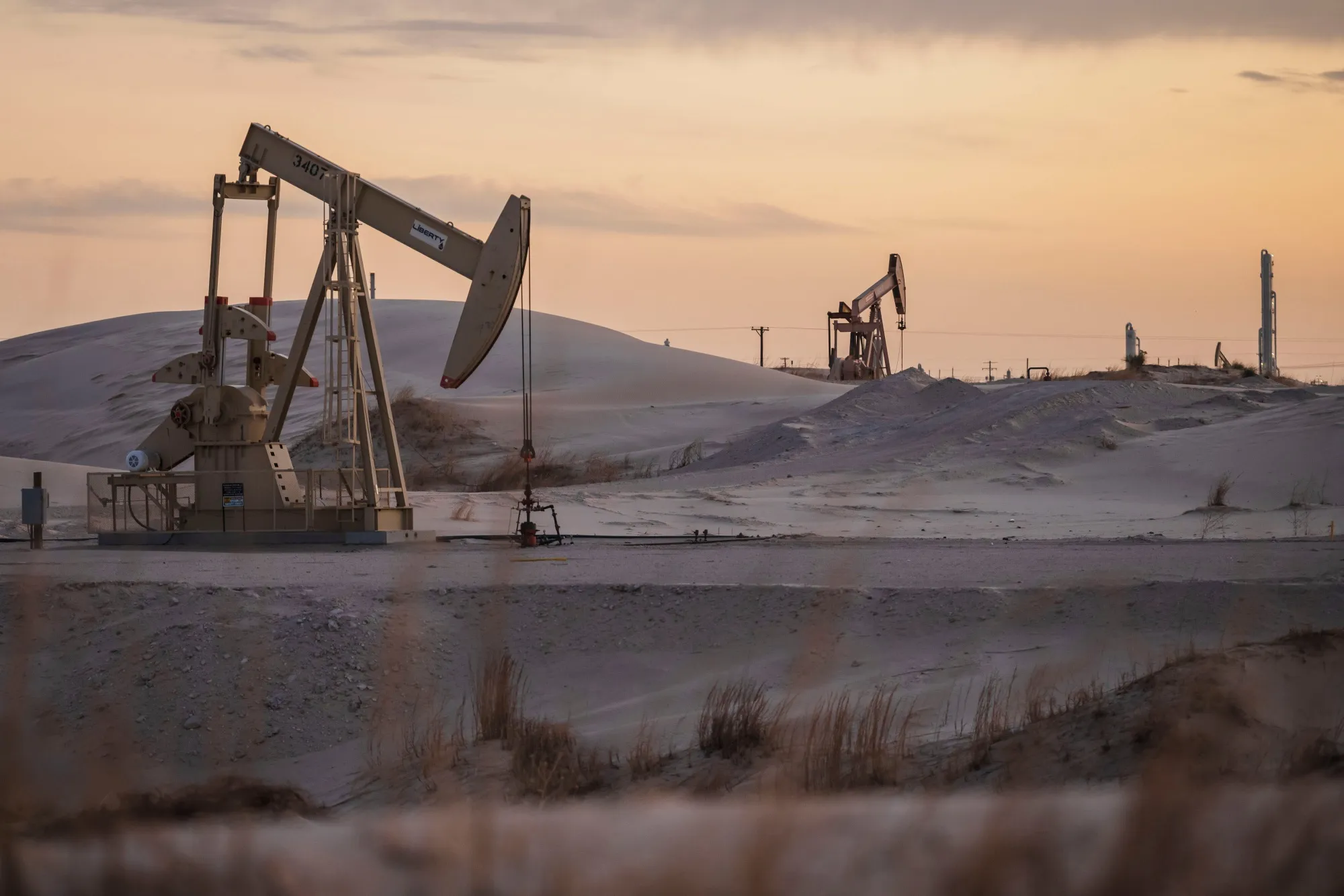
Strategic sourcing shifts are already underway. The survey data indicates smaller operators are accelerating drilling schedules in response to $75+ WTI pricing, suggesting increased domestic U.S. production capacity post-conflict. This creates a competitive advantage window for sellers who can shift sourcing from Asia-Pacific to nearshoring (Mexico, Central America) or domestic U.S. suppliers before August 2026 normalization. Sellers maintaining Asia-dependent supply chains face the highest cost exposure, while those diversifying to Western Hemisphere sourcing can lock in competitive positioning before shipping costs normalize downward to $65/barrel oil levels.
Questions 8
Which product categories face the highest margin pressure from shipping cost increases?
Price-sensitive categories with 15-25% gross margins face the most severe impact: apparel (15-20% margins), electronics accessories (18-25% margins), home goods (20-28% margins), and small consumer goods. These categories typically operate on thin margins where 8-12% freight cost increases compress profitability by 50-80% of net margin. Higher-margin categories (luxury goods 40%+, specialty items 35%+) can absorb shipping increases more easily. Sellers in apparel and electronics should prioritize nearshoring or inventory pre-positioning strategies before August 2026 to lock in current pricing before potential normalization.
How much will shipping costs increase for cross-border sellers due to Iran conflict?
According to the Dallas Federal Reserve survey of 120 oil and gas firms (April 2026), more than one-third of companies anticipate shipping costs will jump between $2-4 per barrel following conflict resolution. For e-commerce sellers, this translates to 8-15% freight cost increases on ocean shipping routes and 10-18% increases on air freight due to fuel surcharges. A seller shipping 1,000 units monthly via ocean freight (average 2-3 barrels fuel per container) could see monthly logistics costs increase by $200-400. The survey indicates this elevated pricing persists through August 2026, when 39 executives predict Strait of Hormuz traffic normalization.