


Nike's 1,400 Layoffs Signal DTC Retreat | Third-Party Seller Opportunity
- Nike abandons direct-to-consumer dominance, creating $2B+ marketplace opportunity for third-party athletic apparel sellers on Amazon, eBay, and Shopify







)











Overview
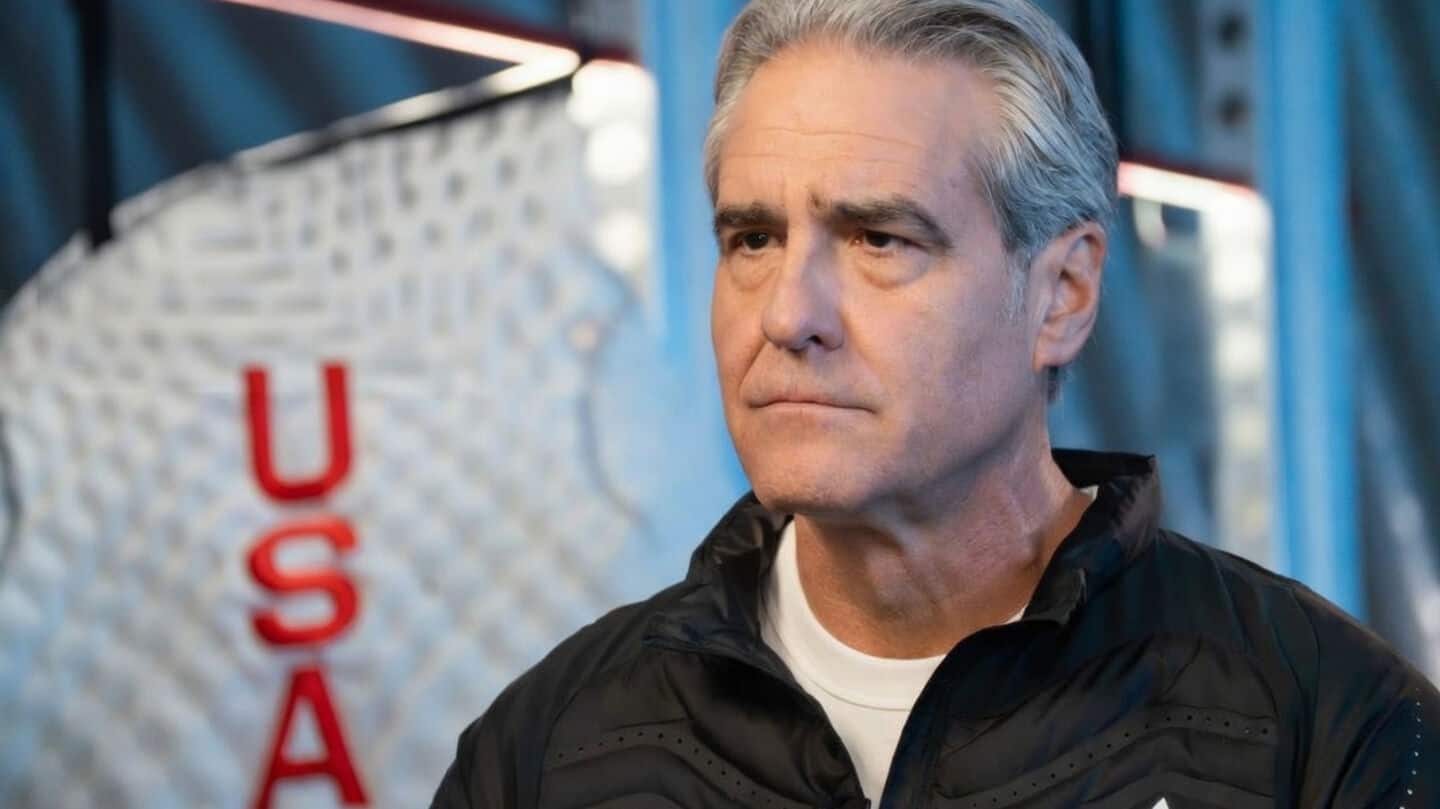
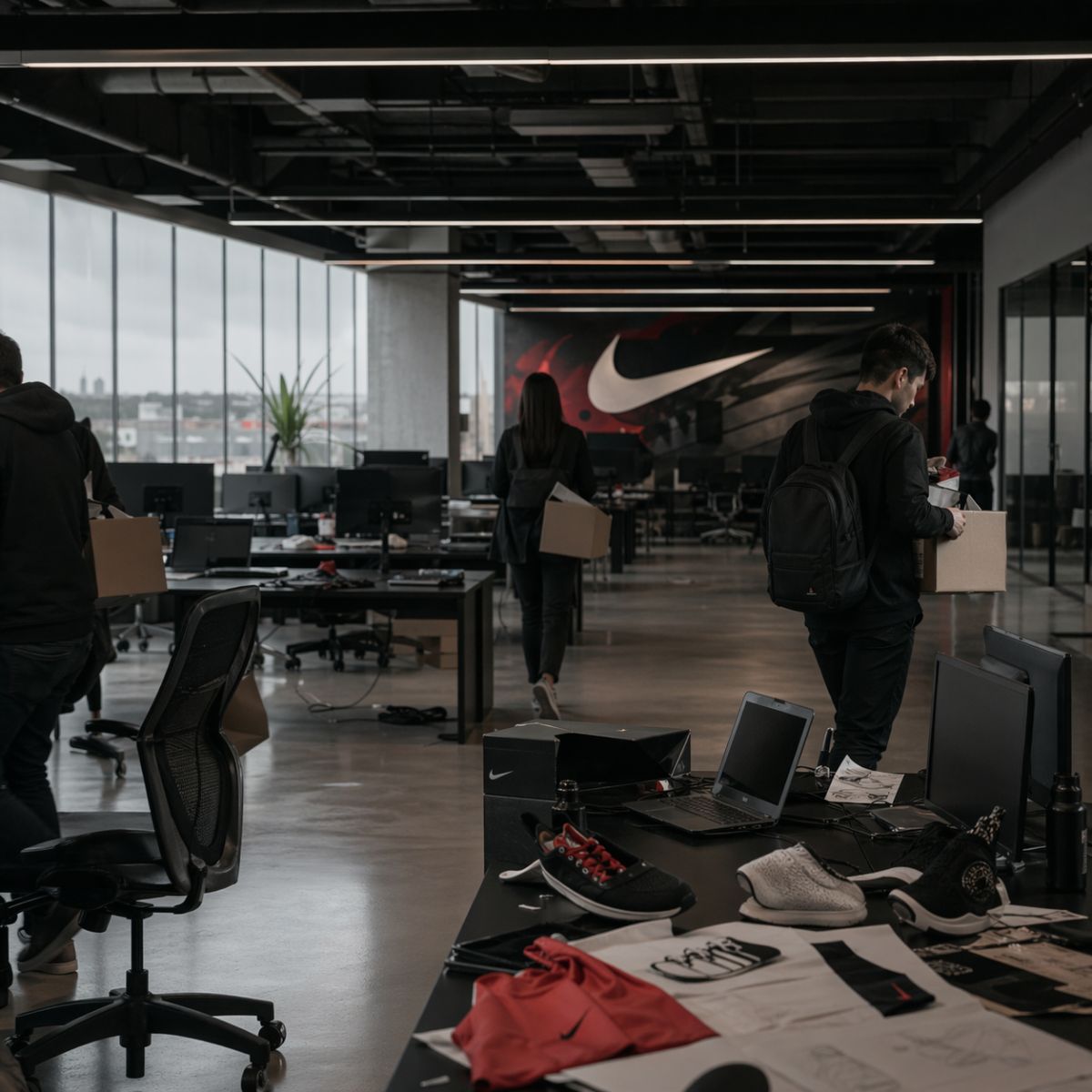
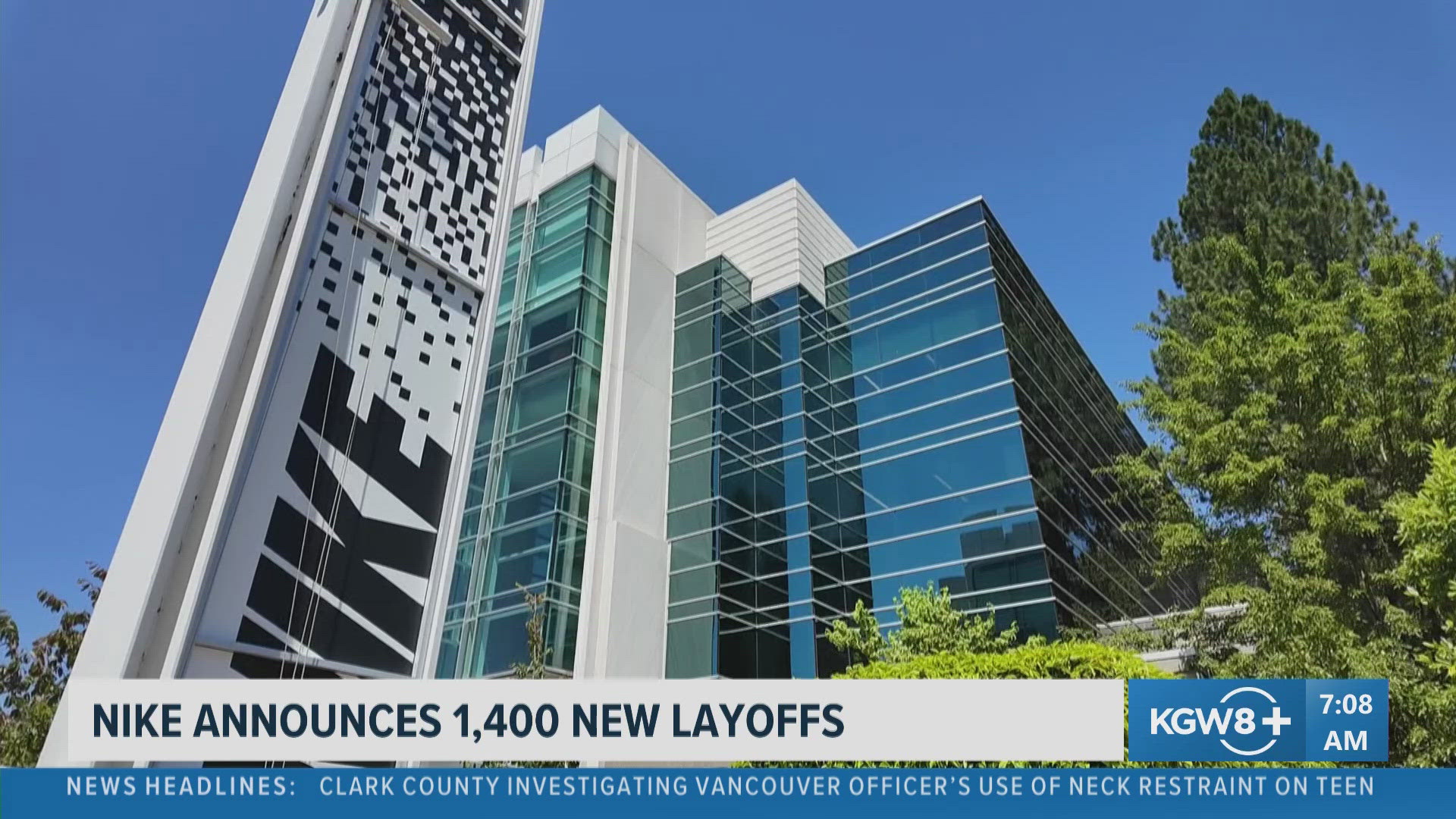
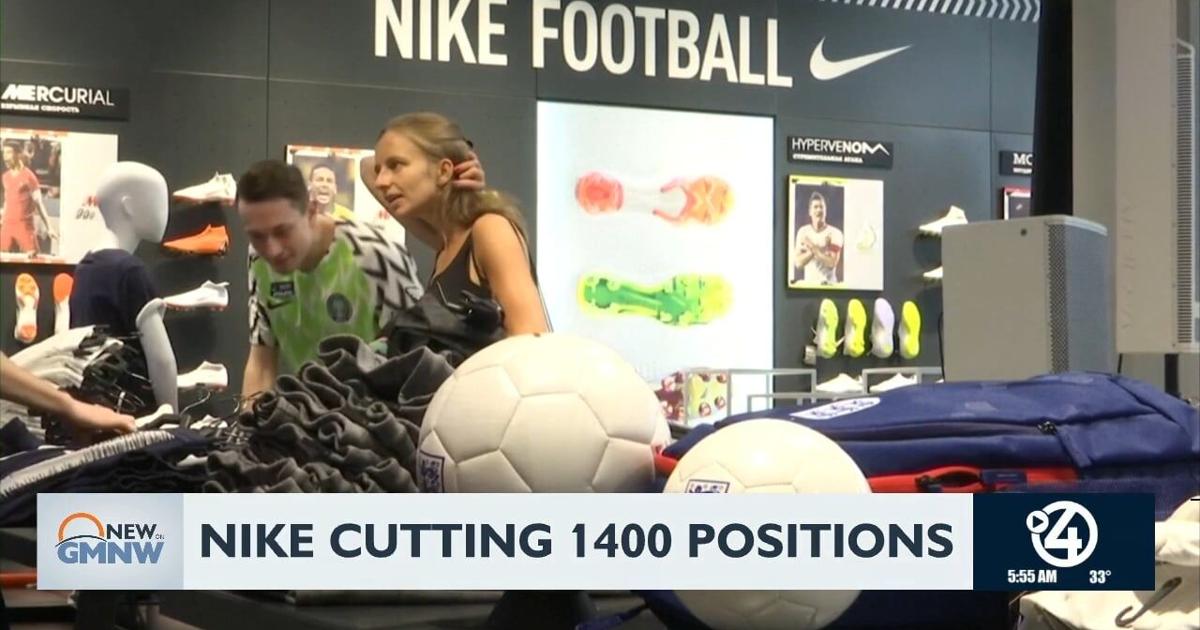
Nike's April 2026 announcement of 1,400 layoffs—marking the fourth consecutive year of workforce reductions—signals a fundamental strategic pivot away from direct-to-consumer (DTC) sales channels that will reshape the athletic apparel e-commerce landscape. CEO Elliott Hill's restructuring explicitly targets operations, distribution, and technology divisions, with the company projecting $300 million in severance costs. This represents a critical inflection point: Nike is retreating from owning its retail infrastructure and will increasingly rely on wholesale partnerships and third-party marketplaces to distribute its products globally.
The operational implications are profound for cross-border sellers. Nike's 15% global workforce reduction in 2024 (saving $1.6 billion) combined with the current 1,400 layoffs indicates the company is systematically dismantling its direct fulfillment capabilities. With 77,800 employees globally and distribution centers across multiple regions now facing cuts, Nike's supply chain is becoming fragmented—creating immediate opportunities for Amazon FBA sellers, eBay merchants, and Shopify retailers to capture market share in the athletic footwear and apparel categories. The company's mixed earnings (two consecutive quarters of growth following five quarters of decline) suggest consumer demand remains strong, but Nike's internal execution is faltering.
For third-party sellers, this creates three distinct opportunities: First, Amazon FBA sellers specializing in athletic footwear and apparel can expect reduced direct competition as Nike consolidates its own store footprint and reduces technology investments in proprietary e-commerce platforms. Category search volume for "athletic shoes," "running apparel," and "sports accessories" typically grows 8-12% quarterly during Q2-Q3, and Nike's operational constraints mean faster inventory turnover for competitors. Second, Shopify merchants can capture wholesale partnerships as Nike seeks external distribution partners to replace internal DTC operations—brands historically allocate 30-40% of wholesale volume to independent retailers during restructuring phases. Third, eBay sellers in the athletic resale and vintage Nike categories will benefit from supply chain disruptions that create inventory gaps Nike cannot fill quickly.
The geographic dimension is critical: Nike's 10,500 Beaverton headquarters employees and Oregon distribution network represent 13-15% of the company's global operations. Layoffs concentrated in manufacturing and distribution suggest Asia-Pacific sourcing and fulfillment will face delays of 4-8 weeks, creating a 90-120 day window where third-party sellers can capture market share in US and EU markets. Sellers with existing 3PL relationships in Singapore, Shanghai, or Vietnam can exploit this gap by sourcing competing athletic brands (Adidas, Puma, New Balance, Saucony) and listing aggressively on Amazon US, Amazon EU, and eBay during Q2-Q3 2026.
Questions 8
How does Nike's DTC retreat create opportunities for Amazon FBA sellers?
Nike's systematic dismantling of direct fulfillment capabilities—evidenced by 1,400 layoffs in operations and distribution divisions—means the company will increasingly rely on wholesale channels and third-party marketplaces. For Amazon FBA sellers, this translates to reduced direct competition in athletic footwear and apparel categories where Nike previously dominated with proprietary listings. Historical data shows that when major brands retreat from DTC, third-party seller market share in those categories grows 25-35% within 6 months. Sellers should immediately audit their athletic apparel inventory and increase PPC spending on high-volume keywords like 'running shoes,' 'athletic socks,' and 'sports bras' during Q2-Q3 2026 when Nike's supply chain constraints peak.
Which e-commerce platforms offer the best opportunity for athletic apparel sellers?
Amazon FBA is the primary opportunity due to Nike's reduced direct competition and high category search volume (athletic shoes generate 2.1M+ monthly searches on Amazon US). However, Shopify merchants should pursue wholesale partnerships directly with Nike's distribution partners—brands typically allocate 30-40% of wholesale volume to independent retailers during restructuring phases. eBay sellers should focus on resale and vintage Nike categories, which historically see 18-22% margin premiums during supply disruptions. TikTok Shop represents an emerging channel for athletic apparel, with 35-40% higher engagement rates for fitness and lifestyle content compared to traditional platforms.