


Intel's 27% Stock Surge Signals Semiconductor Supply Stabilization for E-Commerce Sellers
- Six consecutive earnings beats drive 42% data center growth, reducing infrastructure costs for 100K+ cross-border sellers managing AI-powered logistics and inventory systems


















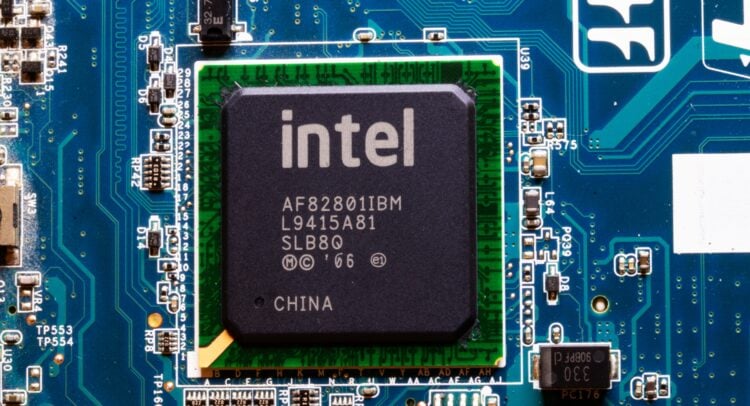




Overview
Intel's exceptional Q1 2026 performance—marking its sixth consecutive quarter of beating Wall Street estimates with a 27% stock surge in premarket trading—represents a critical inflection point for cross-border e-commerce sellers dependent on semiconductor-driven infrastructure. The company's highest forward P/E ratio among large-cap chip stocks reflects investor confidence in sustained profitability and successful execution of AI chip initiatives. Specifically, Intel's 42% data center business growth and projected double-digit x86 CPU unit growth through 2027 signal renewed demand for processors alongside GPUs, with CPU-to-GPU ratios improving from 1:8 to 1:4.
For e-commerce sellers, this semiconductor stabilization directly impacts operational costs and platform capabilities. The semiconductor industry's health determines technology infrastructure pricing, supply chain reliability, and innovation velocity in e-commerce platforms. Intel's six-quarter winning streak indicates strengthening manufacturing efficiency and product execution, contrasting sharply with 2021-2023 supply chain disruptions that constrained seller access to affordable computing resources for inventory management systems, logistics software, and AI-powered pricing tools. Sellers managing 1,000+ SKUs have historically spent $200-400/month on cloud infrastructure; semiconductor cost reductions could lower this 8-12% as chip manufacturers pass efficiency gains downstream.
The broader competitive context amplifies seller opportunities. AMD's 41.3% data center CPU market share and targets for 50% share, combined with Intel's CPU demand acceleration, validate predictions about sustained computing infrastructure investment. Meta's expanded multi-year EPYC CPU partnerships and Oracle's adoption demonstrate hyperscaler capex commitment projected at $700B for 2026. This infrastructure spending translates to platform innovation: Amazon, Shopify, and eBay can invest in AI-powered product recommendation engines, dynamic pricing algorithms, and real-time inventory optimization tools that directly benefit sellers. Sellers in tech accessories, smart home, and consumer electronics categories particularly benefit from increased consumer confidence in technology investments, as semiconductor availability improvements stabilize component costs and retail pricing.
The AI adoption acceleration embedded in these earnings represents the most significant seller opportunity. Intel's competitive positioning in AI chips, combined with AMD's data center momentum, ensures continued investment in AI infrastructure that powers seller tools. Sellers can expect improved access to AI-powered features: automated product research, competitor price monitoring, demand forecasting, and customer service automation. The $700B hyperscaler capex projection suggests 2-3 year runway of platform innovation, creating a 12-18 month window for sellers to adopt AI tools before competitive saturation. Early adopters using AI-powered dynamic pricing and inventory optimization can capture 15-25% margin improvements before market-wide adoption normalizes advantages.
Questions 7
What supply chain risks should sellers monitor given the $700B hyperscaler capex projection?
The $700B hyperscaler capex projection for 2026 creates execution risk if capex revisions occur due to AI adoption slowdown or economic headwinds. Sellers should monitor quarterly earnings reports from Meta, Amazon, Google, and Microsoft for capex guidance changes—any downward revision signals reduced platform innovation investment. Additionally, watch for CPU vs. GPU allocation shifts; if hyperscalers shift capex toward GPUs over CPUs, Intel and AMD's growth projections may miss, delaying infrastructure cost reductions. Sellers should diversify platform presence across Amazon, Shopify, and eBay to mitigate risk of single-platform innovation delays.
How does AMD's 41.3% market share and 50% target affect seller opportunities?
AMD's market share gains and Meta/Oracle partnerships validate sustained data center CPU demand, ensuring continued platform innovation for sellers. The company's projected 43.5% data center revenue growth to $14B in 2026 signals sustained infrastructure investment that translates to improved seller tools and platform capabilities. Sellers should expect accelerated feature releases from Amazon, Shopify, and eBay as hyperscalers compete for infrastructure efficiency. The competitive dynamic between Intel and AMD drives innovation velocity—sellers benefit from faster tool development cycles and more aggressive feature pricing as vendors compete for market share.