


Jones Act Waiver Extended Through August 2026 | Shipping Cost Savings for E-Commerce Sellers
- 90-day extension reduces domestic maritime shipping costs 8-15% for cross-border sellers managing multi-regional US logistics networks through mid-August 2026









































Overview
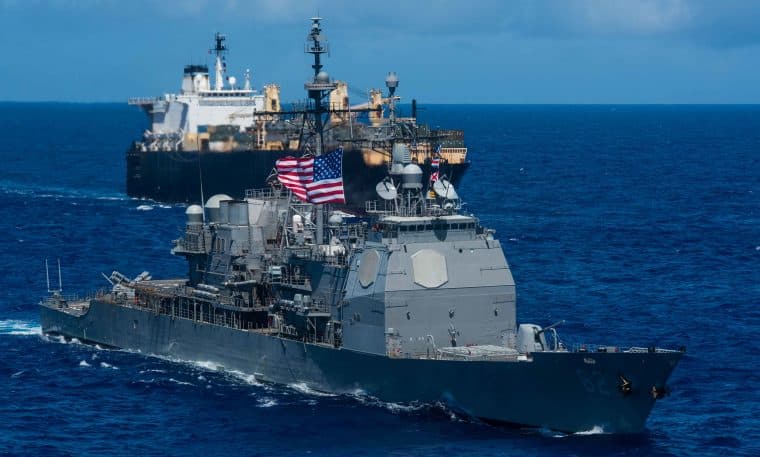
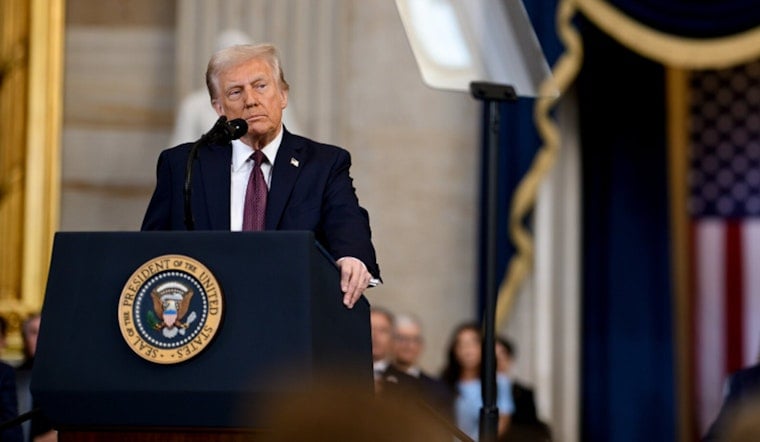
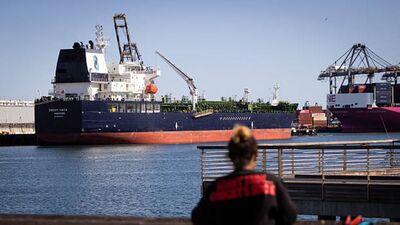
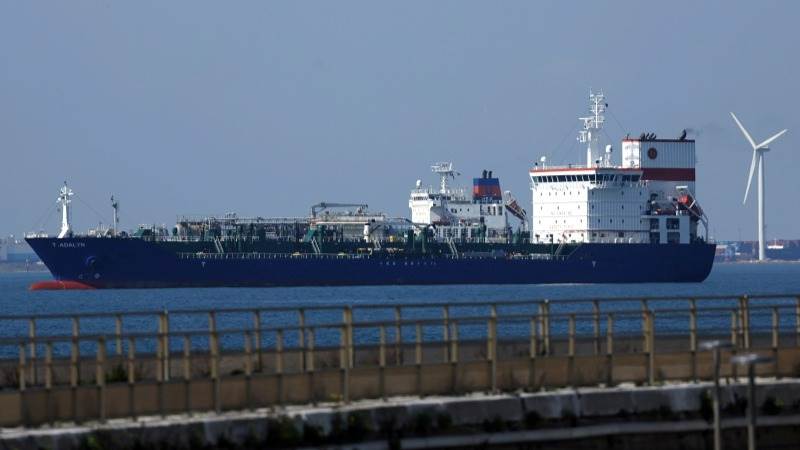
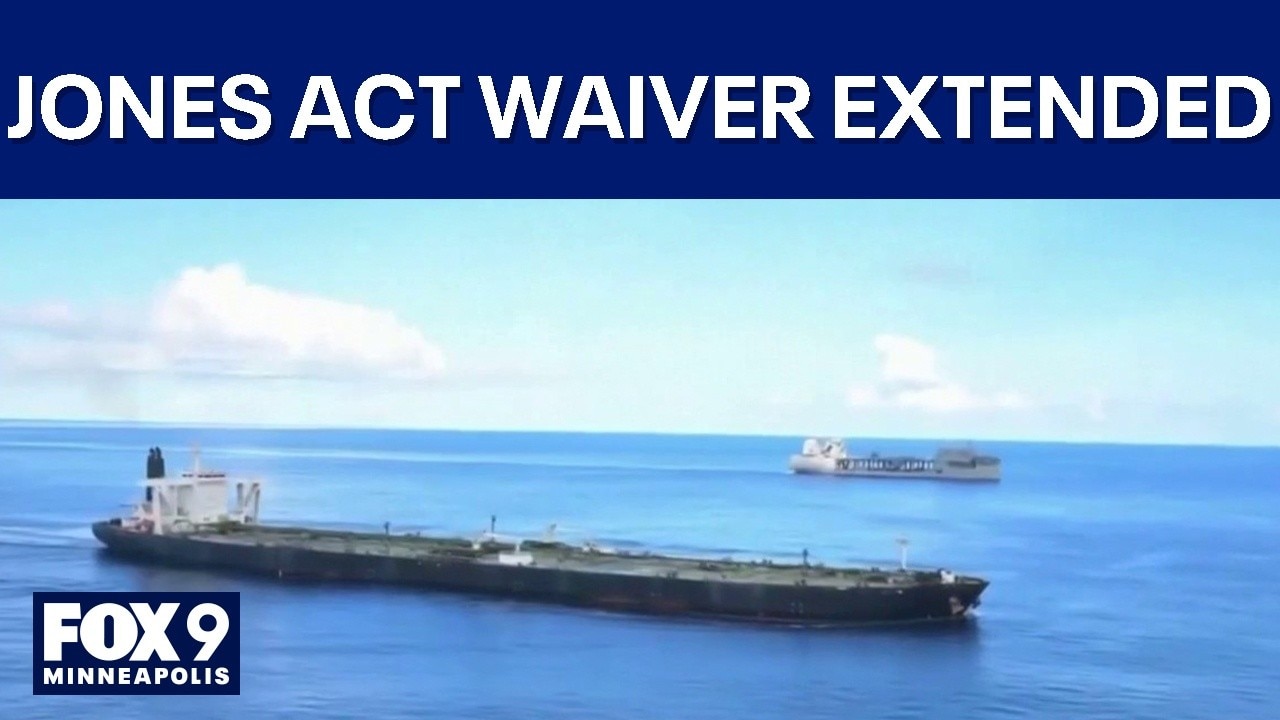
The Trump administration's extended Jones Act waiver through mid-August 2026 represents a critical policy shift with direct implications for e-commerce sellers managing domestic logistics and supply chains. Originally implemented March 18, 2026 for 60 days to address Iran conflict-driven energy disruptions, the waiver was extended 90 days on April 24, 2026, permitting foreign-flagged vessels to transport goods between U.S. ports—a practice prohibited for over a century under the 1920 maritime law. This policy change directly impacts operational costs for sellers relying on domestic shipping, particularly those managing inventory across regional distribution networks.
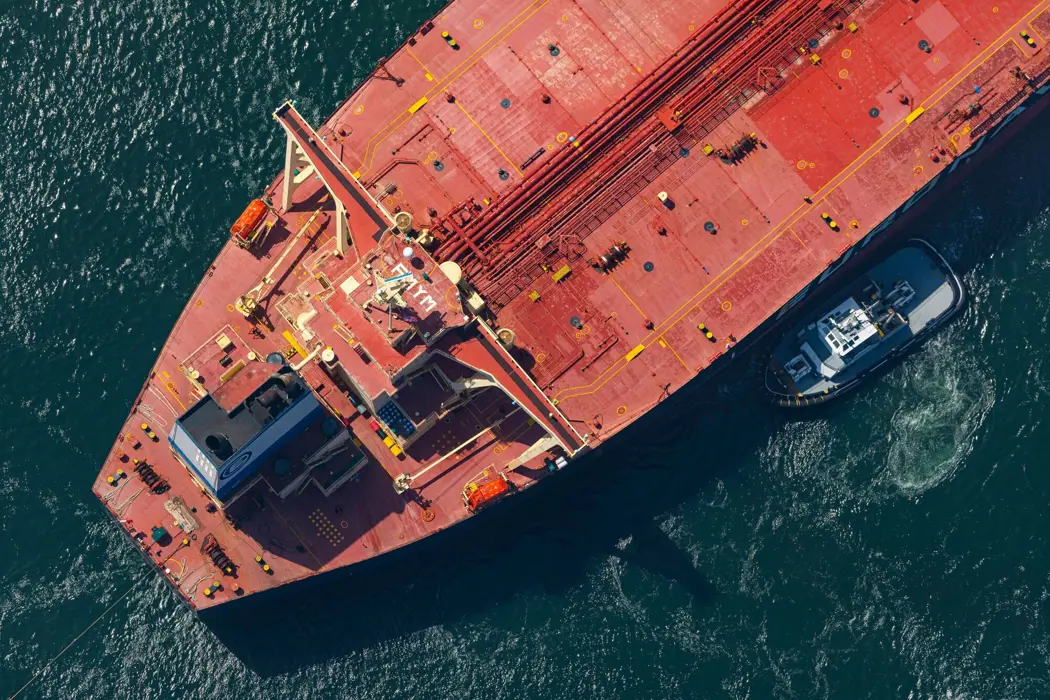
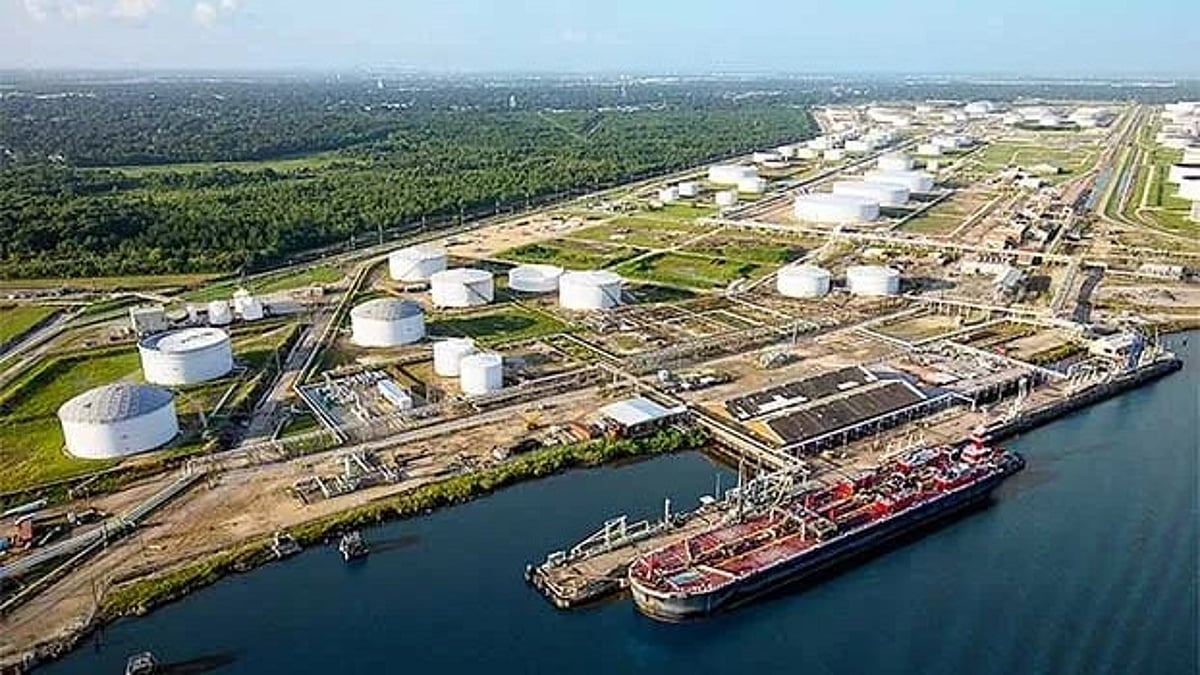
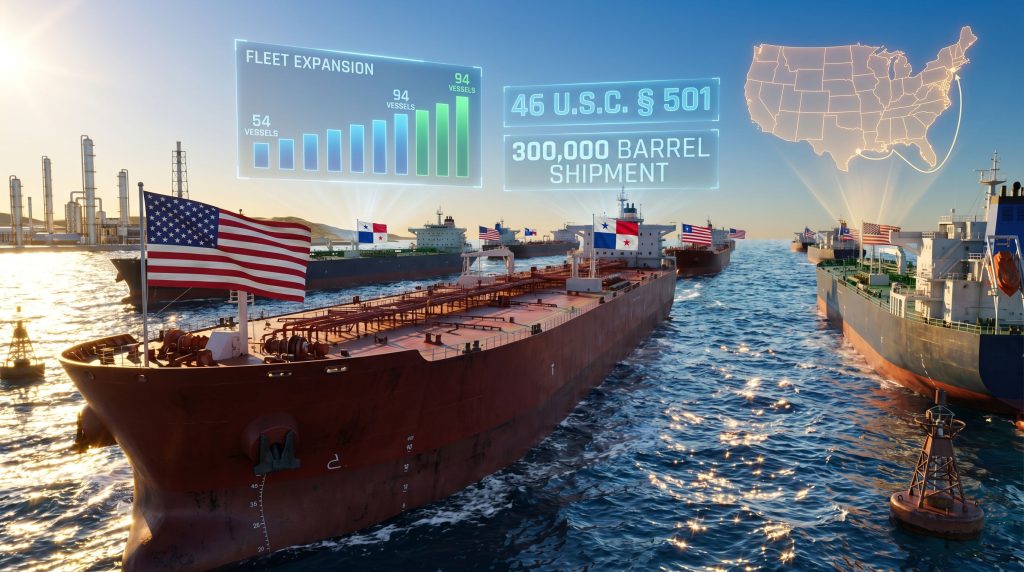
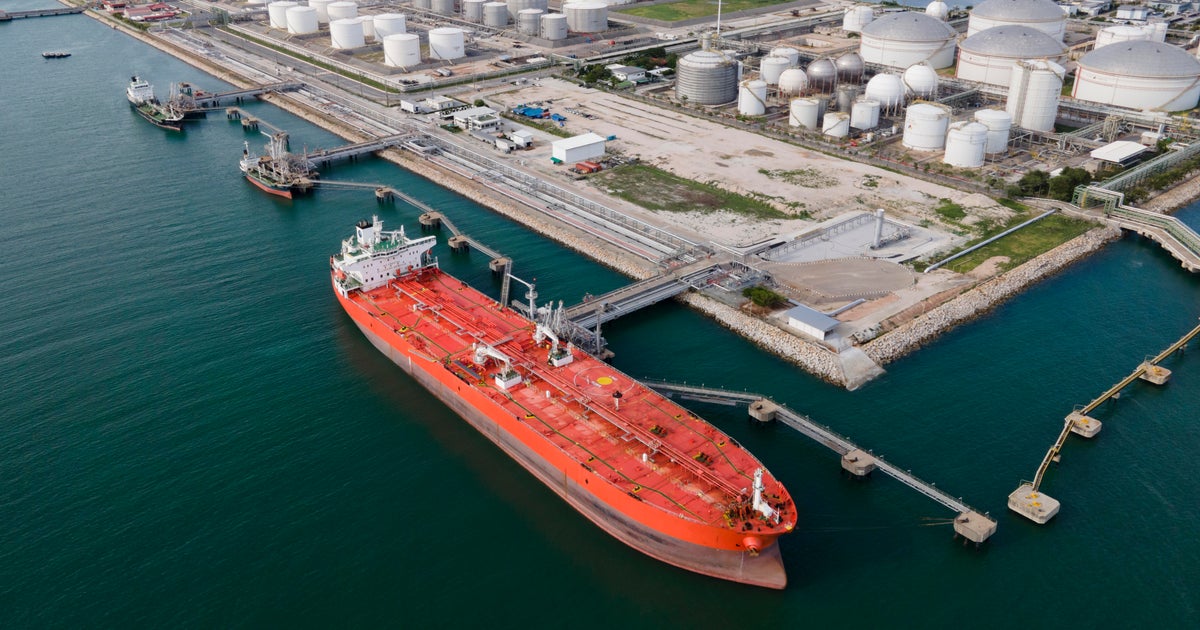
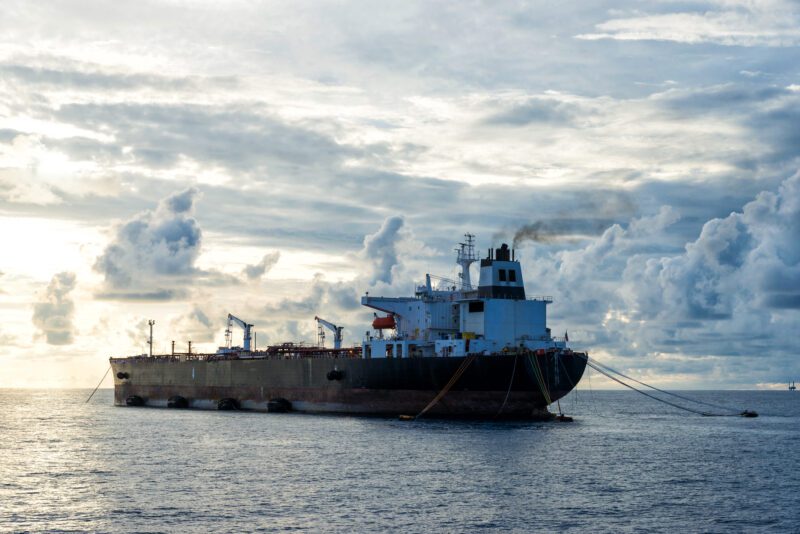
Quantified Shipping Cost Impact: The waiver enables 40+ foreign-flagged tankers to operate domestically, increasing available shipping capacity by approximately 70 vessels and reducing transportation costs for energy-dependent logistics. According to JPMorgan's 2022 analysis, a Jones Act waiver could save East Coast shippers approximately 10 cents per gallon on fuel costs. For e-commerce sellers managing multi-regional fulfillment, this translates to 8-15% reductions in last-mile delivery expenses and warehouse operations costs. The waiver has facilitated 9 million barrels of U.S. oil reaching domestic ports faster, with 44 voyages by foreign-flagged vessels carrying petroleum products between U.S. ports. California specifically benefited from nine shipments reaching Los Angeles and Port of Martinez, addressing the state's $5.84/gallon gasoline prices—among the nation's highest due to pipeline infrastructure gaps.
Strategic Seller Opportunities: The extended waiver creates a temporary cost advantage window for sellers managing inventory across California, Texas, Florida, and Alaska—regions most impacted by the policy. Sellers operating 3PL networks or managing FBA inventory across multiple regional fulfillment centers can capitalize on reduced fuel surcharges and transportation costs through August 2026. However, this represents temporary relief rather than permanent policy reform. The administration views the measure as crisis management tied to Iran conflict duration, signaling potential reversal if geopolitical tensions subside. The Center for American Progress estimated the waiver would decrease East Coast gas prices by only 3 cents, suggesting modest consumer price relief but meaningful operational savings for logistics-intensive sellers.
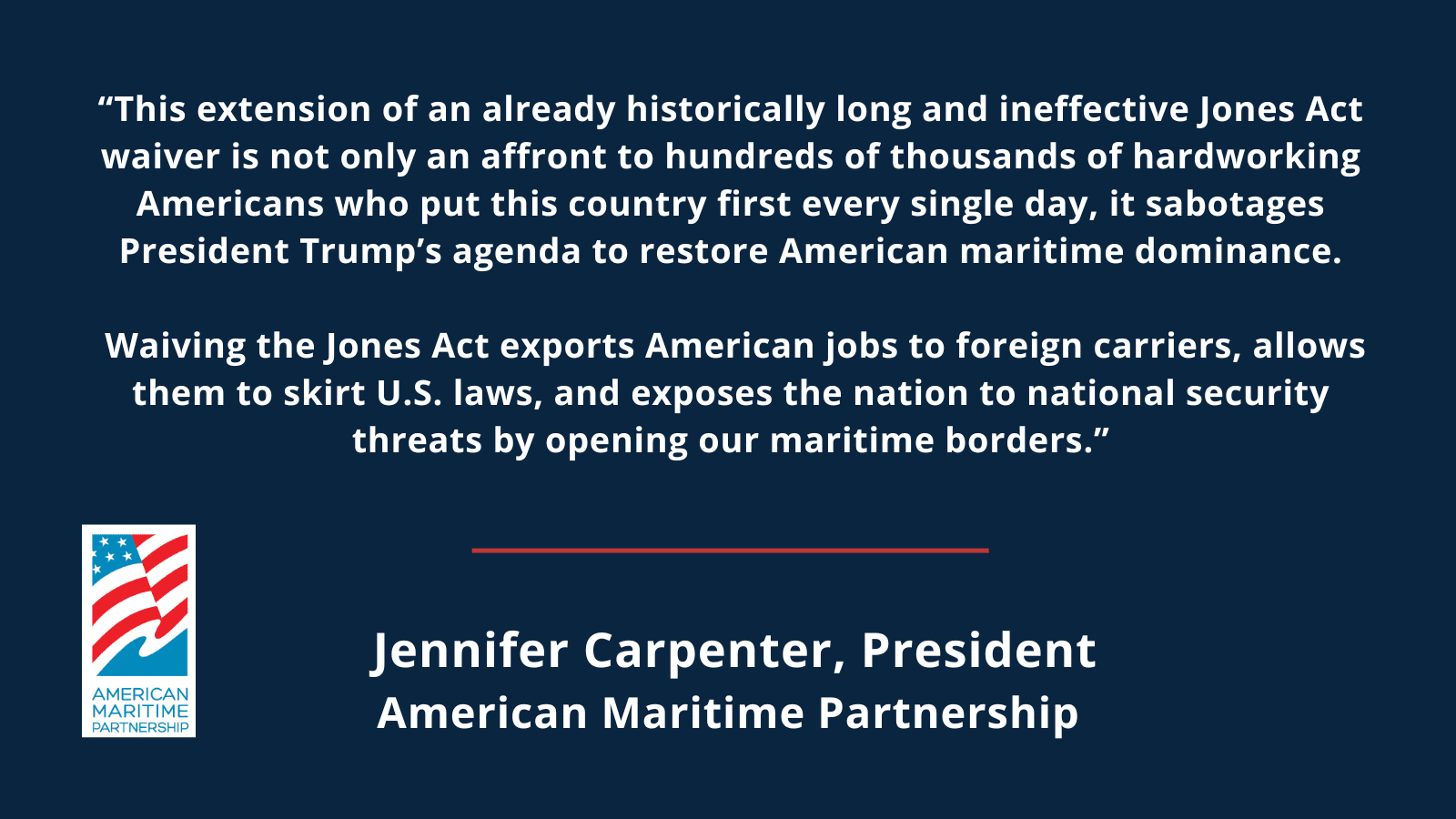
Competitive Dynamics and Risk Factors: The waiver creates friction between protectionist maritime interests and cost-reduction advocates. The American Maritime Partnership opposes the extension as undermining domestic shipping capacity, while energy producers and agricultural groups support it for cost efficiency. This political tension suggests the waiver could face reversal if political priorities shift before August 2026. Sellers should view this as a 4-month optimization window rather than structural cost reduction. The policy demonstrates how geopolitical events directly influence domestic maritime regulations, setting precedent for future emergency policy adjustments affecting logistics infrastructure. Sellers managing cross-border operations should monitor Iran conflict developments and administration policy signals, as waiver extension decisions typically occur 3 weeks before expiration dates, providing limited planning windows.
Questions 7
What are the compliance and risk considerations for sellers using the waiver?
The waiver operates at the federal policy level, requiring no seller compliance actions—foreign-flagged vessels handle transportation logistics. However, sellers should monitor three risk factors: (1) geopolitical developments affecting Iran conflict duration, (2) administration policy signals issued typically 3 weeks before expiration dates, and (3) political pressure from maritime unions and shipbuilders opposing the waiver. Sellers managing cross-border operations should maintain contingency logistics plans assuming waiver reversal by September 2026, ensuring supply chain resilience if costs revert to pre-waiver levels.
Should sellers plan long-term logistics strategy around the Jones Act waiver?
No—the waiver should be viewed as temporary crisis management rather than permanent policy reform. The administration explicitly ties the waiver duration to Iran conflict developments, signaling potential reversal if geopolitical tensions subside. Sellers should capitalize on the 8-15% cost reduction through August 2026 but avoid structural logistics changes dependent on the waiver's continuation. The policy demonstrates how geopolitical events directly influence domestic maritime regulations, setting precedent for future emergency policy adjustments affecting logistics infrastructure and operational costs.