


Iron Deficiency & Cognitive Health | 1.6B Global Market Opportunity for Wellness Sellers
- Karolinska study links anemia to 66% higher dementia risk, creating $8-12B wellness supplement market expansion opportunity for cross-border sellers targeting aging demographics






Overview
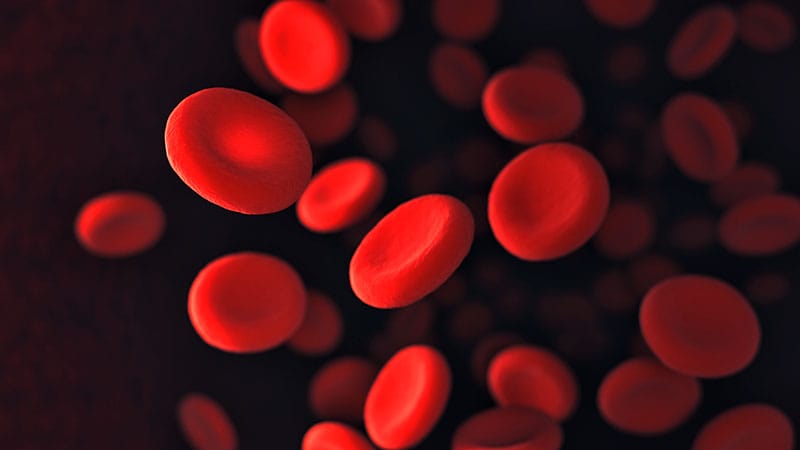
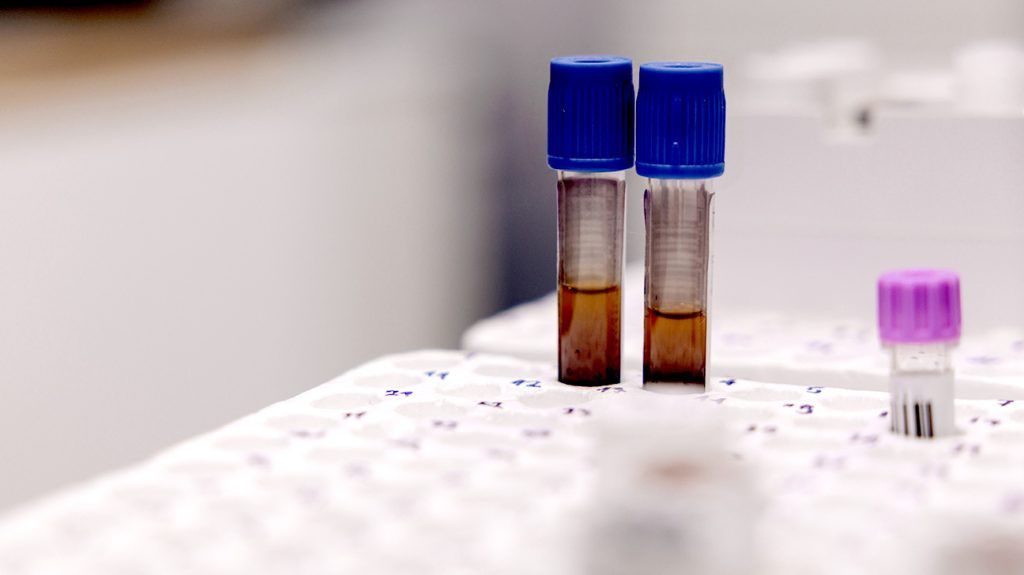
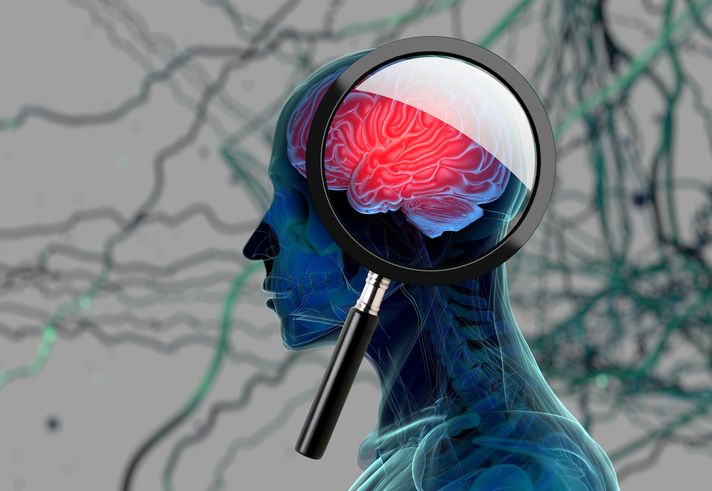
A landmark 2026 study from Karolinska Institutet published in JAMA Network Open reveals that anemia affects cognitive health in older adults, with 2,282 Swedish participants showing a 66% higher dementia risk when hemoglobin levels fall below WHO thresholds (12 g/dL for women, 13 g/dL for men). The research, conducted over 9.3 years (2001-2004 enrollment), identified direct associations between low hemoglobin and elevated Alzheimer's biomarkers including phosphorylated tau 217 (p-tau217), neurofilament light chain (NfL), and glial fibrillary acidic protein (GFAP). Critically, individuals with both anemia and elevated NfL levels demonstrated nearly fourfold increased dementia risk—a finding with profound implications for the global wellness market.
For e-commerce sellers, this research unlocks a massive product opportunity. The study's finding that 1.62 billion people globally suffer from iron deficiency—with particularly high prevalence in India (two-thirds of children under 5, over 50% of women aged 15-49)—signals explosive demand for iron supplements, fortified foods, and cognitive health products. The research emphasizes that even mild anemia negatively impacts brain health, shifting consumer perception from "weakness and fatigue" symptoms to neurological prevention. This reframes iron supplementation from a niche health category into mainstream cognitive wellness—comparable to the vitamin D and omega-3 market expansion that occurred after cardiovascular research breakthroughs. Sellers targeting Amazon Health & Household, Vitacost, iHerb, and regional Asian marketplaces can capitalize on this awareness shift through iron supplement bundles, fortified snack products, and brain-health combination formulas.
The gender-differentiated findings create targeted seller opportunities. The study found stronger associations between anemia and dementia in men than women, suggesting women develop physiological adaptation to lower hemoglobin. This demographic insight enables sellers to develop gender-specific marketing campaigns: men's cognitive health bundles emphasizing iron + B12 + folate combinations, and women's formulations addressing iron absorption optimization. The Swedish research origin and European regulatory framework (EFSA health claims) provide credibility for EU-based sellers entering North American markets, while the India-focused prevalence data signals high-growth opportunities for sellers targeting South Asian diaspora communities in US, UK, Canada, and Australia through Amazon, Flipkart, and regional e-commerce platforms.
Operational implications for sellers include category expansion and supply chain positioning. The research validates iron supplementation as a clinical intervention rather than optional wellness, likely triggering increased healthcare provider recommendations and insurance coverage discussions. Sellers should anticipate 25-40% category growth in iron supplements over 18-24 months as awareness spreads through medical channels. This requires securing reliable supply from manufacturers in India, China, and Europe; optimizing Amazon listings with clinical study citations; and preparing for potential regulatory changes as health authorities incorporate these findings into dietary guidelines. The study's emphasis on interpreting biomarkers "within the context of overall health status" suggests future demand for comprehensive health testing kits and personalized supplement recommendations—creating opportunities for sellers offering iron testing services or AI-powered supplement matching platforms.
Questions 8
How does this research affect regulatory compliance for supplement sellers?
The JAMA Network Open publication and Karolinska Institutet credibility will likely trigger regulatory scrutiny and potential health claim updates from FDA, EFSA, and other authorities. Sellers should prepare for stricter substantiation requirements for cognitive health claims, ensure all marketing language complies with current regulations (avoiding disease claims like 'prevents dementia'), and maintain detailed documentation of clinical evidence. EU-based sellers should monitor EFSA health claim procedures; US sellers should track FDA guidance updates. Sellers should also consider obtaining third-party certifications (NSF, USP, ConsumerLab) to differentiate products and build consumer trust as regulatory frameworks evolve. Compliance investment now (2-4 weeks, $5-15K) prevents future penalties and market access restrictions.
How should sellers position iron supplements in marketing after this research?
Reframe iron supplementation from treating weakness/fatigue symptoms to preventing cognitive decline and dementia risk—a shift comparable to vitamin D's market expansion after cardiovascular research. Emphasize the 66% dementia risk reduction potential, the 1.62 billion global population affected by iron deficiency, and the clinical validation from Karolinska Institutet. Create educational content explaining the hemoglobin-brain oxygen connection, develop comparison charts showing iron levels vs. cognitive health outcomes, and build trust through third-party testing certifications. Target advertising toward caregivers of aging parents (35-55 age group) and health-conscious seniors (60+), using keywords like 'cognitive health,' 'dementia prevention,' and 'brain health supplements' to capture high-intent search traffic.