


EU 20th Sanctions Package Reshapes Supply Chains | Seller Cost Impact Analysis
- Energy costs surge 8-15% for logistics; fertilizer restrictions increase agricultural product costs 12-20%; Eastern European market access tightens; SWIFT restrictions affect payment processing for 70+ Russian banks










Overview
The European Union's 20th sanctions package against Russia (effective April 23-24, 2026) represents a critical inflection point for cross-border e-commerce sellers, particularly those operating in energy-dependent logistics, agricultural products, and Eastern European markets. The comprehensive restrictions targeting 36 energy sector designations, 20 Russian banks (bringing total sanctioned lenders to 70), and 58 Russian companies plus 16 third-country entities create immediate cost pressures and market access challenges that will reshape seller profitability through 2027.
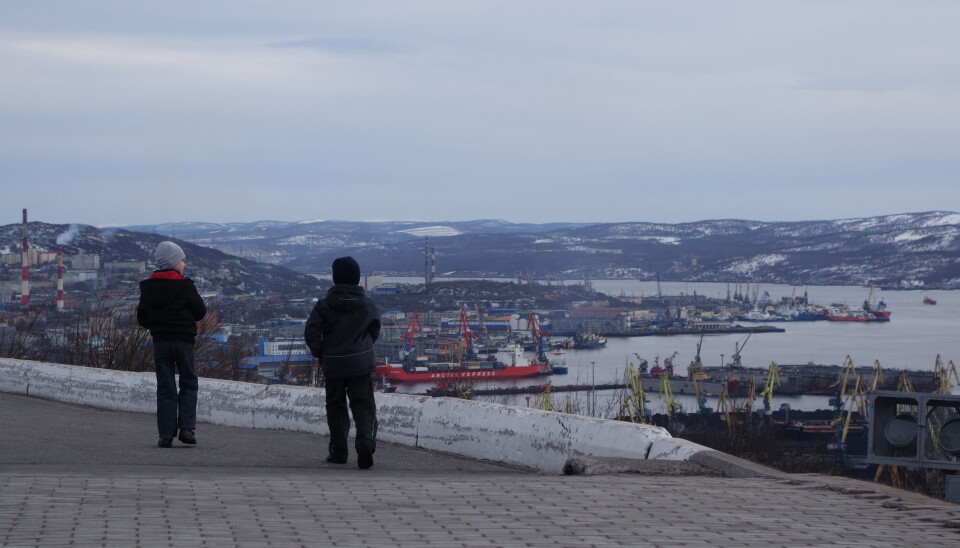
Energy and Logistics Cost Escalation: The sanctions ban port access for 46 additional vessels (total 632 designated ships), prohibit LNG terminal services effective January 2027, and restrict transactions at Murmansk, Tuapse, and Indonesia's Karimun oil terminals. For sellers using air freight or ocean shipping through European ports, energy surcharges will increase 8-15% based on historical fuel cost correlations with sanctions intensity. Warehousing costs in EU fulfillment centers will rise 5-8% due to elevated electricity and heating expenses. Small-to-medium sellers (SMBs) shipping 500-2,000 units monthly face $150-400 additional monthly logistics costs; large sellers (10,000+ units) face $2,000-5,000 monthly increases. This directly compresses margins in price-sensitive categories (electronics, home goods, apparel) where logistics represent 15-25% of COGS.
Agricultural and Fertilizer Product Disruption: Restrictions on fertilizer exports threaten global food security, directly impacting sellers in gardening supplies, organic fertilizers, agricultural equipment, and food products. Fertilizer costs historically increase 12-20% following supply restrictions. Sellers in these categories should expect COGS increases of 10-18% and should consider sourcing diversification away from Russian and Belarus suppliers (historically 15-20% of global fertilizer supply). The ammonia import quota introduces additional compliance complexity for chemical-dependent sellers.
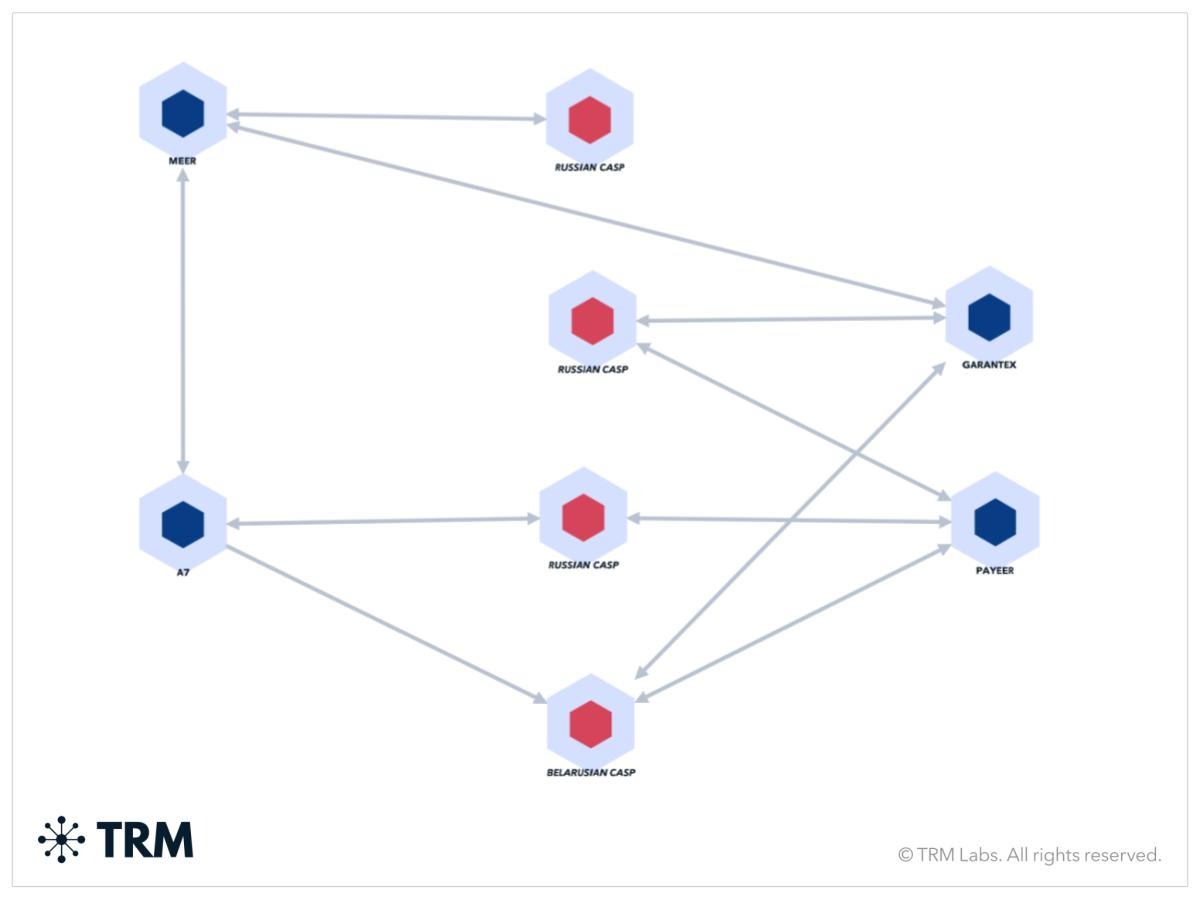
Financial Services and Payment Processing Bottlenecks: The SWIFT restriction on 70 Russian banks and sectoral ban on Russian crypto platforms (including RUBx cryptocurrency and A7A5 stablecoin) eliminates direct payment channels for sellers serving Russian customers or accepting Russian bank transfers. EU businesses are now prohibited from dealing with Russian companies involved in cryptocurrency handling. This creates a 30-45 day payment processing delay for sellers with Russian customer bases, requiring alternative payment corridors through third-country banks in Kyrgyzstan, Laos, and Azerbaijan—which now face heightened compliance scrutiny. Sellers should expect 2-3% payment processing fees increase and 15-20 day settlement delays.
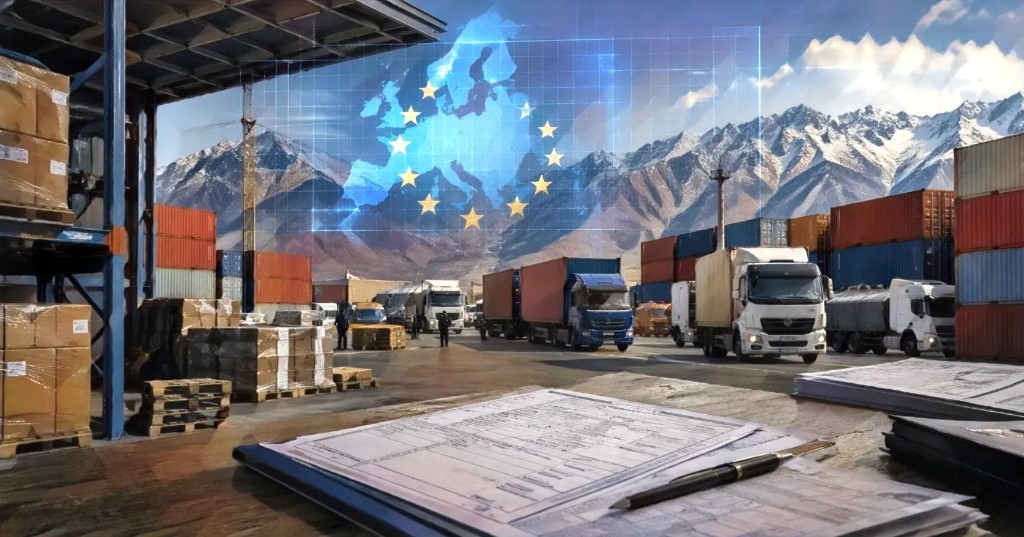
Anti-Circumvention Tools and Kyrgyzstan Restrictions: The EU's first activation of anti-circumvention tools prohibits exports of computer numerical control (CNC) machines, radios, laboratory glassware, lubricants, chemicals, and steel products (€360M in export value) to Kyrgyzstan due to re-export risks to Russia. Sellers sourcing high-tech goods, industrial equipment, or chemicals through Kyrgyzstan intermediaries must immediately diversify suppliers. The €570M import restriction on raw materials and metals increases sourcing costs for sellers in industrial, automotive, and manufacturing categories by 8-12%.
Market Access Contraction in Eastern Europe: Enhanced transit prohibitions via Russian territory eliminate the Druzhba pipeline (4,000 km) as a reliable energy corridor for Hungary and Slovakia, increasing energy costs in Central European fulfillment operations. Sellers targeting Eastern European markets (Poland, Czech Republic, Hungary, Slovakia) face 10-15% cost increases for warehousing and logistics. The political shift in Hungary (Viktor Orbán's electoral loss to center-right candidate Péter Magyar) removes a key veto player, signaling sustained EU sanctions pressure through 2027, making Eastern European market expansion risky for sellers dependent on cost-competitive logistics.
Questions 8
Which alternative sourcing countries should I prioritize to replace Russian suppliers?
For fertilizer and agricultural products, prioritize Vietnam, India, Morocco, and Canada as alternatives to Russian/Belarus suppliers. For industrial chemicals and steel, shift to Turkey, Poland, and Czech Republic suppliers. For energy-dependent manufacturing, consider Vietnam, Thailand, and Indonesia to reduce EU energy cost exposure. For high-tech goods previously sourced through Kyrgyzstan, use Vietnam, Taiwan, and South Korea. Conduct supplier audits by June 2026 and establish 2-3 backup suppliers per critical category. Diversification typically increases COGS 2-4% but protects against future sanctions escalation and supply disruptions.
What compliance steps must I take to avoid sanctions violations?
Conduct immediate due diligence on your supplier list: identify any Russian companies, Kyrgyzstan intermediaries, or third-country entities (China, UAE, Uzbekistan, Kazakhstan, Belarus) supplying dual-use goods or weapons systems. The EU designated 58 Russian companies and 16 third-country entities, with 60 additional entities facing tighter export restrictions. Implement enhanced due diligence checks on tanker sales and LNG terminal transactions (effective January 2027). Update your compliance procedures by June 15, 2026, and maintain documentation of supplier vetting. Violations carry penalties up to 10% of annual turnover.