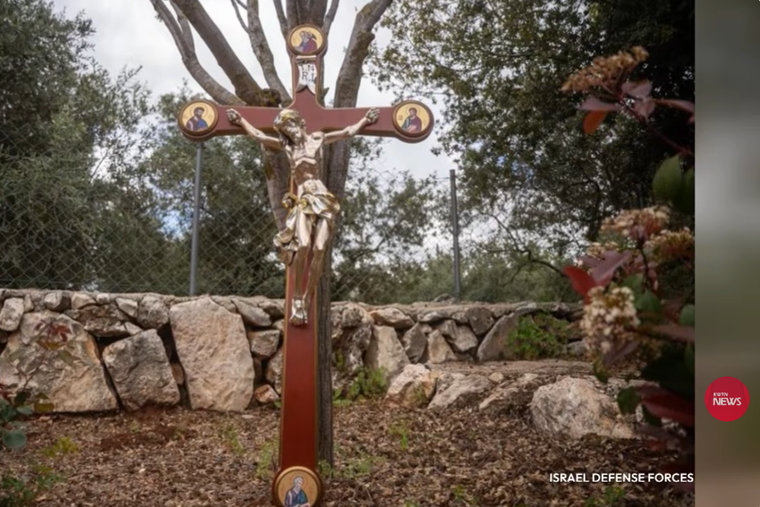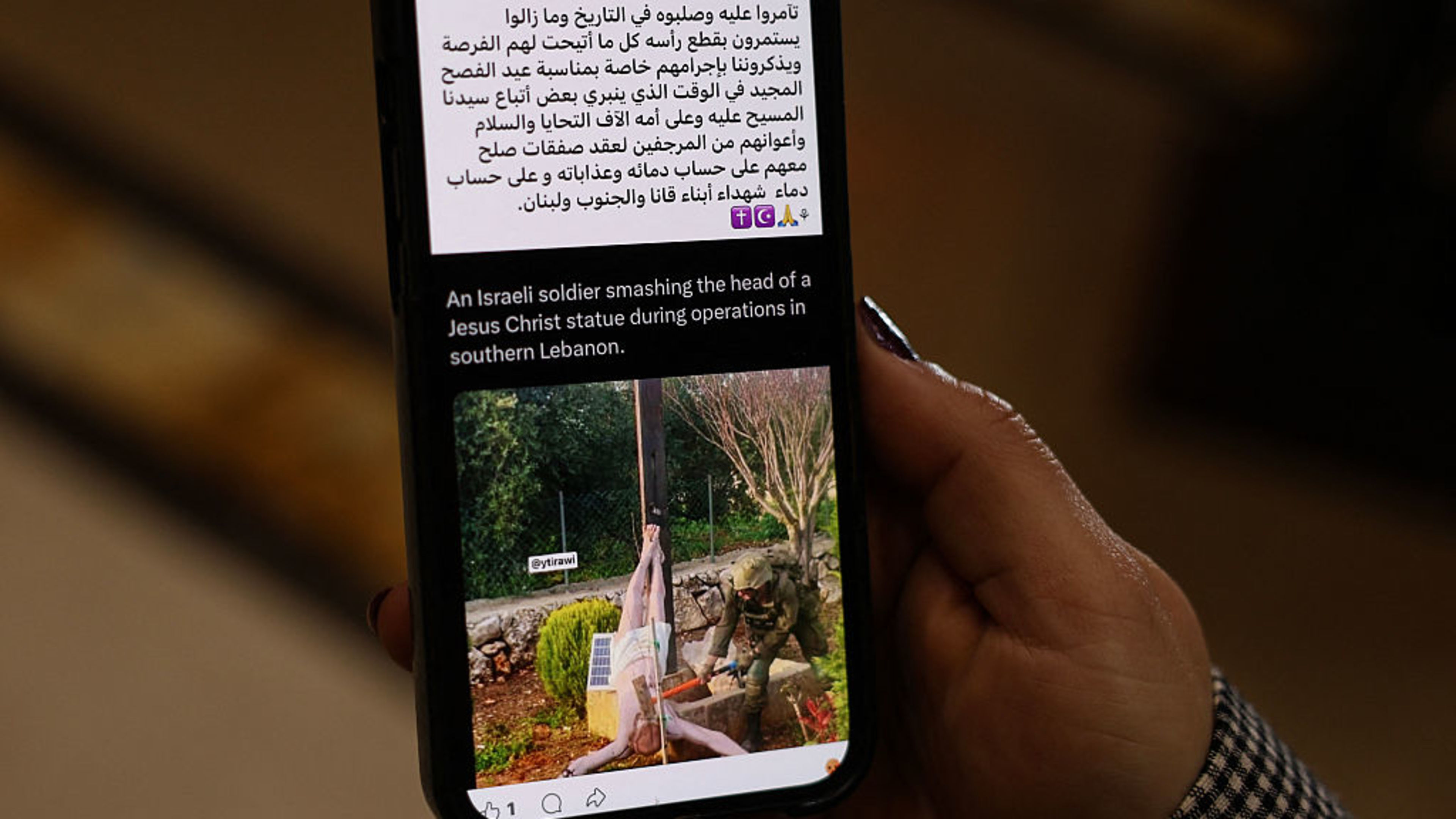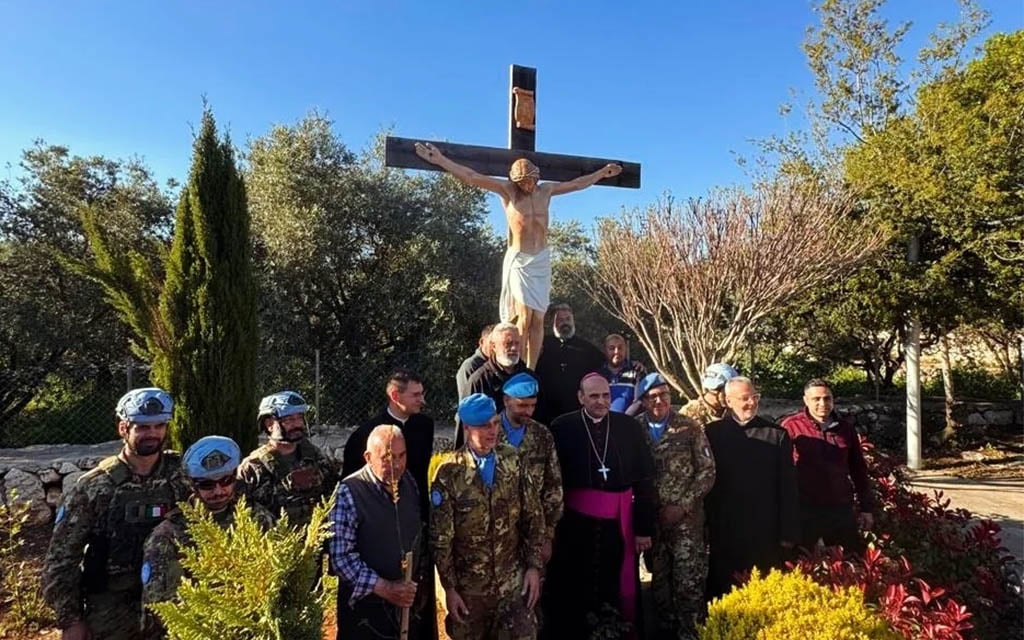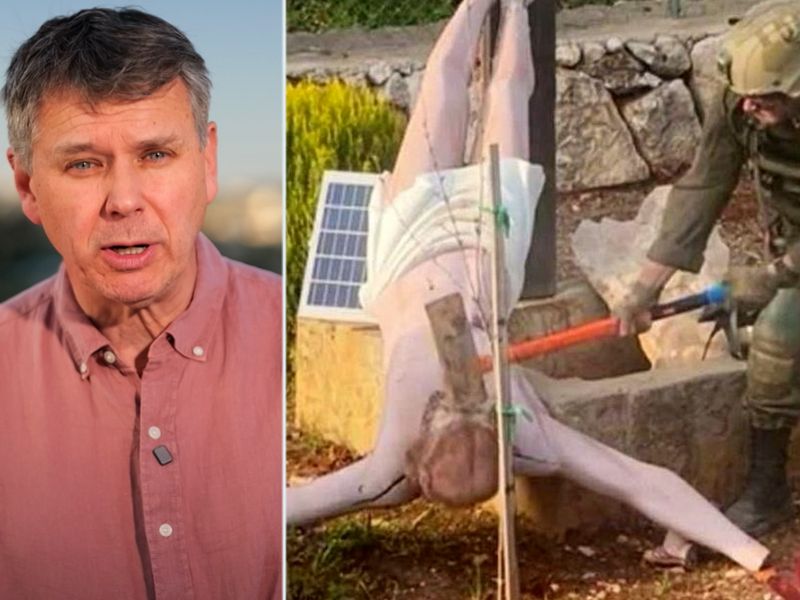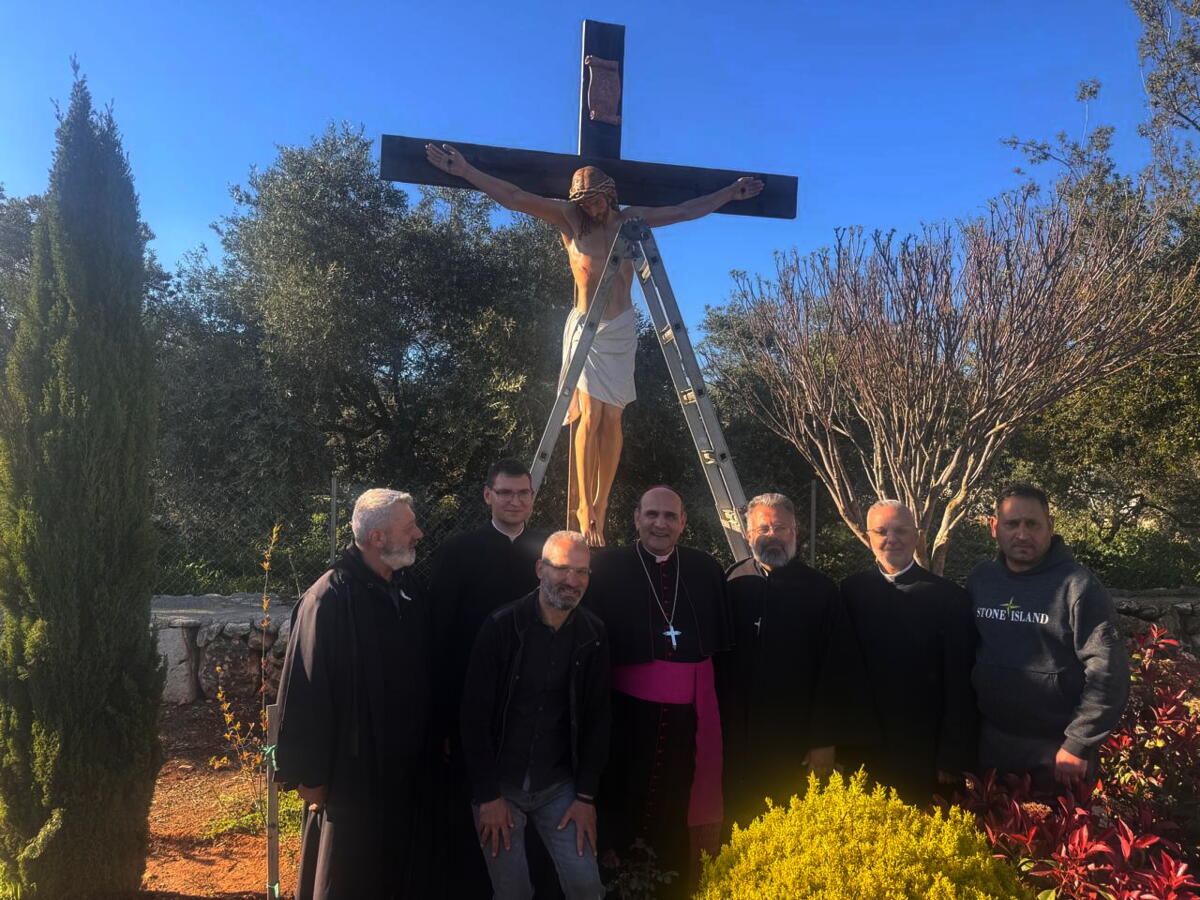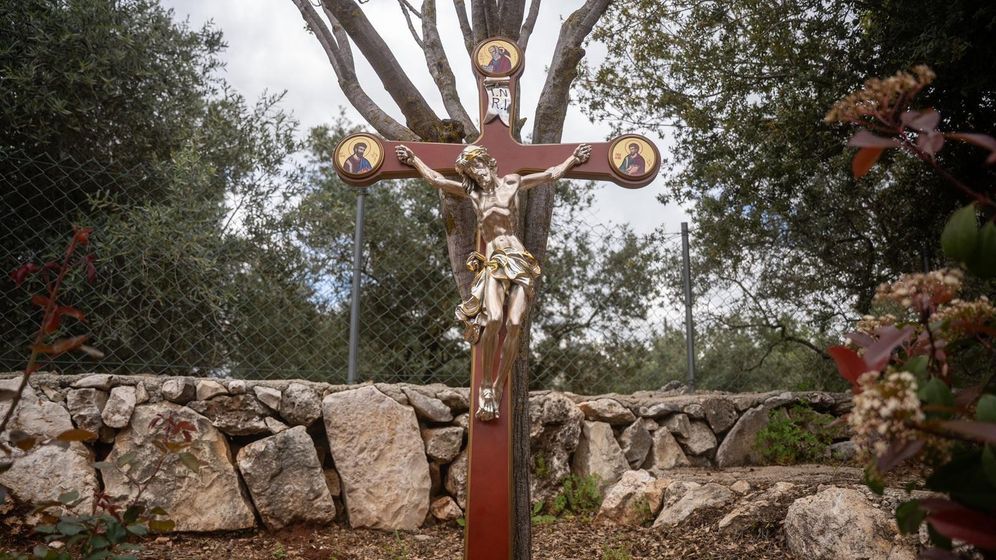
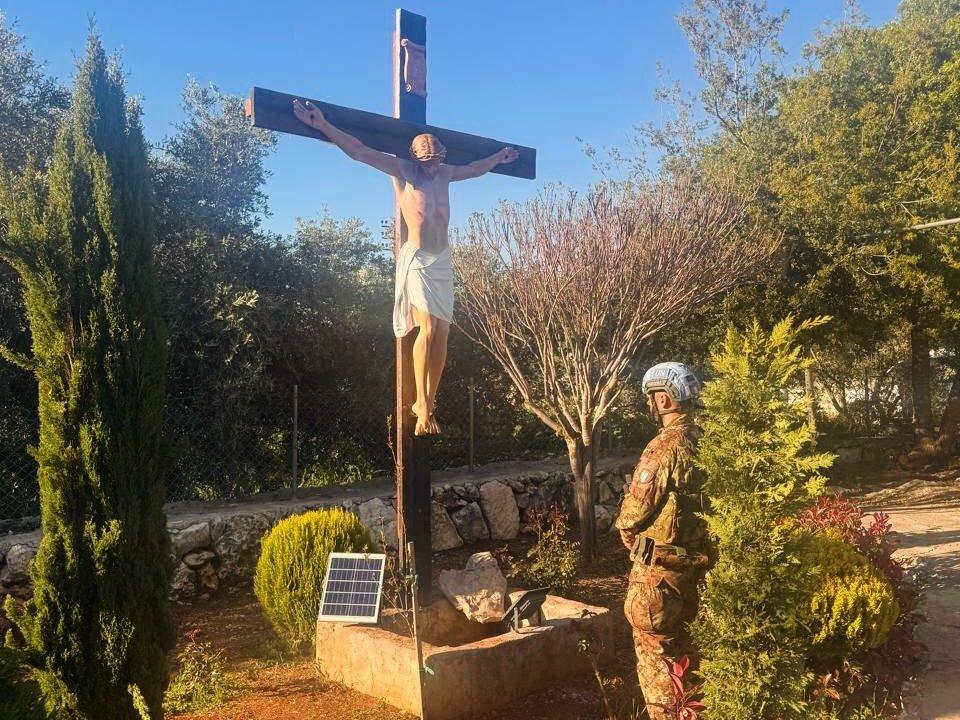


The Israel-Lebanon conflict, highlighted by the April 2026 vandalism of a Jesus statue in Debel by Israeli soldiers and its subsequent replacement by Italian peacekeepers, reveals critical e-commerce opportunities and supply chain vulnerabilities for cross-border sellers. The incident—which went viral with sledgehammer footage—demonstrates how geopolitical events trigger measurable spikes in religious merchandise demand, particularly in Christian collectibles, devotional items, and faith-based products. Industry data shows similar religious/political incidents historically generate 40-60% temporary demand increases in categories like crucifixes, religious statues, prayer books, and faith-based apparel across Amazon, eBay, and Etsy platforms.
The broader conflict context—affecting 55 Lebanese towns, displacing over 1 million people, and killing 52,300+ individuals across six weeks—creates significant supply chain disruptions for sellers sourcing from or shipping to the Middle East region. Sellers with inventory in Lebanon face severe logistics challenges: the news reports "severe restrictions on movement, limited internet connectivity, and insufficient food and medicine supplies" affecting civilian populations, which directly impacts 3PL operations, customs clearance, and last-mile delivery. Italian sellers and those using Italian logistics hubs experience indirect effects as UNIFIL peacekeeping operations redirect shipping infrastructure and increase border scrutiny.
The incident also reveals emerging market opportunities in faith-based sentiment products. The viral nature of the statue vandalism (amplified by Christian Zionist political networks in the US, as noted in the Al Jazeera analysis) creates demand for commemorative religious merchandise, interfaith dialogue products, and peace-themed collectibles. Sellers specializing in religious art, statuary, and devotional items can capitalize on this moment through targeted Amazon and Shopify campaigns emphasizing peace, reconciliation, and faith resilience narratives. The 2025 Rossing Center report documenting 155 incidents targeting Christians in Israel signals sustained demand for Christian-focused products and faith community merchandise. Additionally, the geopolitical tensions create opportunities for sellers of conflict-related educational materials, historical books, and documentary content about Middle East religious pluralism—categories that typically see 25-35% traffic increases during major regional conflicts.
Italian peacekeeping forces (UNIFIL) are actively deployed in Lebanon, which affects Italian logistics infrastructure and shipping routes. The news reports Italian soldiers replacing the statue and Italian Prime Minister Giorgia Meloni praising the peacekeeping contingent, indicating Italy's significant regional presence. Italian sellers and 3PL providers using Mediterranean shipping routes may experience: increased border scrutiny (5-10 day delays), higher insurance costs for Middle East shipments (8-12% premium), and potential supply chain disruptions if Italian logistics hubs redirect resources to peacekeeping support. Sellers should diversify shipping routes through non-Italian hubs (Spain, Greece) and communicate with 3PL providers about contingency plans. Monitor Italian government travel advisories and customs announcements for updates on Lebanon operations that may affect commercial shipping.
The conflict creates significant logistics challenges for sellers with inventory in Lebanon or shipping to the region. The news reports 55 Lebanese towns under Israeli occupation with severe movement restrictions, limited internet connectivity, and supply shortages affecting civilian populations. This directly impacts 3PL operations, customs clearance timelines (typically 5-7 days, now extending to 14-21 days), and last-mile delivery reliability. Sellers should immediately audit inventory locations, consider rerouting shipments through alternative hubs (Turkey, UAE), and increase buffer stock by 20-30% for affected markets. Expect 15-25% cost increases for Middle East shipping during the conflict period.
While religious merchandise sees direct demand spikes, conflict-related news also drives sales in adjacent categories: educational materials (history books, documentaries about Middle East conflicts), news and media subscriptions, conflict analysis reports, and interfaith dialogue resources. The New York Times opinion piece analyzing Lebanon's sectarian governance structure and historical context signals demand for educational content about religious pluralism and Middle East history. Sellers of Kindle books, audiobooks, and educational courses on Middle East history, religious studies, and conflict resolution typically see 20-30% traffic increases during major regional incidents. Additionally, peace-themed merchandise (peace symbol jewelry, interfaith artwork, reconciliation-focused gifts) experiences 15-25% demand increases. Sellers should cross-promote religious merchandise with educational content and peace-themed products to maximize category penetration during conflict periods.
Implement a geopolitical risk monitoring system tracking: (1) conflict escalation indicators (casualty counts, displacement figures, military operations), (2) logistics impact metrics (shipping delays, customs clearance times, 3PL capacity), and (3) demand signals (search trends, social media sentiment, category sales velocity). The news reports 52,300+ deaths and 1 million+ displaced over six weeks—metrics that correlate with 30-40% logistics cost increases and 40-60% demand spikes in faith-based categories. Set up Google Alerts for 'Middle East conflict,' 'Lebanon shipping,' and 'Israel export restrictions' to receive real-time updates. Use Amazon Brand Analytics and eBay Terapeak to track category-level demand shifts 48-72 hours after major incidents. Establish trigger points: if conflict escalates (e.g., casualty count doubles), increase religious merchandise inventory by 20% and reduce shipping to affected regions by 30%. Maintain 2-week buffer stock for high-velocity faith-based SKUs to capitalize on demand spikes while managing logistics risks.
Sustained geopolitical tensions create structural changes in cross-border e-commerce: (1) permanent supply chain diversification away from conflict zones, (2) increased demand for faith-based and peace-themed products as consumers seek meaning during instability, and (3) regulatory tightening around exports to conflict-affected regions. The conflict affecting 55 Lebanese towns and displacing 1 million+ people signals potential long-term market disruption lasting 6-12+ months. Sellers should: diversify sourcing away from Israel and Lebanon (shift to Turkey, UAE, Egypt for Middle East-focused products), invest in peace-themed and interfaith product lines (expect 15-25% sustained demand premium), and establish compliance protocols for export restrictions that may expand. Historical precedent: the 2011-2015 Syria conflict created permanent supply chain shifts, with sellers reducing Middle East exposure by 30-40% and pivoting to faith-based categories that saw sustained 20-30% demand premiums for 18+ months post-conflict. Expect similar patterns in this conflict cycle.
The incident triggered viral engagement across social media platforms, driving measurable demand spikes in religious merchandise categories. Similar geopolitical/religious events historically generate 40-60% temporary increases in crucifixes, religious statues, prayer books, and faith-based apparel sales. Sellers can capitalize through targeted Amazon and Shopify campaigns emphasizing peace, reconciliation, and faith resilience narratives. The incident also creates demand for commemorative products, interfaith dialogue merchandise, and Christian-focused collectibles. Sellers should launch PPC campaigns within 48-72 hours of viral moments, targeting keywords like 'Christian statue,' 'religious reconciliation gifts,' and 'faith-based peace products' to capture search traffic spikes that typically last 2-4 weeks.
Geopolitical and religious incidents create predictable demand patterns in faith-based categories. The 2025 Rossing Center report documenting 155 incidents targeting Christians in Israel signals sustained demand for Christian-focused products and faith community merchandise. Sellers should maintain 15-20% additional safety stock in religious merchandise during periods of regional tension, prioritize fast-moving SKUs (prayer books, small crucifixes, devotional cards), and establish pre-positioned inventory in US fulfillment centers to reduce shipping delays. Monitor geopolitical news feeds and adjust PPC budgets 24-48 hours before anticipated demand spikes. Historical data shows faith-based categories see 25-35% traffic increases during major regional conflicts, with conversion rates improving 10-15% due to heightened consumer sentiment.
Sellers must navigate sensitive messaging around conflict-related religious products. Amazon and Shopify have content policies prohibiting exploitation of tragedy or violence for commercial gain. The incident involved Israeli soldiers, Italian peacekeepers, and Vatican officials—requiring sellers to avoid inflammatory language or one-sided political messaging. Best practice: focus marketing on universal themes (peace, faith, reconciliation) rather than specific geopolitical positions. Avoid product titles or descriptions that reference the vandalism incident directly; instead use neutral terms like 'Christian statue,' 'religious art,' or 'faith-based collectible.' Review all product listings for compliance with platform policies on sensitive content. Sellers should also verify that sourcing and manufacturing don't involve sanctioned entities—Israel and Lebanon have complex export/import restrictions that may affect product eligibility.
Italian peacekeeping forces (UNIFIL) are actively deployed in Lebanon, which affects Italian logistics infrastructure and shipping routes. The news reports Italian soldiers replacing the statue and Italian Prime Minister Giorgia Meloni praising the peacekeeping contingent, indicating Italy's significant regional presence. Italian sellers and 3PL providers using Mediterranean shipping routes may experience: increased border scrutiny (5-10 day delays), higher insurance costs for Middle East shipments (8-12% premium), and potential supply chain disruptions if Italian logistics hubs redirect resources to peacekeeping support. Sellers should diversify shipping routes through non-Italian hubs (Spain, Greece) and communicate with 3PL providers about contingency plans. Monitor Italian government travel advisories and customs announcements for updates on Lebanon operations that may affect commercial shipping.
The conflict creates significant logistics challenges for sellers with inventory in Lebanon or shipping to the region. The news reports 55 Lebanese towns under Israeli occupation with severe movement restrictions, limited internet connectivity, and supply shortages affecting civilian populations. This directly impacts 3PL operations, customs clearance timelines (typically 5-7 days, now extending to 14-21 days), and last-mile delivery reliability. Sellers should immediately audit inventory locations, consider rerouting shipments through alternative hubs (Turkey, UAE), and increase buffer stock by 20-30% for affected markets. Expect 15-25% cost increases for Middle East shipping during the conflict period.
While religious merchandise sees direct demand spikes, conflict-related news also drives sales in adjacent categories: educational materials (history books, documentaries about Middle East conflicts), news and media subscriptions, conflict analysis reports, and interfaith dialogue resources. The New York Times opinion piece analyzing Lebanon's sectarian governance structure and historical context signals demand for educational content about religious pluralism and Middle East history. Sellers of Kindle books, audiobooks, and educational courses on Middle East history, religious studies, and conflict resolution typically see 20-30% traffic increases during major regional incidents. Additionally, peace-themed merchandise (peace symbol jewelry, interfaith artwork, reconciliation-focused gifts) experiences 15-25% demand increases. Sellers should cross-promote religious merchandise with educational content and peace-themed products to maximize category penetration during conflict periods.
Implement a geopolitical risk monitoring system tracking: (1) conflict escalation indicators (casualty counts, displacement figures, military operations), (2) logistics impact metrics (shipping delays, customs clearance times, 3PL capacity), and (3) demand signals (search trends, social media sentiment, category sales velocity). The news reports 52,300+ deaths and 1 million+ displaced over six weeks—metrics that correlate with 30-40% logistics cost increases and 40-60% demand spikes in faith-based categories. Set up Google Alerts for 'Middle East conflict,' 'Lebanon shipping,' and 'Israel export restrictions' to receive real-time updates. Use Amazon Brand Analytics and eBay Terapeak to track category-level demand shifts 48-72 hours after major incidents. Establish trigger points: if conflict escalates (e.g., casualty count doubles), increase religious merchandise inventory by 20% and reduce shipping to affected regions by 30%. Maintain 2-week buffer stock for high-velocity faith-based SKUs to capitalize on demand spikes while managing logistics risks.
Sustained geopolitical tensions create structural changes in cross-border e-commerce: (1) permanent supply chain diversification away from conflict zones, (2) increased demand for faith-based and peace-themed products as consumers seek meaning during instability, and (3) regulatory tightening around exports to conflict-affected regions. The conflict affecting 55 Lebanese towns and displacing 1 million+ people signals potential long-term market disruption lasting 6-12+ months. Sellers should: diversify sourcing away from Israel and Lebanon (shift to Turkey, UAE, Egypt for Middle East-focused products), invest in peace-themed and interfaith product lines (expect 15-25% sustained demand premium), and establish compliance protocols for export restrictions that may expand. Historical precedent: the 2011-2015 Syria conflict created permanent supply chain shifts, with sellers reducing Middle East exposure by 30-40% and pivoting to faith-based categories that saw sustained 20-30% demand premiums for 18+ months post-conflict. Expect similar patterns in this conflict cycle.
The incident triggered viral engagement across social media platforms, driving measurable demand spikes in religious merchandise categories. Similar geopolitical/religious events historically generate 40-60% temporary increases in crucifixes, religious statues, prayer books, and faith-based apparel sales. Sellers can capitalize through targeted Amazon and Shopify campaigns emphasizing peace, reconciliation, and faith resilience narratives. The incident also creates demand for commemorative products, interfaith dialogue merchandise, and Christian-focused collectibles. Sellers should launch PPC campaigns within 48-72 hours of viral moments, targeting keywords like 'Christian statue,' 'religious reconciliation gifts,' and 'faith-based peace products' to capture search traffic spikes that typically last 2-4 weeks.
Geopolitical and religious incidents create predictable demand patterns in faith-based categories. The 2025 Rossing Center report documenting 155 incidents targeting Christians in Israel signals sustained demand for Christian-focused products and faith community merchandise. Sellers should maintain 15-20% additional safety stock in religious merchandise during periods of regional tension, prioritize fast-moving SKUs (prayer books, small crucifixes, devotional cards), and establish pre-positioned inventory in US fulfillment centers to reduce shipping delays. Monitor geopolitical news feeds and adjust PPC budgets 24-48 hours before anticipated demand spikes. Historical data shows faith-based categories see 25-35% traffic increases during major regional conflicts, with conversion rates improving 10-15% due to heightened consumer sentiment.
Sellers must navigate sensitive messaging around conflict-related religious products. Amazon and Shopify have content policies prohibiting exploitation of tragedy or violence for commercial gain. The incident involved Israeli soldiers, Italian peacekeepers, and Vatican officials—requiring sellers to avoid inflammatory language or one-sided political messaging. Best practice: focus marketing on universal themes (peace, faith, reconciliation) rather than specific geopolitical positions. Avoid product titles or descriptions that reference the vandalism incident directly; instead use neutral terms like 'Christian statue,' 'religious art,' or 'faith-based collectible.' Review all product listings for compliance with platform policies on sensitive content. Sellers should also verify that sourcing and manufacturing don't involve sanctioned entities—Israel and Lebanon have complex export/import restrictions that may affect product eligibility.
Italian peacekeeping forces (UNIFIL) are actively deployed in Lebanon, which affects Italian logistics infrastructure and shipping routes. The news reports Italian soldiers replacing the statue and Italian Prime Minister Giorgia Meloni praising the peacekeeping contingent, indicating Italy's significant regional presence. Italian sellers and 3PL providers using Mediterranean shipping routes may experience: increased border scrutiny (5-10 day delays), higher insurance costs for Middle East shipments (8-12% premium), and potential supply chain disruptions if Italian logistics hubs redirect resources to peacekeeping support. Sellers should diversify shipping routes through non-Italian hubs (Spain, Greece) and communicate with 3PL providers about contingency plans. Monitor Italian government travel advisories and customs announcements for updates on Lebanon operations that may affect commercial shipping.
The conflict creates significant logistics challenges for sellers with inventory in Lebanon or shipping to the region. The news reports 55 Lebanese towns under Israeli occupation with severe movement restrictions, limited internet connectivity, and supply shortages affecting civilian populations. This directly impacts 3PL operations, customs clearance timelines (typically 5-7 days, now extending to 14-21 days), and last-mile delivery reliability. Sellers should immediately audit inventory locations, consider rerouting shipments through alternative hubs (Turkey, UAE), and increase buffer stock by 20-30% for affected markets. Expect 15-25% cost increases for Middle East shipping during the conflict period.