



Weather Prediction Markets Expose Infrastructure Vulnerabilities | Supply Chain Risk Management Opportunity
- Polymarket weather betting fraud reveals €1.4M+ manipulation risks; sellers must hedge climate-dependent logistics and inventory through prediction markets and weather derivatives









Overview
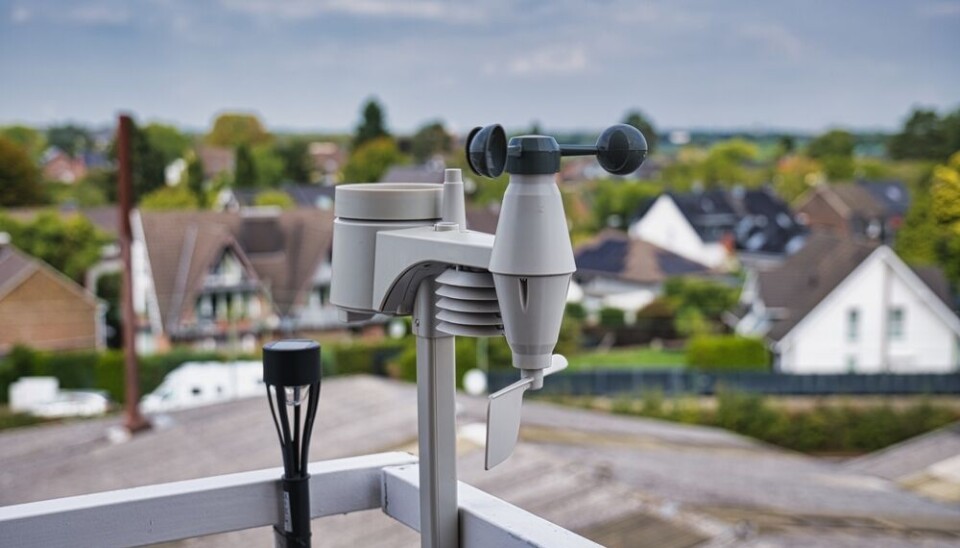
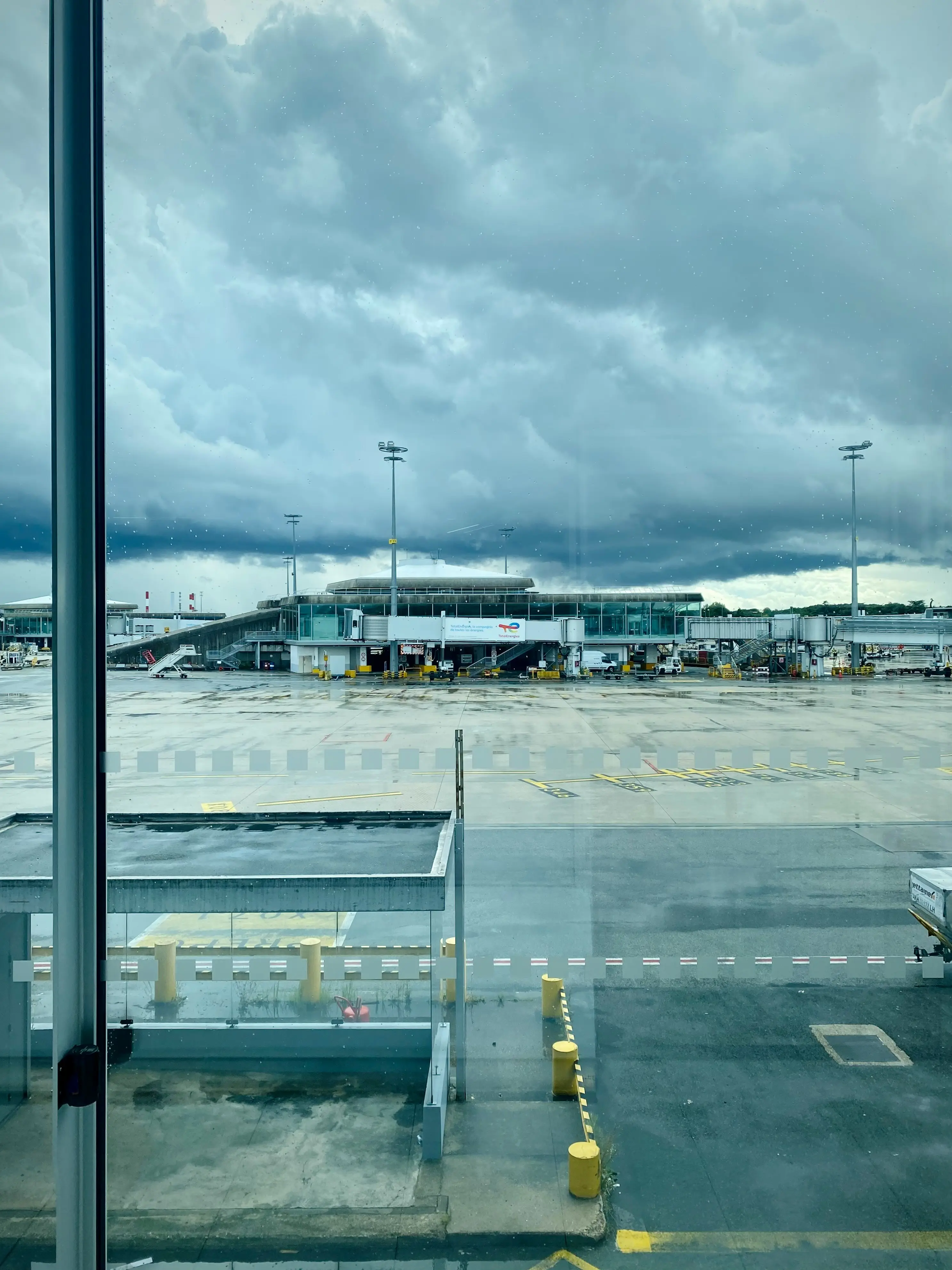
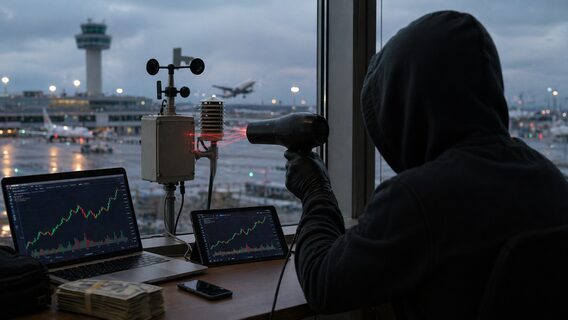
The Météo-France investigation into temperature sensor tampering at Paris Charles de Gaulle Airport—where readings spiked 6°F within seconds in April 2026, coinciding with $1.4M in Polymarket weather betting activity—exposes critical vulnerabilities in infrastructure-dependent financial markets. This incident directly impacts cross-border sellers relying on weather-sensitive logistics, inventory management, and supply chain financing.
Financial Risk Exposure for Sellers: The case demonstrates how prediction markets like Polymarket and Kalshi have become legitimate hedging instruments for supply chain professionals managing weather-dependent operations. Sellers shipping perishables, temperature-sensitive electronics, or seasonal inventory face real financial exposure when weather data—used to price shipping insurance, inventory financing, and logistics routing—becomes unreliable. The $1.4M in wagers over two days indicates prediction markets now price weather risk at scale, meaning sellers can access weather derivatives to lock in shipping costs and inventory financing rates.
Working Capital Optimization Through Weather Hedging: Cross-border sellers can immediately unlock working capital by using prediction market instruments to hedge weather-dependent cash flow volatility. For example, sellers shipping fresh produce or temperature-controlled goods to EU markets can purchase weather outcome contracts on Polymarket to offset logistics cost spikes. If a seller's shipping costs increase 15-20% during unexpected cold snaps (reducing air freight capacity), a corresponding weather prediction market position generates offsetting gains. This creates synthetic insurance without traditional insurance premiums (typically 8-12% of cargo value).
Payment Route & Financing Implications: The infrastructure vulnerability also affects payment settlement timing. Sellers using trade finance products tied to weather-dependent delivery windows face increased counterparty risk if underlying weather data is manipulated. Invoice financing platforms that price risk based on delivery timelines must now account for sensor manipulation risk at major hubs like CDG. This creates opportunities for sellers to negotiate better terms with lenders who can demonstrate weather hedging strategies—potentially reducing financing costs by 2-4% APR.
Immediate Actions: Sellers should audit which logistics partners rely on CDG and similar hub weather data for routing decisions. Implement weather derivative positions on Polymarket for high-value shipments (>$50K) to major EU markets. Review trade finance agreements to ensure weather data sources are independently verified. Consider shifting 10-15% of temperature-sensitive inventory to alternative routing through less-monitored hubs to reduce single-point-of-failure exposure.
Questions 8
What immediate steps should sellers take to audit weather data dependencies?
Conduct a logistics audit identifying which shipping routes, warehouses, and financing agreements depend on CDG and similar hub weather data. Map data sources for each major trade corridor (US-EU, Asia-EU, intra-EU). Request independent weather verification from multiple sources (satellite, alternative ground sensors, weather services). For high-value shipments (>$50K), implement weather derivative positions on Polymarket to hedge cost volatility. Allocate 2-3% of logistics budget to weather hedging. Complete this audit within 30 days and update trade finance agreements within 60 days to reflect independent data verification requirements.
Can sellers profit from weather prediction market volatility related to this investigation?
Yes, sellers can execute FX-adjacent strategies by taking positions on weather outcomes that correlate with currency movements. For example, cold weather in EU typically strengthens EUR (increased heating demand, energy costs) while weakening commodity currencies. A seller can simultaneously hedge shipping costs via weather contracts while taking complementary FX positions. This creates 2-3% additional margin on large shipments. However, this requires sophisticated risk management and should only be executed for shipments >$100K. Consult with trade finance specialists before implementing weather-FX arbitrage strategies.