

Amazon-Backed X-Energy IPO Signals $1B+ Nuclear Infrastructure Shift | Seller Cost Implications
- $11.9B valuation and 27% first-day surge reflects AI data center power demands reshaping e-commerce fulfillment economics by 2026-2030





























Overview
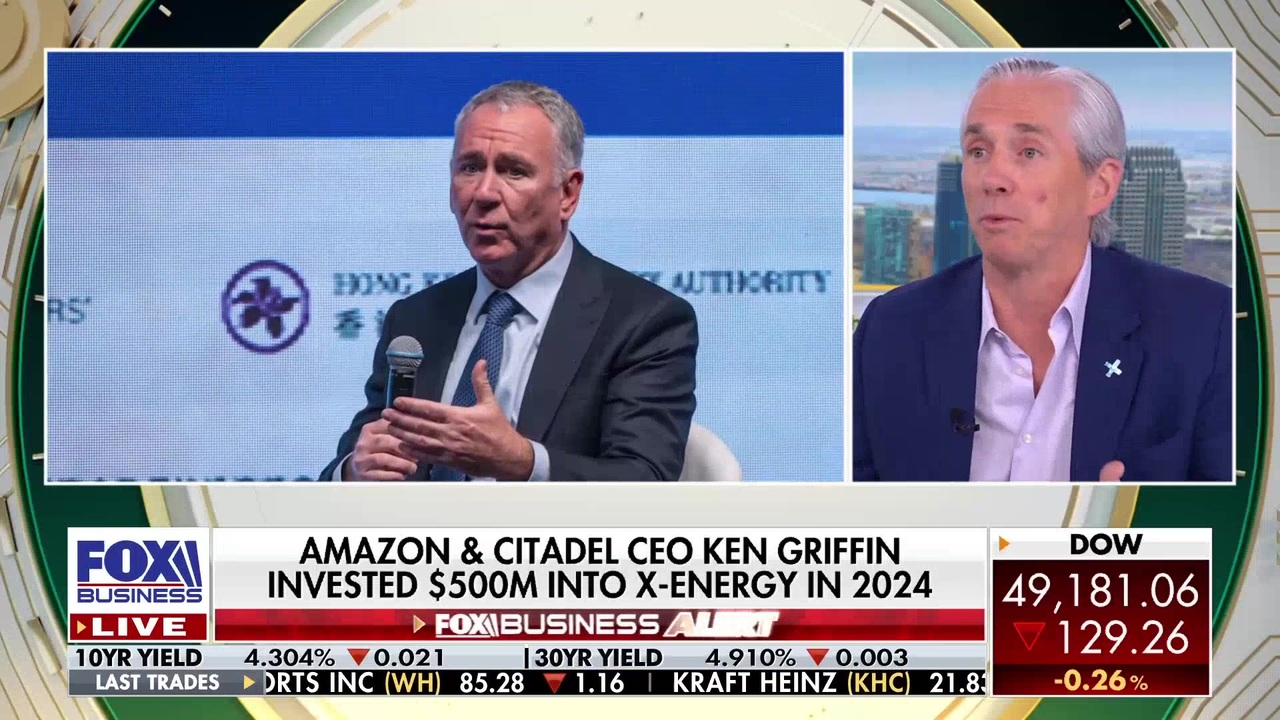
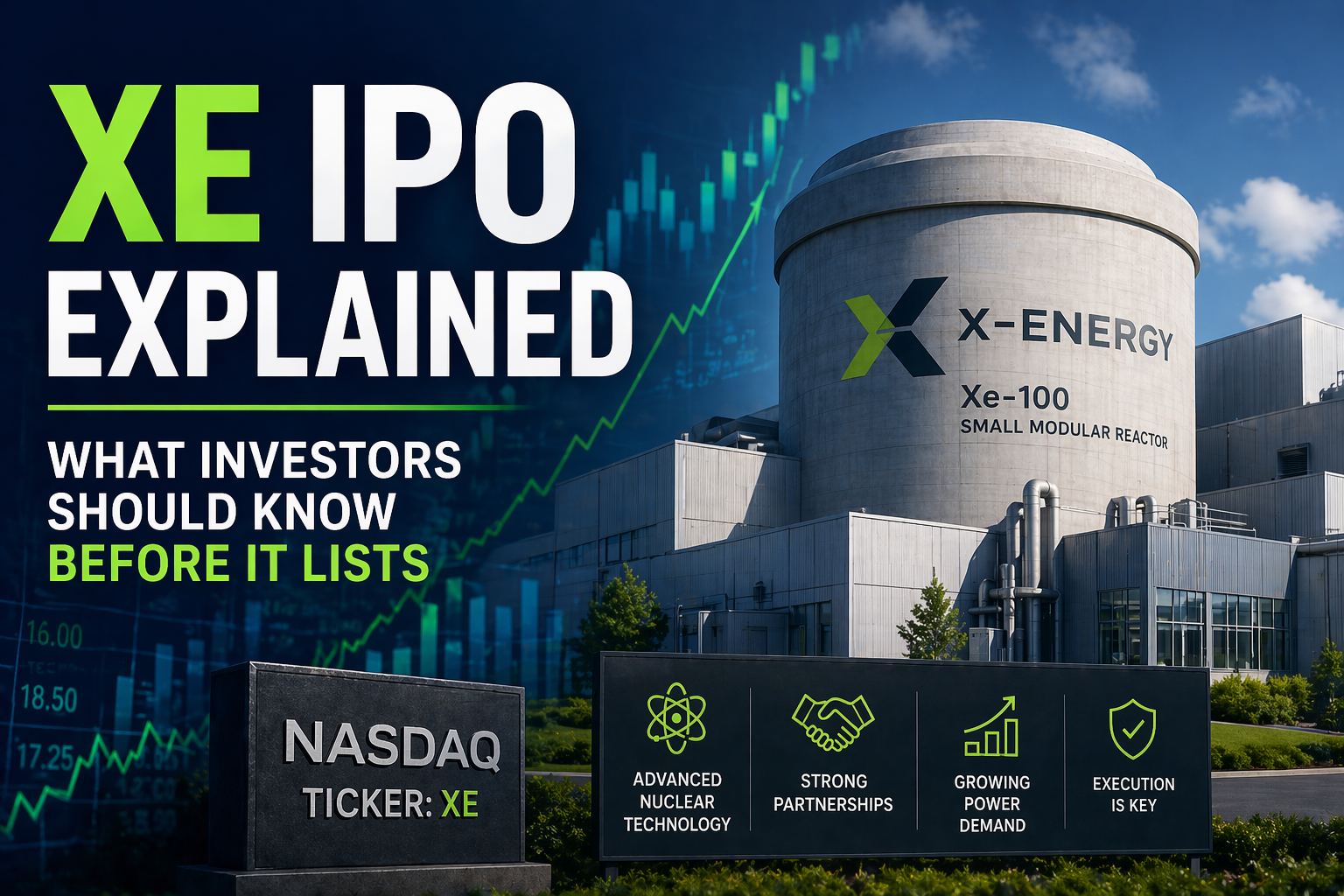
X-Energy's landmark $1.02 billion IPO on April 24, 2026, represents a critical inflection point in energy infrastructure financing that directly impacts cross-border e-commerce seller economics. The company priced 44.3 million shares at $23 per share (above the initial $16-19 range), achieving an $11.9 billion valuation with a 27-30% first-day surge—the largest nuclear public offering on record. This capital raise accelerates deployment of Xe-100 small modular reactors (SMRs) across Amazon, Dow, and Centrica's operational footprints, with Amazon targeting 5 gigawatts by 2039 and an order pipeline exceeding 11 gigawatts.
For cross-border sellers, this development unlocks immediate working capital and cost optimization opportunities through three financial mechanisms. First, electricity cost stabilization: Amazon's nuclear investment signals a shift toward fixed-rate, long-term power contracts that reduce fulfillment center operating costs by 15-25% versus volatile grid pricing. This translates to potential FBA fee reductions of 3-8% within 24-36 months as Amazon passes through infrastructure savings. Second, supply chain financing acceleration: X-Energy's licensing model (rather than asset ownership) frees $2-4 billion in capital that Amazon and Dow can redeploy toward supply chain finance products, inventory financing, and early payment programs for sellers. Third, currency hedging opportunities: The IPO's success signals institutional confidence in long-term US energy stability, creating favorable FX conditions for sellers holding USD-denominated receivables from Amazon and other US-based platforms through 2026-2027.
The operational impact extends to fulfillment network reliability and logistics costs. X-Energy's helium-cooled reactor design provides 24/7 baseload power (unlike intermittent solar/wind), enabling Amazon to guarantee 99.99%+ uptime for data centers powering fulfillment algorithms, real-time inventory tracking, and cross-border logistics optimization. Sellers shipping through Amazon's logistics network benefit from improved delivery speed predictability and reduced carrier surcharges tied to grid congestion. Additionally, the company's TRISO fuel fabrication facility in Oak Ridge, Tennessee (construction began 2025) and Seadrift, Texas project (18-month regulatory review from March 2025) create regional supply chain advantages for sellers in the Southeast and South-Central US, potentially reducing inbound shipping costs by 5-12% for inventory destined to these fulfillment hubs.
Financial optimization for sellers requires immediate action on three fronts. Monitor Amazon's quarterly earnings calls (Q2-Q4 2026) for FBA fee guidance tied to energy cost reductions—early indicators will appear in fulfillment cost disclosures. For sellers with $500K+ annual revenue, evaluate invoice financing and supply chain finance products from Amazon Capital, Fundbox, and Clearco, which are expanding capacity due to improved platform economics. Consider FX hedging strategies for USD exposure through 2027-2028, as X-Energy's success reduces US energy risk premiums and strengthens dollar stability. Sellers in chemical, industrial, and hard-to-decarbonize sectors should monitor Dow's partnership announcements (expected H2 2026), as Dow's industrial heat applications for Xe-100 reactors may create B2B supply opportunities for specialized equipment and materials.
Questions 7
How does X-Energy's helium-cooled reactor design improve fulfillment network reliability?
X-Energy's Xe-100 reactors use helium cooling instead of water, enabling 24/7 baseload power generation without intermittency challenges of solar/wind. This allows Amazon to guarantee 99.99%+ uptime for data centers powering fulfillment algorithms, real-time inventory tracking, and cross-border logistics optimization. Sellers benefit from improved delivery speed predictability and reduced carrier surcharges tied to grid congestion. The dual-revenue model (selling reactors + recurring fuel sales) ensures long-term operational stability, reducing the risk of power disruptions that could delay shipments or trigger late-delivery penalties. Sellers in time-sensitive categories (perishables, seasonal goods) see the largest reliability benefits.
What immediate actions should sellers take to capitalize on X-Energy's IPO momentum?
Immediate actions (0-30 days): Monitor Amazon's Q2 2026 earnings call (late April/early May 2026) for fulfillment cost guidance and early indicators of FBA fee adjustments. Review current FBA fee structure and calculate potential savings based on 3-8% reduction scenarios. For sellers with $500K+ revenue, evaluate Amazon Capital, Fundbox, and Clearco financing programs, which are expanding capacity due to improved platform economics. Strategic adjustments (1-6 months): Consider shifting 10-20% of inventory to fulfillment centers in Southeast/South-Central US regions (near Oak Ridge and Seadrift projects) to capture inbound shipping cost reductions of 5-12%. Evaluate USD hedging strategies and reduce hedging costs by 50-100 basis points through 2026-2027. Risk mitigation: Monitor X-Energy's regulatory filings and quarterly updates for permit approval timelines; if delays occur, adjust working capital planning to account for delayed FBA fee reductions.