





Geopolitical Supply Chain Crisis | Sellers Face 8-12% Shipping Cost Surge by May 2025
- Iran conflict extends 3 weeks, oil prices projected $150-200/barrel, California jet fuel shortage threatens West Coast fulfillment operations































Overview
Critical Supply Chain Disruption Window: Immediate Action Required
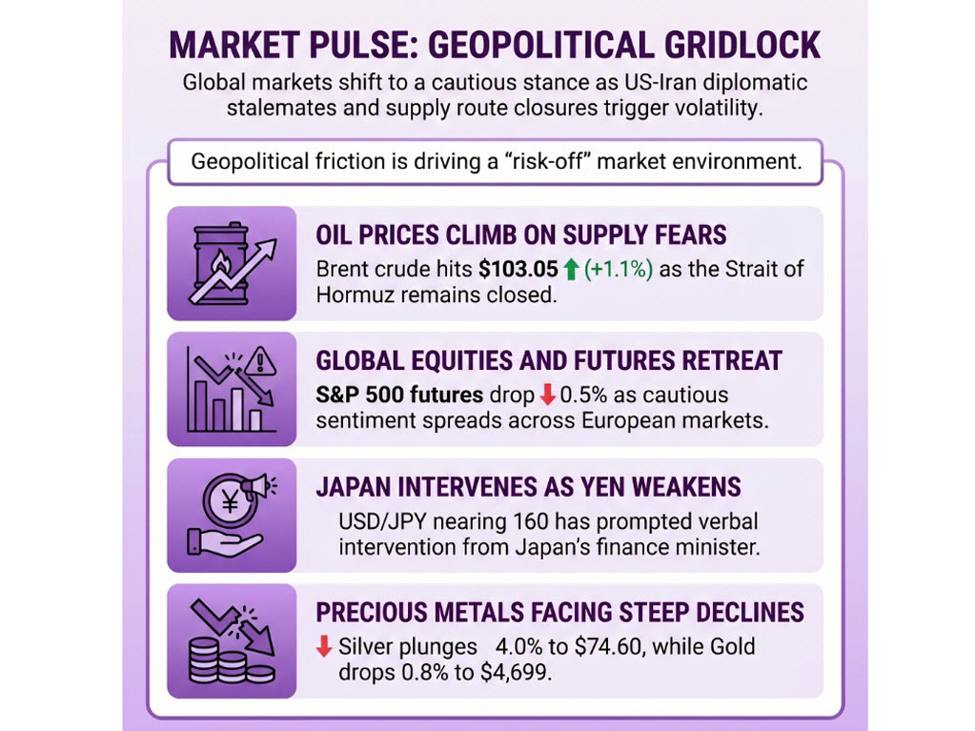
Global geopolitical tensions are creating an unprecedented supply chain crisis for cross-border e-commerce sellers. President Trump's decision to extend the Israel-Lebanon ceasefire by three weeks without setting resolution timelines has triggered cascading logistics disruptions affecting 20% of global oil supply flowing through the Strait of Hormuz. The Iran conflict has created a 13 million barrel daily shortfall in a world demanding 102 million barrels daily, with J.P. Morgan analyst Joyce Chang projecting oil prices could reach $150-200 per barrel by mid-May 2025—up from current Brent crude levels of $105.65.
Immediate Operational Impact for Sellers:
For Amazon FBA sellers, Shopify merchants, and eBay vendors, this translates to 8-12% increases in fulfillment costs within 30 days. Air freight rates—critical for time-sensitive categories like electronics, apparel, and health/beauty products—are already experiencing 15-20% premiums. California's imminent jet fuel crisis directly impacts West Coast fulfillment centers and 3PL providers, with GasBuddy analyst Patrick De Haan warning that without a peace deal within three weeks, fuel shortages will severely disrupt California's economy. Sellers shipping to or from California face potential 2-3 week delivery delays and premium surcharges. Asian suppliers face compounded challenges from regional fuel shortages, making Vietnam and India sourcing alternatives increasingly attractive despite higher per-unit costs.
Strategic Sourcing Opportunities Emerging:
The disruption creates tariff arbitrage opportunities for sellers willing to shift sourcing. Vietnam (HS codes 6204, 6205 apparel; 8471 electronics) and India (HS 6201-6206 textiles; 7326 metal products) are experiencing lower fuel cost pressures than China, potentially offering 3-5% cost advantages despite tariff rate parity. European sellers benefit from shorter supply chains—Germany's Ifo business climate index fell to 84.4 (lowest since May 2020) due to Iran war concerns, but this weakness creates buyer opportunities for sellers with inventory. UK retail sales rose 0.7% in March (exceeding 0.1% forecasts), signaling resilient consumer demand despite economic uncertainty.
Competitive Advantage Window:
Small-to-medium sellers (SMBs) with diversified supplier networks across Vietnam, India, and Mexico gain competitive advantage over China-dependent competitors. Large sellers with established 3PL networks can absorb cost increases; SMBs must act immediately to lock in supplier agreements before fuel surcharges become permanent. Technology infrastructure investments (SAP cloud revenues jumped 19%, operating profits up 17%) enable sellers to optimize routing and carrier selection—a critical advantage as logistics costs become volatile. The 3-week ceasefire extension creates a defined decision window: sellers must rebalance inventory, adjust pricing, and secure alternative logistics by May 15, 2025, before global oil inventories deplete and prices spike further.
Questions 8
How does the California jet fuel shortage affect West Coast fulfillment?
California's imminent jet fuel crisis directly impacts Amazon FBA West Coast fulfillment centers and 3PL providers, with GasBuddy warning that without a peace deal within three weeks, fuel shortages will severely disrupt operations. Sellers shipping to California or using West Coast 3PL providers should expect 2-3 week delivery delays and premium surcharges starting immediately. For sellers with inventory in California warehouses, consider redirecting shipments to Texas, Ohio, or Virginia fulfillment centers where fuel supplies remain stable. Monitor GasBuddy's fuel availability tracker weekly and communicate proactively with customers about potential delays to maintain seller ratings.
What is the timeline for when I need to adjust pricing and inventory?
The critical decision window is the next 3 weeks (by May 15, 2025), aligned with Trump's ceasefire extension deadline. Global oil inventories are projected to deplete by mid-May, after which prices could spike to $150-200 per barrel. Sellers must act immediately: (1) Review current inventory levels and lock in supplier agreements by May 1, (2) Adjust Amazon/eBay/Shopify pricing by May 10 to reflect anticipated fuel surcharges, (3) Communicate shipping delays to customers by May 15 before peak summer season. Delaying beyond May 15 risks being caught in a price spike with no supplier alternatives and customer dissatisfaction during high-volume periods.