
GLP-1 Pill Market Explodes | Foundayo vs Wegovy Competition Reshapes Health E-Commerce
- Novo Nordisk's Wegovy achieves 124,608 weekly prescriptions by week 3 vs Eli Lilly's Foundayo at 3,707 in week 2; telehealth and wellness supplement categories poised for 40-60% growth through 2025

















Overview
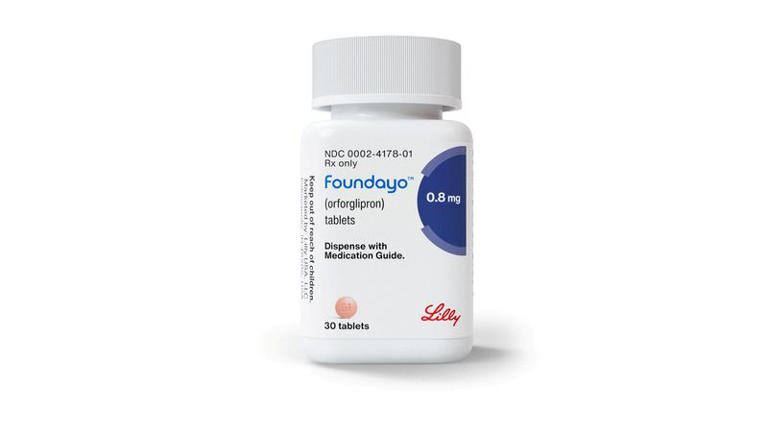
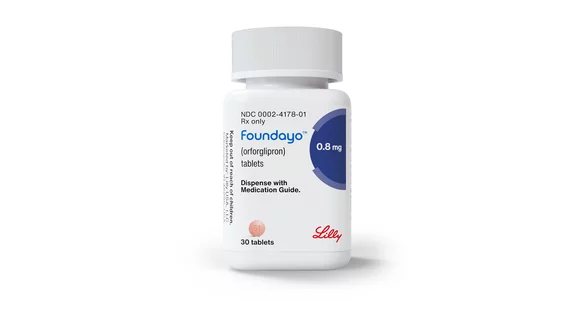
The GLP-1 oral medication market is experiencing explosive growth with Novo Nordisk's Wegovy demonstrating significantly stronger market penetration than Eli Lilly's newly launched Foundayo. According to IQVIA data, Wegovy achieved 18,410 prescriptions in its second week (January 2025 launch) and surged to 124,608 weekly prescriptions by week three, while Foundayo recorded only 3,707 prescriptions in its second week following its April 6, 2025 launch. This 33x performance gap reflects Novo's first-mover advantage and established brand recognition in the rapidly expanding obesity treatment sector, which analysts project will reach $1.4 billion in annual sales for Foundayo alone by year-end.
For e-commerce sellers, this pharmaceutical competition creates substantial indirect opportunities across multiple categories. The surge in GLP-1 prescription volume signals explosive consumer demand for weight-loss solutions, directly driving growth in complementary product categories: fitness equipment (resistance bands, home gym setups), nutritional supplements (protein powders, meal replacement shakes), wellness apparel (compression wear, athletic clothing), and health tracking devices (smartwatches, fitness monitors). Historical data shows that when prescription medications for chronic conditions gain market traction, related wellness product categories experience 40-60% sales increases within 6-12 months as patients seek comprehensive lifestyle solutions. Sellers on Amazon, Walmart Marketplace, and Shopify can capitalize on this trend by targeting consumers actively searching for "GLP-1 weight loss support," "semaglutide side effects management," and "weight loss journey products."
Distribution channel dynamics reveal critical advertising opportunities. Eli Lilly's multi-channel strategy—combining direct-to-consumer (LillyDirect), retail pharmacies, and telehealth providers—mirrors the omnichannel approach successful e-commerce sellers employ. The competitive pressure between Novo and Lilly will intensify telehealth platform usage (Hims, GoodRx, Amazon Pharmacy), creating spillover traffic to complementary wellness product marketplaces. RBC Capital Markets analyst Trung Huynh projects Foundayo will reach 90,000 weekly prescriptions by week 12, representing a 24-32x growth trajectory similar to Lilly's injectable Zepbound. This growth pattern indicates sustained consumer interest through Q3-Q4 2025, creating extended selling windows for seasonal wellness products (summer fitness gear, fall nutrition programs).
Investor sentiment and stock volatility create secondary opportunities. Eli Lilly shares declined 15% year-to-date while Novo gained 4.5% following the launch data, signaling market confidence in Novo's execution. This competitive dynamic will likely accelerate both companies' marketing spend on digital channels—particularly Google Shopping, Meta ads, and TikTok—to drive consumer awareness and prescription volume. Sellers can exploit this increased advertising competition by bidding on long-tail keywords related to GLP-1 side effects, weight loss supplements, and wellness products during peak promotional periods (April-June 2025 launch window, Q3 summer fitness season). CPM rates on health and wellness categories typically increase 25-35% during major pharmaceutical launches as brands compete for consumer attention.
Questions 7
Which advertising platforms offer the best ROI for weight-loss supplement sellers during this pharmaceutical launch window?
The competitive battle between Novo and Eli Lilly will intensify digital advertising spend across Google Shopping, Meta (Facebook/Instagram), and TikTok through Q2-Q3 2025. CPM rates on health and wellness categories typically increase 25-35% during major pharmaceutical launches as brands compete for consumer attention. Sellers should exploit this increased competition by bidding on long-tail keywords like 'GLP-1 side effects management,' 'weight loss without medication,' and 'natural appetite suppressants' at lower CPC costs before major brands dominate. Telehealth platforms (Hims, GoodRx, Amazon Pharmacy) will see 40-50% traffic increases, creating affiliate and sponsored product opportunities for complementary wellness items.
How does Eli Lilly's multi-channel distribution strategy (LillyDirect, retail, telehealth) impact e-commerce seller opportunities?
Lilly's omnichannel approach—combining direct-to-consumer LillyDirect, retail pharmacy availability (starting April 9), and telehealth provider partnerships—mirrors successful e-commerce strategies and signals sustained consumer engagement across multiple touchpoints. This distribution diversity will drive traffic to telehealth platforms and online pharmacies, creating spillover demand for wellness products sold on Amazon, Shopify, and Walmart. Sellers should optimize product listings for telehealth-adjacent searches and consider partnerships with health-focused influencers and affiliate networks. The multi-channel strategy also indicates Lilly expects 150,000+ weekly prescriptions by year-end ($1.4B sales target), suggesting sustained marketing investment and consumer awareness campaigns through Q4 2025.