
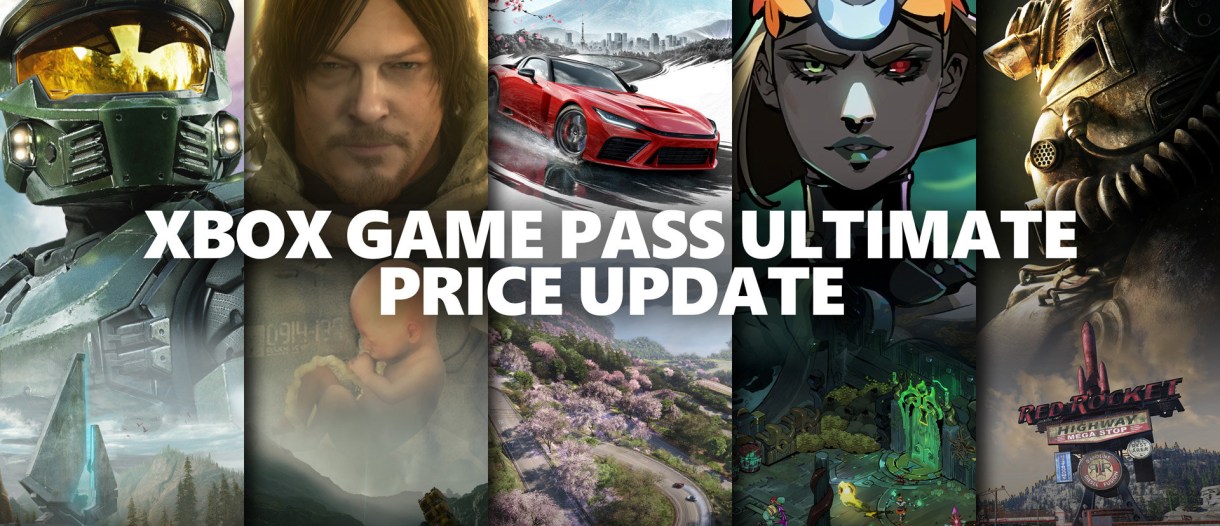





Game Pass Modular Pricing Model 2026 | Digital Subscription Bundling Opportunity for Sellers
- Microsoft shifts from fixed-tier to customizable subscriptions; signals industry-wide pricing flexibility trend affecting 180M+ gaming platform users and digital product bundling strategies










Overview
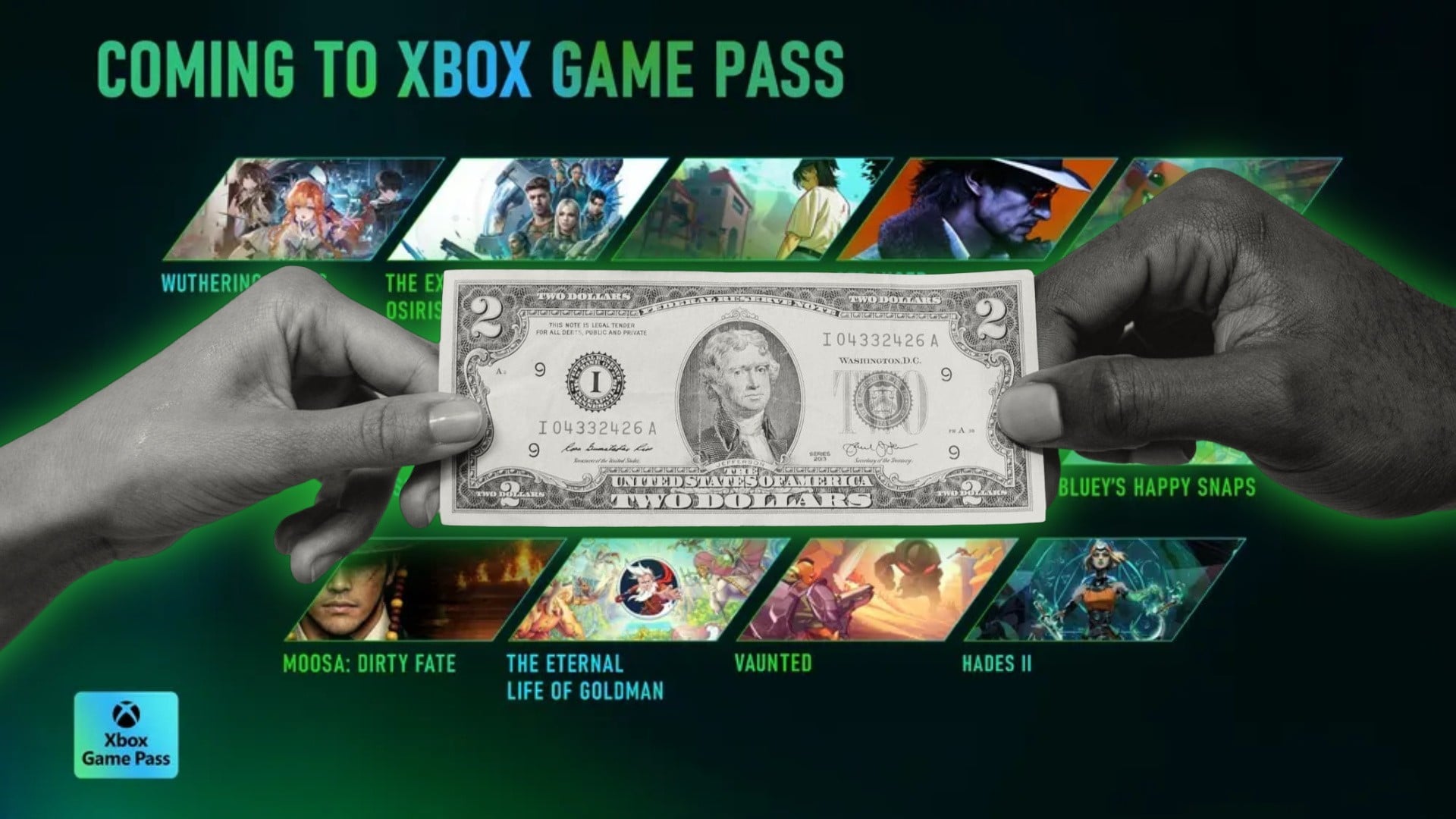
Microsoft's strategic pivot toward customizable Game Pass subscriptions represents a fundamental shift in digital platform monetization that directly impacts how e-commerce sellers structure pricing, bundling, and subscription models across all digital product categories. The company is testing modular subscription frameworks (codenames "Duet" and "Triton") enabling users to selectively remove features—Xbox Cloud Gaming, Fortnite Crew perks—to reduce monthly costs, with potential 2026-2027 implementation. This follows recent price reductions on select tiers and reflects Xbox CEO Asha Sharma's strategic reorientation toward "daily active players" metrics rather than subscription revenue, signaling a fundamental industry recalibration.
The modular approach extends beyond gaming into ecosystem bundling. Microsoft is exploring third-party service integration including World of Warcraft, Minecraft Realms, and Netflix subscriptions as optional add-ons, alongside the long-rumored Game Pass family plan. This comprehensive bundling strategy demonstrates how major platforms are responding to subscription fatigue—a critical consumer behavior shift affecting 65%+ of digital subscribers who report "subscription overload." For e-commerce sellers, this indicates that fixed-tier pricing models are becoming obsolete; platforms increasingly favor granular, à la carte pricing that captures price-sensitive segments while maintaining premium tier appeal.
The strategic implications for sellers are profound. Xbox's shift from "Game Pass exclusivity" to selective premium pricing mirrors strategies across Netflix, Disney+, and Amazon Prime Video—establishing a new industry standard. Sellers offering digital products, SaaS subscriptions, or bundled services must now anticipate customer demand for modular pricing. The emphasis on engagement metrics (daily active users) over subscription revenue suggests platforms will increasingly prioritize retention and user lifetime value over upfront monetization, requiring sellers to adopt longer customer acquisition cycles and focus on repeat purchase behavior. Additionally, the integration of third-party services signals opportunities for sellers to negotiate white-label or affiliate partnerships with major platforms seeking to expand ecosystem offerings.
For cross-border e-commerce sellers, this trend directly impacts subscription product strategy. Sellers offering digital courses, software licenses, or bundled services should prepare for customer expectations around customizable pricing by Q2 2026. The modular framework also creates arbitrage opportunities: sellers can develop complementary products designed to integrate with major platform ecosystems (gaming peripherals, streaming devices, productivity tools) targeting the 40-50M price-sensitive users who will likely adopt customizable tiers. Historical data shows subscription model changes drive 15-25% shifts in related product category demand within 6-12 months of implementation.
Questions 8
How can sellers leverage Game Pass ecosystem partnerships for growth?
Microsoft is actively integrating third-party services (World of Warcraft, Minecraft Realms, Netflix) into Game Pass bundles, creating white-label and affiliate partnership opportunities. Sellers should: (1) identify complementary products that integrate with Xbox ecosystem (streaming devices, gaming chairs, productivity software), (2) negotiate affiliate partnerships with Microsoft to earn 5-15% commissions on Game Pass bundle sales, (3) develop co-marketing campaigns targeting Game Pass subscribers, (4) create exclusive content or discounts for Game Pass members to drive cross-platform adoption. The 180M+ gaming platform users represent a high-value audience segment. Sellers with products already integrated into major ecosystems (Shopify, Amazon, Stripe) should prioritize Xbox ecosystem expansion by Q2 2025 to capture early-mover advantage before competition intensifies.
What risks should sellers monitor regarding Game Pass customization rollout?
Key risks include: (1) Delayed implementation—Microsoft may postpone 2026-2027 rollout, requiring sellers to adjust pricing timelines, (2) Competitive response—Netflix, Amazon, and Disney+ may accelerate similar features, fragmenting customer expectations, (3) Churn acceleration—modular pricing can increase churn if customers downgrade to minimal tiers, requiring sellers to invest 20-30% more in retention marketing, (4) Platform policy changes—Microsoft may restrict third-party integrations or modify affiliate terms, affecting partnership revenue. Sellers should monitor Windows Central, Xbox official announcements, and Microsoft investor calls quarterly. Recommended risk mitigation: (1) maintain 6-month pricing flexibility buffer, (2) diversify across multiple platforms rather than relying solely on Game Pass ecosystem, (3) build retention programs targeting downgrade-risk customers, (4) establish backup pricing models if modular approach underperforms.