


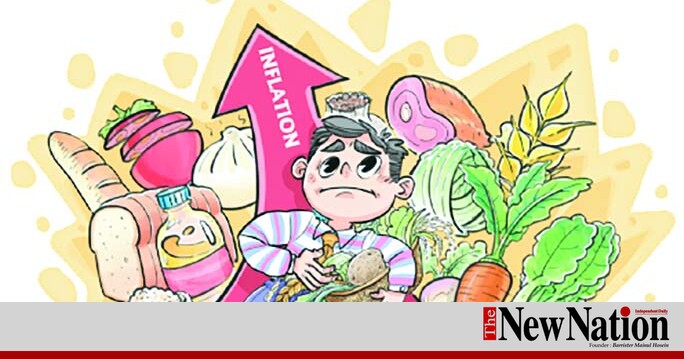

Global Food Crisis Threatens Supply Chains | Sellers Face Input Cost Surge 2025-2026
- 266M people in acute hunger across 47 countries; fertilizer prices spike 30-40% from Strait of Hormuz blockade; agricultural input costs surge threatens food product sourcing for cross-border sellers


















Overview
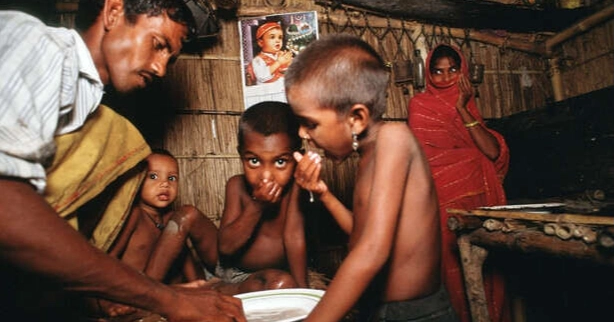
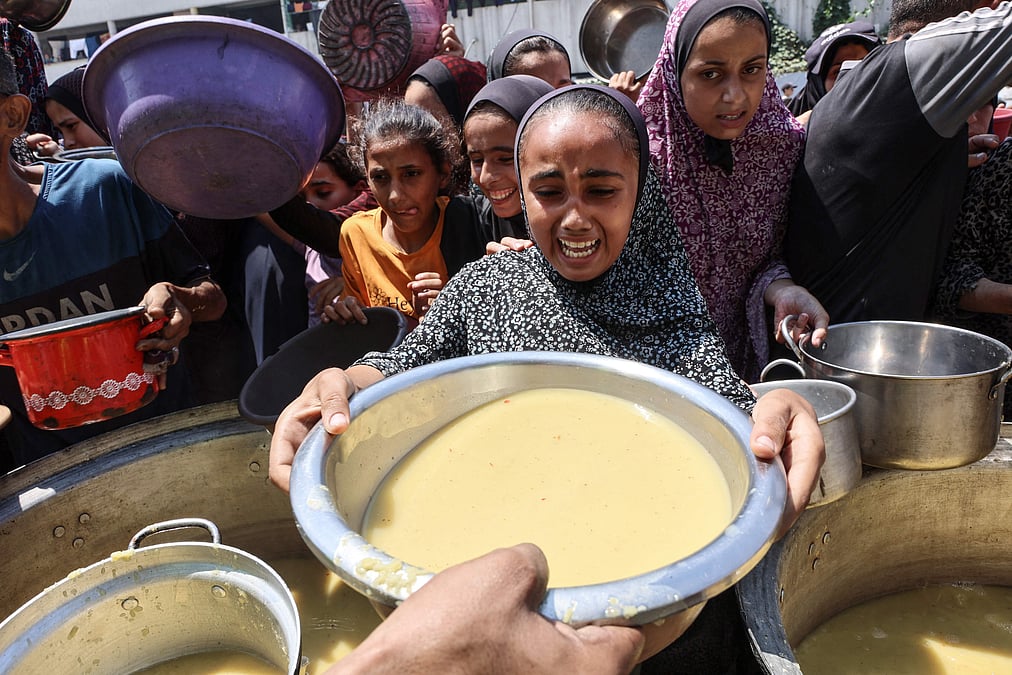
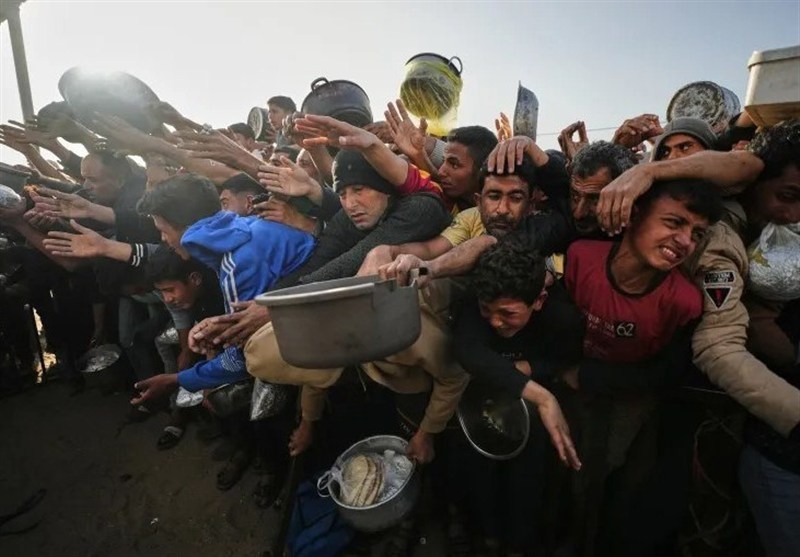
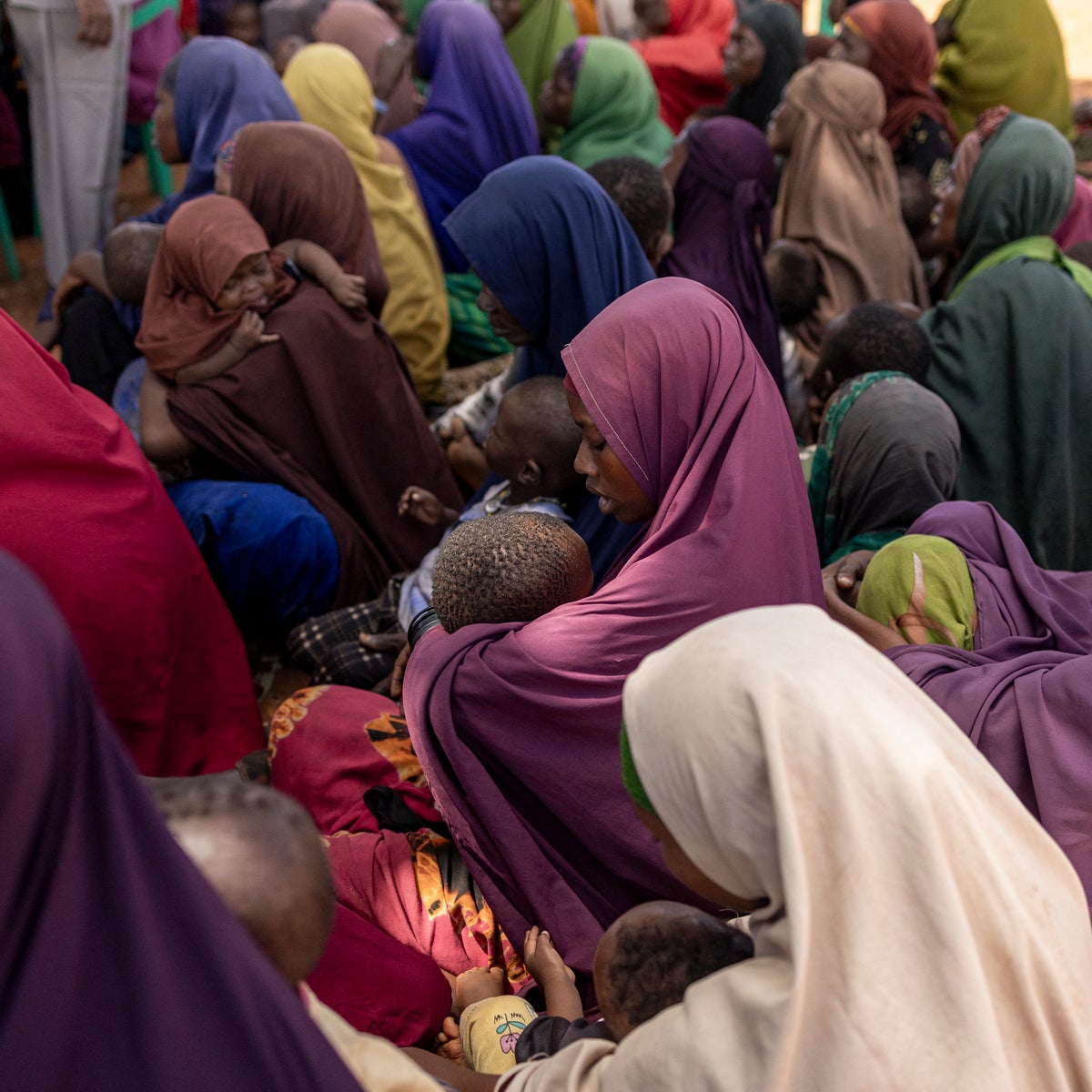
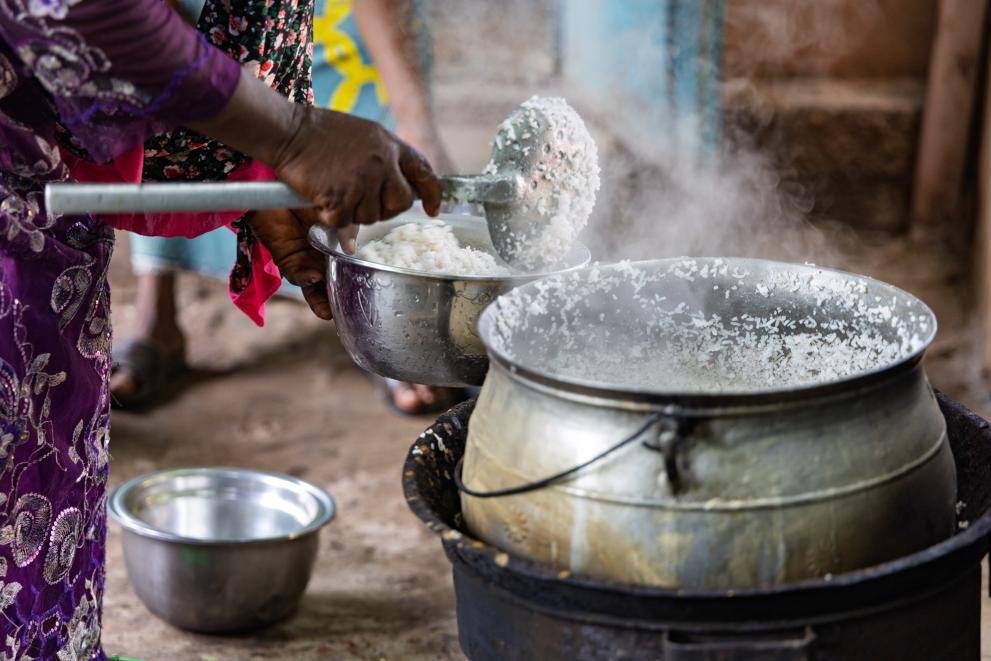
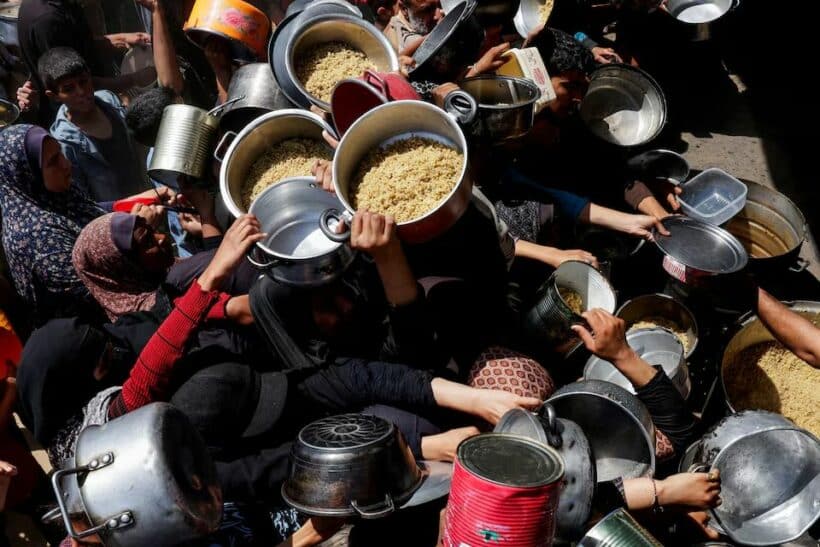
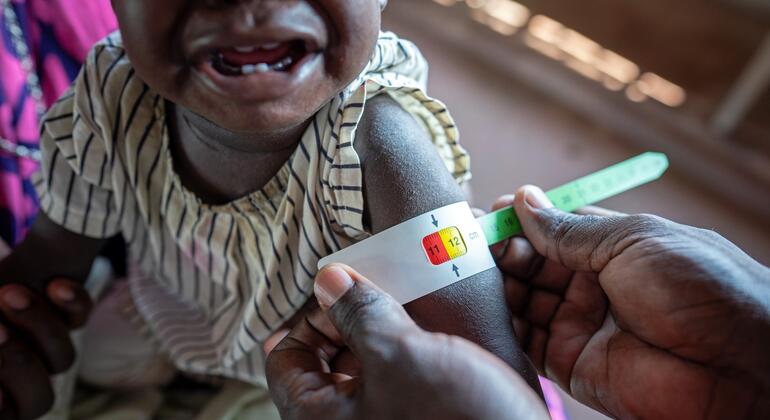
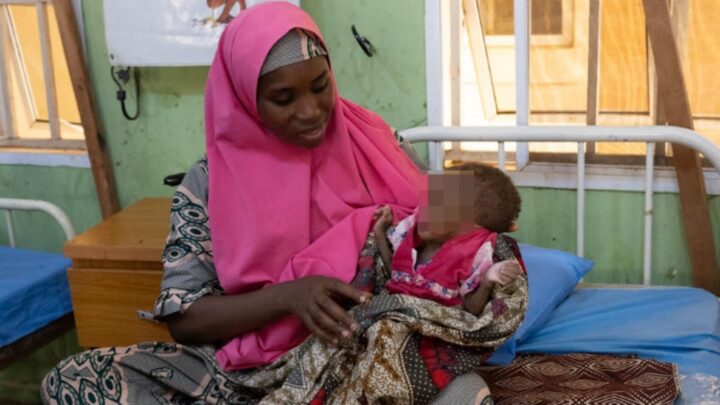
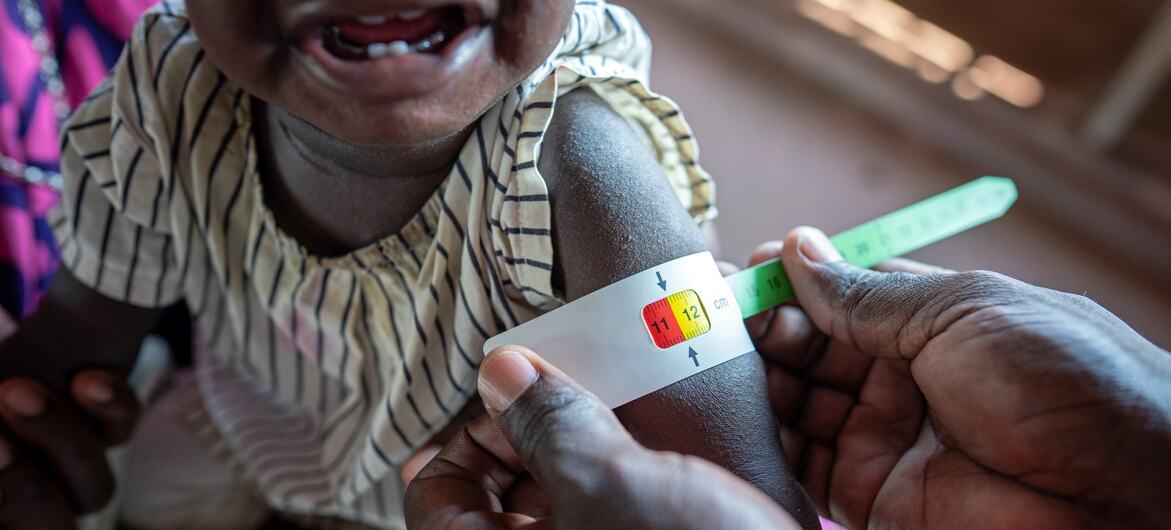
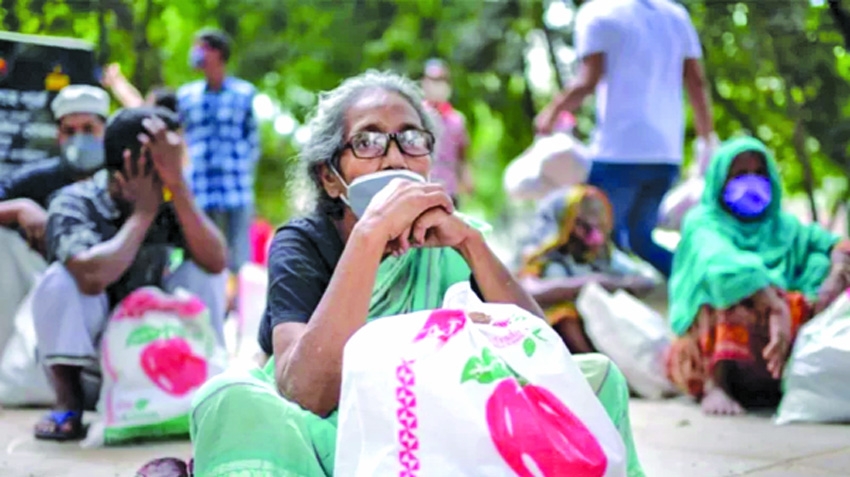
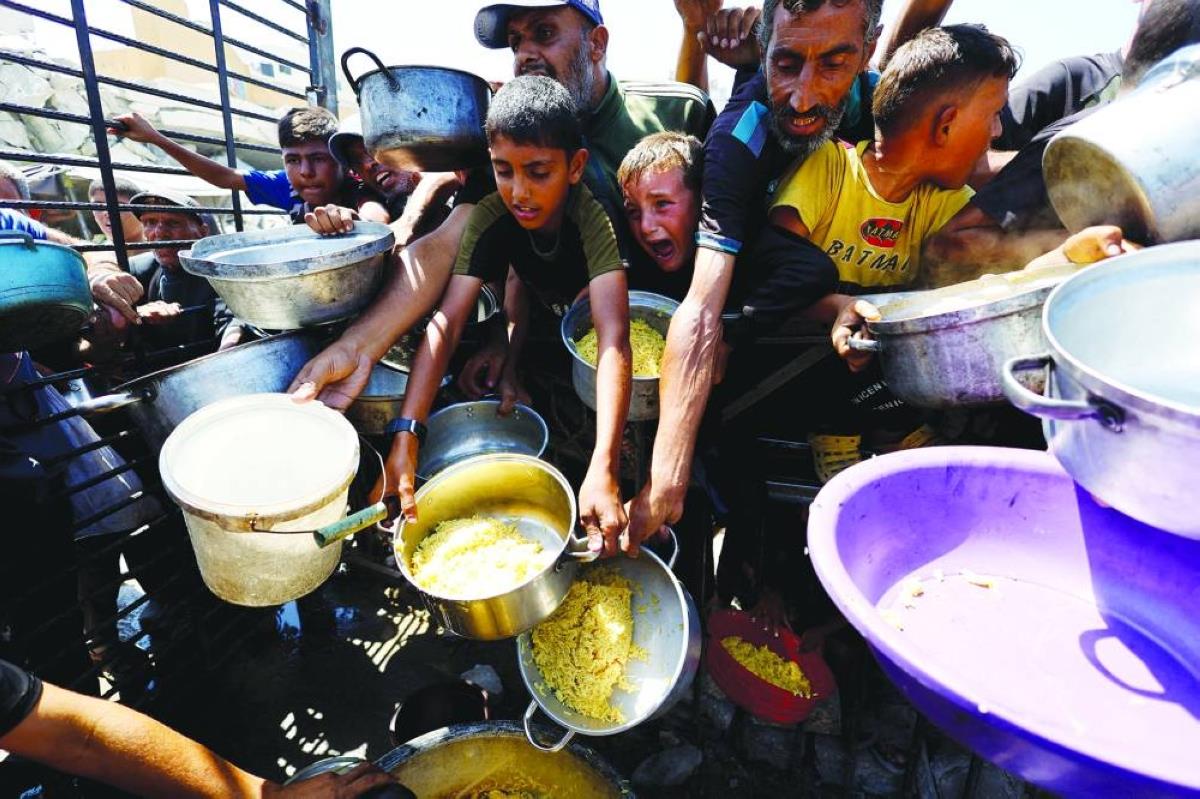
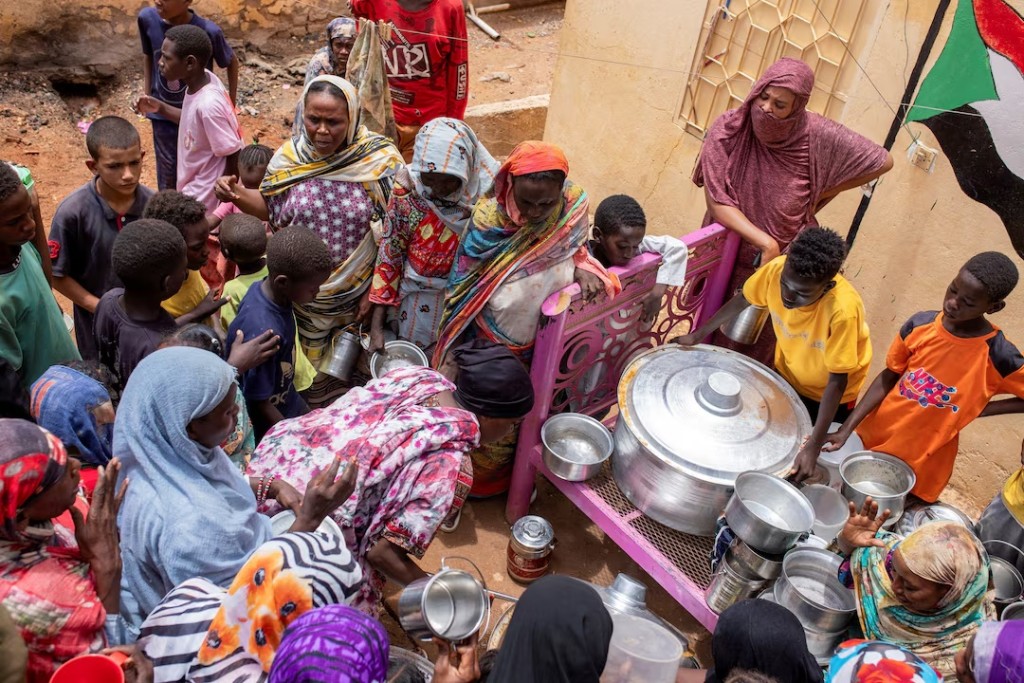
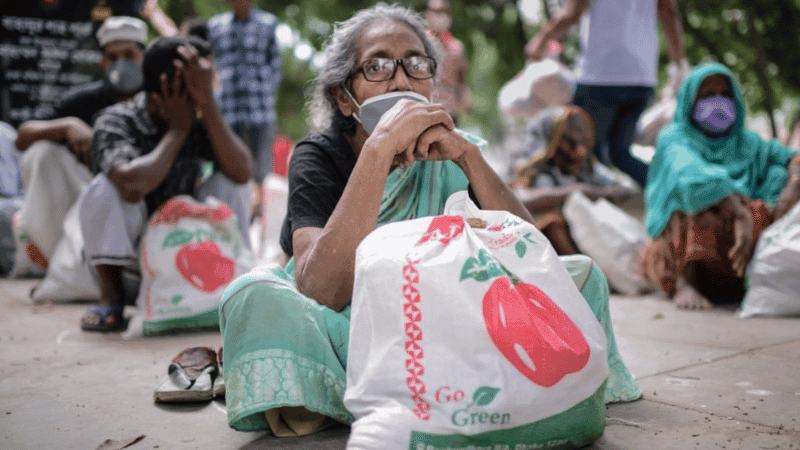
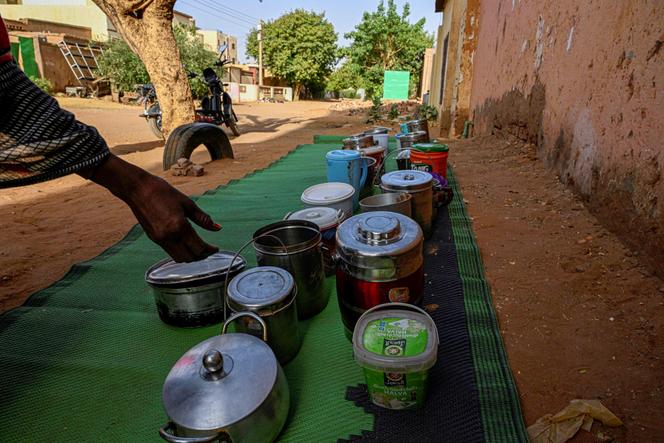
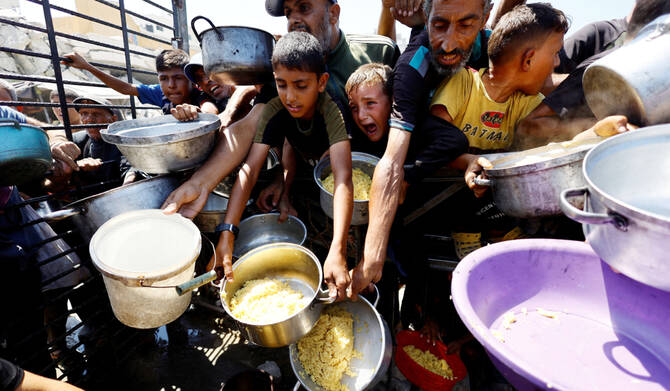
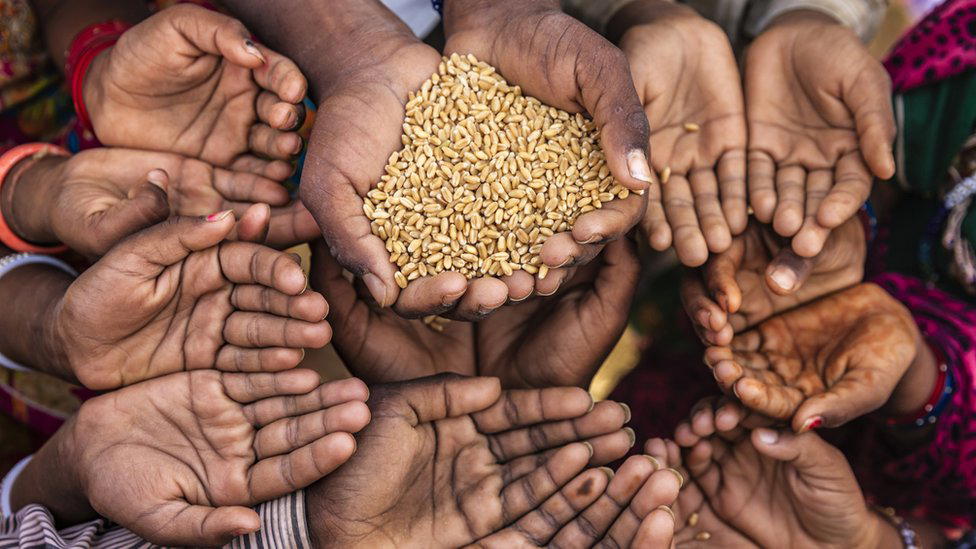
The 2026 Global Report on Food Crises (released April 24, 2025) documents a humanitarian emergency with direct implications for cross-border e-commerce supply chains and product sourcing. 266 million people across 47 countries face acute food insecurity in 2025—nearly double the 2016 figure—with famine officially confirmed in Gaza and Sudan simultaneously for the first time. This crisis creates cascading effects on agricultural commodity prices, fertilizer availability, and sourcing costs for sellers trading in food products, agricultural equipment, and related categories.
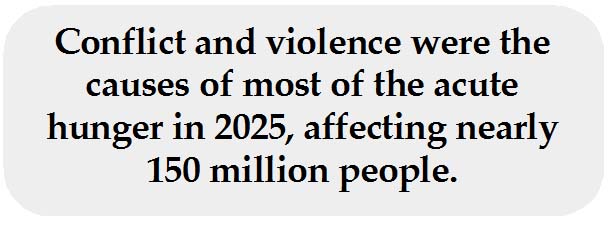
Supply Chain Disruption Mechanisms Affecting Sellers: The blockade of the Strait of Hormuz—a critical oil supply route—has driven fertilizer prices sharply upward by 30-40%, directly impacting agricultural production during planting seasons. Since fertilizers rely on oil-based inputs, this cost surge cascades through global food production. Humanitarian food-sector funding dropped 39% in 2025 compared to 2024, while development assistance contracted 15%, reducing purchasing power in crisis-affected regions. For sellers sourcing agricultural products, seeds, fertilizers, or farming equipment from Bangladesh, Pakistan, Nigeria, and other affected countries, input costs are rising 15-25% annually. The report identifies conflict as the primary driver in 19 countries affecting 147.4 million people, with Sudan alone accounting for one-third of the global food crisis population.
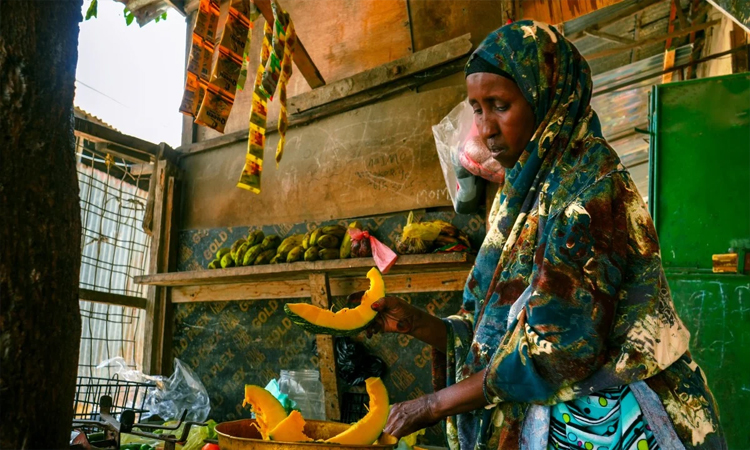
Regional Market Volatility & Sourcing Risks: West Africa and the Sahel region face persistent conflict and inflation pressure, with Nigeria projected to see 4.1 million additional people facing acute hunger in 2026. East Africa confronts failed rains across the Horn of Africa, deepening suffering in Somalia and Kenya where drought, insecurity, high food prices, and reduced aid converge. These regions represent critical sourcing hubs for agricultural products, spices, cocoa, and specialty foods sold on Amazon, eBay, and Shopify. Sellers importing from these regions face 20-35% price increases on raw materials, extended lead times (4-8 weeks additional delay), and potential supply interruptions. The report warns that escalating Middle East conflicts expose food-crisis countries to direct and indirect agricultural market disruptions, threatening cross-border commerce stability. 85.1 million forcibly displaced people in 46 covered countries create logistics bottlenecks and reduced labor availability for agricultural production and export operations.
Seller Opportunity in Crisis Response: IFAD recommends investing in water and climate-resilient crops, supporting small-scale farmers, and promoting local fertilizer production. This creates opportunities for sellers to source sustainable, climate-resilient agricultural products and market them as premium offerings. Sellers can capitalize on growing consumer demand for ethically-sourced, crisis-resilient food products by highlighting supply chain transparency and supporting smallholder farmers in affected regions. The humanitarian gap presents opportunities for sellers of nutritional supplements, fortified foods, and emergency food supplies targeting NGOs and development organizations. Sellers should monitor commodity futures prices (fertilizer, grains, oils) and adjust sourcing strategies 6-12 months in advance to lock in current pricing before further escalation.
Questions 8
What is the Strait of Hormuz blockade and how does it affect fertilizer prices?
The Strait of Hormuz blockade, linked to Middle East conflicts, has disrupted critical oil supply routes essential for fertilizer production. Since fertilizers rely on oil-based inputs, the blockade has driven fertilizer prices sharply upward by 30-40%. This cost surge directly impacts agricultural production during planting seasons, increasing input costs for farmers in crisis-affected regions. For sellers sourcing agricultural products, the higher fertilizer costs translate to increased production expenses for suppliers, which are passed through as 15-25% price increases on raw materials. The report warns that rising energy and fertilizer costs will have massive production impacts throughout 2026, making advance sourcing and pricing lock-in critical strategies.
How much has humanitarian aid funding declined and what are the implications?
Humanitarian food-sector funding dropped approximately 39% in 2025 compared to 2024 levels, while development assistance contracted by at least 15%. This represents a return to 2016-2017 funding levels despite a doubling of acute hunger cases. The funding crisis reduces purchasing power in affected regions and limits resources for agricultural development and food production. For sellers, reduced humanitarian aid means lower consumer spending in crisis-affected countries, reducing market demand for non-essential products. However, it creates opportunities for sellers of nutritional supplements, fortified foods, and emergency food supplies targeting NGOs and development organizations. Sellers should monitor aid funding announcements and adjust inventory strategies accordingly.