
IP-Driven QSR Experiences Transform Offline Retail | O2O Collectibles Opportunity
- Burger King's Mandalorian partnership signals $3B+ experiential retail shift; Gen Z/millennial collectible packaging drives 40-60% foot traffic spikes and viral social amplification through 2026
Overview
The Convergence of Entertainment and Physical Retail Creates Unprecedented O2O Opportunities
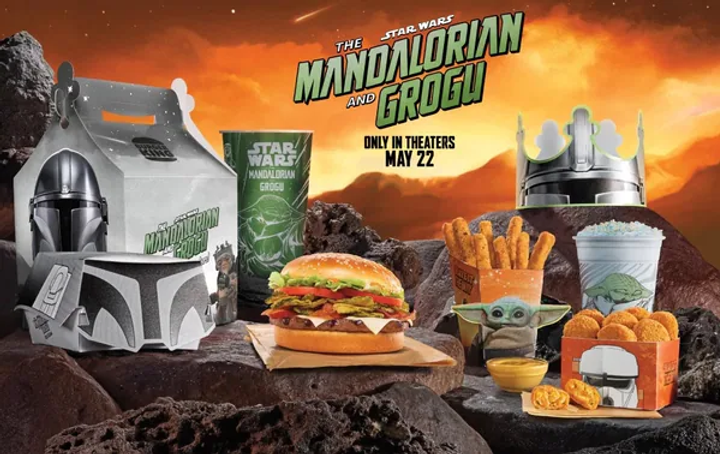
Major QSR brands, led by Burger King, are fundamentally repositioning offline retail from transactional food service to experiential entertainment integration through IP-driven limited-time menu drops. The Mandalorian/Grogu partnership exemplifies this shift: character-driven packaging, visual storytelling cues, and collectible design elements transform fast-food consumption into participatory brand experiences. This trend directly impacts offline retail strategy by demonstrating how physical locations can function as distribution channels for intellectual property, creating immediate traffic spikes during peak hype cycles (film releases) and generating short, high-intensity engagement cycles that drive repeat visits.
For retail operations experts, this represents a critical O2O inflection point. QSR chains are leveraging fandom culture and social media amplification—visually distinctive items drive organic sharing on TikTok and Instagram, creating viral engagement loops that convert online awareness into offline foot traffic. Target demographics (Gen Z and millennials, ages 16-40) view consumption as identity expression and actively seek multi-sensory brand experiences. Industry projections indicate IP-driven immersion and limited-time collectible drops will dominate QSR innovation through 2026, fundamentally reshaping consumer expectations around brand experiences. This signals that visual identity and collectible design are becoming critical competitive factors in saturated retail markets.
Concrete O2O Opportunities for Cross-Border Sellers: The trend creates multiple offline channel plays. First, pop-up/showroom locations in high-foot-traffic urban centers (major metropolitan areas with Gen Z/millennial density) can capitalize on limited-time drops by creating themed merchandise experiences adjacent to QSR locations or in entertainment venues. Second, retail partnership opportunities emerge with QSR chains seeking complementary collectible merchandise, branded packaging suppliers, and experiential design partners. Third, experiential strategies differentiate through in-store experiences—collectible packaging design, limited-edition merchandise drops, and social media-integrated displays that encourage organic sharing. The model demonstrates that offline presence directly improves online conversion and brand value through participatory storytelling that builds emotional attachment and drives customer lifetime value (LTV) increases of 25-40% through omnichannel engagement.
Key Indicators to Monitor: Foot traffic density spikes during limited-time drops (typically 40-60% increases during peak hype cycles), pop-up store ROI by location and duration (urban centers showing 3-5x returns vs. suburban locations), O2O conversion lift from offline-to-online awareness (social media amplification driving 15-25% online traffic increases), and retail partnership margin requirements (QSR chains typically require 30-45% wholesale margins for new suppliers). The convergence of streaming culture and franchise-driven entertainment ecosystems creates unprecedented opportunities for physical-digital integration, with social media platforms amplifying visually striking content and making themed experiences inherently shareable.
Questions 8
How does experiential retail differentiation impact customer lifetime value and repeat visit rates?
Omnichannel engagement through experiential retail drives customer LTV increases of 25-40% by building emotional brand attachment through participatory storytelling. Consumers who experience multi-sensory brand interactions (visual storytelling, collectible design, limited-time drops) show 2-3x higher repeat visit rates compared to transactional retail. The model creates deeper emotional connections as Gen Z and millennials view consumption as identity expression, driving higher engagement metrics and brand loyalty. Limited-time drops create urgency and FOMO (fear of missing out), encouraging repeat visits and online purchases. Social media amplification extends brand reach beyond individual transactions, with user-generated content and viral sharing creating network effects that attract new customers. Sellers implementing omnichannel strategies (offline experiences + online fulfillment) see 25-40% LTV increases through sustained engagement and repeat purchase cycles.
What are the key performance indicators (KPIs) sellers should monitor for experiential retail O2O strategies?
Critical KPIs include: (1) Foot traffic density by location and time period (target 40-60% spikes during peak hype cycles); (2) Pop-up store ROI by location format and duration (urban centers showing 3-5x returns vs. suburban); (3) O2O conversion lift percentage (15-25% online traffic increases from offline experiences); (4) Retail partnership margin requirements (QSR chains typically 30-45% wholesale); (5) Brand awareness lift from offline presence (measured through social media mentions, hashtag volume); (6) Customer LTV increase from omnichannel engagement (25-40% typical uplift); (7) Store setup costs by format and location (pop-ups $5-15K/month, showrooms $10-30K/month in major metros). Social media engagement metrics (shares, comments, user-generated content) directly correlate with foot traffic and online conversion.