




AI Investment Landscape: Navigating Uncertainty and Opportunity in Tech's Next Frontier
- Strategic Caution Meets Massive Potential in Semiconductor and Investment Markets






























Overview
The emerging AI investment ecosystem is revealing a nuanced landscape of strategic complexity and transformative potential. At the epicenter, Broadcom exemplifies the delicate balancing act facing technology companies: capturing a $73 billion AI market opportunity while managing unprecedented technological uncertainty.
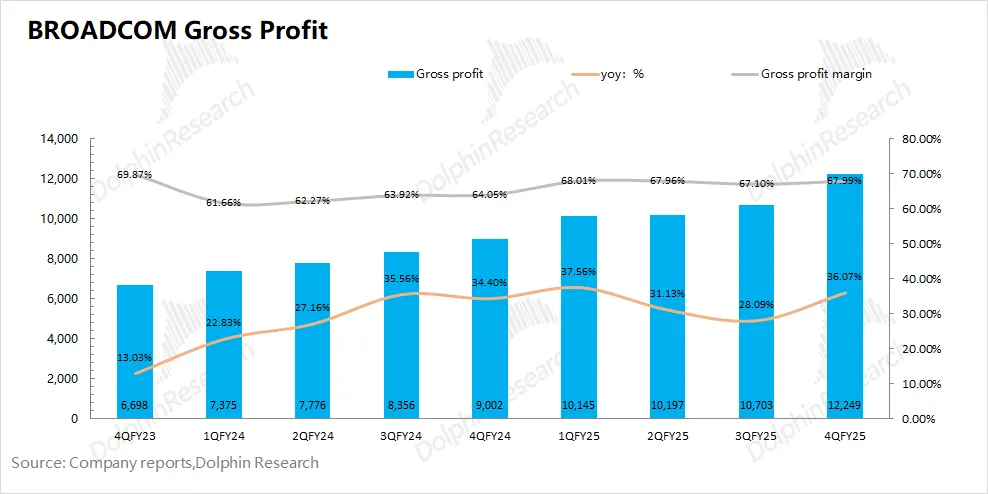
Strategic Caution as a Competitive Advantage emerges as a key theme. Broadcom's CEO Hock Tan demonstrates a masterful approach of positioning for AI growth without overcommitting. By projecting AI chip sales doubling to $8.2 billion this quarter while maintaining margin discipline, the company signals a sophisticated navigation of high-stakes technological transition. The 100 basis point gross margin squeeze represents not a weakness, but a calculated investment in future technological leadership.
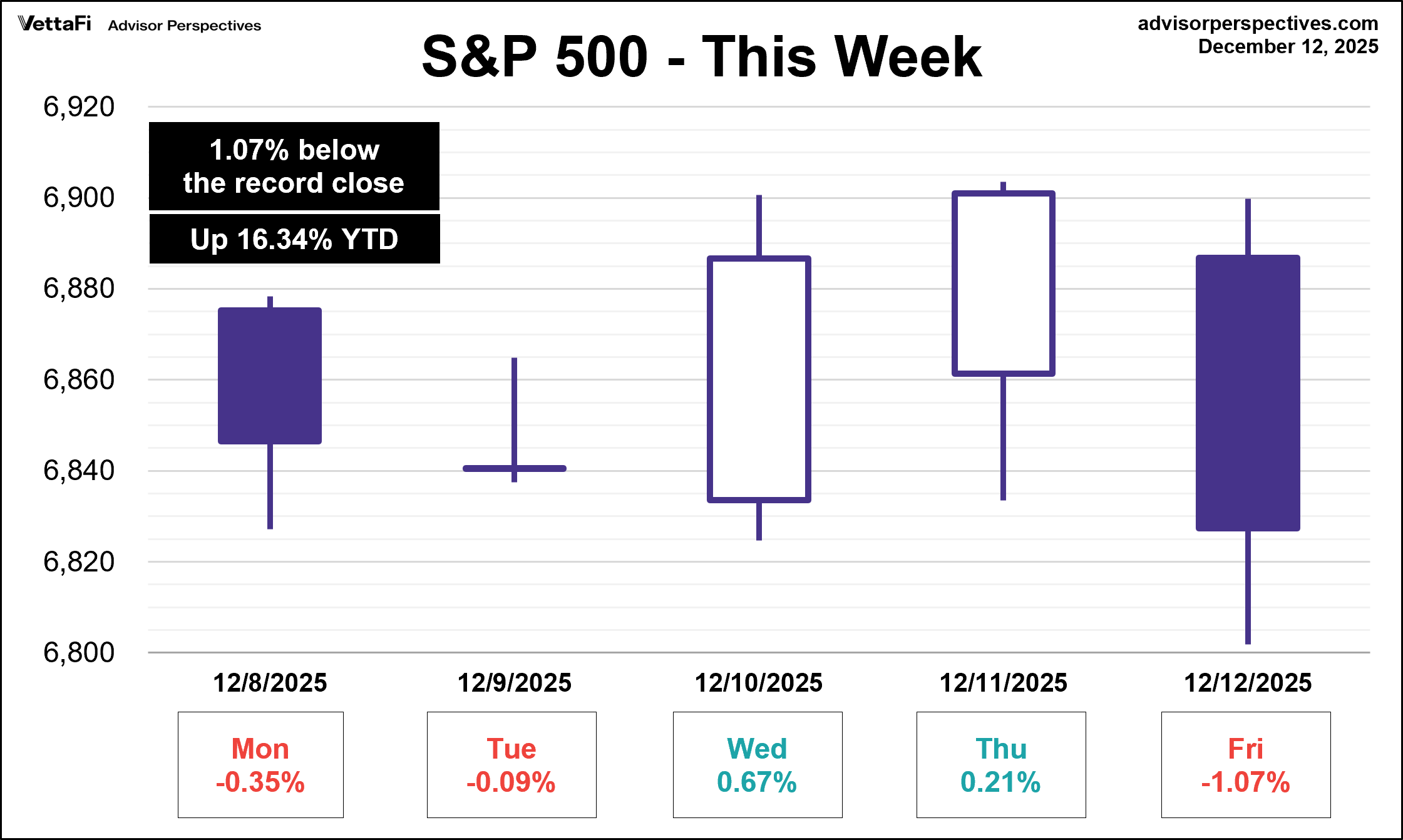
The broader market context reinforces this nuanced strategy. Wells Fargo's 2026 investment outlook and the Federal Reserve's measured rate cuts suggest a maturing economic environment where investors are becoming more discerning. The recent market rally, notably diversified beyond pure tech stocks, indicates a shift from blind AI enthusiasm to a more sophisticated, risk-aware investment approach.
Critically, the semiconductor and investment landscapes are converging around a central insight: AI represents both an enormous opportunity and a complex technological challenge. Investors and tech leaders are no longer just asking "Can we build AI?" but "How do we build AI sustainably and profitably?" Broadcom's approach—projecting potential revenues between $50-110 billion while maintaining strategic flexibility—epitomizes this new paradigm.
The emerging playbook involves three key strategies:
- Maintain technological positioning without overcommitting
- Focus on sustainable, margin-aware growth
- Build flexibility into technological and financial models
For tech companies and investors, the message is clear: success in the AI era will belong to those who can balance aggressive innovation with disciplined execution.
Questions 3
How are semiconductor companies like Broadcom managing AI investment risks?
Broadcom demonstrates a strategic approach by projecting AI chip sales growth while maintaining margin discipline. They're balancing potential with prudence, avoiding over-commitment by keeping near-term projections flexible and acknowledging potential margin compressions as part of technological transformation.
What makes the current AI investment landscape different from previous tech booms?
Unlike previous tech cycles, the current AI investment environment shows more sophisticated investor behavior. There's growing caution about massive AI spending, with investors seeking sustainable growth, diversified opportunities, and clear paths to profitability rather than pure technological excitement.