



Retail Leadership Crisis Exposes the Fragile Ecosystem of Brand Loyalty
- Mounting Pressures Reveal Critical Vulnerabilities in Athletic Apparel Brand Management



































Overview
The Lululemon leadership crisis represents a pivotal moment in modern retail dynamics, exposing the delicate balance between brand perception, internal governance, and market performance. At the heart of this unfolding narrative is a profound tension between founder influence and professional management, dramatically illustrated by Calvin McDonald's unexpected exit following a provocative public challenge from company founder Chip Wilson.
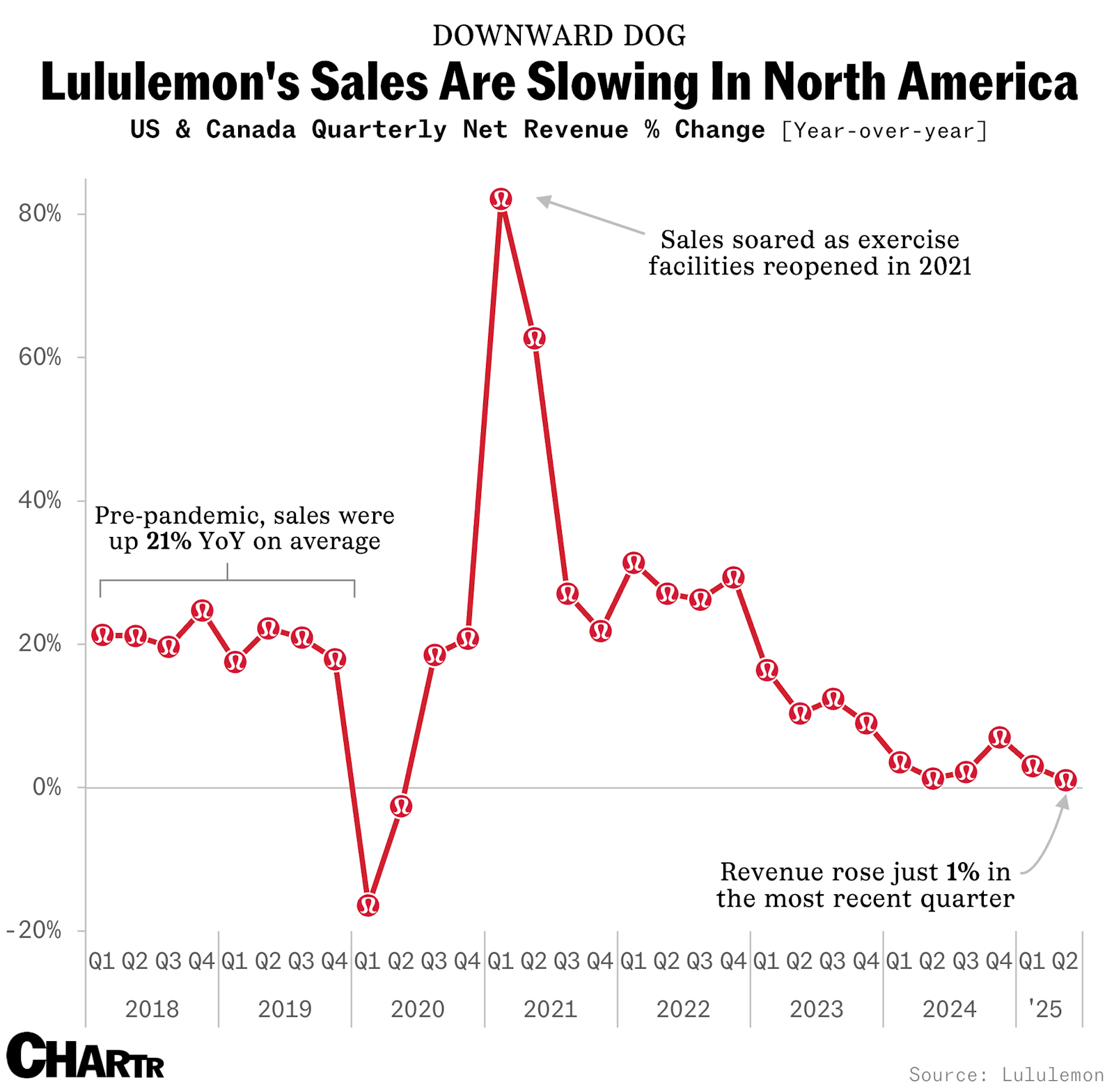
Market fatigue signals are particularly telling in this case. Analyst Randal Konik's observation about an unusual accumulation of bestselling black leggings in outlet stores—traditionally a rarely discounted product line—reveals deeper structural challenges. This isn't just a leadership problem; it's a symptom of broader athletic apparel sector transformation. McDonald's own acknowledgment that the core customer base shows signs of exhaustion underscores a critical inflection point for lifestyle brands navigating increasingly sophisticated consumer expectations.
The unexpected full-page newspaper advertisement by Wilson emerges as a strategic inflection point, transforming internal tensions into a public narrative about brand leadership. This moment highlights the complex dynamics of retail governance, where founder vision, professional management, and market performance can rapidly converge into a high-stakes organizational challenge. For cross-border e-commerce sellers and brand strategists, the Lululemon case offers a critical lesson: maintaining brand consistency requires more than marketing—it demands a holistic approach to leadership, customer perception, and internal alignment.
The broader implications extend far beyond a single company. This incident signals a structural shift in how lifestyle brands must manage growth, customer engagement, and leadership transitions in an increasingly competitive and transparent market environment. Brands can no longer rely on historical momentum; they must continuously reinvent their value proposition while maintaining a coherent internal narrative.
Questions 3
What are the key market signals of potential brand challenges?
Key indicators include unusual inventory accumulation in outlet stores, signs of customer base exhaustion, and public tensions between founders and professional management. For Lululemon, the accumulation of typically non-discounted black leggings in outlets signaled deeper market engagement problems.
What triggered the leadership crisis at Lululemon?
A provocative full-page newspaper advertisement by founder Chip Wilson created public tension with CEO Calvin McDonald, highlighting internal governance challenges and potentially accelerating McDonald's exit. The advertisement came amid signs of market fatigue and performance challenges in the athletic apparel sector.