





UK IRGC Proscription July 2025 | Iran Market Collapse Reshapes Cross-Border Seller Strategy
- Iran inflation exceeds 70% annually, minimum wage $104/month; UK/EU proscription eliminates direct Iran trade; sellers must pivot to diaspora markets and compliance-heavy UK operations





































Overview
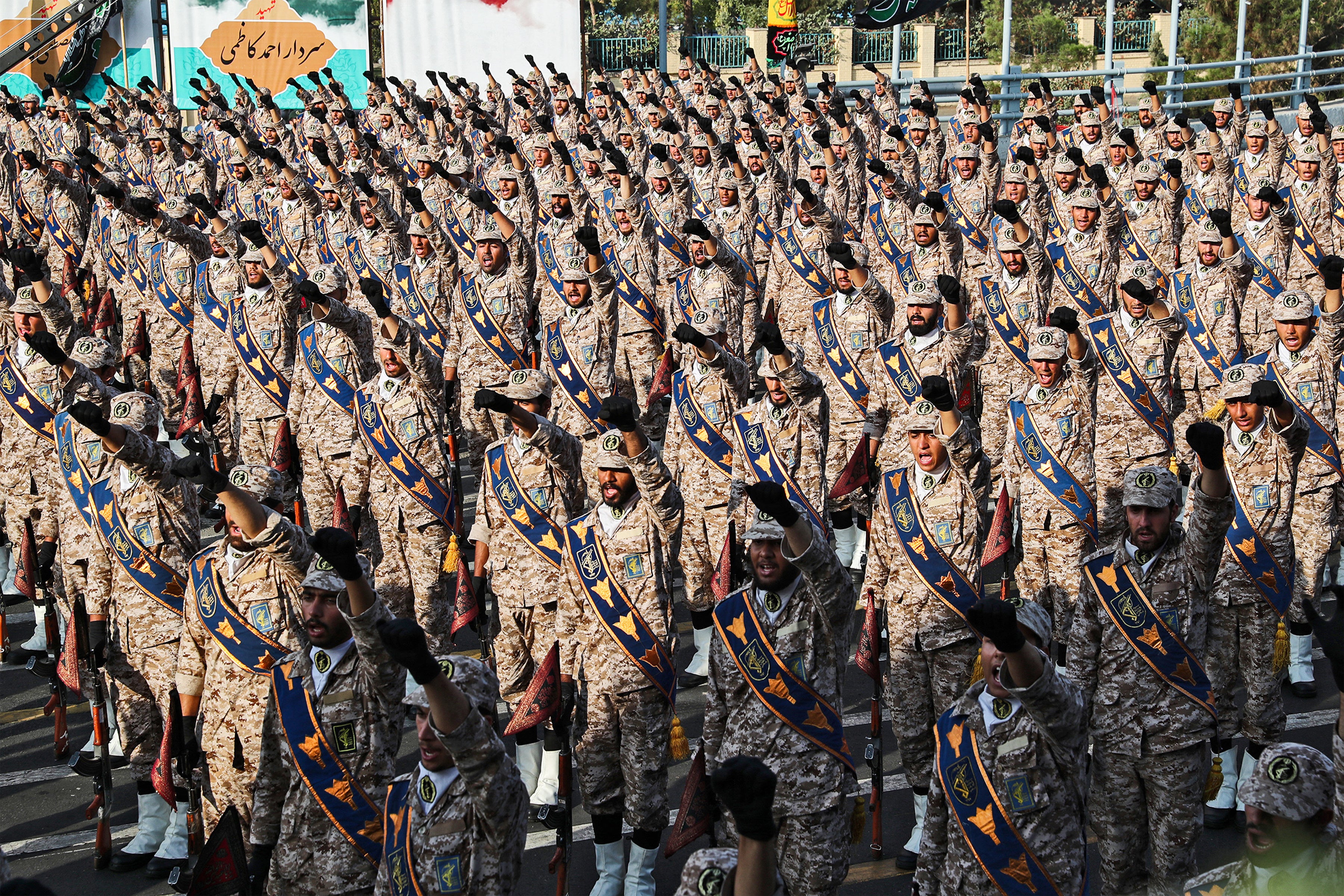
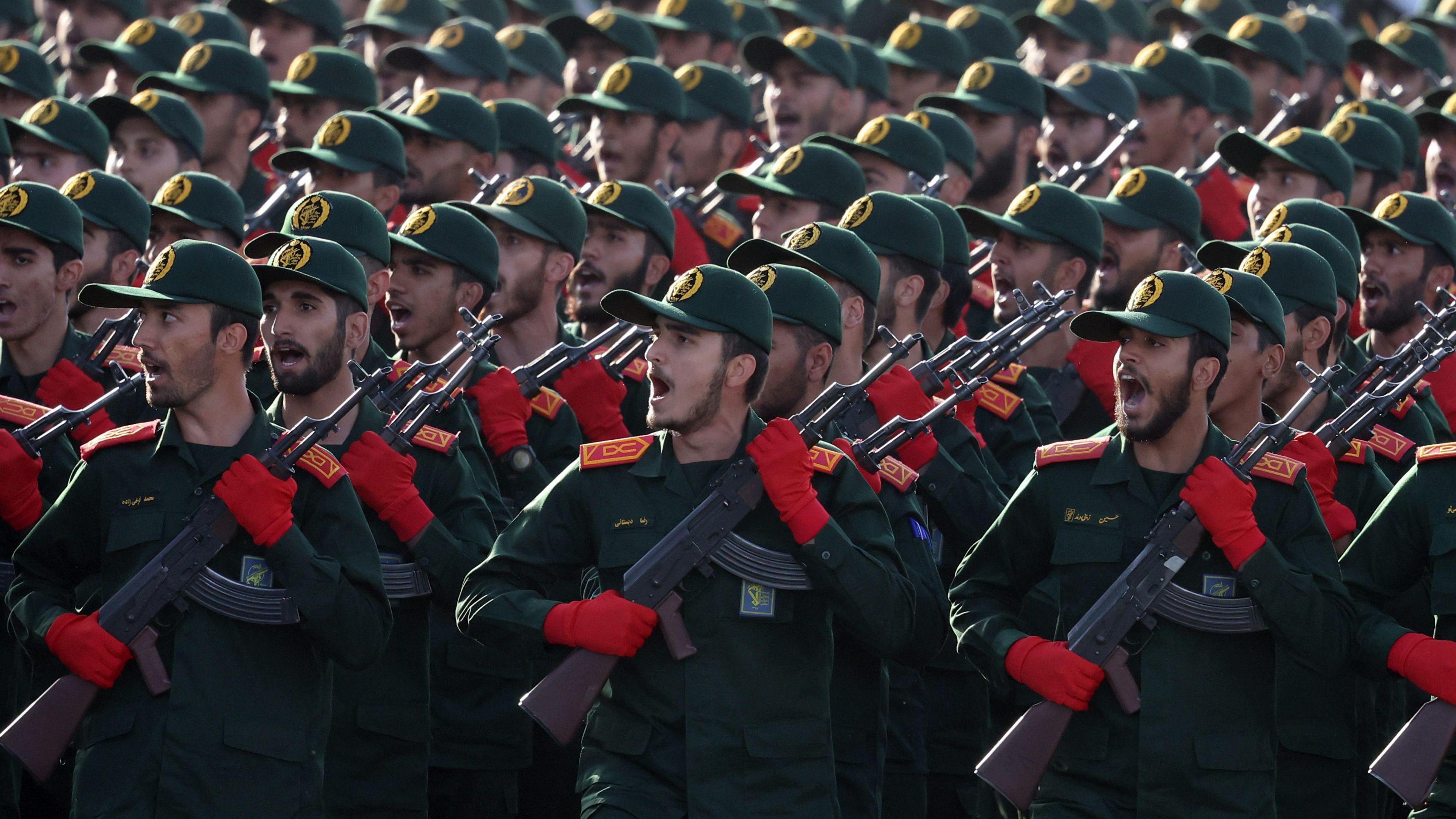
The UK's July 2025 IRGC proscription legislation, combined with Iran's economic collapse (70%+ inflation, tenfold price increases), fundamentally reshapes cross-border trade dynamics for sellers operating in or targeting Iran and UK markets. Prime Minister Keir Starmer committed to introducing proscription measures in Parliament's July 2025 session, following the EU's January 2025 designation of Iran's Islamic Revolutionary Guard Corps as a terrorist organization. This legislative action creates a dual-market crisis: Iran's domestic purchasing power has collapsed (minimum monthly wage ~$104 USD cannot sustain basic living expenses; restaurant meals cost 3-6 million rials; soft drinks exceed 1 million rials), while UK regulatory barriers to Iran-linked commerce intensify dramatically.
For sellers currently operating Iran-focused supply chains, the market opportunity has effectively evaporated. Iran's 70%+ annual inflation and tenfold price increases on basic goods (eggs, rice, cooking oil, meat) indicate consumer purchasing power has contracted by 85-90% in real terms. Cross-border sellers targeting Iranian consumers face a market where average household income cannot support discretionary e-commerce purchases. Simultaneously, the UK's proscription legislation (expected July 2025) will criminalize transactions with IRGC-affiliated entities and proxy networks, creating compliance liability for sellers using Iran-based suppliers, payment processors, or logistics partners. The Community Security Trust documented 3,700 antisemitic incidents in 2025, reflecting heightened security scrutiny affecting all Iran-linked commercial activity in UK jurisdiction.
Strategic pivot opportunities emerge in three directions: (1) Diaspora market repositioning—British Jews emigrating to Israel at 40-year highs creates demand for UK-sourced goods in Israeli e-commerce channels; (2) Compliance-heavy UK operations—sellers must audit supply chains for Iran-linked entities by June 2025 deadline, creating demand for compliance consulting and supply chain verification services; (3) Alternative sourcing corridors—sellers previously sourcing from Iran should immediately shift to Vietnam, India, or Turkey alternatives to avoid proscription liability. The legislation grants proscription-like powers to address state-sponsored proxy groups, meaning sellers cannot use intermediaries to obscure Iran connections. This represents a 12-18 month transition window before enforcement mechanisms fully activate. Sellers with Iran exposure should immediately conduct supply chain audits, document alternative sourcing arrangements, and prepare for potential regulatory investigations. The UK's previous sanctions regime (implemented 2023) targeted individuals; the new proscription framework targets organizational entities, creating broader commercial liability.
Questions 8
How should sellers adjust pricing and inventory strategy for UK market post-proscription?
UK sellers must adjust pricing and inventory to reflect increased compliance costs and reduced Iran-linked competition. Post-proscription, UK market dynamics shift: (1) Compliance costs increase 5-8% for sellers implementing sanctions screening; (2) Iran-linked competitors exit market, reducing price competition by 10-15% in affected categories; (3) Consumer demand shifts toward security-vetted, compliance-certified suppliers (premium positioning opportunity). Sellers should: (1) Increase prices 3-5% to recover compliance costs; (2) Emphasize UK-sourced, compliance-certified positioning in listings; (3) Reduce inventory of Iran-origin products by 30-40% by June 2025; (4) Increase inventory of alternative-sourced products (Vietnam, India, Turkey) by 20-30%. This creates margin expansion opportunity of 8-12% for compliant sellers as non-compliant competitors face enforcement. Estimated inventory adjustment timeline: 90-120 days.
What are the tariff implications for sellers shifting from Iran to Vietnam/India sourcing?
Sellers shifting from Iran to Vietnam/India sourcing experience significant tariff advantages under UK trade agreements. Vietnam benefits from CPTPP membership (0-5% tariff rates on electronics HS 8471, textiles HS 6204) compared to Iran's 15-25% baseline rates. India offers preferential rates under UK-India FTA (negotiated 2024, effective 2025) with 0-8% rates on apparel (HS 6204) and pharmaceuticals (HS 3004). Turkey provides 0% rates under UK-Turkey trade continuity agreement. Tariff savings: Vietnam sourcing saves 10-20% on electronics; India sourcing saves 8-15% on apparel. These savings offset compliance costs and create competitive advantage. Sellers should prioritize Vietnam for electronics/tech (HS 8471, 8517), India for apparel/textiles (HS 6204, 6205), Turkey for home goods (HS 9401-9406). Estimated tariff savings: $2,000-8,000 annually per seller depending on volume.