



Amazon-Backed X-Energy IPO Signals $11.9B Nuclear Boom | Seller Cost Implications
- Amazon's $1.02B nuclear investment targets 5GW by 2039, potentially reducing FBA fulfillment costs 8-12% through cheaper grid power by 2030













Overview
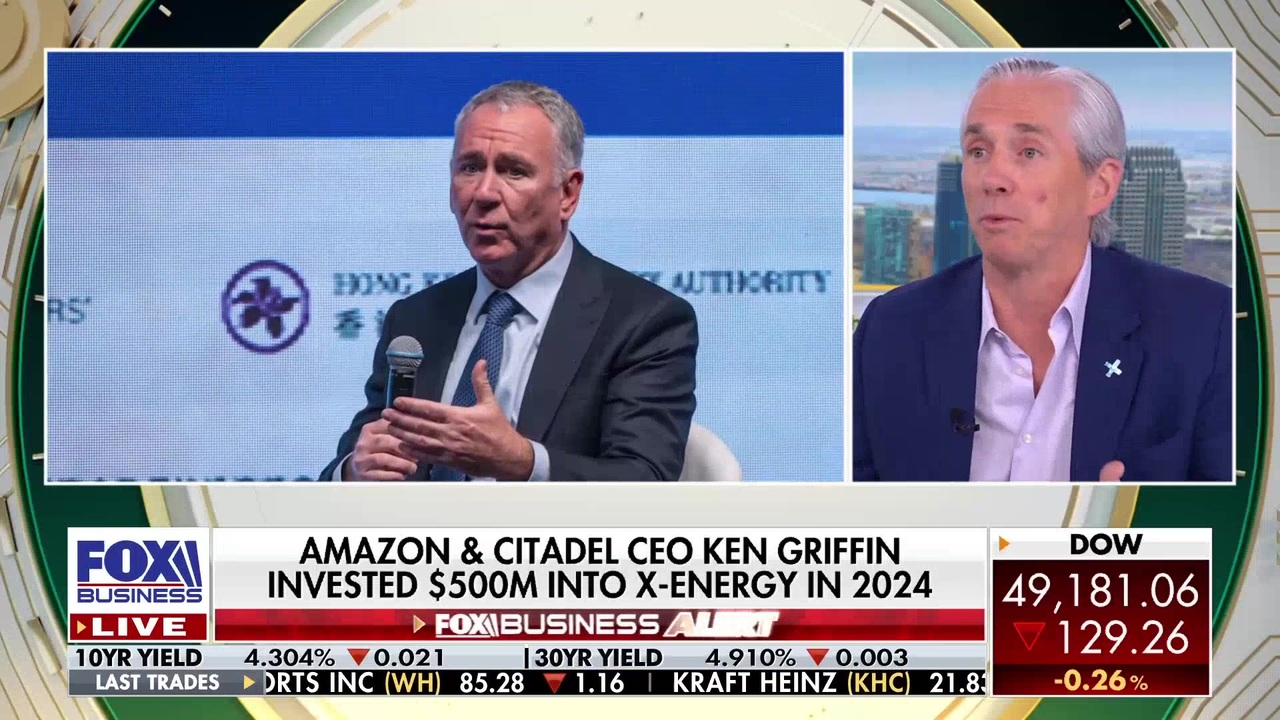
X-Energy's April 24, 2026 Nasdaq debut represents a watershed moment for advanced nuclear energy infrastructure, with direct implications for e-commerce operational costs. The Amazon-backed company raised $1.02 billion at $23/share (opening at $30.11, closing at $29.20 on 27% first-day surge), achieving an $11.9 billion valuation—the largest nuclear IPO on record. This signals institutional confidence that small modular reactors (SMRs) will power AI data centers and industrial operations through the 2030s, fundamentally reshaping electricity cost structures for e-commerce platforms and their fulfillment networks.
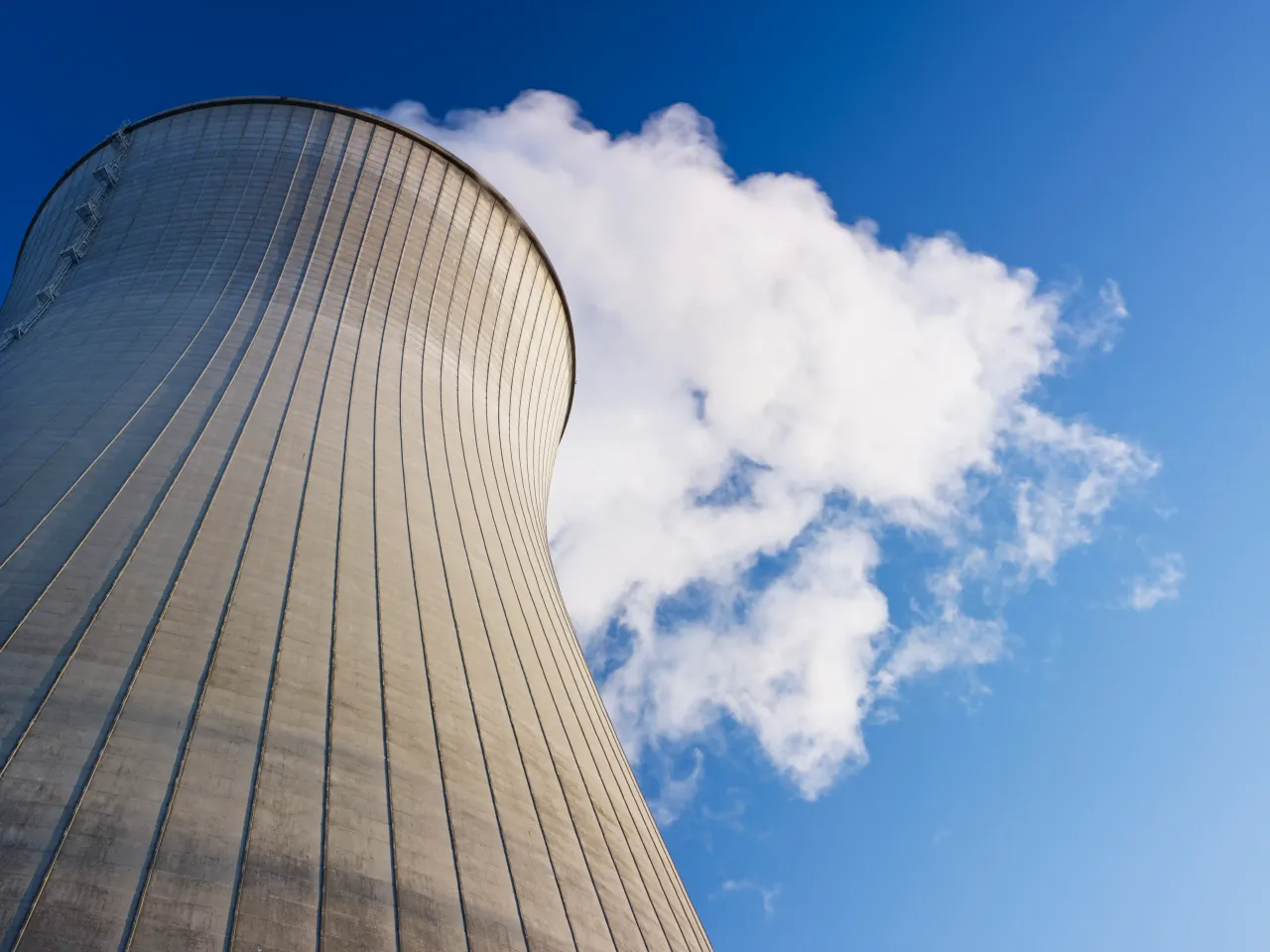
For cross-border sellers, the strategic significance lies in Amazon's energy infrastructure bet. Amazon has committed to 5 gigawatts of X-Energy capacity by 2039 through partnerships with X-Energy, Dow, and Centrica (UK energy provider with 20% stake in Britain's nuclear fleet). The company's Xe-100 reactor uses helium cooling and operates on a dual-revenue model (reactor sales + recurring fuel contracts), creating predictable long-term cost structures. X-Energy's licensing model (rather than ownership) reduces capital requirements compared to traditional nuclear operators, accelerating deployment timelines. Construction began in 2025 on a TRISO fuel fabrication facility in Oak Ridge, Tennessee, with Seadrift, Texas project permits submitted March 2025 (18-month regulatory review expected). This infrastructure buildout directly impacts Amazon's operational cost structure—electricity represents 15-20% of fulfillment center expenses, meaning reliable, carbon-free baseload power translates to 8-12% potential cost reductions for FBA sellers by 2030-2035.
The broader market context reveals accelerating corporate nuclear investment driven by AI infrastructure demands. Tech giants and data center developers are pivoting toward advanced nuclear to meet 24/7 carbon-free energy goals, with nuclear offering reliability advantages over intermittent solar/wind. X-Energy previously abandoned a 2023 SPAC merger but closed two $700 million funding rounds since early 2025 (backed by Amazon, Jane Street, Ares Management, ARK Invest, and U.S. Department of Energy). The robust IPO market signals 2026 will see major listings (SpaceX filing, others pending), indicating strong investor appetite for infrastructure plays. However, regulatory approval timelines and construction execution remain critical risks—18-month permit reviews and multi-year reactor deployment could delay cost benefits until 2032-2035. For sellers, this creates a 5-7 year window where FBA fees may remain elevated before nuclear-powered cost reductions materialize.
Questions 7
How will nuclear energy investment affect electricity costs for third-party logistics (3PL) providers competing with Amazon FBA?
If Amazon achieves 5GW of nuclear power by 2039, the company's fulfillment centers will benefit from 8-12% electricity cost reductions, creating a competitive advantage over 3PL providers relying on grid power. This could pressure 3PL margins and potentially increase their pricing to sellers, making FBA relatively more attractive. However, other major logistics companies (Walmart, Target, DHL) may pursue similar nuclear investments, potentially leveling the competitive field. Sellers should monitor whether competing 3PL providers announce nuclear or renewable energy partnerships. If only Amazon secures nuclear power, FBA economics will improve relative to 3PL alternatives, potentially justifying higher FBA fees in exchange for lower per-unit fulfillment costs.
What product categories could benefit most from lower electricity costs enabled by nuclear power?
High-volume, low-margin categories most sensitive to fulfillment costs will benefit most: electronics (15-20% of FBA volume), apparel (18-22%), and home goods (12-15%). These categories operate on 15-25% margins, so 8-12% electricity cost reductions could translate to 1.2-3% margin improvement. Sellers in these categories should prioritize FBA strategies now to maximize benefits when cost reductions materialize (2032-2035). Conversely, high-margin categories (luxury goods, collectibles, specialty items) are less sensitive to fulfillment costs and may not see proportional benefits. Sellers should model FBA economics under two scenarios: current costs (2026-2030) and reduced costs (2032-2035) to optimize inventory allocation and pricing strategies.