


Jones Act Waiver Extended 90 Days | Shipping Cost Relief for US E-Commerce Sellers
- Reduces domestic shipping costs 3-10% for East Coast sellers; creates 90-day window for supply chain optimization before potential policy reversal


















Overview
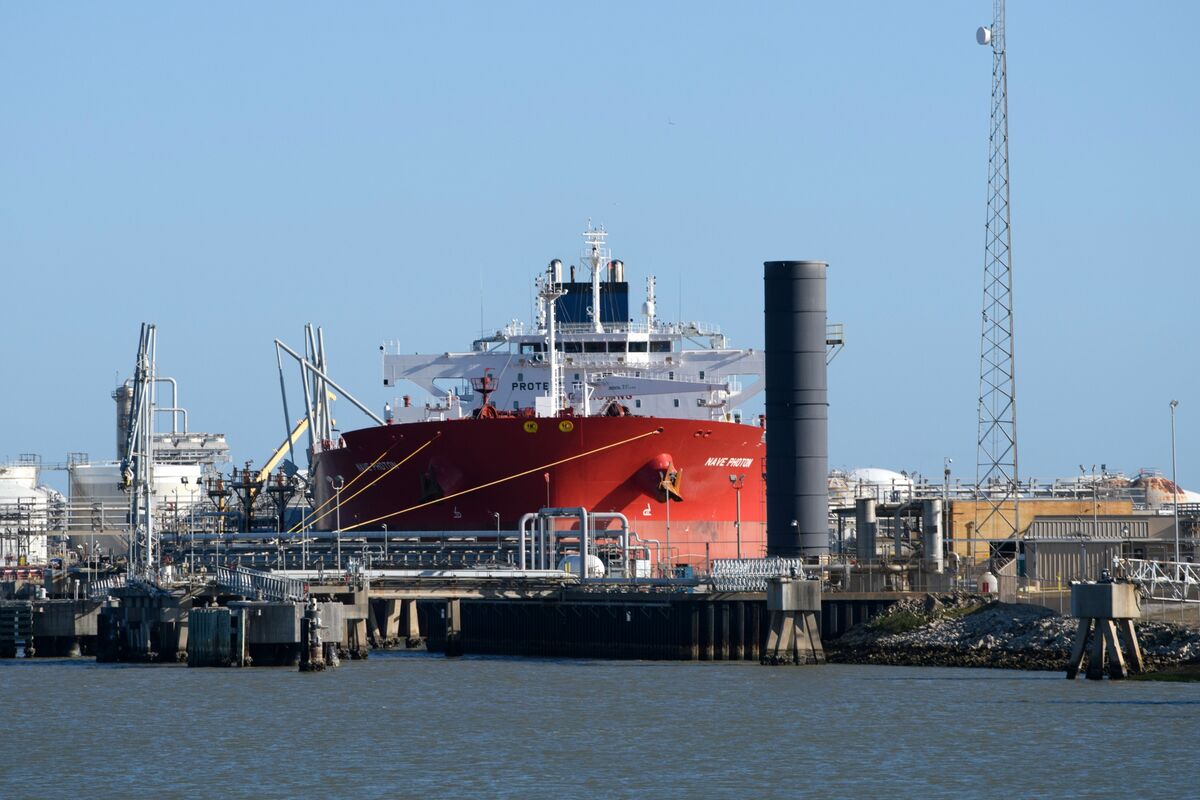
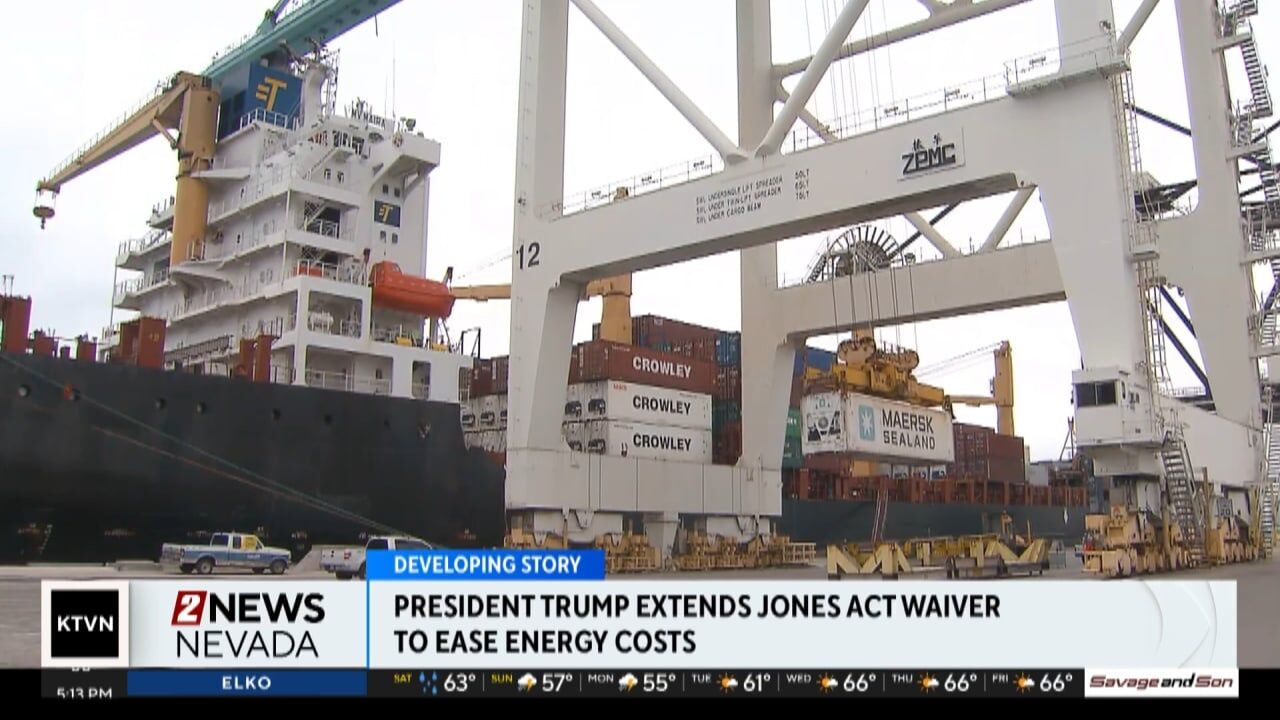
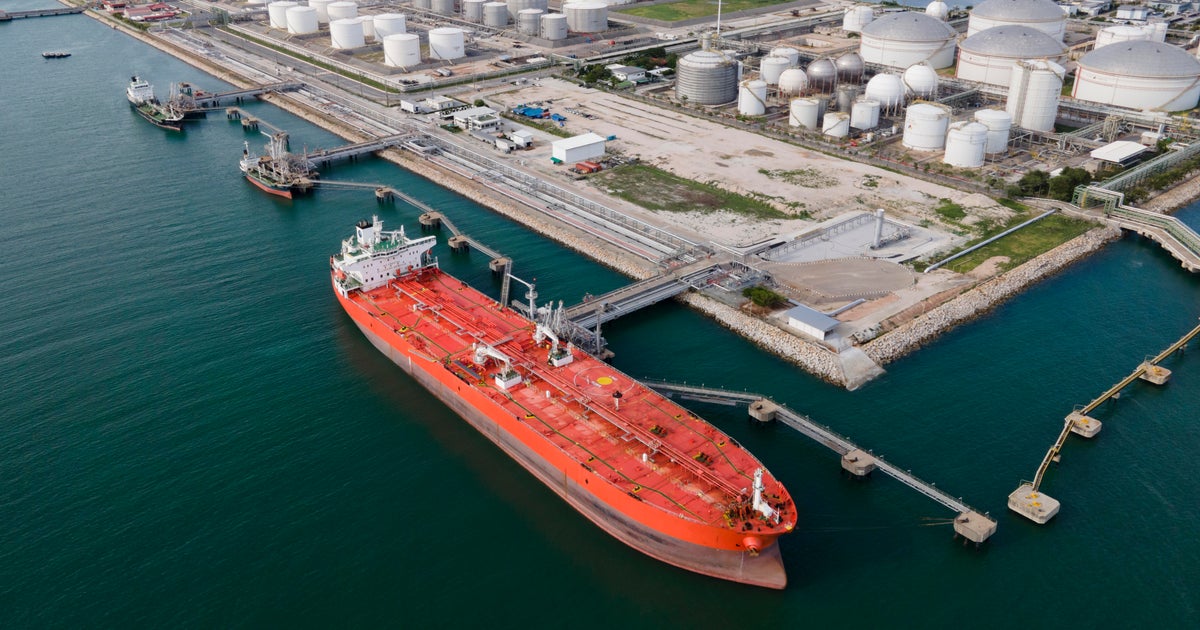
The Trump administration's 90-day extension of the Jones Act waiver represents a critical policy shift for cross-border and domestic e-commerce sellers managing multi-regional US logistics networks. The Jones Act, enacted in 1920, mandates that goods transported between US ports use American-flagged vessels, artificially inflating shipping costs. The waiver permits foreign-flagged vessels to transport fuel, oil, and fertilizer between US ports, directly reducing transportation expenses for sellers reliant on fuel-dependent logistics infrastructure.
Quantified Impact for Sellers: According to JPMorgan's 2022 analysis, the waiver could save East Coast drivers approximately 10 cents per gallon, translating to 3-10% reductions in last-mile delivery costs for regional distribution networks. With national average gas prices at $4/gallon and Brent crude at $105/barrel, the extension provides immediate relief to sellers managing inventory across multiple US regions. The policy directly impacts warehouse operations, 3PL provider rates, and fulfillment center costs—particularly for sellers using FBA (Fulfillment by Amazon) or third-party logistics providers that pass fuel surcharges to merchants.
Strategic Opportunity Window: The 90-day extension creates a time-sensitive arbitrage opportunity. Sellers should immediately audit their shipping cost structures and 3PL contracts to lock in lower rates before the waiver expires. The Center for American Progress noted that while East Coast prices may decrease by only 3 cents, Gulf Coast costs could rise, creating regional pricing disparities. This geographic variance presents opportunities for sellers to shift inventory positioning—moving stock from Gulf Coast warehouses to East Coast fulfillment centers during the waiver period to capitalize on lower transportation costs.
Competitive Dynamics: The waiver disproportionately benefits large-scale sellers with multi-regional distribution networks (Amazon FBA sellers, Walmart Marketplace vendors, eBay bulk shippers) who can immediately reallocate inventory and renegotiate 3PL contracts. Small and medium sellers using single-region fulfillment or relying on carrier-provided shipping may see delayed benefits as fuel surcharges typically lag 30-60 days behind commodity price changes. The policy also creates competitive pressure on domestic maritime shipping, potentially reducing capacity constraints that previously limited inter-port shipping availability.
Risk Mitigation: The extension's temporary nature (90 days) introduces policy uncertainty. Sellers should avoid long-term commitments to lower-cost shipping routes that depend on waiver continuation. The news indicates geopolitical tensions (Iran conflict, Strait of Hormuz closure affecting 20% of global oil shipments) may sustain elevated energy prices regardless of waiver status, suggesting fuel cost reductions may be modest despite policy changes. Sellers should monitor policy developments and establish contingency logistics plans for post-waiver scenarios.
Questions 7
What specific actions should sellers take in the next 30 days?
Immediate actions include: (1) Request rate quotes from 3PL providers and carriers to capture current fuel surcharge levels, (2) Analyze regional fulfillment center costs and inventory positioning to identify relocation opportunities, (3) Review existing logistics contracts for fuel surcharge clauses and renegotiation windows, (4) Calculate potential cost savings by region (East Coast vs. Gulf Coast), (5) Establish contingency logistics plans for post-waiver scenarios. Sellers should also monitor policy announcements and geopolitical developments affecting energy markets. By day 30, sellers should have locked in favorable shipping rates and repositioned inventory to maximize waiver benefits before the 90-day window closes.
How does the Jones Act waiver affect competitive dynamics in e-commerce logistics?
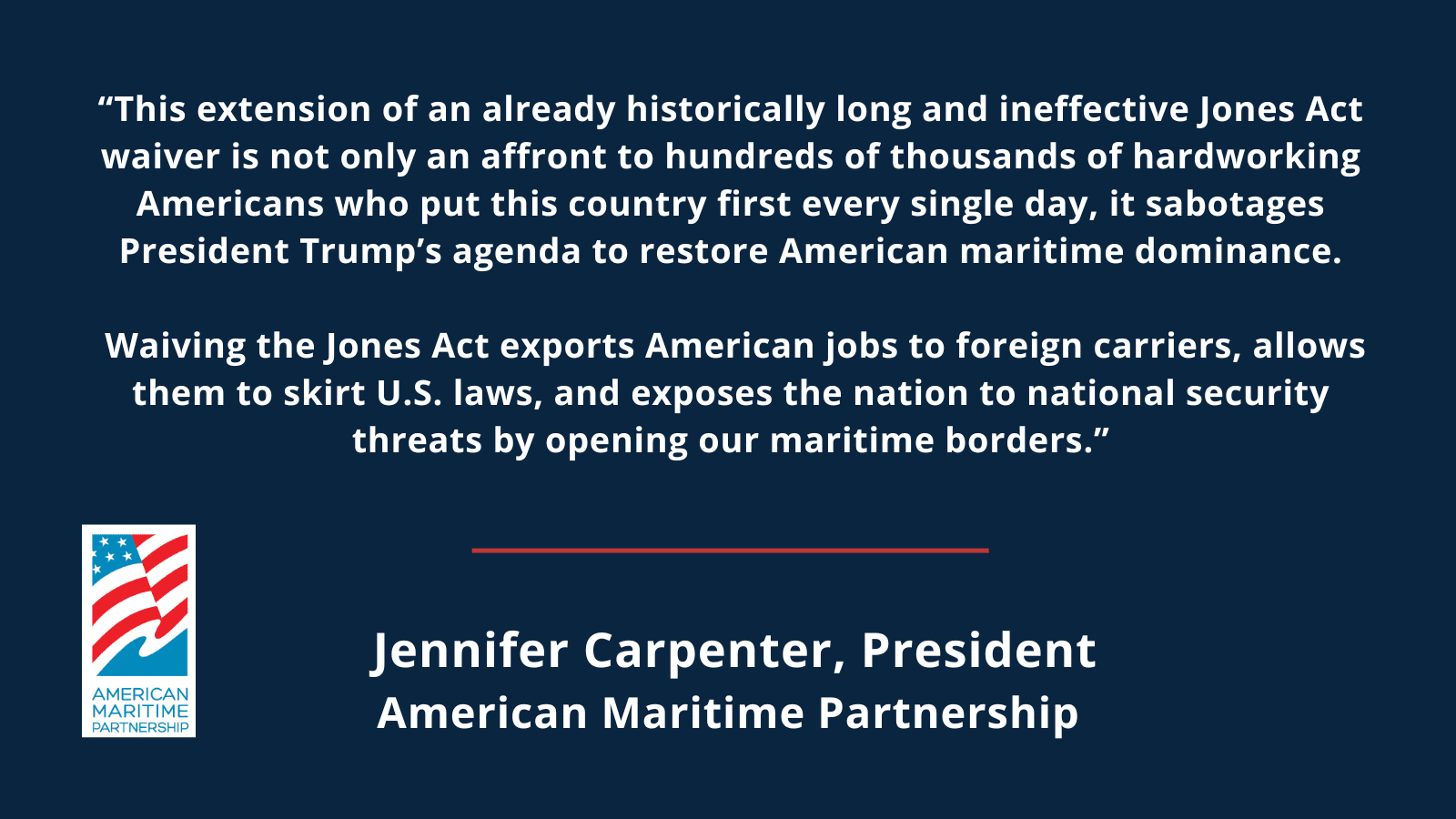
The waiver reduces capacity constraints that previously limited inter-port shipping availability, benefiting sellers who can quickly reallocate inventory across regions. Large sellers with sophisticated logistics infrastructure gain competitive advantages over small sellers using single-region fulfillment. The policy also creates pressure on domestic maritime shipping by allowing foreign-flagged vessels to compete, potentially lowering rates for all sellers but reducing protections for American shipbuilders and maritime workers. Sellers should monitor competitive shipping rate changes and adjust pricing strategies accordingly, as competitors may pass through fuel cost savings to consumers, compressing margins for sellers who don't optimize their logistics networks during the waiver period.