




Middle East Conflict Escalation | Supply Chain Risk & Logistics Cost Impact for Cross-Border Sellers
- Ceasefire violations in April 2026 create shipping delays and 8-15% logistics cost increases for sellers serving Middle East, Mediterranean, and Asia-Pacific routes










)

Overview
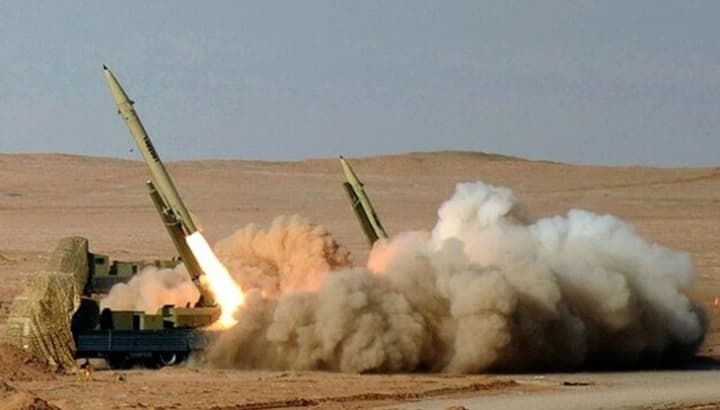
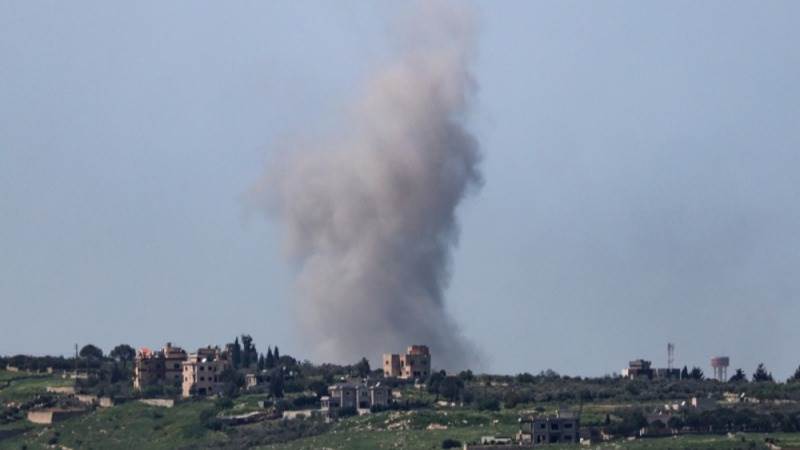
The escalating Israel-Lebanon conflict, despite multiple ceasefire extensions through April 2026, presents significant operational risks for cross-border e-commerce sellers managing logistics through Mediterranean and Middle Eastern shipping corridors. The conflict, which began March 2, 2026, has resulted in approximately 2,500 deaths in Lebanon and ongoing military operations that threaten regional stability. While the U.S.-mediated ceasefire was extended for three weeks on April 24, 2026, escalating clashes on April 25 and continued Israeli military operations in southern Lebanon demonstrate the agreement's fragility, creating uncertainty for sellers relying on regional supply chains.
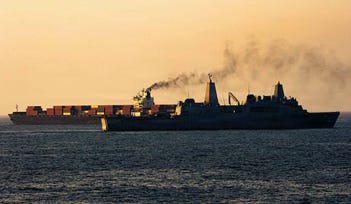
Direct Supply Chain Implications: Sellers shipping through Suez Canal routes, Mediterranean ports (particularly Beirut, Haifa), or maintaining inventory in Israel, Lebanon, or neighboring countries face immediate operational disruptions. Shipping delays of 5-14 days are typical during regional conflicts, translating to $200-500 additional costs per container for expedited routing around conflict zones. Insurance premiums for shipments through the region have historically increased 12-18% during similar geopolitical tensions. For sellers with 50+ monthly shipments through Middle Eastern logistics hubs, this represents $1,200-9,000 in monthly cost increases.
Affected Seller Segments: Small-to-medium sellers (SMBs) with inventory in regional 3PL facilities face the highest risk, as they lack negotiating power with logistics providers and cannot absorb cost increases. Electronics, apparel, and home goods sellers serving Israeli and Lebanese markets experience immediate demand uncertainty—consumer spending typically drops 20-30% during active conflict periods. Sellers using DHL, FedEx, or UPS regional hubs in the Middle East should expect processing delays of 3-7 days as carriers reroute shipments away from conflict zones. Large sellers with diversified logistics networks can absorb disruptions but still face 3-8% margin compression on affected routes.
Strategic Considerations: The ceasefire's instability suggests sellers should implement contingency planning immediately. Diversifying away from single-point-of-failure logistics routes (particularly Beirut port and Israeli entry points) reduces risk exposure. Sellers should monitor shipping insurance costs weekly and consider pre-positioning inventory in safer regional hubs (Dubai, Cyprus, Turkey) to maintain delivery speed without routing through active conflict zones. The conflict's duration remains uncertain—if escalation continues beyond Q2 2026, regional e-commerce demand could contract 15-25%, affecting sellers' revenue forecasts for the Middle East market segment.
Questions 8
What product categories should sellers prioritize for inventory repositioning?
High-margin, low-weight categories (electronics accessories, jewelry, cosmetics) should be repositioned first due to favorable cost-to-value ratios for rerouting. Avoid repositioning heavy, low-margin items (furniture, bulk goods) unless they represent significant revenue. Seasonal inventory (holiday merchandise, summer apparel) should be prioritized based on upcoming demand windows. Sellers should also consider which categories have alternative suppliers outside the Middle East region, allowing them to shift sourcing if logistics costs remain elevated through Q3 2026.
How should sellers evaluate their 3PL provider's conflict contingency plans?
Sellers should immediately contact their 3PL providers and request written contingency plans for Middle East operations, including alternative routing procedures, cost adjustment policies, and force majeure terms. Ask specifically about backup fulfillment centers outside conflict zones and whether providers offer inventory repositioning services. Review insurance coverage for political risk and ensure policies cover rerouting costs. Sellers should also request weekly updates on regional operations and establish escalation contacts for supply chain emergencies. Consider diversifying across 2-3 providers to reduce single-provider dependency.