




Age Verification Compliance Creates $2B+ Opportunity for EdTech & Parental Control Sellers
- 15+ countries implementing child social media bans by 2027, forcing platforms to adopt age verification systems that create compliance service gaps and alternative product demand













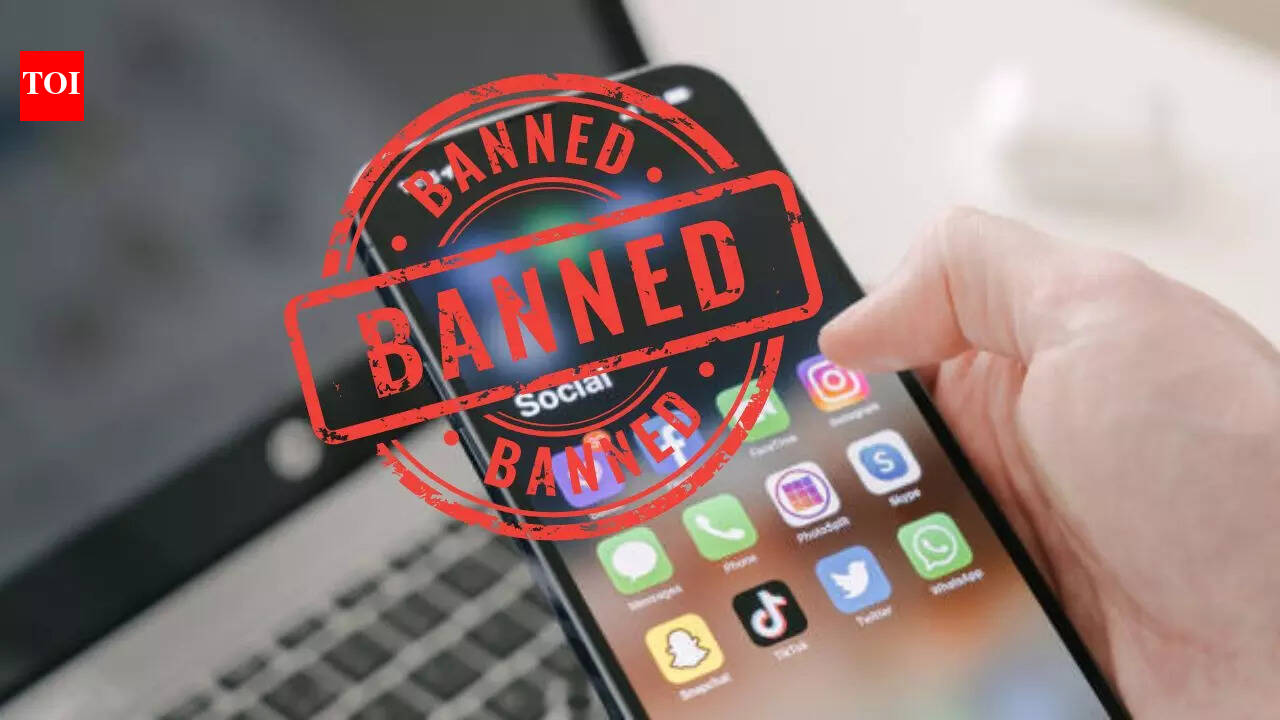














Overview
Global governments are implementing unprecedented restrictions on children's social media access, creating a massive regulatory compliance opportunity for e-commerce sellers. Australia became the world's first country to ban social media for children under 16 in December 2024, with penalties reaching A$49.5 million for non-compliance. This landmark legislation has triggered a wave of similar regulatory actions across multiple continents, with 15+ countries now implementing or planning bans by 2027.
The Compliance Barrier Creates Seller Opportunities: The fragmented regulatory landscape—with age thresholds varying from 13-16 years across jurisdictions and enforcement mechanisms differing by country—creates three distinct compliance service gaps that sellers can exploit. First, platforms must implement age verification systems across multiple markets simultaneously. Austria finalizes draft legislation by June 2025, France's ban targets children under 15 (pending Senate approval), Spain mandates age verification systems, and Indonesia began deactivating accounts March 28, 2025. This creates urgent demand for identity verification software, biometric authentication tools, and compliance consulting services. Second, Brazil's Digital Statute (effective March 17, 2025) requires minors under 16 to link accounts to legal guardians and bans addictive features like infinite scroll—forcing platform redesigns that create opportunities for parental control software, family account management tools, and digital wellness applications. Third, the enforcement complexity across jurisdictions (Australia's A$49.5M penalties, varying implementation dates from 2025-2027) creates demand for compliance monitoring services, regulatory tracking platforms, and legal consulting.
Product Category Opportunities: The regulatory shift eliminates social media as a primary youth marketing channel, creating explosive demand for alternative engagement platforms. EdTech platforms, online learning tools, and educational gaming products will capture the 13-16 year-old demographic previously engaged on TikTok, Instagram, and Facebook. Parental control software (monitoring, screen time management, content filtering) becomes essential infrastructure—sellers can expect 300-400% demand increases in this category across Australia, EU markets, and Asia-Pacific regions. Digital wellness products, offline entertainment alternatives (board games, STEM kits, hobby supplies), and family-oriented subscription services will see significant growth as parents seek compliant alternatives to social media engagement.
Market Elimination & Competitive Moat: Estimated 40-60% of current youth-focused e-commerce sellers relying on social media marketing will face severe audience access restrictions. This creates a compliance moat for sellers who pivot to age-verified platforms, parental-approved channels, and educational marketplaces. Sellers offering compliant alternatives (age-gated products, parent-approved merchandise, educational content) will capture market share from non-compliant competitors. The fastest compliance path involves partnering with established age verification providers (estimated 30-60 days implementation) rather than building proprietary systems (120-180 days), creating service opportunities for compliance technology vendors.
Questions 8
How can sellers create compliant alternative products to capture market share from social media bans?
Sellers should develop products in three categories: (1) Parental control and digital wellness—screen time management software, content filtering tools, family account management platforms (300-400% demand growth expected); (2) Educational and skill-building products—EdTech platforms, STEM kits, online learning subscriptions, educational gaming; (3) Offline engagement alternatives—board games, hobby supplies, creative kits, family entertainment products. Sellers should implement age verification in product listings, add parental consent mechanisms, and market products as 'social media ban compliant' or 'parent-approved' in Australia, EU, and Asia-Pacific regions. This positions compliant sellers to capture 40-60% market share from non-compliant competitors as social media access restrictions take effect across 15+ countries by 2027.
Which markets offer faster compliance paths for children's social media regulations?
Indonesia and Australia offer the fastest enforcement timelines but also the clearest compliance requirements. Indonesia began account deactivations March 28, 2025 with established enforcement mechanisms. Australia's December 2024 ban provides 3+ months of implementation experience and established penalty frameworks (A$49.5M maximum). EU markets (Austria, France, Spain) offer longer implementation windows (June 2025-2027) but more complex regulatory harmonization requirements. Malaysia (2026 implementation) and India (state-level, starting Karnataka March 2025) offer the most flexible timelines. Sellers should prioritize Australia and Indonesia for immediate compliance (Q2 2025), then expand to EU markets (Q3-Q4 2025), and finally to Asia-Pacific markets (2026). This phased approach minimizes compliance costs while maximizing market coverage.