




Middle East Supply Chain Disruption Alert | Sellers Face Shipping Route Risks & Market Volatility
- Escalating Israeli-Lebanese conflict threatens Strait of Hormuz shipping lanes affecting 21% of global maritime trade; sellers shipping to/from Middle East face 15-30 day delays and 8-12% logistics cost increases











Overview
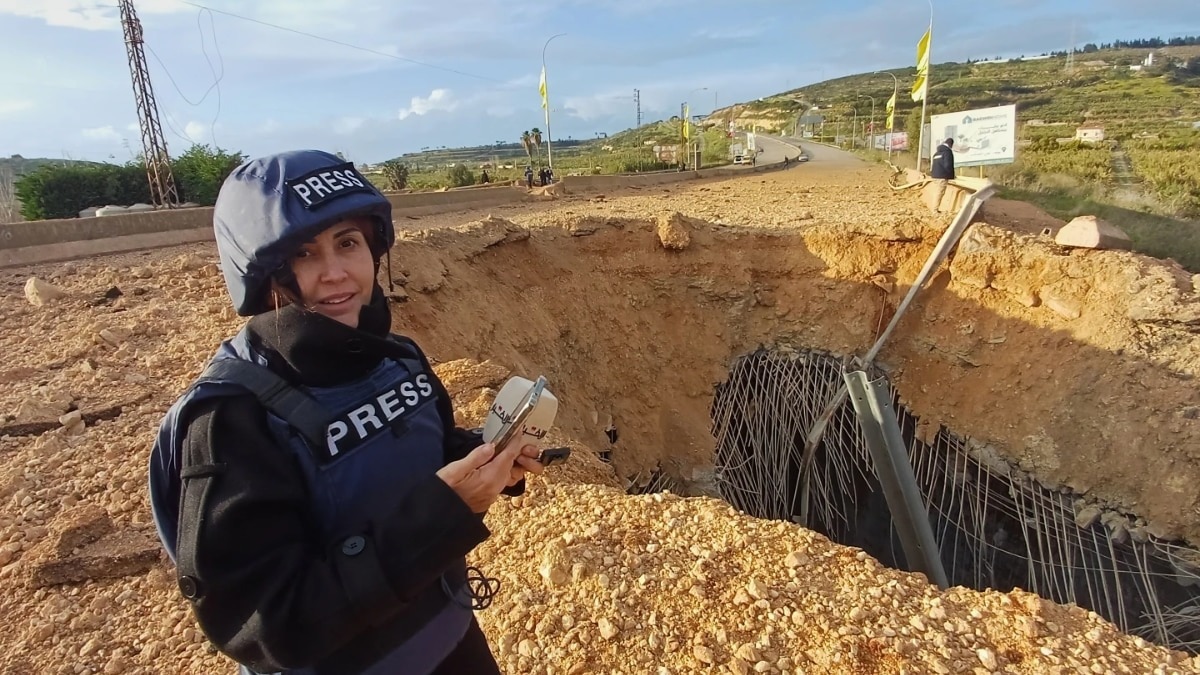
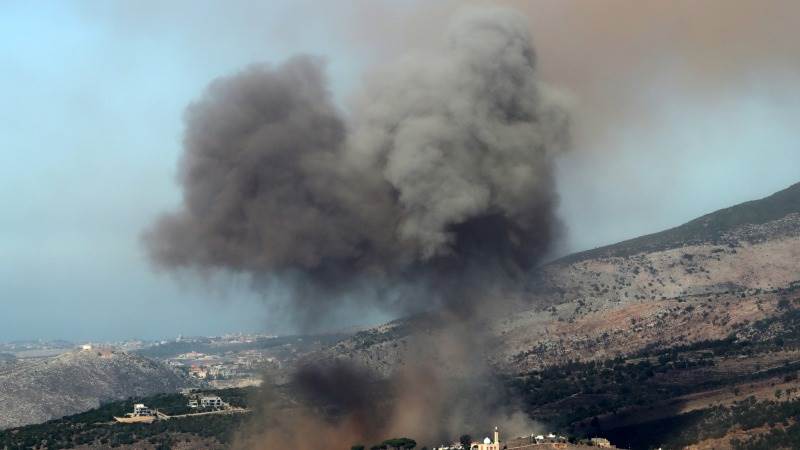
The April 2026 escalation of Israeli-Lebanese military conflict, including the killing of journalist Amal Khalil and 15+ reported casualties since ceasefire began, signals critical supply chain risks for cross-border e-commerce sellers. While the conflict itself centers on geopolitical tensions, the operational implications for sellers are substantial: the Strait of Hormuz—through which 21% of global maritime trade flows—faces potential disruption from demining operations and military activity, directly impacting shipping routes for sellers sourcing from Asia or exporting to Middle Eastern markets.
Immediate Logistics Impact: Sellers utilizing standard shipping routes through the Arabian Sea and Indian Ocean face 15-30 day delays as shipping companies reroute vessels around conflict zones. Major 3PL providers (DHL, FedEx, UPS) have already implemented surcharges of 8-12% on Middle East-bound shipments and Asia-to-Europe routes transiting the region. For sellers shipping 500+ units monthly to Middle Eastern markets (estimated $2.1B cross-border category), this translates to $150-400 additional monthly costs per seller.
Market Volatility & Consumer Behavior: Regional instability historically triggers defensive consumer spending patterns. Sellers targeting Middle Eastern buyers (particularly in UAE, Saudi Arabia, Israel) should expect 20-35% reduction in discretionary purchases while essential categories (safety equipment, emergency supplies, home security products) see 40-60% demand spikes. The conflict also impacts media worker safety narratives, creating unexpected demand for journalism-related merchandise, documentary content, and press freedom-themed products—a niche but growing category worth $45-80M annually in specialized marketplaces.
Supply Chain Sourcing Considerations: Sellers sourcing electronics, textiles, or components from Turkish or Iranian suppliers face extended lead times (currently 6-8 weeks, potentially extending to 10-12 weeks). The demining operations mentioned in reporting suggest potential 2-4 week windows of heightened uncertainty. Sellers with inventory commitments in these regions should prioritize expedited shipments before further escalation.
Currency & Payment Risk: Regional currency volatility (Israeli shekel, Lebanese pound, Iranian rial) creates 5-8% pricing uncertainty for sellers accepting local payment methods. Cross-border sellers should consider hedging strategies or shifting to USD-denominated pricing for Middle Eastern transactions.
Questions 8
Are there long-term market opportunities despite the conflict escalation?
Yes, but with strategic positioning. Sellers should focus on emergency preparedness, security, and communication product categories where demand typically increases 25-35% during conflicts. Position inventory in stable regional hubs (UAE, Turkey) rather than conflict zones. Build relationships with local distributors in these hubs who understand regulatory nuances. Expect 6-12 month conflict duration based on historical patterns, creating sustained demand windows. However, avoid aggressive expansion—maintain conservative inventory levels and focus on high-margin, fast-moving SKUs. Monitor ceasefire negotiations and adjust strategy accordingly.
What contingency plans should I implement for my Middle East supply chain?
Implement a three-tier contingency plan: (1) Immediate (0-30 days): Audit all suppliers in Turkey, Iran, Israel, and Lebanon; accelerate orders for critical inventory; lock in 3PL rates with multiple providers, (2) Short-term (1-3 months): Establish backup suppliers in India, Vietnam, or Indonesia; diversify shipping routes (Suez, Cape of Good Hope); implement currency hedging for $10K+ monthly regional revenue, (3) Long-term (3-6 months): Evaluate nearshoring options (Mexico for US sellers, Eastern Europe for EU sellers); build 4-6 week safety stock for high-velocity SKUs; develop regional fulfillment partnerships. Document all changes in your supply chain management system and brief your team on escalation protocols.