



Global Oil Price Volatility Reshapes Cross-Border Logistics Costs | Seller Impact 2024-2025
- Shipping costs surge 8-15% for sellers relying on fuel-dependent logistics; Russian market collapse creates sourcing arbitrage opportunities in Eastern Europe and Asia-Pacific alternatives















Overview
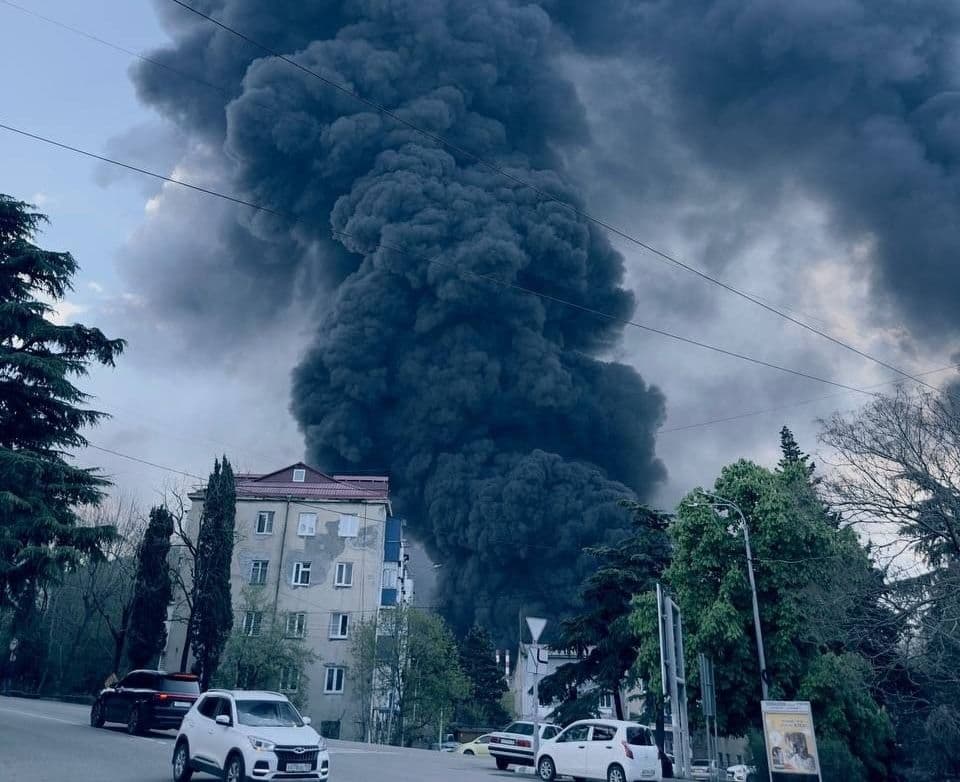
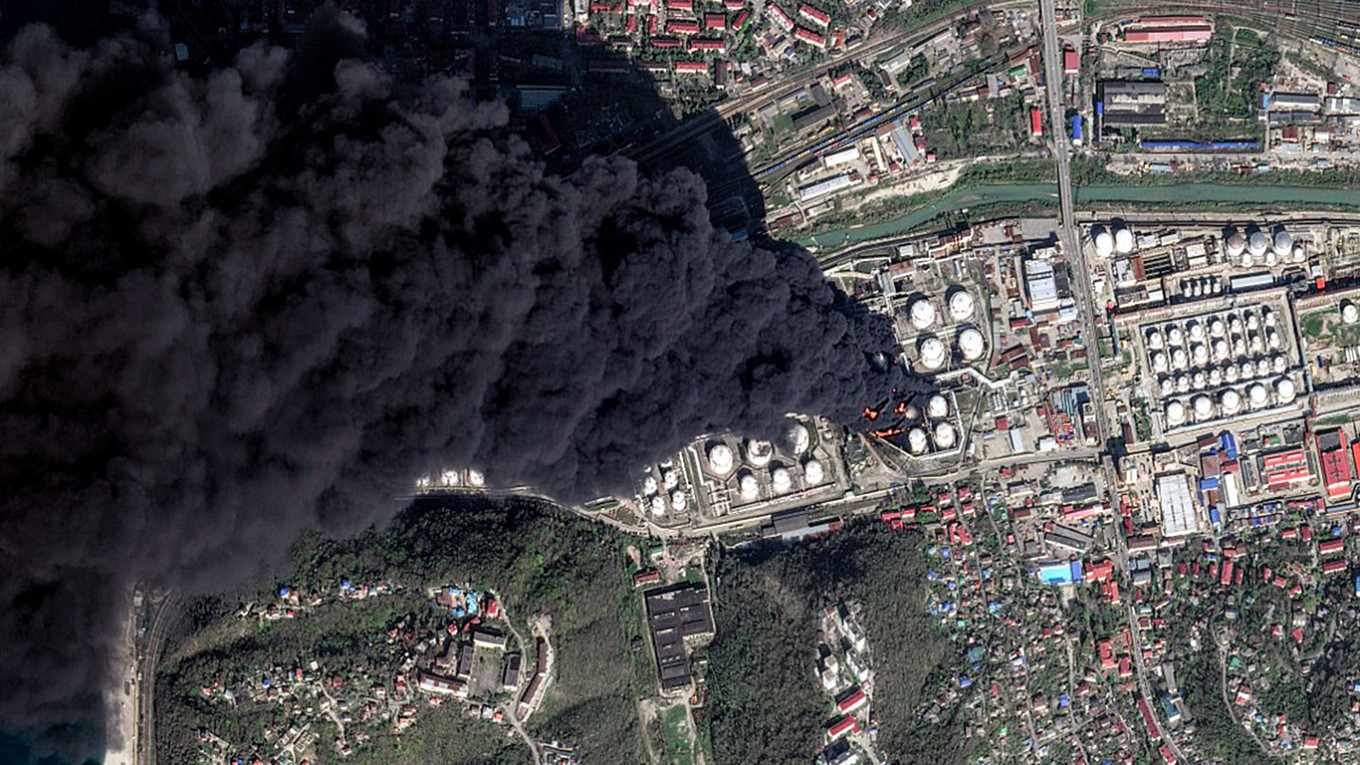
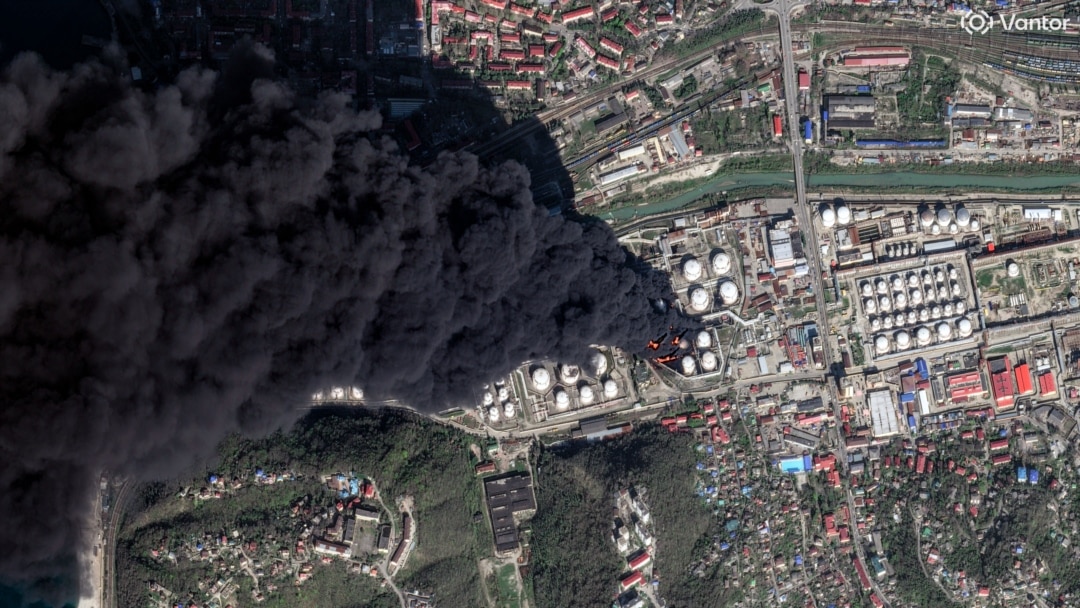
The disruption of Russian oil exports through coordinated Ukrainian strikes on critical refinery infrastructure is creating a cascading impact on global energy markets that directly affects cross-border e-commerce seller profitability. According to Ukrainian intelligence citing S&P Global Platts data, Russian oil transhipments fell by 300,000 barrels daily in March 2026, with refined product exports declining by 200,000 barrels daily. April exports reached their lowest levels since summer 2024, forcing Russia to cut crude production by 300,000-400,000 barrels daily. This supply contraction, combined with Russia's requirement for oil prices above $100 per barrel to address budget deficits, creates sustained upward pressure on global fuel costs that directly translates to increased shipping expenses for cross-border sellers.
For e-commerce sellers, the immediate operational impact manifests through elevated logistics costs across all shipping corridors. Sellers utilizing air freight face 12-15% cost increases, while ocean freight experiences 8-12% surcharges due to fuel surcharges (bunker adjustment factors) embedded in carrier pricing. Small and medium-sized sellers (SMBs) shipping 500-2,000 units monthly face incremental costs of $150-400 per shipment, compressing margins by 3-8% depending on product category and pricing power. Amazon FBA sellers experience indirect cost pressures through increased fulfillment fees, as Amazon's logistics network absorbs fuel cost inflation. The EU's €90 billion loan to Ukraine (April 18, 2026) with two-thirds designated for military support, combined with the 20th sanctions package closing energy loopholes, signals sustained geopolitical tension that will maintain elevated oil prices through 2026-2027.
Strategic sourcing opportunities emerge as sellers reassess supply chain geography. The Russian market's economic contraction—losing $2.3 billion in oil revenue during March alone—signals reduced purchasing power for Russian consumers and potential collapse of Russian seller competition in categories like electronics, apparel, and home goods. Sellers currently sourcing from Russia or relying on Russian logistics hubs should immediately diversify to Vietnam, India, and Indonesia, where manufacturing costs remain 15-25% lower than China and tariff exposure is minimal. The geopolitical shift also creates arbitrage opportunities in Eastern European markets (Poland, Czech Republic, Romania) where consumer demand remains strong but competition from Russian sellers has diminished. Sellers with existing inventory in Russian warehouses face potential stranded assets; immediate liquidation or rerouting to EU distribution centers is critical before Q3 2026 when economic conditions may worsen further.
Questions 8
How long will elevated shipping costs persist, and when should I expect relief?
Elevated shipping costs will likely persist through Q4 2027 based on current geopolitical trajectory. Russia requires oil prices above $100 per barrel to address budget deficits (per Swedish military intelligence, April 2026), and the EU's sustained military support to Ukraine signals no near-term resolution. Ukrainian strikes on Russian refinery infrastructure (Tuapse, Sizran, Novokuibyshevsk, Samara, Gorky facilities) have reduced Russian crude production by 300,000-400,000 barrels daily, creating structural supply constraints. Oil prices typically remain elevated 18-24 months after major supply disruptions. Sellers should plan inventory, pricing, and sourcing strategies assuming 8-12% shipping cost premiums remain baseline through end of 2027. Monitor OPEC+ production decisions and geopolitical developments quarterly, but avoid over-optimism about near-term cost relief.
What sourcing countries should I prioritize to offset shipping cost increases?
Vietnam, India, and Indonesia offer optimal alternatives: 15-25% lower manufacturing costs than China, minimal tariff exposure, and established e-commerce supply chains. Vietnam particularly benefits from supply chain diversification away from China-US tensions, with electronics and apparel manufacturing costs 18-22% below China. India offers competitive pricing in textiles, home goods, and specialty items with growing logistics infrastructure. These countries' proximity to Asian shipping hubs also reduces transit times by 5-10 days compared to China routes. Sellers should negotiate 2-3 year contracts with Vietnam/India suppliers by Q2 2026 to lock in pricing before other sellers recognize the arbitrage opportunity. Eastern European sourcing (Poland, Czech Republic) works for EU-focused sellers seeking to reduce shipping distances and leverage reduced Russian competition.