


China Export Controls on EU Defense Firms | Critical Supply Chain Disruption for Cross-Border Tech Sellers
- April 24, 2026 ban affects 7 EU entities; dual-use components (rare earths, advanced electronics) face immediate restrictions; sellers sourcing from China for EU tech/aerospace sectors face 15-25% cost increases and 4-8 week approval delays










Overview
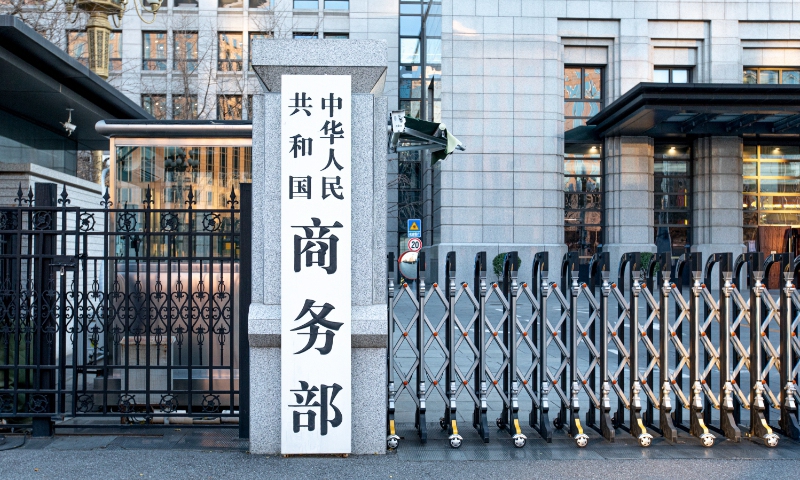
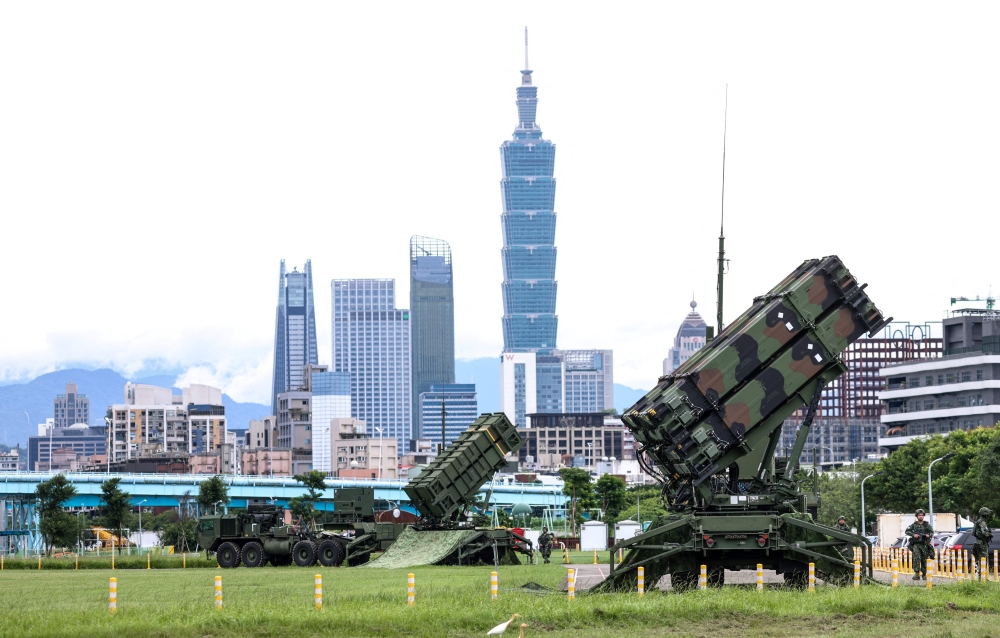
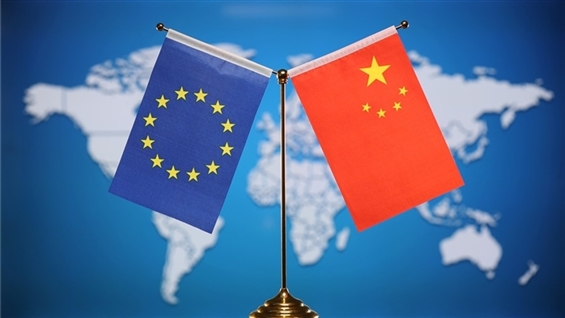
On April 24, 2026, China's Ministry of Commerce announced export controls targeting seven European Union entities, effectively banning them from receiving dual-use items—products with legitimate civilian applications but potential military repurposing. The targeted companies include Hensoldt AG (Germany), FN Browning (Belgium), and four Czech entities including Excalibur Army, in response to Taiwan arms sales and defense cooperation. This represents a watershed moment for cross-border e-commerce sellers operating in the EU-China trade corridor, as dual-use items encompass advanced electronics, precision manufacturing equipment, rare earth elements, specialized chemicals, and software technologies essential to drone manufacturing, semiconductor production, and industrial automation.
For B2B suppliers and component sellers, this creates immediate operational friction. Sellers sourcing advanced electronics (HS codes 8471-8549), precision machinery (HS 8456-8480), or rare earth elements (HS 2805-2846) from Chinese manufacturers for European customers must now verify whether their business partners appear on the export control list. The measure takes immediate effect with no transition period, meaning existing supply contracts face disruption. Companies report 4-8 week approval delays for case-by-case exceptions, translating to $2,000-5,000 per shipment in compliance costs and working capital delays. Sellers with EU-based customers in aerospace, defense electronics, or industrial automation sectors face the highest exposure.
The competitive landscape shifts dramatically for alternative sourcing. Sellers previously relying on China's cost advantage (typically 30-40% lower than EU/US suppliers) must now evaluate Vietnam, India, Taiwan, and South Korea as alternative sources for dual-use components. Vietnam's electronics manufacturing capacity has grown 45% since 2022, while India's precision engineering sector offers 15-20% cost premiums over China but avoids geopolitical restrictions. This creates a 6-12 month window for sellers to establish alternative supply chains before competitors saturate these markets. Small-to-medium sellers (annual revenue $500K-$5M) face the highest risk, as they lack negotiating power to secure priority allocation from alternative suppliers. Large multinational sellers with established relationships in Vietnam and India gain competitive advantage.
The broader pattern signals escalating use of export controls as trade weapons. China has sanctioned major US defense contractors repeatedly (most recently December 2025 for an $11 billion Taiwan weapons package), and this EU action represents the first major Taiwan-related sanctions targeting European entities in three decades. Sellers should expect similar measures to expand to additional companies and product categories. The Ministry's statement allowing "case-by-case exceptions through formal application processes" creates compliance complexity—sellers must maintain detailed documentation of end-use certifications and customer verification to qualify for exceptions. This administrative burden favors large sellers with dedicated compliance teams over smaller operators.
Questions 8
How does the tariff impact differ between China-sourced and alternative-sourced dual-use components for EU sellers?
China-sourced dual-use components now face **immediate export restrictions** (effective April 24, 2026) with 4-8 week approval delays and $2,000-5,000 per-shipment compliance costs. Vietnam-sourced components face standard EU tariffs (typically 0-5% for electronics, HS 8471-8549) with no geopolitical restrictions. India-sourced components face similar tariff treatment but at 15-20% cost premiums over China. The effective cost comparison: China (previously 30-40% cost advantage) now costs 15-25% more due to compliance delays and approval fees, while Vietnam costs only 5-10% more than pre-restriction China pricing. For sellers with high-volume shipments (1,000+ units monthly), the compliance cost burden ($2,000-5,000 per shipment) translates to $0.50-2.00 per unit, compressing margins by 8-12%. Alternative sourcing becomes cost-competitive within 6-12 months as sellers establish relationships and scale volumes.
What immediate actions should sellers take to mitigate supply chain disruption from China's export controls?
**Immediate actions (0-30 days):** Verify whether your EU customers or supply chain partners appear on the Ministry of Commerce list. Review existing contracts for dual-use component sourcing and identify potential disruptions. Contact Chinese suppliers to understand approval timelines for case-by-case exceptions. **Strategic adjustments (1-6 months):** Evaluate alternative sourcing from Vietnam, India, Taiwan, and South Korea. Establish relationships with 2-3 alternative suppliers to reduce single-country risk. Implement end-use certification and customer verification procedures to qualify for exceptions. Consider shifting 20-30% of dual-use component sourcing to alternative countries. **Risk mitigation:** Conduct compliance audits to identify exposure to sanctioned entities. Maintain detailed documentation of all export control compliance efforts. Monitor Ministry announcements for list expansions. Avoid sourcing from sanctioned companies entirely to eliminate regulatory risk.