



Strait of Hormuz Blockade Drives 20% Oil Supply Loss | Shipping Cost Crisis for Cross-Border Sellers
- 13M barrels/day disruption increases logistics costs 15-25% for Asia-Europe-North America corridors; Brent crude at $107/barrel; critical window before June European shortages












Overview
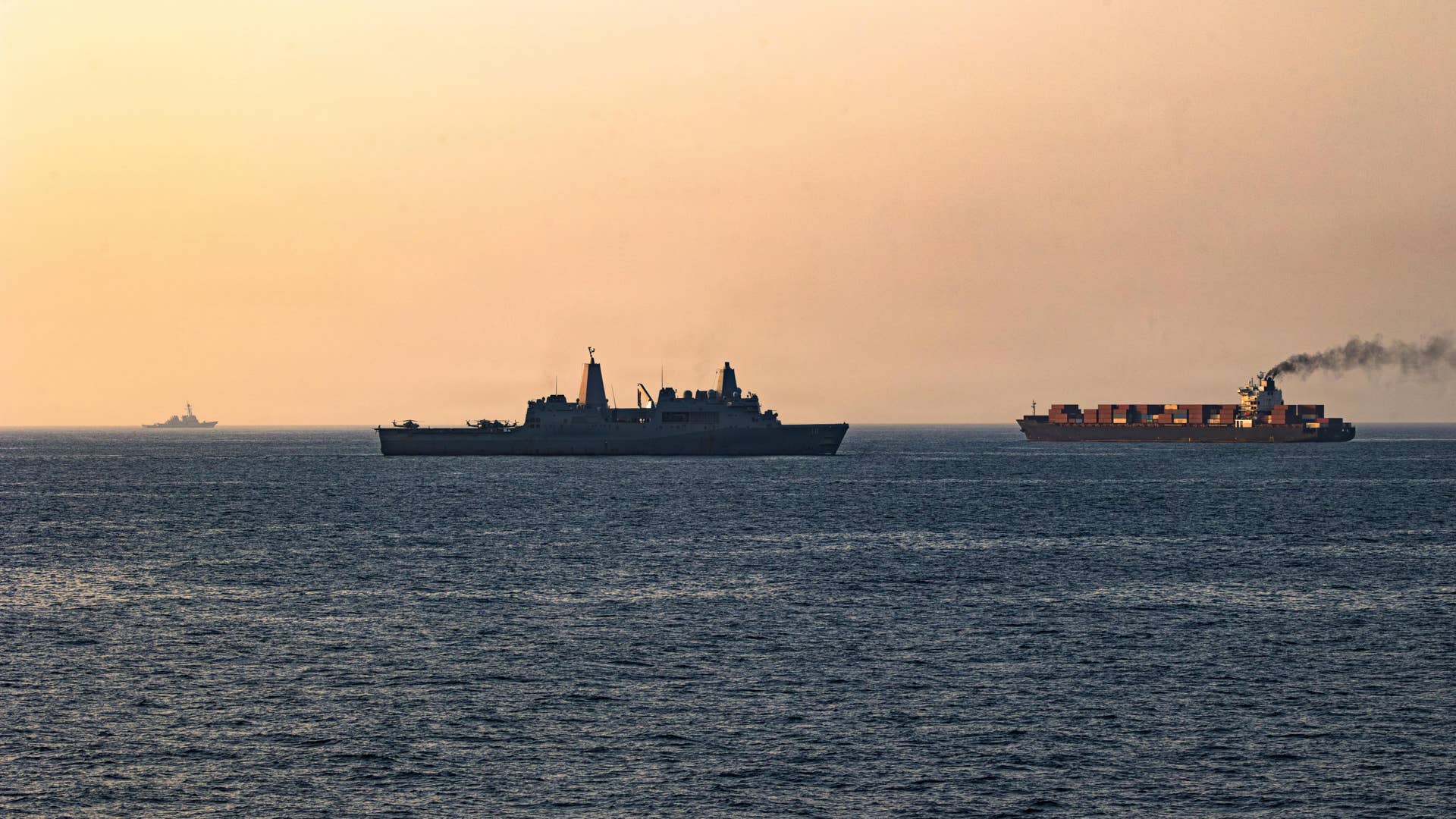
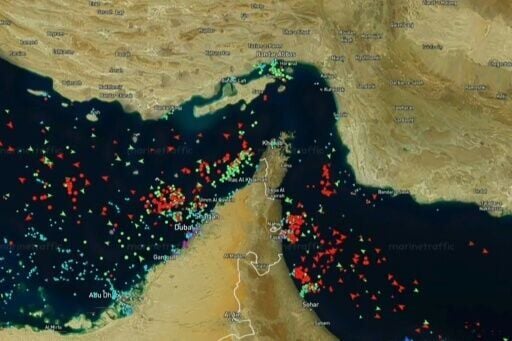
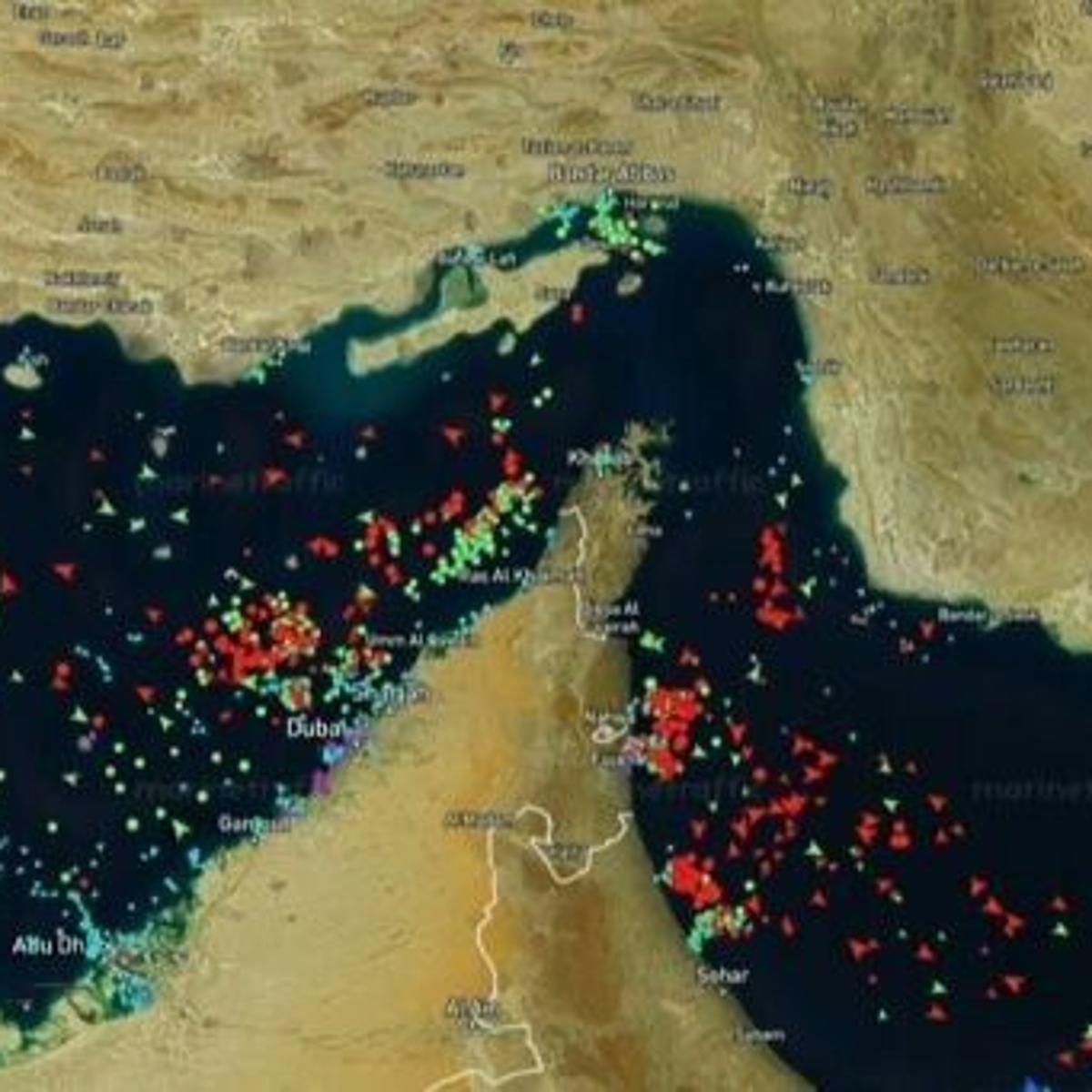
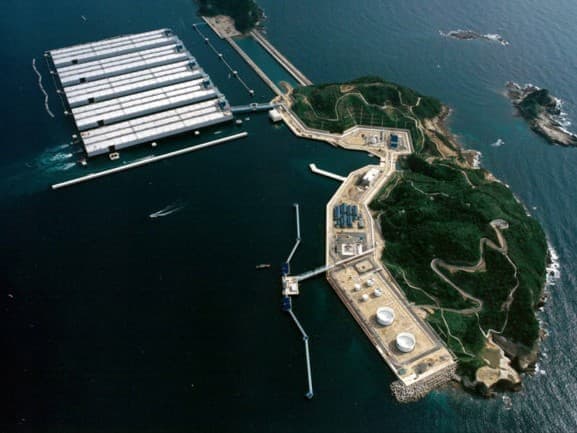
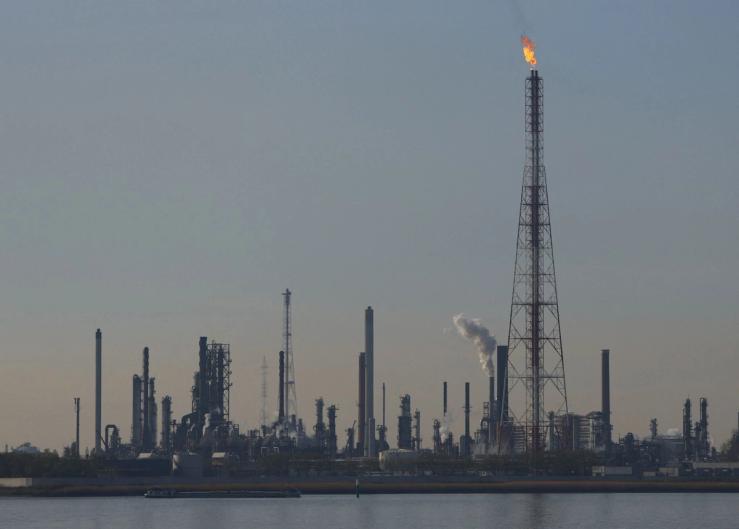
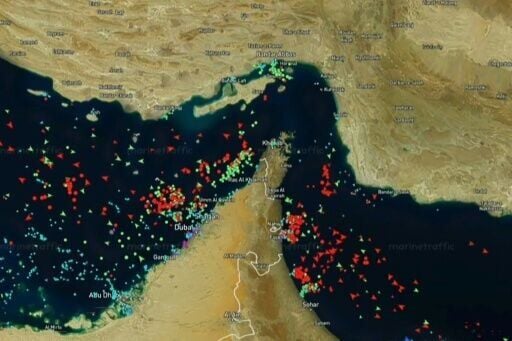
The Iran-Israel conflict has created an unprecedented logistics crisis for cross-border e-commerce sellers through the blockade of the Strait of Hormuz, which previously carried approximately 20 million barrels of oil and petroleum products daily—roughly one-fifth of global oil output. As of April 24-25, 2026, the blockade has persisted for over 50 days with only five vessels transiting the strait in 24-hour periods, creating severe supply disruptions. Brent crude prices have surged to $107 per barrel (up nearly 20% weekly), while WTI trades at $94.40, with weekly gains of approximately $16 and $13 respectively reflecting market anxiety over geopolitical escalation.
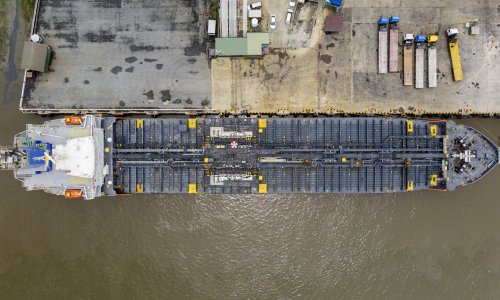
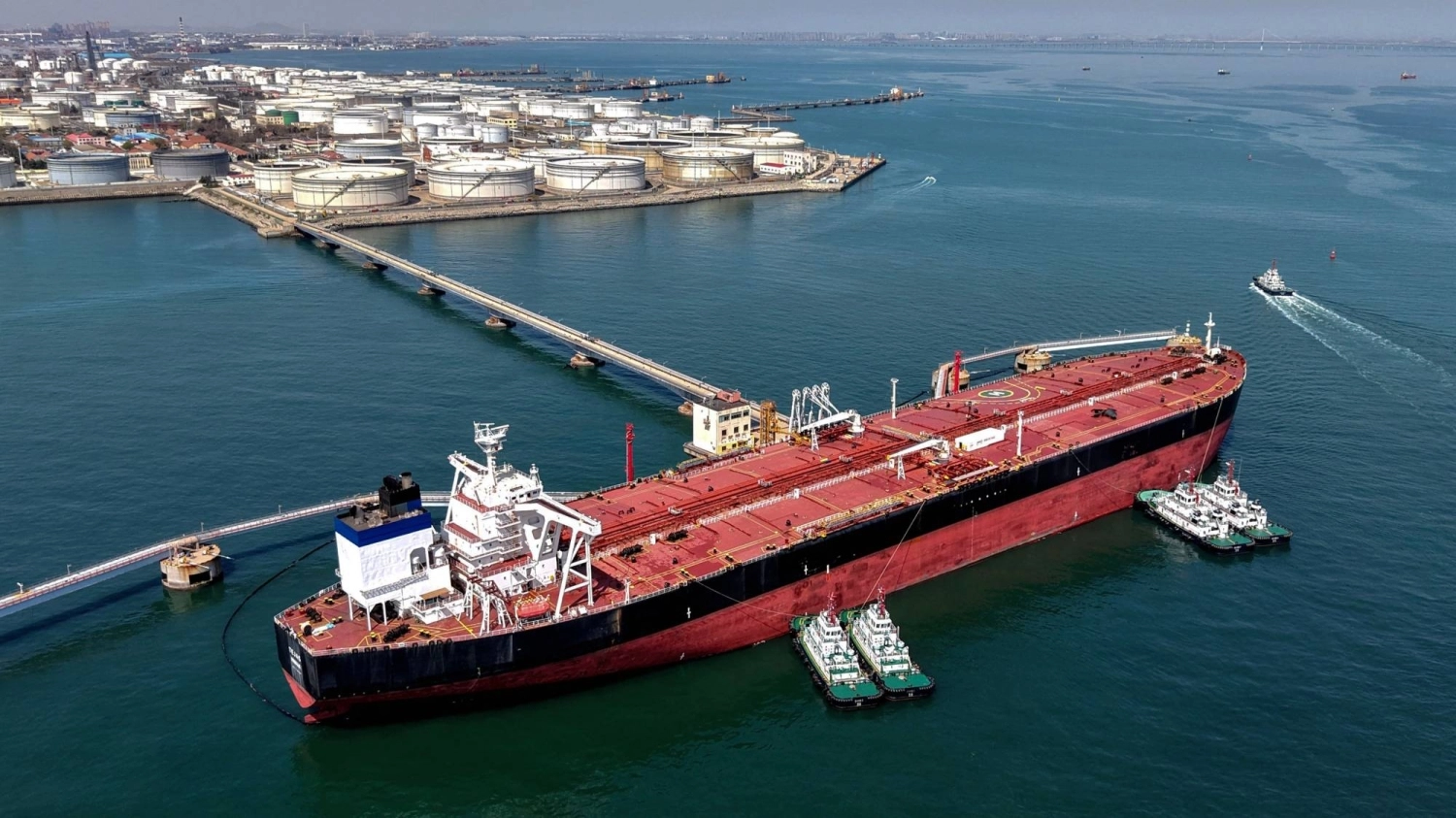
For cross-border sellers, this translates directly into shipping cost increases of 15-25% on Asia-Europe and Asia-North America routes. The blockade threatens supply chain reliability for goods moving through Asian manufacturing hubs to Western markets. Goldman Sachs estimates global crude and product storage has fallen from 8.2 billion barrels pre-conflict to potentially below 7.4 billion barrels if the blockade persists through May. More critically, the International Monetary Fund reports only 2 billion barrels exist in OECD importing countries with minimal government reserves available for distribution. Dated Brent crude premiums spiked to $35 per barrel earlier this month, reflecting physical delivery scarcity, though recent ceasefire discussions temporarily reduced premiums to $10 per barrel.
Regional impacts are asymmetric and severe. Asia, which receives most Hormuz oil traffic, has already implemented emergency measures: the Philippines declared a national energy emergency, India halted commercial LPG supplies, and Japan curtailed transportation services. JPMorgan estimates a 4.3 million barrel daily global demand reduction in April, with over 80% concentrated in Asia and the Middle East. Europe faces critical shortages by June, with jet fuel stocks reaching dangerously low levels—essential for air freight logistics. The International Energy Agency warns of potential supply constraints affecting refined products including diesel and jet fuel critical for last-mile delivery operations.
Diplomatic developments create a critical timing window. U.S. special envoy Steve Witkoff and Jared Kushner traveled to Pakistan for direct talks with Iranian Foreign Minister Abbas Araghchi on April 24-25, 2026. President Trump stated Iran plans to make an offer aimed at satisfying U.S. demands. Industry analysts warn that if peace negotiations fail and fighting resumes by month-end, oil prices could reach new yearly highs, potentially exceeding $120 per barrel for Brent crude. Conversely, successful negotiations could stabilize prices within 2-4 weeks, creating a narrow window for sellers to lock in shipping contracts before potential further escalation.
Questions 8
Which product categories are most vulnerable to shipping cost increases from the Hormuz blockade?
Heavy, low-margin categories are most vulnerable: appliances, furniture, industrial equipment, and automotive parts where shipping represents 15-25% of landed costs. Electronics with high volume (phones, laptops, tablets) face 8-12% cost increases. Lightweight, high-margin categories like apparel, cosmetics, and accessories are more resilient, with shipping representing only 3-5% of costs. Sellers in vulnerable categories should consider shifting sourcing to nearshoring locations (Mexico for North America, Eastern Europe for EU) to reduce shipping distance and fuel exposure. Seasonal categories like outdoor furniture and garden equipment face particular pressure as Q2-Q3 peak season approaches, creating urgency for inventory decisions by May 15, 2026.
How should sellers adjust pricing and inventory strategy during the oil crisis?
Sellers should immediately review pricing on products with high shipping cost sensitivity, particularly electronics, appliances, and heavy goods where fuel surcharges represent 8-15% of landed costs. Consider implementing temporary price increases of 10-15% on Asia-sourced products to offset fuel surcharges, or absorb costs on high-velocity SKUs to maintain market share. Inventory strategy should shift toward pre-positioning stock in North America and Europe rather than just-in-time ordering from Asia. Sellers with 30-60 day inventory buffers can weather the crisis; those with 7-14 day buffers face stockouts. Monitor oil prices daily and set trigger points: if Brent exceeds $115/barrel, implement price increases; if it falls below $100/barrel, consider promotional pricing to clear inventory before potential further escalation.