



Air Freight Cost Crisis 2026 | Cross-Border Sellers Face 70% Fuel Surcharges
- Global jet fuel prices surge 70% amid geopolitical tensions; international air freight rates spike 37% in 7 weeks; European sellers and expedited shipping models face critical margin compression through Q3 2026


















Overview
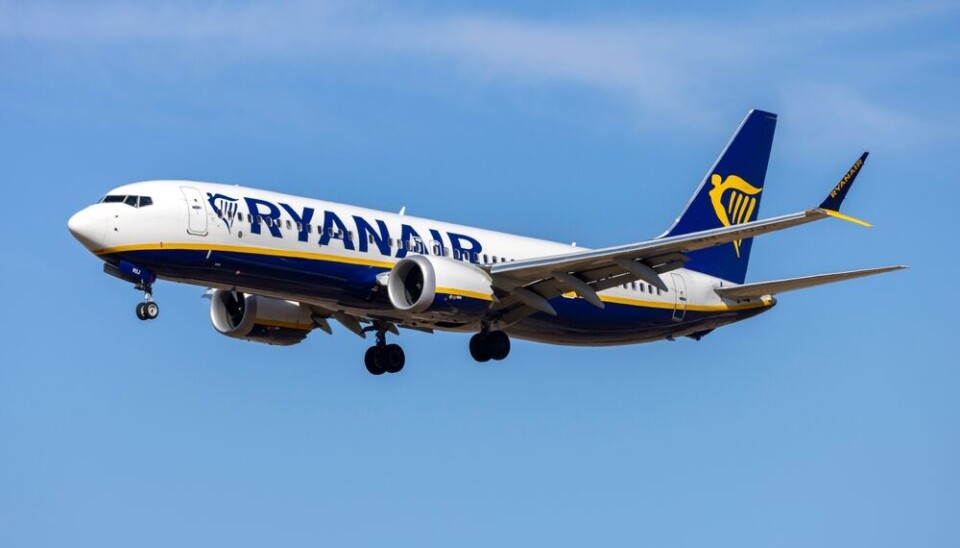
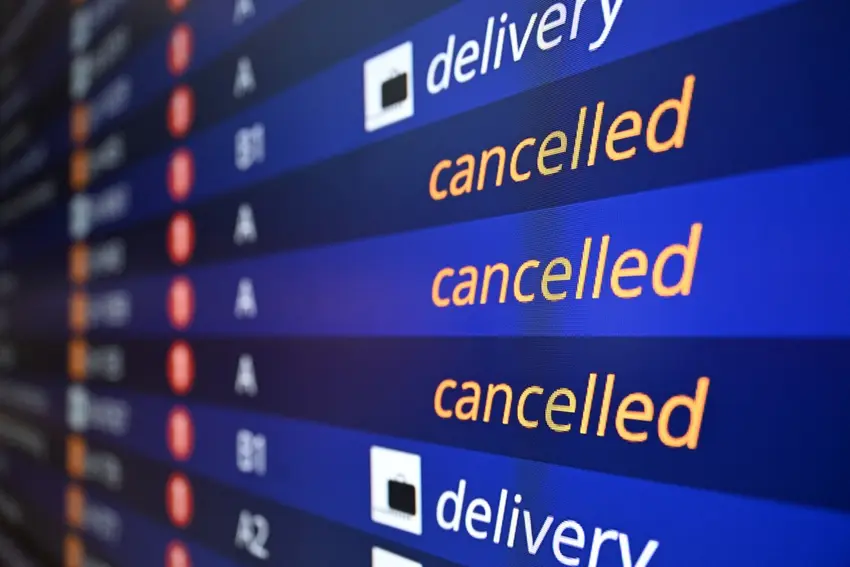
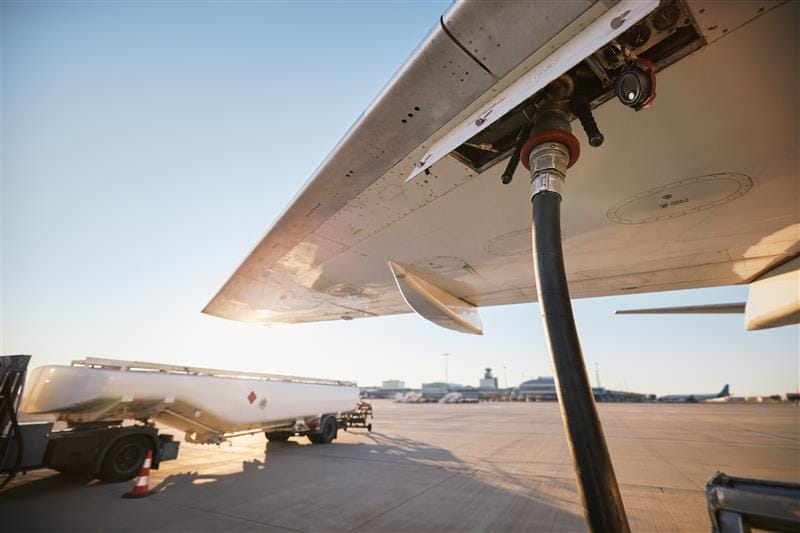
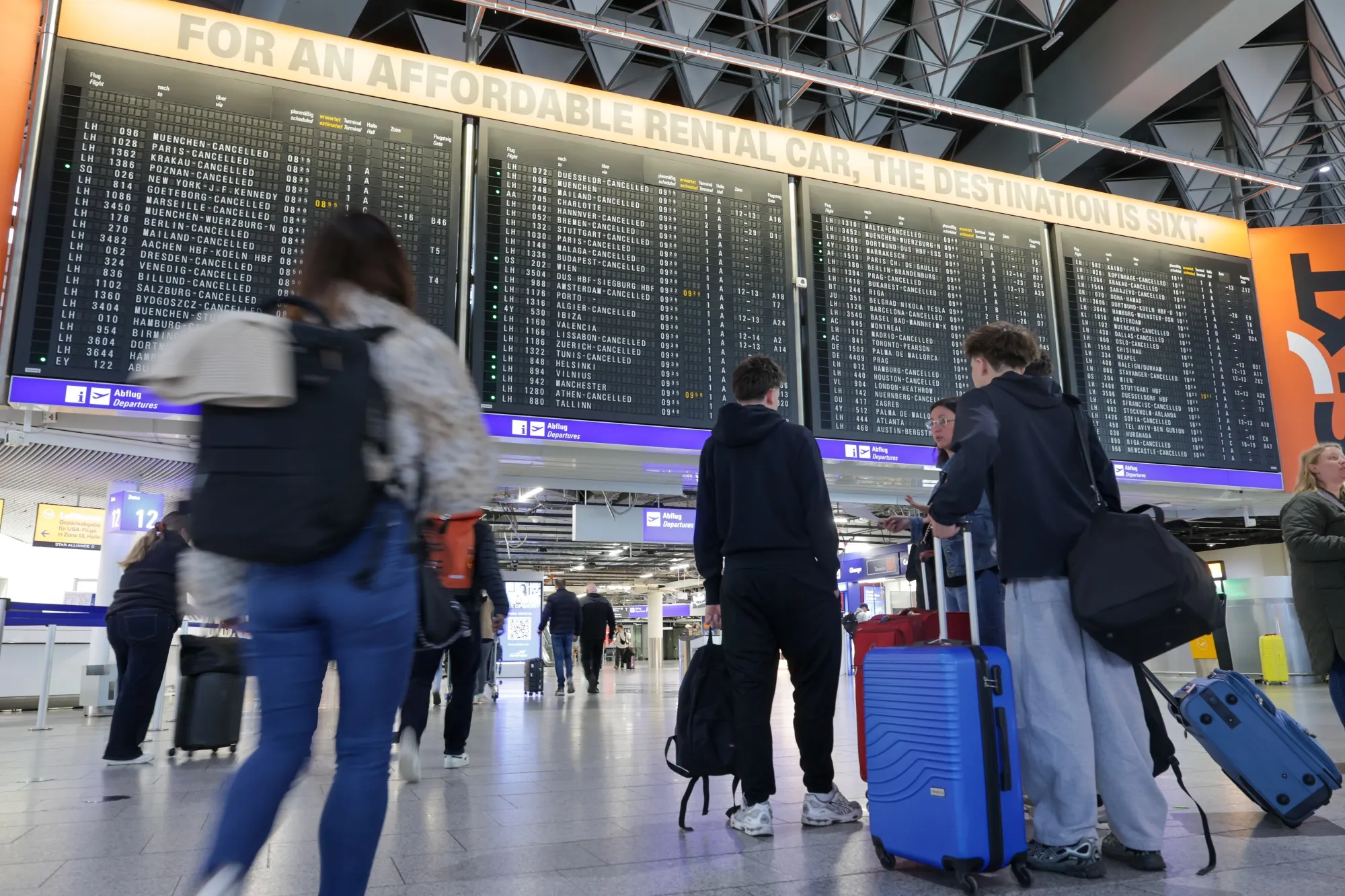
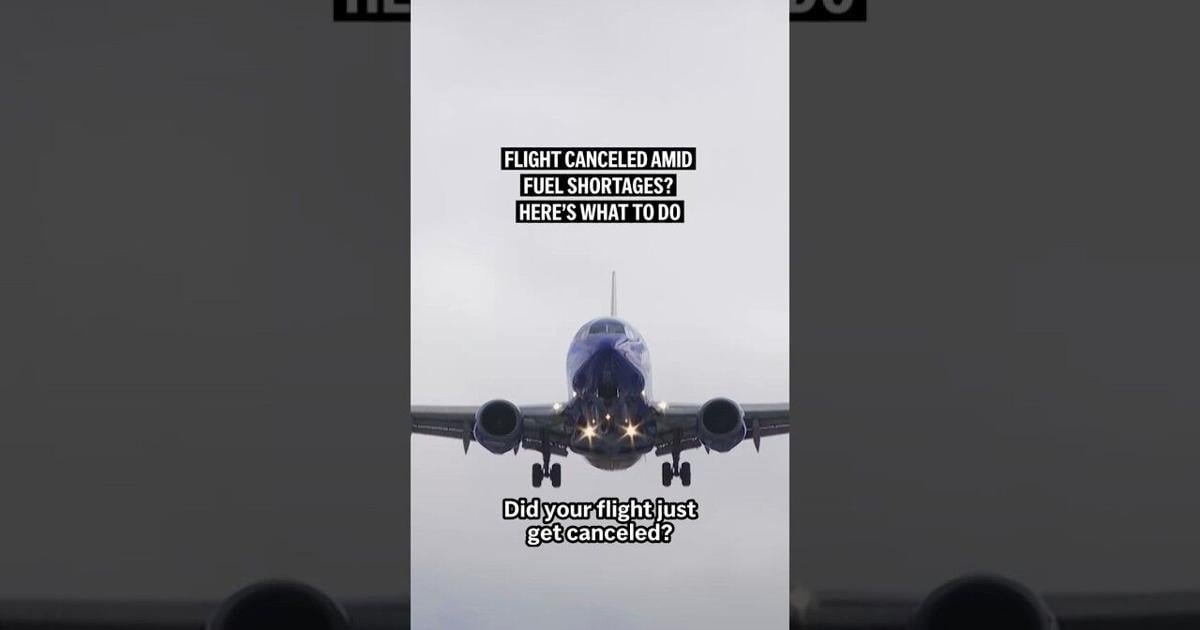
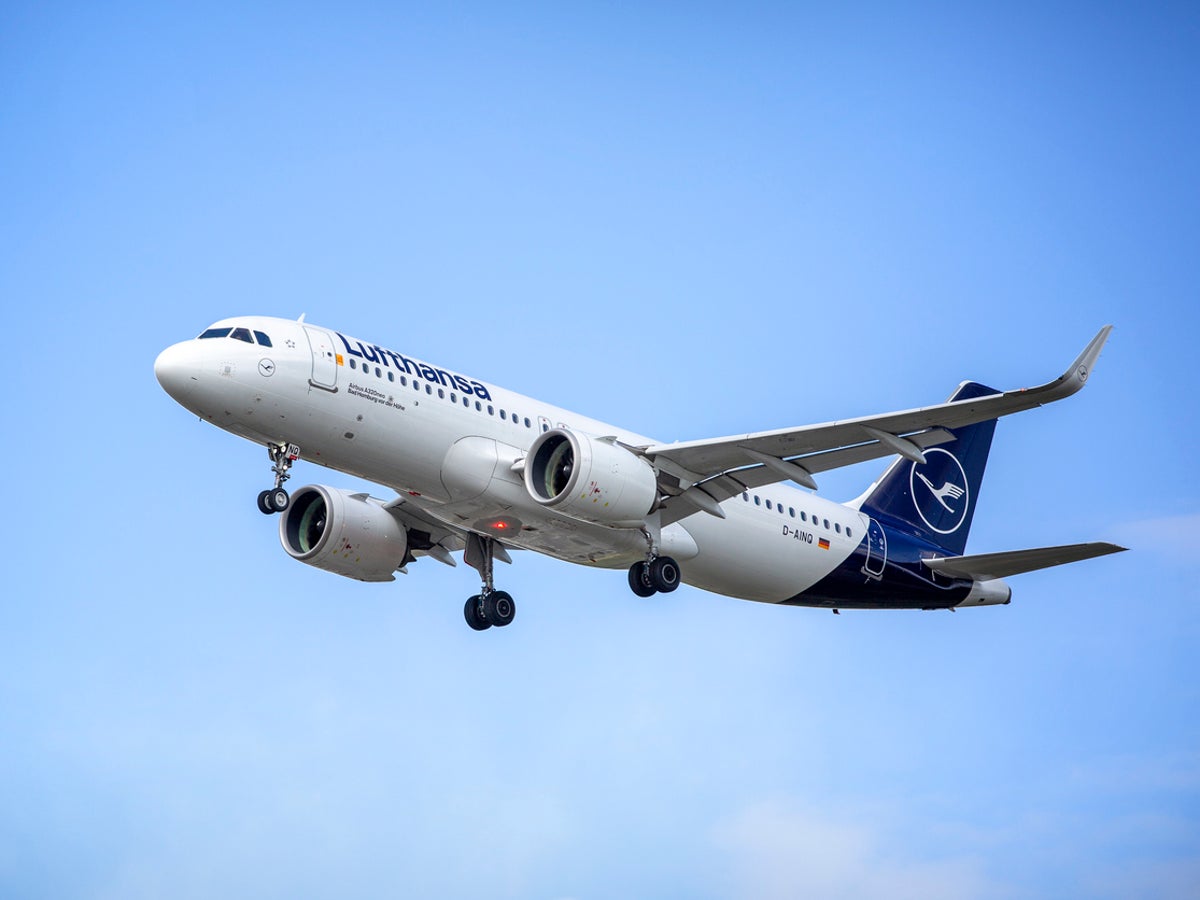
Global jet fuel shortages triggered by Middle East geopolitical tensions are creating an unprecedented logistics crisis for cross-border e-commerce sellers. As of April 2026, the Platts Jet Fuel Price Index reports a 70% increase since late February, with international airfares surging from $776 to $1,064 (37% increase in just seven weeks). Lufthansa Group's cancellation of 20,000 short-haul flights through October signals sustained capacity constraints through peak summer travel season, directly impacting air freight availability and pricing for sellers relying on expedited shipping.
For cross-border e-commerce sellers, this crisis creates three critical logistics challenges: First, international air freight rates face compounding pressure from fuel surcharges and reduced carrier capacity. Sellers shipping perishables, time-sensitive goods (electronics, fashion), or high-value items via air freight will experience 15-25% cost increases on landed goods. Second, European-based sellers and those shipping to Europe encounter amplified challenges—jet fuel supplies in Europe are projected to run critically low by mid-May 2026, forcing emergency capacity reductions. Third, reduced flight capacity necessitates immediate inventory repositioning and alternative logistics routing, increasing operational complexity and storage costs.
The operational impact varies significantly by seller segment and product category. Small sellers (under 100 units/month) relying on FBA air freight will see fulfillment costs rise $0.50-1.50 per unit, compressing margins 8-12% on lower-priced items ($15-30 ASP). Mid-market sellers (500-2,000 units/month) shipping via air freight face $2,000-5,000 monthly cost increases. Large sellers (5,000+ units/month) can negotiate volume discounts but still face 10-15% cost increases. Categories most affected: electronics (high-value, time-sensitive), perishables (temperature-controlled air freight), fashion (seasonal inventory), and collectibles (limited shelf life). Sellers shipping from Asia to EU/US markets face the steepest increases due to longer routes and higher fuel consumption.
Strategic logistics repositioning is essential immediately. Sellers should shift 30-40% of Q2-Q3 inventory from air freight to ocean freight (cost savings: $0.15-0.40/kg vs. $2.50-4.00/kg for air), accepting 3-4 week longer transit times. Consolidate shipments to 3PL warehouses in US (Los Angeles, New Jersey) and EU (Rotterdam, Hamburg) hubs by May 15 to lock in current rates before further increases. Evaluate FBA vs. FBM models—FBM with 3PL fulfillment may offer 12-18% cost advantages during this period. For perishables and time-sensitive goods, consider nearshoring to Mexico (for US market) or Eastern Europe (for EU market) to reduce air freight dependency. Monitor carrier fuel surcharges weekly; some carriers (DHL, FedEx) are implementing 5-8% monthly increases through September 2026.
Questions 8
What are the cost-benefit tradeoffs of nearshoring vs. maintaining Asian sourcing?
Nearshoring to Mexico (for US market) or Eastern Europe (for EU market) reduces air freight dependency and costs by 35-45% compared to Asian sourcing during this crisis. However, nearshoring involves higher unit manufacturing costs (typically 15-25% premium) and requires 2-3 month supplier onboarding. For perishables and time-sensitive goods, nearshoring breaks even or saves money when factoring in air freight surcharges. For non-perishable goods, nearshoring is economical only if manufacturing cost premiums are under 10%. Sellers should evaluate nearshoring for high-velocity SKUs (1,000+ units/month) where volume justifies supplier setup costs. For lower-velocity items, ocean freight from Asia remains optimal despite longer lead times.
How should sellers in Europe adjust their logistics strategy?
European sellers face compounded challenges—jet fuel supplies in Europe are projected to run critically low by mid-May 2026, forcing emergency capacity reductions. European-based sellers should immediately consolidate inventory in Rotterdam or Hamburg hubs (major EU fulfillment centers) by May 15, 2026 to secure capacity before shortages peak. Shift 40-50% of inventory from air freight to ocean freight from Asia. Consider nearshoring to Eastern Europe (Poland, Czech Republic) for perishables and time-sensitive goods to reduce air freight dependency. Monitor Lufthansa Group flight cancellations (20,000 flights through October) as they directly impact air freight capacity on EU routes.