



Windows Update Controls & 1B PC Redesign | Seller Productivity Gains
- Reduces forced restart disruptions for 1 billion Windows users; consolidates monthly update cycles; improves inventory/order system uptime for cross-border sellers









Overview
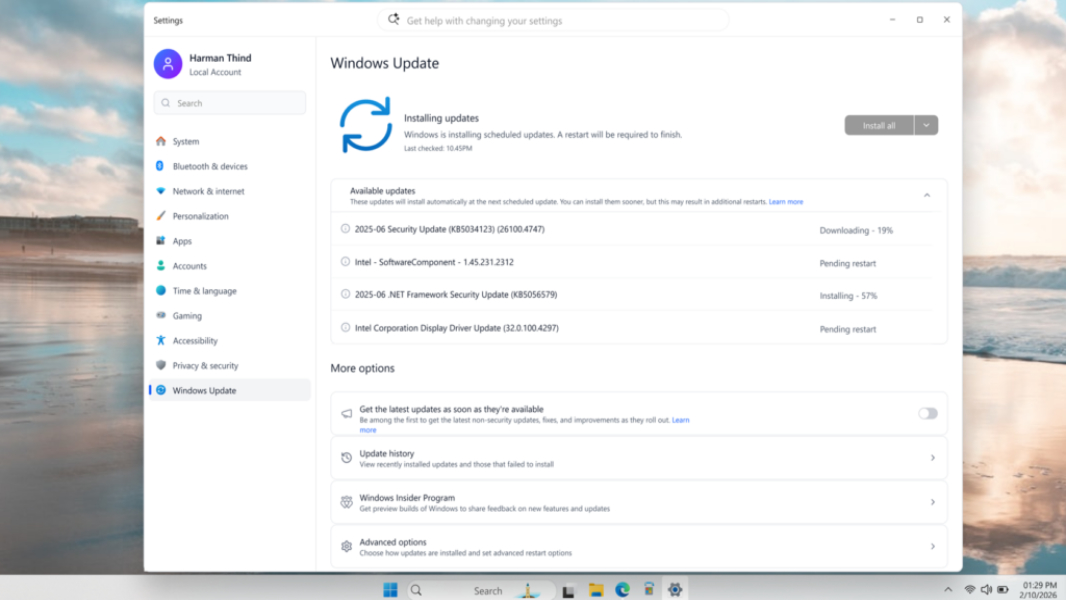
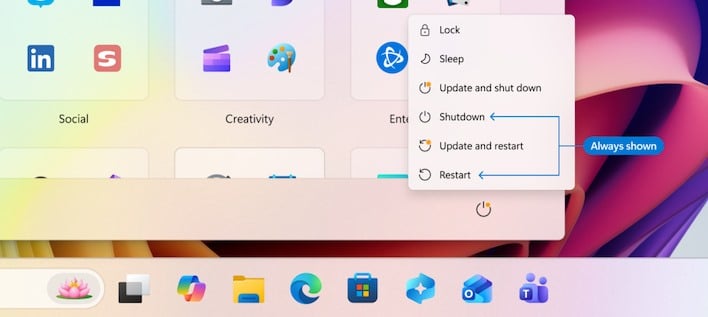
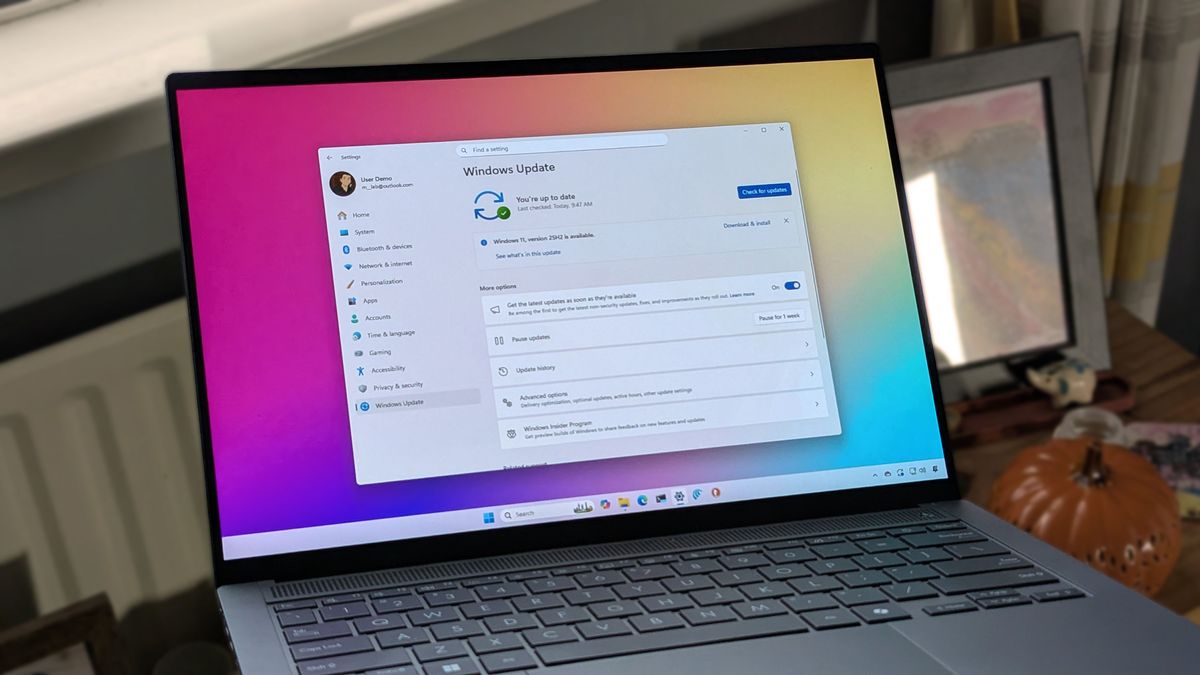
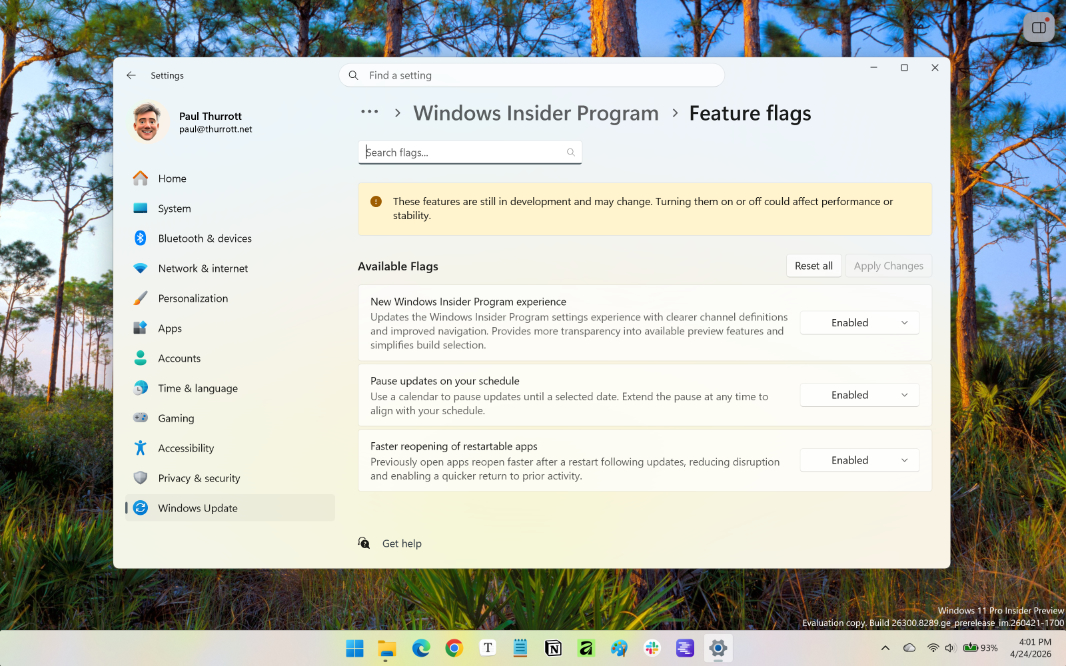
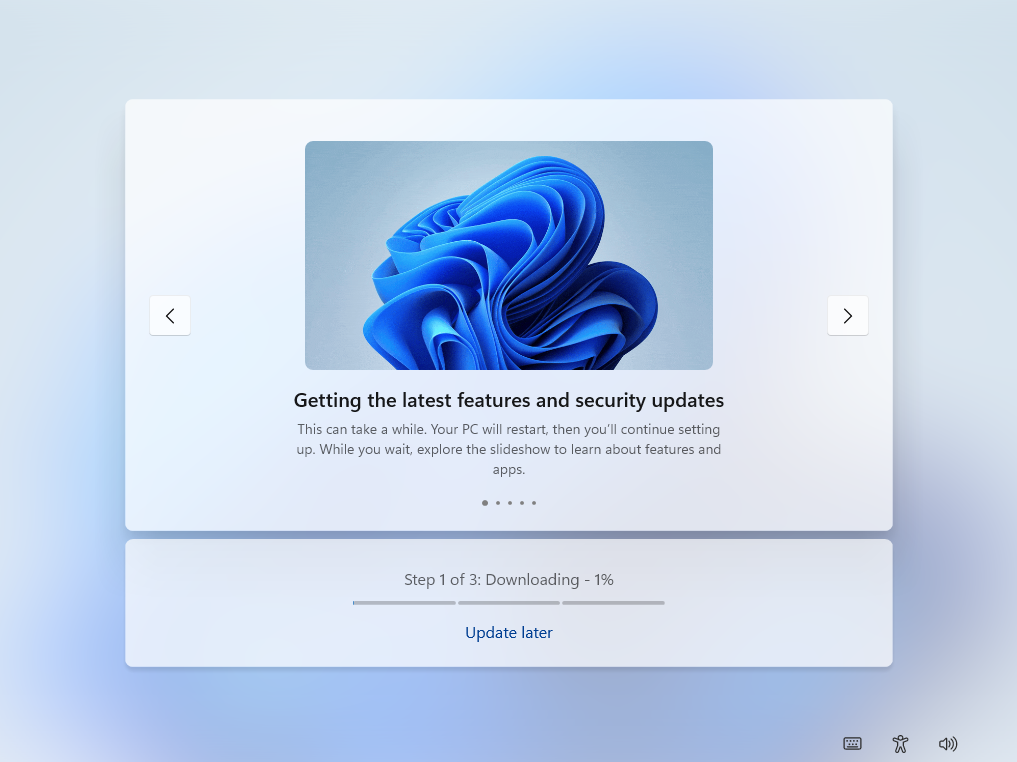
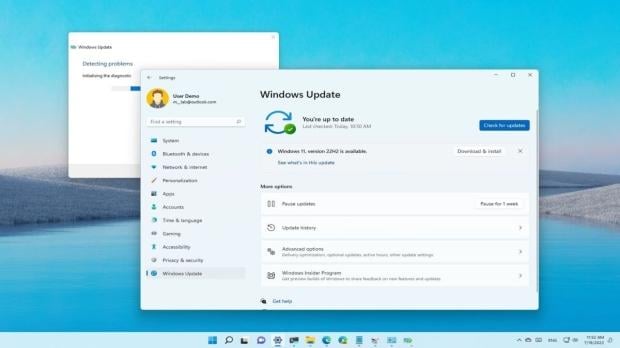
Microsoft's dual Windows improvements—enhanced update controls and shutdown redesign—directly address operational pain points affecting approximately 1 billion Windows users globally, with significant implications for cross-border e-commerce sellers managing inventory, order processing, and accounting systems. The company analyzed over 7,600 user feedback submissions revealing two critical issues: unexpected system restarts disrupting workflows and insufficient control over installation timing. In response, Microsoft is rolling out concrete features including a 35-day update pause capability (extendable without fixed limits), a redesigned Power menu separating shutdown from update actions, and consolidated monthly restart cycles combining drivers, .NET, and firmware updates into single installation events.
For small-to-medium cross-border e-commerce sellers, these changes translate to measurable operational benefits. The consolidated update schedule reduces the number of required reboots, decreasing downtime for warehouse management systems, inventory platforms, and order processing tools during critical business hours. Sellers managing multiple devices across different regions will experience fewer unexpected system interruptions that previously disrupted real-time inventory synchronization, order fulfillment tracking, and multi-channel listing updates. The new calendar interface provides predictable maintenance windows, allowing sellers to schedule updates during off-peak hours rather than experiencing forced restarts during peak selling periods (typically 6 PM-11 PM in major markets). This is particularly valuable for sellers operating across Asia-Pacific, EU, and North American time zones simultaneously, where a single unexpected restart can cascade across multiple regional inventory systems.
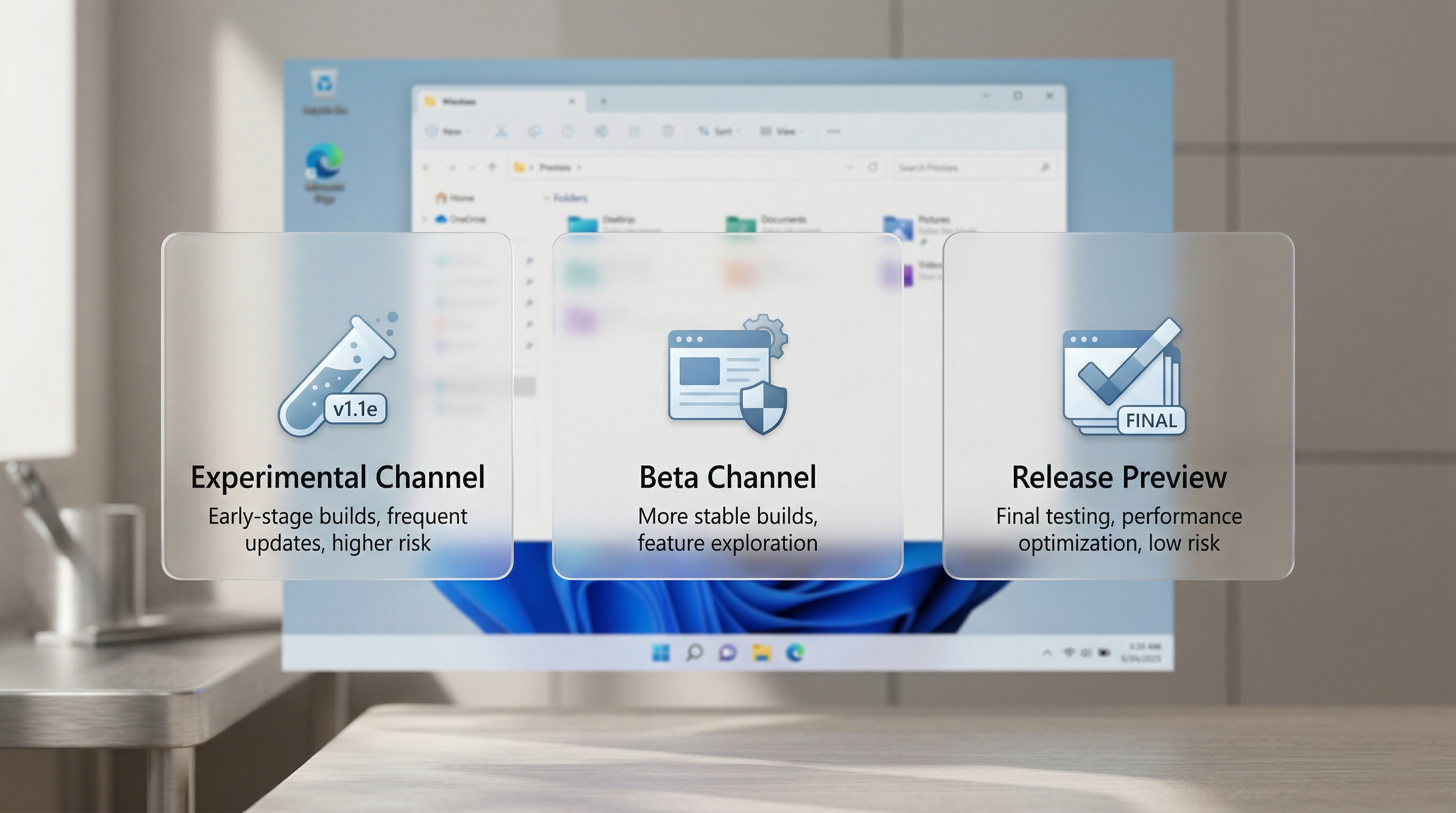
However, enterprise sellers using managed commercial devices will see limited benefits from these improvements. The update pause feature explicitly excludes managed commercial devices, meaning large-scale operations with centralized IT governance will continue experiencing standardized deployment schedules. The rollout timeline extends from Windows Insiders (Dev and Experimental channels) to general availability over coming months, creating a phased implementation period. Sellers should monitor deployment progress and test compatibility with critical business software—particularly legacy accounting systems, ERP platforms, and custom inventory integrations—before full Windows 11 adoption. The improved system stability and faster restart times signal Microsoft's broader commitment to user experience optimization, which may influence future updates affecting business software compatibility and performance across the Windows ecosystem.
Questions 8
What compatibility risks should sellers monitor during Windows Update rollout?
Sellers should test compatibility between Windows 11 and critical business software before full adoption, particularly legacy accounting systems, ERP platforms, and custom inventory integrations that may not have been updated for Windows 11. The improved system stability and faster restart times signal Microsoft's broader optimization efforts, which may influence future updates affecting business software compatibility. Sellers using older versions of inventory management, order processing, or accounting software should verify vendor support for Windows 11 before upgrading. The phased rollout provides time to identify and resolve compatibility issues before mandatory adoption, but sellers should begin testing immediately upon feature availability in their region.
How does the redesigned Power menu prevent accidental update restarts?
Microsoft separated standard shutdown/restart options from update-related actions in the redesigned Power menu, preventing users from accidentally triggering updates during routine system restarts. Previously, shutdown and restart options could initiate pending updates without clear user awareness, causing unexpected downtime during critical business hours. The new interface clearly distinguishes between 'Shutdown' (no updates), 'Restart' (no updates), and 'Update and Restart' (explicit update action), giving sellers precise control over when system updates occur. This is particularly valuable for sellers managing multiple devices or using remote access tools, where accidental restarts can disrupt inventory synchronization or order processing across multiple systems simultaneously.