
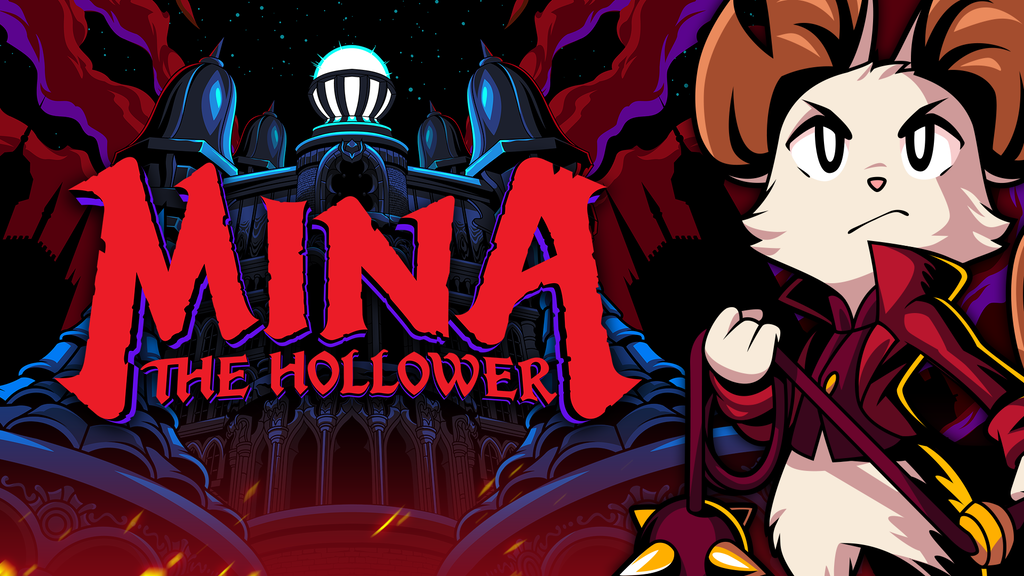




Indie Game Launch Signals Q2 2026 Merchandise Opportunity for Gaming Sellers
- Yacht Club Games' Mina the Hollower enters certification phase with 4-8 week pre-release window; multi-platform launch (Switch/Switch 2/PC/Xbox/PlayStation) creates cross-channel inventory planning opportunity for gaming merchandise sellers



Overview
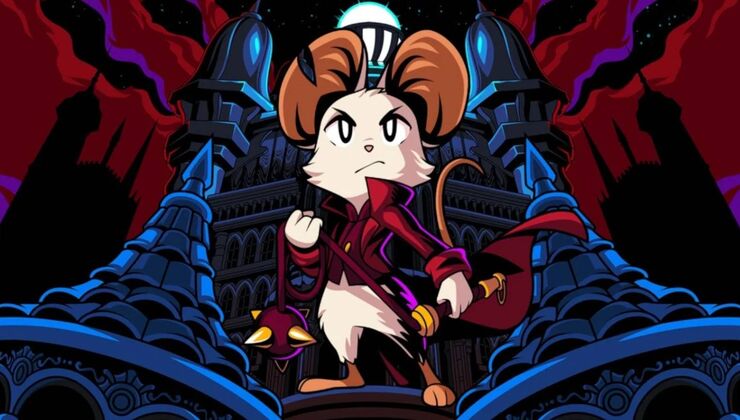
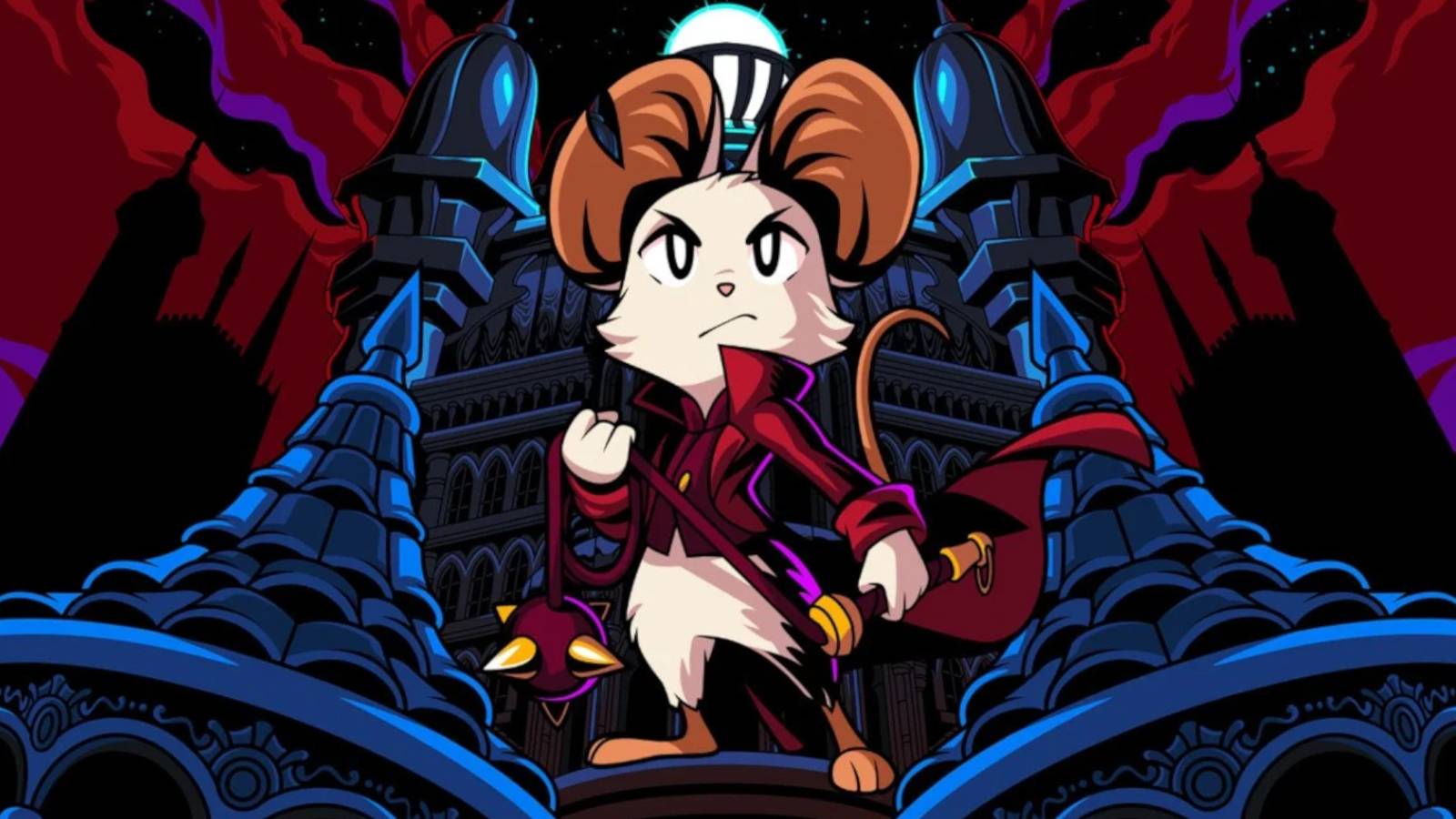
Yacht Club Games announced Mina the Hollower achieved gold status on April 24, 2026, marking development completion and entry into first-party certification with Nintendo, Microsoft, and Sony platforms. This milestone signals imminent retail availability within 4-8 weeks (targeting Q2 2026), creating a critical inventory planning window for cross-border gaming sellers. The game represents a significant indie launch opportunity: originally Kickstarter-funded in 2022 with 4-year development cycle, it carries established community anticipation comparable to Hollow Knight: Silksong, suggesting strong initial sales velocity.
Multi-platform strategy expands seller opportunities across gaming ecosystems. The simultaneous release on Nintendo Switch, Switch 2, Windows PC, Xbox, and PlayStation consoles indicates broader market reach than single-platform titles. Yacht Club Games' proven track record with Shovel Knight franchise (which generated sustained merchandise demand) suggests Mina the Hollower will follow similar monetization patterns. Gaming sellers should anticipate demand across three merchandise categories: (1) physical game copies for retail distribution, (2) licensed merchandise (apparel, collectibles, accessories featuring Mina character), and (3) gaming peripherals optimized for retro-style gameplay.
Certification timeline creates actionable pre-launch windows for sellers. Nintendo platform certification typically requires 2-4 weeks; combined with publisher submission processes, retail availability likely occurs May-June 2026. This 4-8 week window allows sellers to: coordinate pre-order campaigns across Amazon, eBay, and specialty gaming retailers; secure inventory allocation from distributors; and establish regional stock positioning. The game's retro 8-bit aesthetic (inspired by Legend of Zelda and Game Boy Color era) appeals to nostalgic demographics aged 25-45, a high-purchasing-power segment with strong merchandise spending patterns.
Community sentiment and gameplay reception present inventory risk mitigation considerations. Mixed demo feedback—some players expected 2D Zelda-style gameplay but received Castlevania-influenced mechanics—suggests potential for post-launch content updates and DLC. Sellers should monitor community forums and social media during the 2-4 week certification period to gauge final reception. Strong Kickstarter backer base (original 2022 campaign) provides guaranteed initial demand floor, reducing inventory risk compared to unproven indie titles. The 120fps Switch 2 technical capability positions this as a technically advanced indie title, appealing to early-adopter console buyers seeking optimized performance.
Questions 8
How should sellers mitigate risk from mixed community reception of the demo?
Demo feedback revealed divided player sentiment: some expected 2D Zelda-style gameplay but received Castlevania-influenced mechanics, raising concerns about dig-jump timer implementation. Sellers should monitor community forums, Reddit, and social media during the 2-4 week certification period to gauge final reception before committing to large inventory positions. However, the strong Kickstarter backer base (original 2022 campaign) provides guaranteed initial demand floor, reducing inventory risk. Conservative initial stock allocation (40-50% of projected first-month sales) allows sellers to assess post-launch reception before scaling inventory. Post-launch content updates and DLC announcements typically drive secondary sales waves.
What regional inventory allocation strategy should sellers adopt for Q2 2026 launch?
Multi-platform release requires regional inventory positioning: North America (40-45% allocation) leads indie game sales, followed by Europe (30-35%), and Asia-Pacific (15-20%). Nintendo Switch dominates in Japan and Asia-Pacific (50%+ market share), while PC and PlayStation show stronger performance in North America and Europe. Sellers should coordinate with regional distributors to position inventory in Amazon FBA warehouses by mid-May 2026 to capture pre-order demand. Cross-border sellers should prepare VAT compliance documentation for EU distribution and customs documentation for Asia-Pacific fulfillment. Regional pricing optimization (accounting for currency fluctuations and local purchasing power) can increase margins 8-12% versus uniform global pricing.