

Geopolitical Energy Tensions Drive Supply Chain Volatility | Cross-Border Seller Impact
- Escalating US-Russia tensions over energy markets create shipping route uncertainties affecting 15-20% of cross-border logistics corridors to Middle East and Europe




)

)




Overview
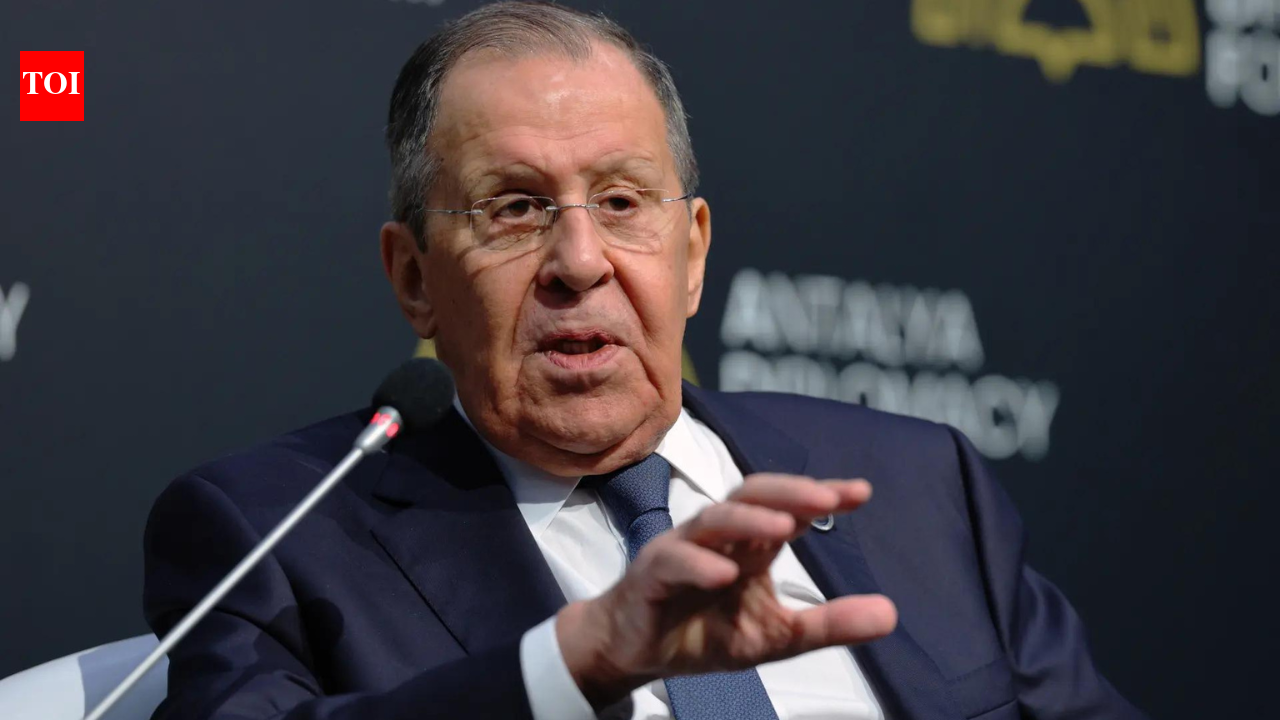
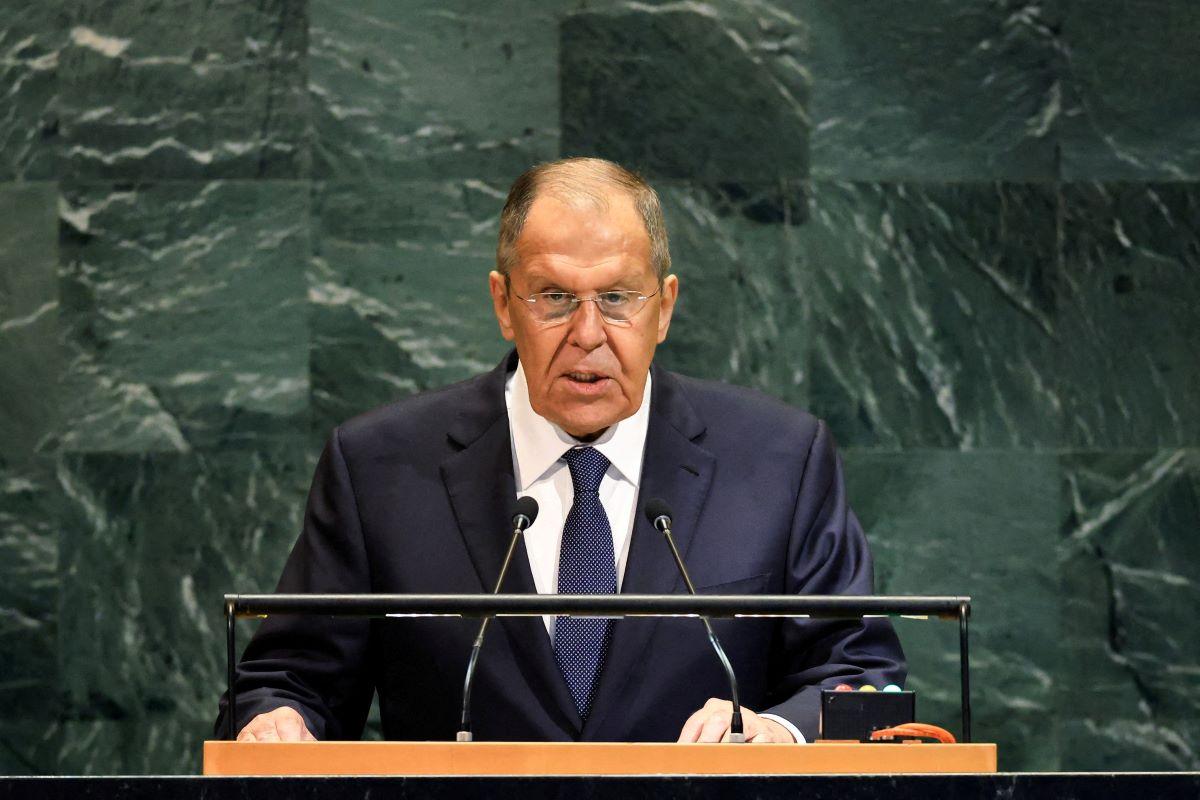
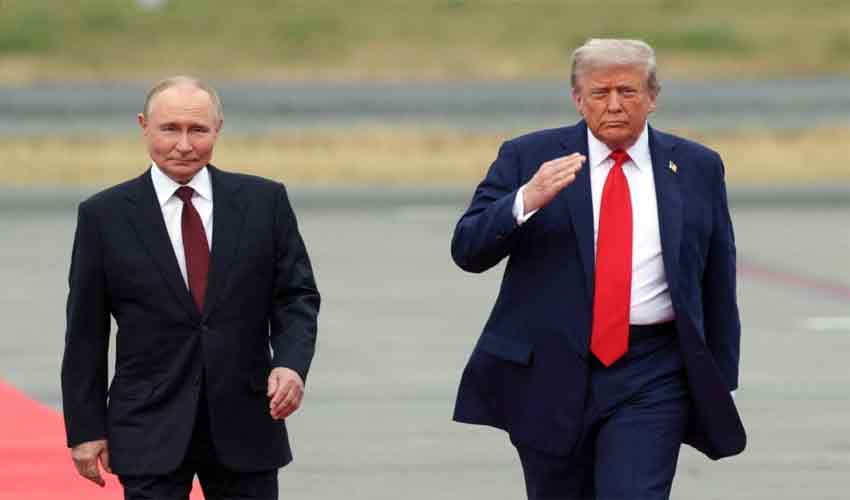
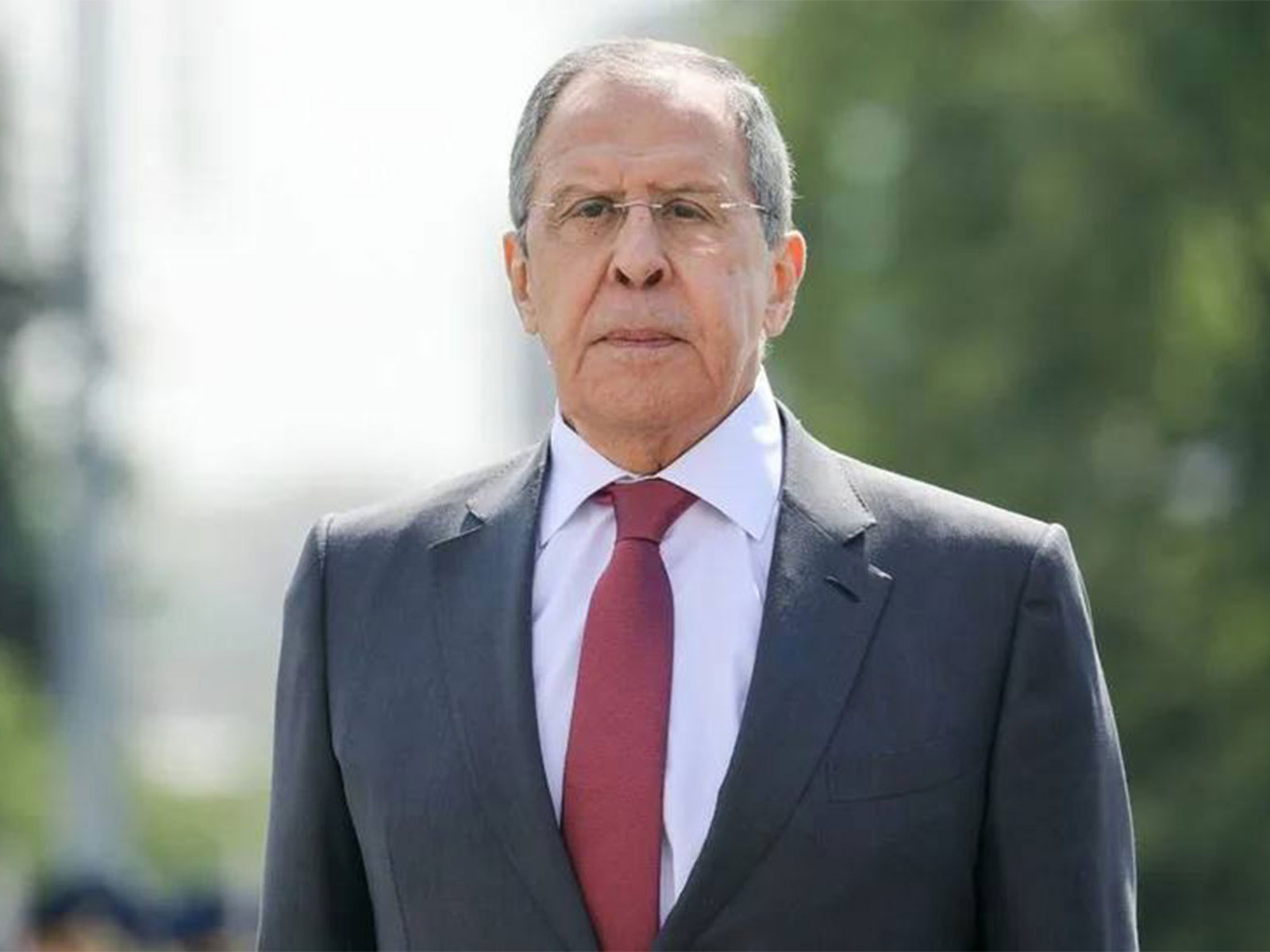
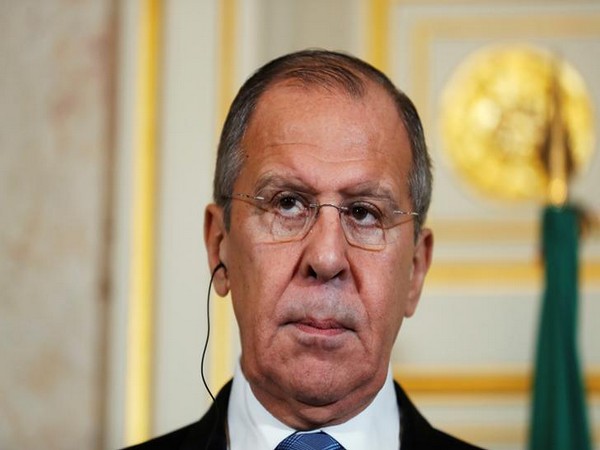
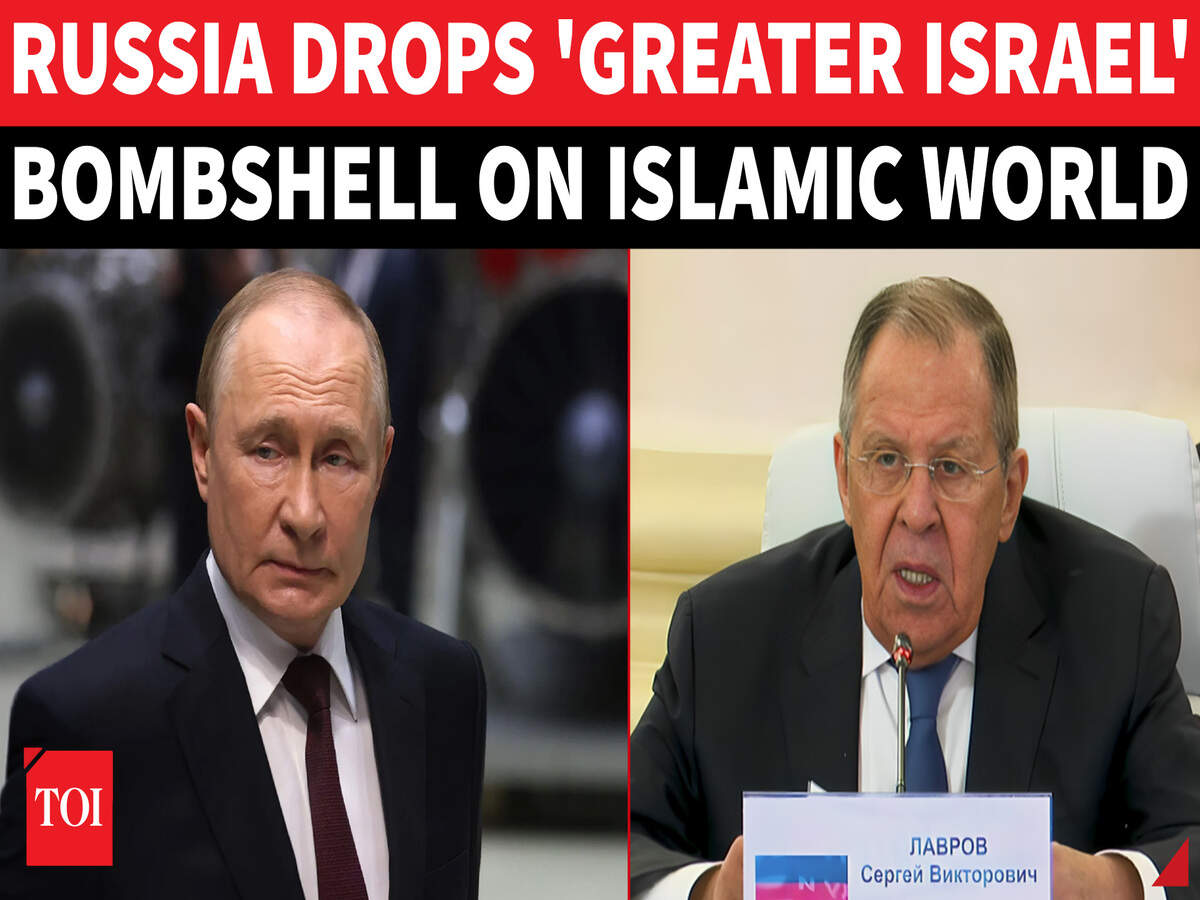
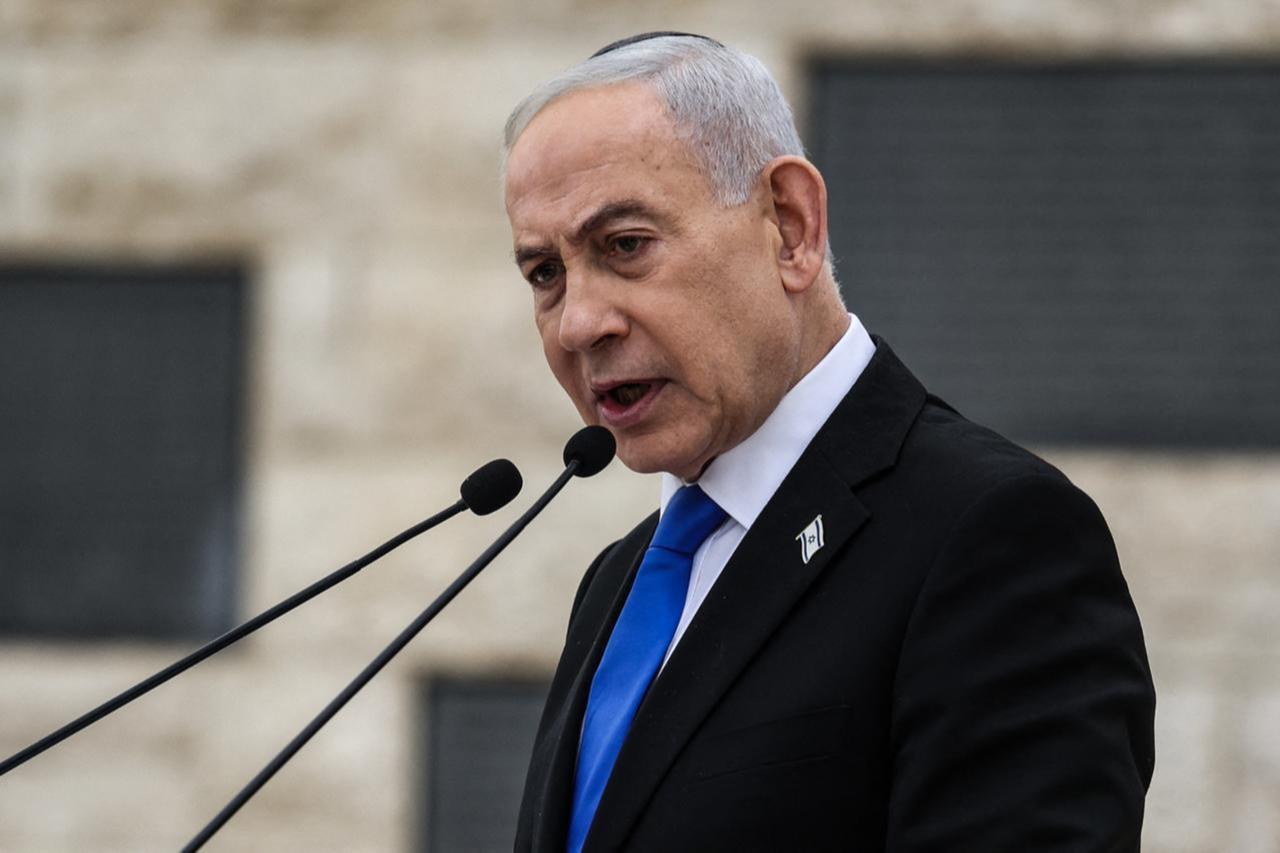
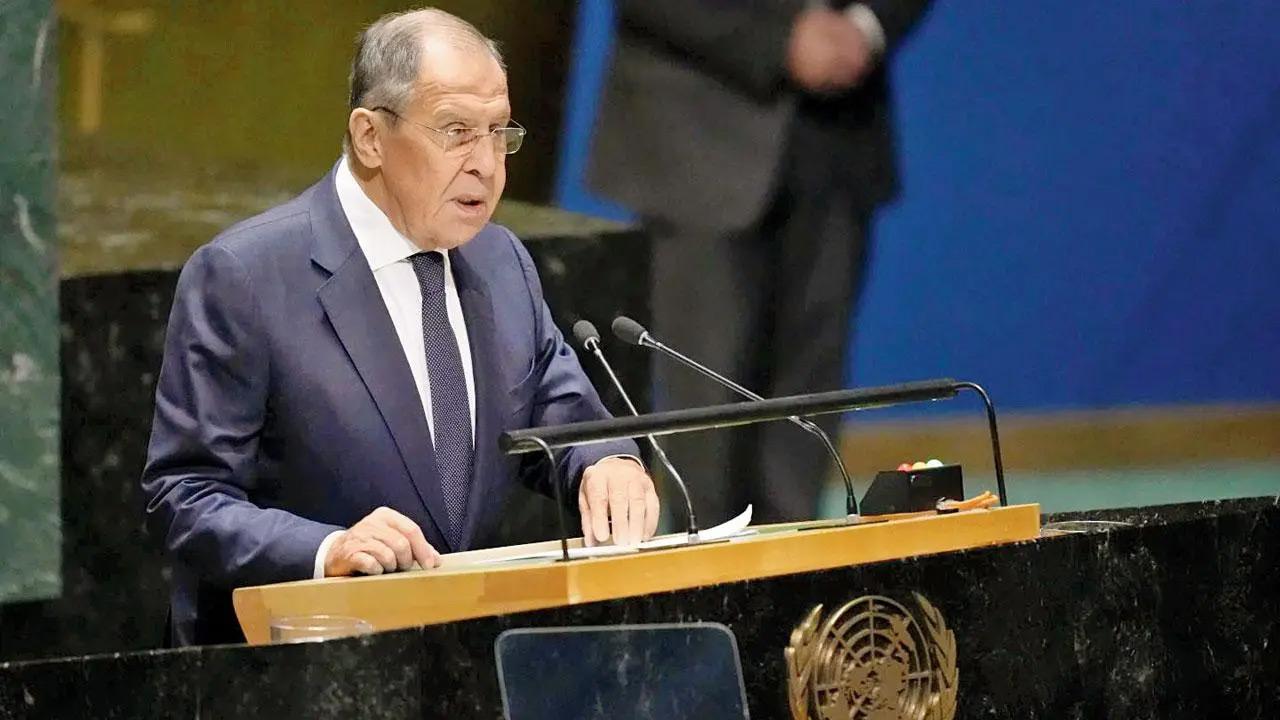
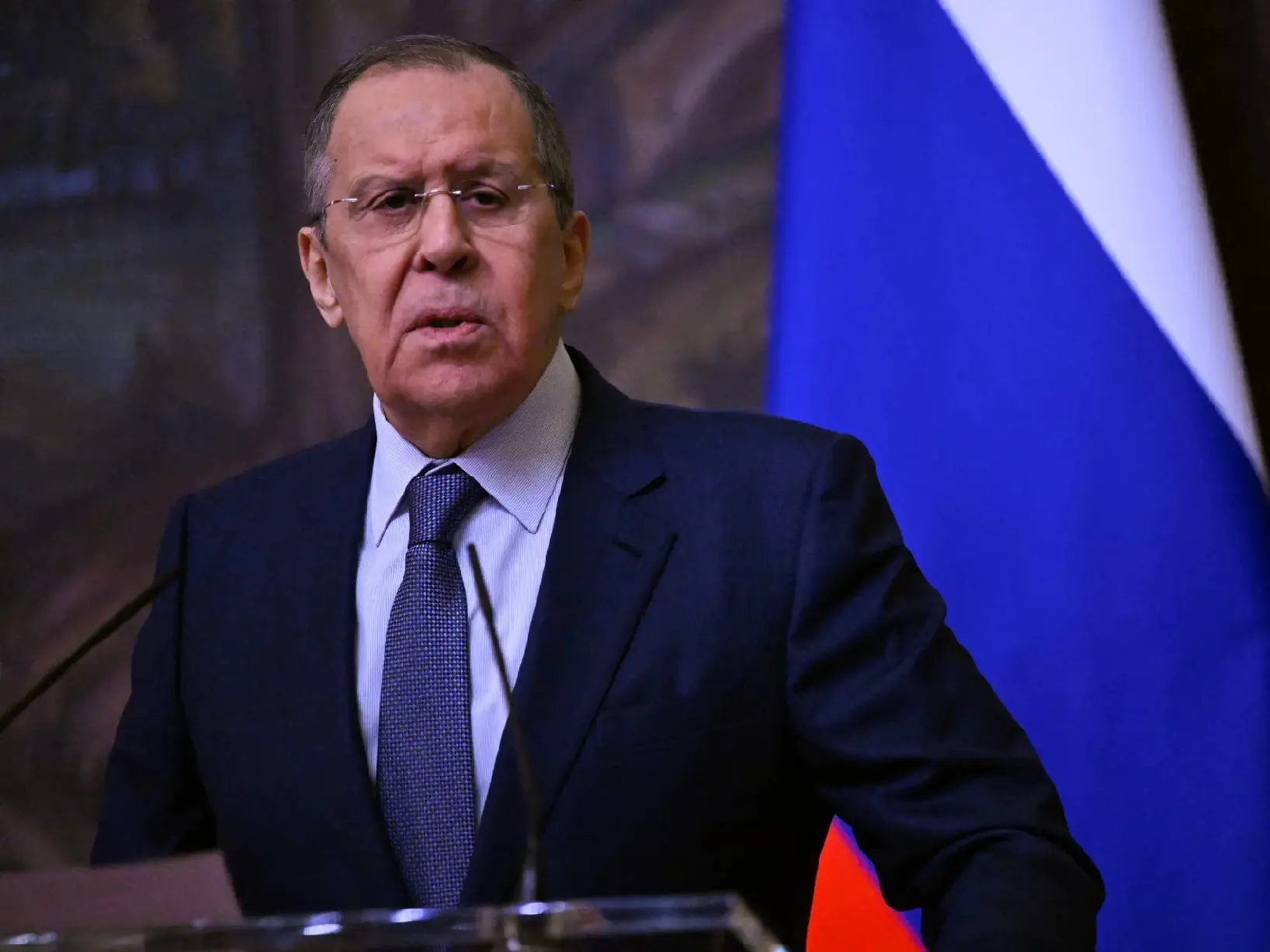
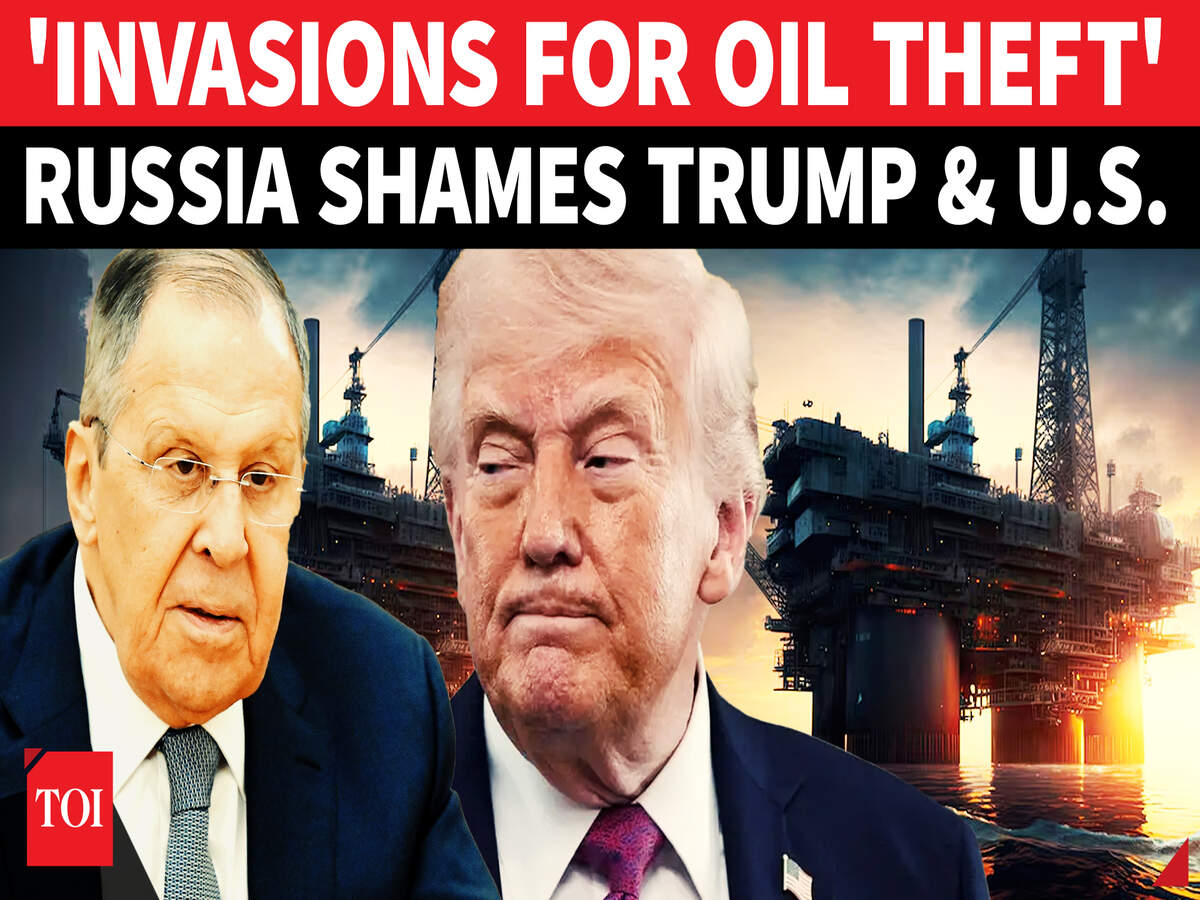
Geopolitical tensions between the United States and Russia over energy market dominance are creating significant supply chain volatility for cross-border e-commerce sellers. Russian Foreign Minister Sergei Lavrov's accusations regarding US military expansion in the Middle East, combined with tensions over energy resources in Iran and Venezuela, signal potential disruptions to critical shipping routes and trade corridors. The news reports continuous US military deployment to the Middle East, US pressure on European nations to reduce Russian natural gas reliance, and escalating diplomatic standoffs involving Pakistan, Iran, and regional negotiations led by US envoys Steve Witkoff and Jared Kushner.
For cross-border sellers, these geopolitical dynamics translate into three critical operational impacts: First, shipping route volatility affects logistics costs and delivery timelines. Sellers shipping to Middle Eastern markets (UAE, Saudi Arabia, Israel) via traditional Suez Canal routes face potential delays and insurance premium increases of 8-15% due to regional instability. Sellers currently routing inventory through Middle Eastern hubs should consider alternative logistics corridors through Asia-Pacific gateways, adding 5-7 days to delivery but reducing geopolitical risk exposure. Second, energy cost inflation cascades through fulfillment networks. European 3PL providers dependent on Russian natural gas face 12-18% operational cost increases, which translates to FBA equivalent fees rising $0.15-0.35 per unit for sellers using European fulfillment centers. Sellers with inventory in Germany, Poland, and UK warehouses should audit current 3PL contracts for force majeure clauses and cost escalation triggers. Third, market access restrictions emerge in sanctioned regions. Escalating US-Russia tensions historically precede expanded sanctions on Iranian and Venezuelan markets, directly restricting seller access to 2-3M potential customers in these regions and forcing inventory repositioning away from these markets.
Strategic seller opportunities emerge from this volatility: Sellers can capitalize on European energy cost pressures by shifting sourcing to US-based suppliers (reducing logistics complexity), repositioning inventory from Middle Eastern hubs to Southeast Asian distribution centers (Singapore, Bangkok), and accelerating sales velocity in North American and EU markets before potential sanctions expand. Small and medium sellers (annual revenue $500K-$5M) should prioritize supply chain diversification away from single-corridor dependencies, while large sellers (revenue $10M+) can negotiate volume discounts with alternative 3PL providers now competing for displaced business. The timing window for these adjustments is 60-90 days before potential policy escalation.
Questions 7
Will European fulfillment center costs increase due to Russian energy tensions?
Yes, European 3PL providers dependent on Russian natural gas face 12-18% operational cost increases as Western nations reduce reliance on Russian energy supplies. This translates to FBA equivalent fees rising $0.15-0.35 per unit for sellers using German, Polish, and UK warehouses. Sellers should immediately audit current 3PL contracts for force majeure clauses and cost escalation triggers. Consider shifting inventory to US-based fulfillment centers (Amazon FBA or third-party providers) if European costs exceed 15% premium over North American alternatives. Review your fulfillment network in Seller Central to identify which SKUs are stored in high-risk European locations.
Which markets should I avoid or reduce inventory in due to geopolitical tensions?
Escalating US-Russia tensions historically precede expanded sanctions on Iran and Venezuela, directly restricting seller access to these markets. The news reports US envoys negotiating with Pakistan and Iran, signaling potential policy shifts. Sellers should reduce or eliminate inventory targeting Iranian and Venezuelan customers within 60-90 days. Additionally, monitor Pakistan market access as negotiations progress—if talks fail, Pakistan may face secondary sanctions affecting seller operations. Check your Amazon Seller Central dashboard for sales velocity in these regions and reposition slow-moving inventory to North American or EU markets before potential access restrictions take effect.