






Global Fossil Fuel Phase-Out Creates $280B Economic Opportunity | Renewable Energy Supply Chain Boom for Cross-Border Sellers
- 50+ countries commit to 90% fossil fuel reduction by 2050; renewable energy now exceeds 1/3 of global electricity; $920B fossil fuel subsidy phase-out redirects capital to clean tech manufacturing and logistics infrastructure










)







Overview
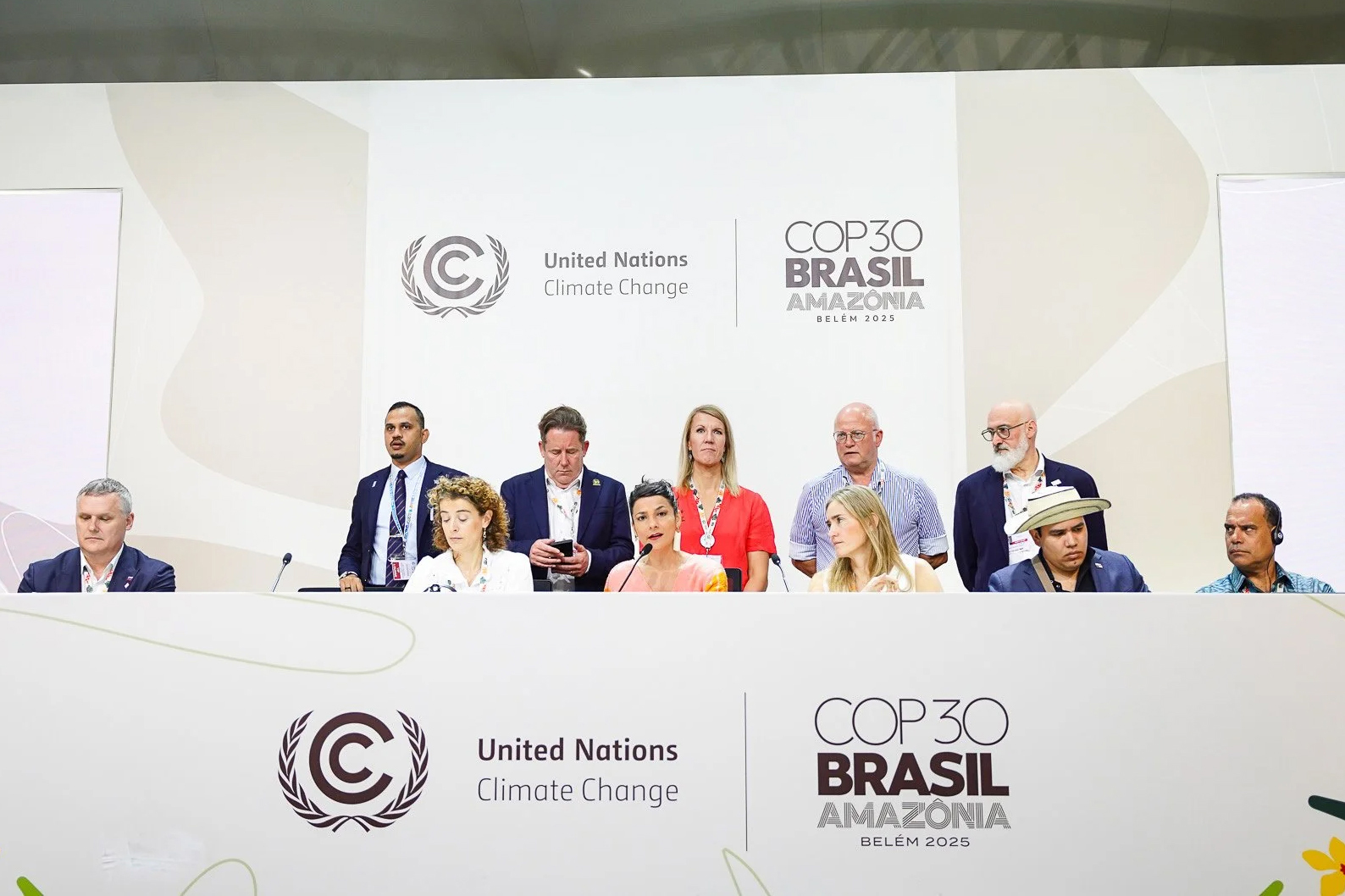
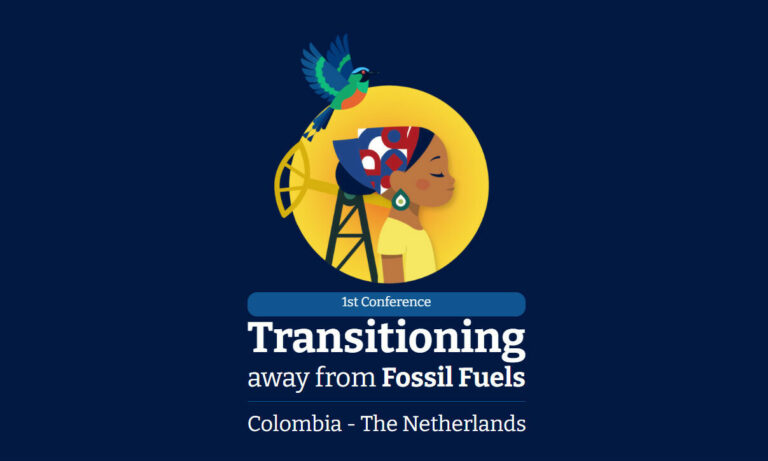
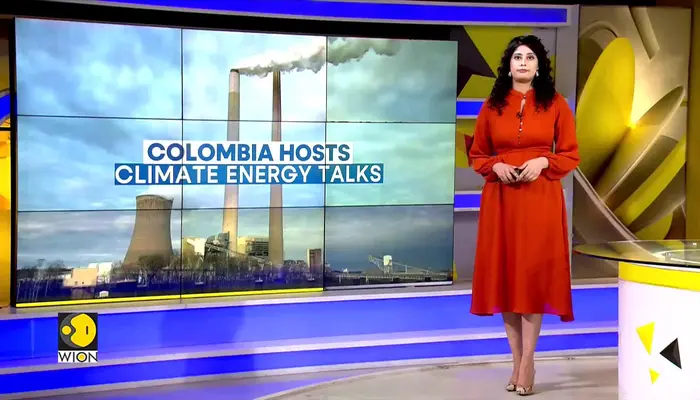
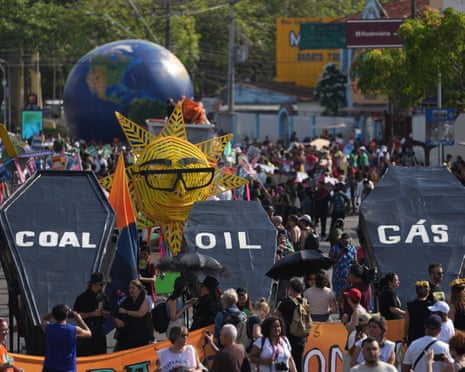
The historic Santa Marta Energy Transition Conference (April 24-29, 2026) represents a watershed moment for global supply chains and cross-border e-commerce. With 50+ countries, 2,800 civil society representatives, and major fossil fuel producers (Canada, Australia, UK, Norway, Colombia, Nigeria, Mexico, Brazil, Angola) committing to coordinated fossil fuel elimination roadmaps, the conference signals massive structural shifts in manufacturing costs, energy pricing, and logistics infrastructure that directly impact seller profitability and sourcing strategies.
Key Economic Drivers for Sellers: Colombia's energy transition roadmap projects $280 billion in direct economic benefits over 24 years (2026-2050), with annual net savings beginning in the early 2040s. More immediately, the $920 billion in global fossil fuel subsidies targeted for phase-out will be redirected toward renewable energy infrastructure, battery manufacturing, electric vehicle production, and green logistics networks. This creates a 15-25 year window where sellers sourcing from participating nations will experience declining energy costs (estimated 20-35% reduction by 2035) while competitors in non-participating regions face rising fossil fuel prices and carbon tariffs.
Supply Chain Transformation: The conference's focus on "implementation time, no more discussions" signals binding agreements within 3-5 years. This accelerates the transition of manufacturing hubs in participating countries—particularly Germany, France, UK, and EU members—toward renewable-powered production. For cross-border sellers, this means: (1) Lower manufacturing costs in EU/UK sourcing (renewable energy 30-40% cheaper than fossil fuel baseline by 2030); (2) Green logistics premiums emerging as sellers compete on sustainability credentials; (3) Supply chain risk for sellers dependent on non-participating regions (US, China, Russia, Saudi Arabia absent from conference) facing potential carbon border adjustment mechanisms (CBAM-style tariffs).
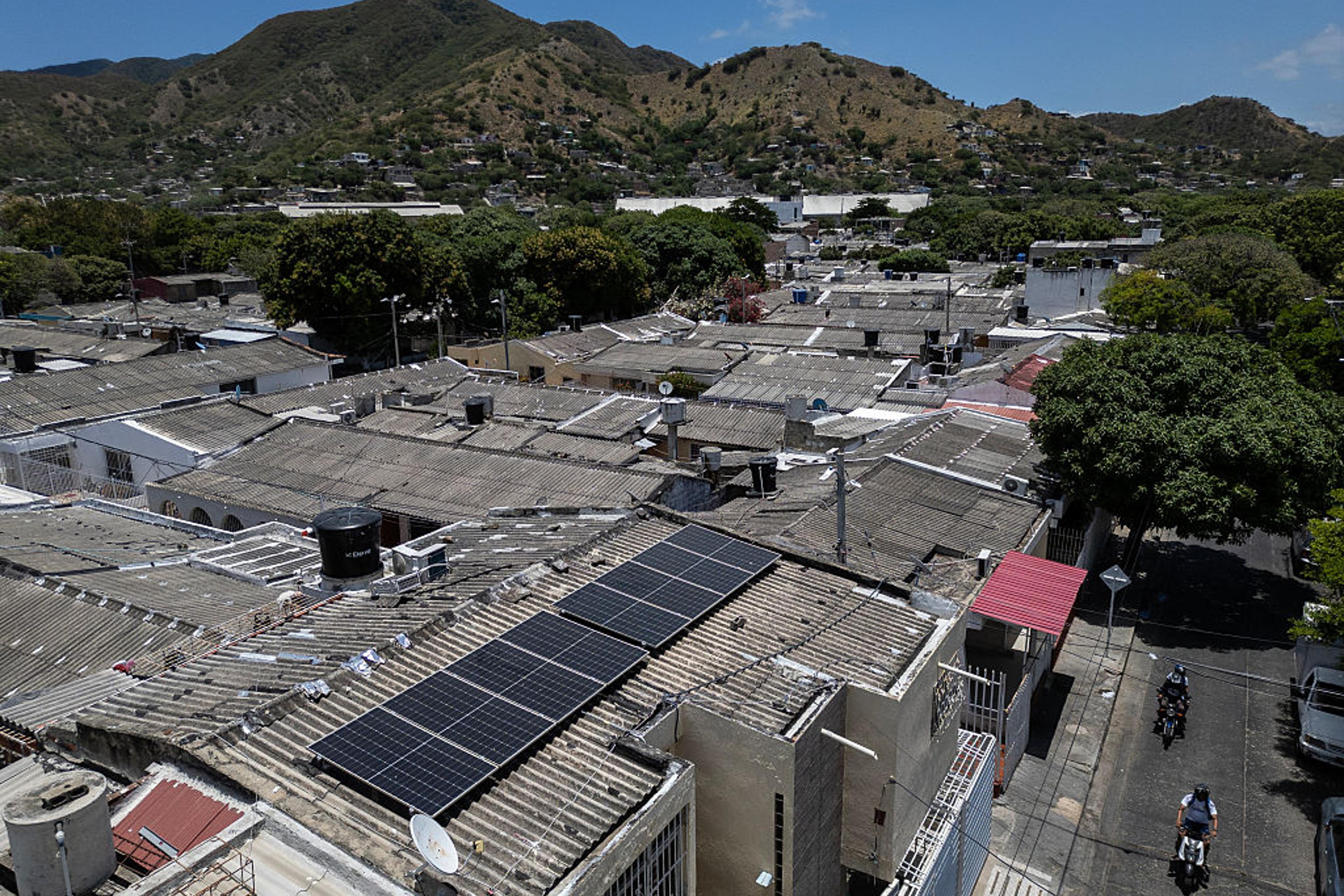
Renewable Energy Boom Creates Product Opportunities: The news reports that renewable energy exceeded global electricity demand for the first time in 2025, comprising over 1/3 of world electricity mix. This drives explosive growth in: solar panel accessories, battery storage systems, EV charging equipment, smart grid components, and renewable energy monitoring devices. Cross-border sellers can capitalize on this through Amazon, eBay, and Shopify by sourcing from newly-competitive renewable tech manufacturers in Germany, Denmark, Spain, and Brazil.
Geopolitical Fragmentation Risk: The absence of the world's largest producers (US, China, Saudi Arabia, Russia) creates a "coalition of the willing" dynamic. Sellers must prepare for potential trade bifurcation: EU/UK/Commonwealth nations moving toward binding fossil fuel phase-out agreements while US/China/Russia maintain traditional energy infrastructure. This suggests sellers should diversify sourcing across both blocs and monitor tariff developments closely, as carbon border adjustment mechanisms could add 5-15% to import costs from non-compliant regions by 2028-2030.
Questions 8
How will the fossil fuel phase-out affect my sourcing costs from EU and UK manufacturers?
The Santa Marta conference commits 50+ countries to 90% fossil fuel reduction by 2050, with binding agreements expected within 3-5 years. For EU/UK sellers and manufacturers, this means renewable energy costs will drop 20-35% by 2035 compared to current fossil fuel baselines, reducing production costs significantly. The $920 billion in global fossil fuel subsidies being redirected to renewable infrastructure accelerates this transition. However, sellers sourcing from non-participating regions (US, China, Russia) may face carbon tariffs (5-15% by 2028-2030) under emerging carbon border adjustment mechanisms. Action: Audit your supplier base by region and calculate potential cost savings from EU/UK sourcing within 18-24 months.
What new product categories should I focus on given the renewable energy boom?
Renewable energy exceeded global electricity demand for the first time in 2025, now comprising over 1/3 of world electricity. This creates explosive growth opportunities in: solar panel accessories and mounting hardware, lithium battery storage systems, EV charging cables and adapters, smart grid monitoring devices, and renewable energy monitoring apps/hardware. Colombia's $280 billion energy transition investment signals massive infrastructure buildout in participating nations. Cross-border sellers can source these products from Germany, Denmark, Spain, and Brazil at competitive prices due to local renewable manufacturing booms. Consider launching 5-10 SKUs in these categories on Amazon and eBay within Q2-Q3 2026.