


Ukraine-Saudi Defense Tech Exports | €90B EU Loan Unlocks Middle East Market Opportunities for B2B Sellers
- EU €90B loan package + Ukraine's defense tech exports create emerging market opportunities in Gulf region; sellers can capitalize on energy security, food security, and infrastructure modernization demand through strategic sourcing and B2B partnerships













Overview
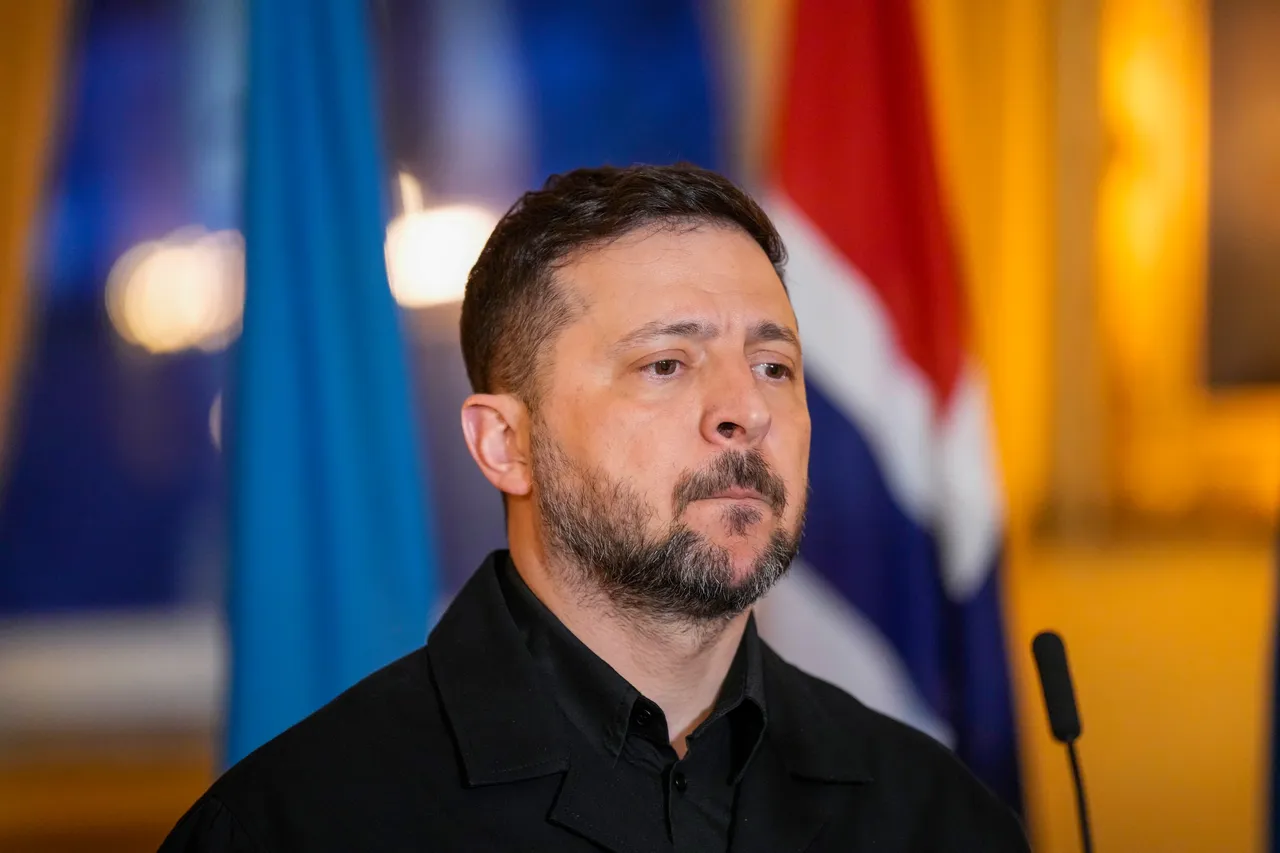
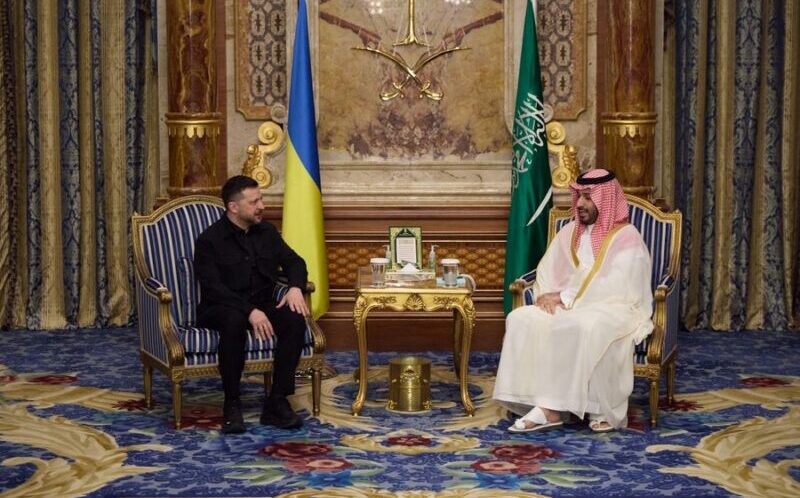
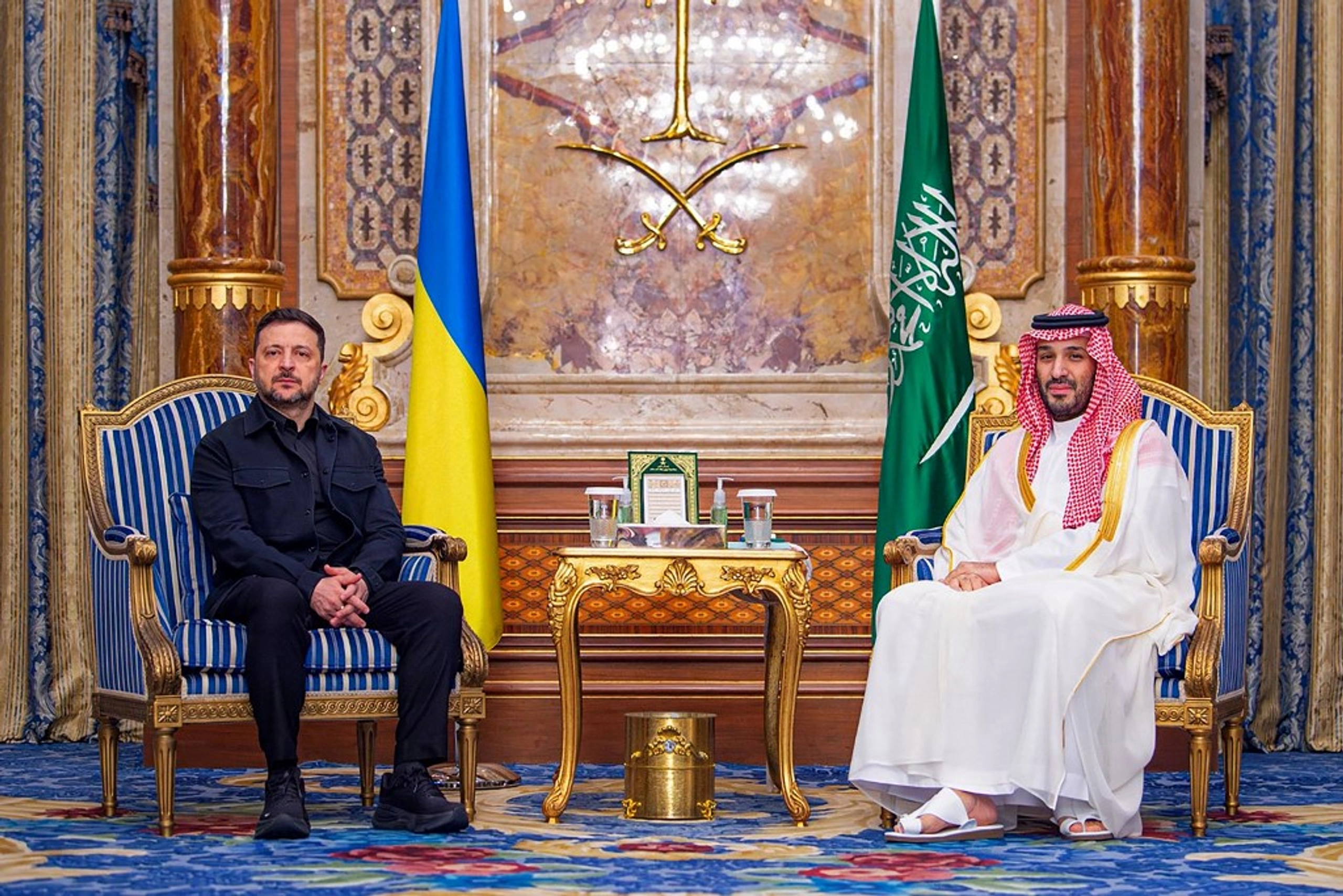
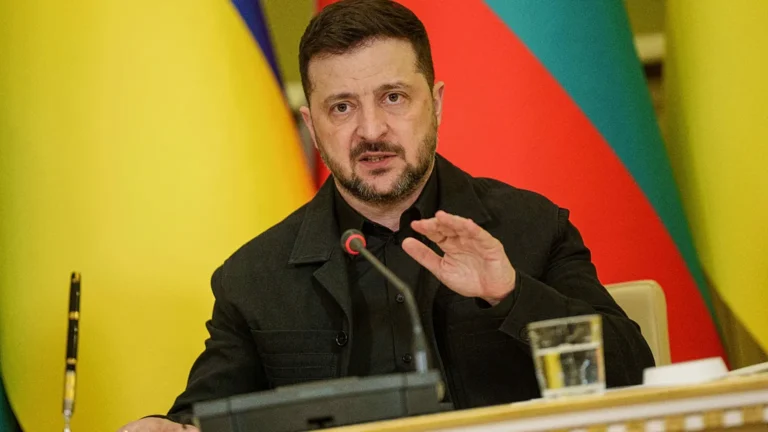
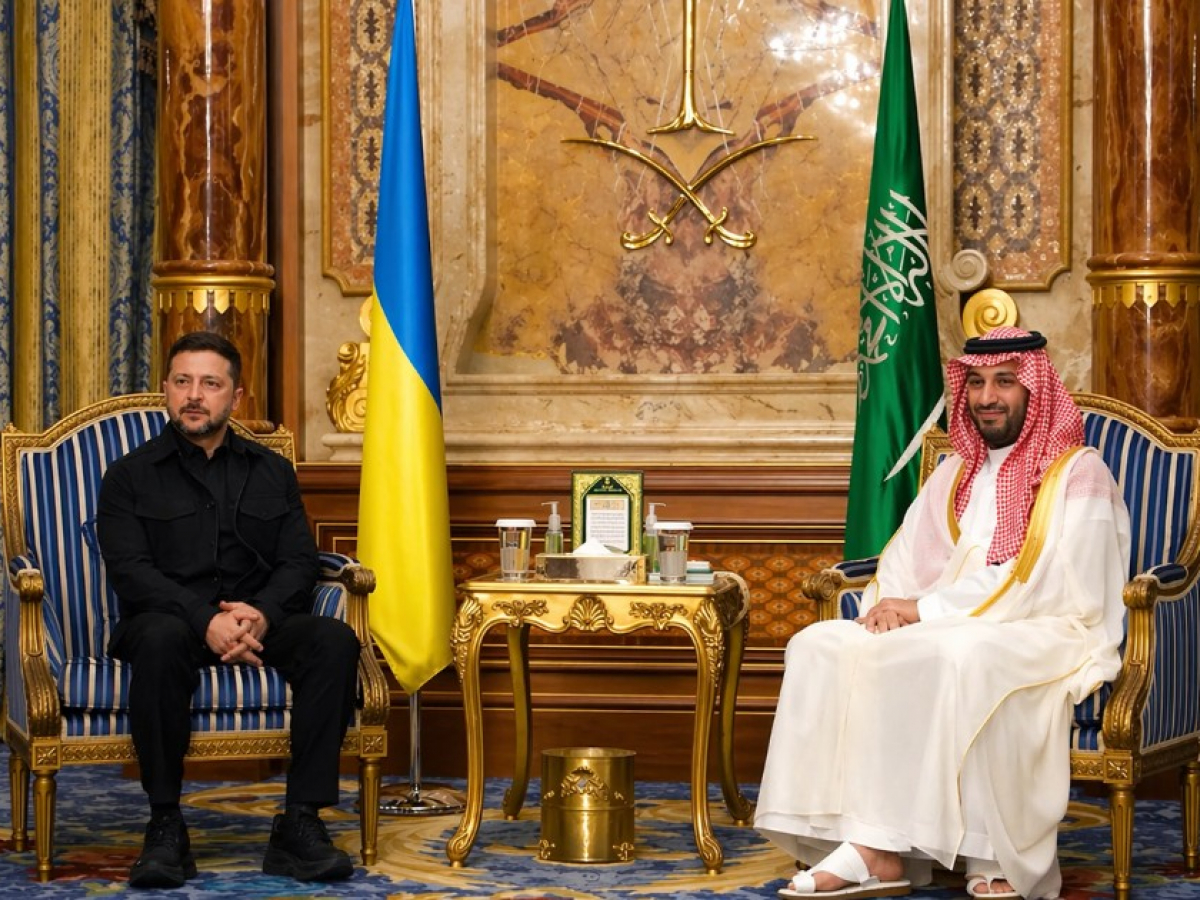
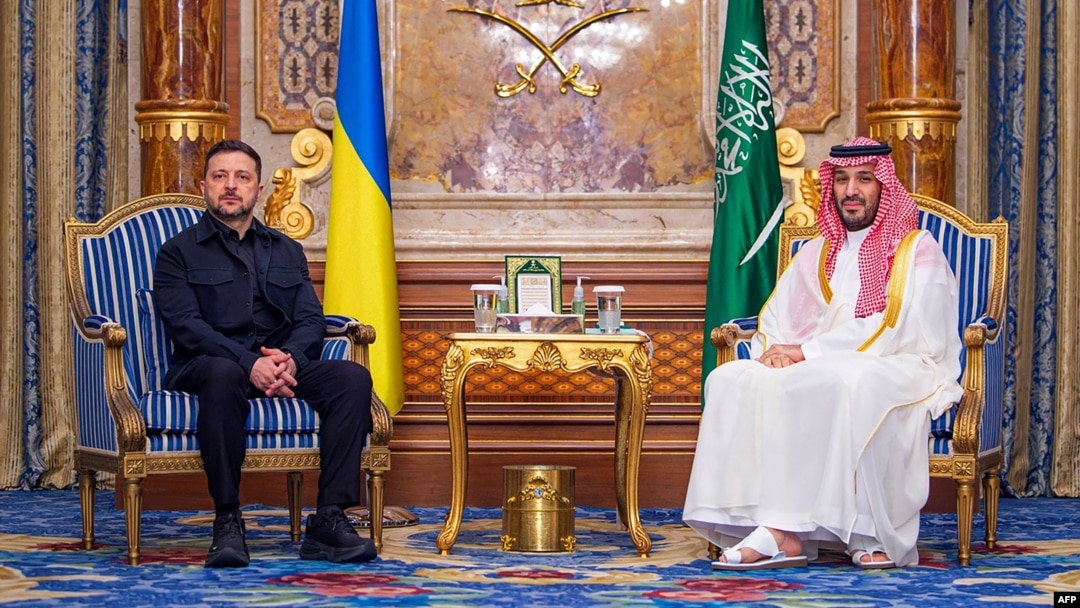
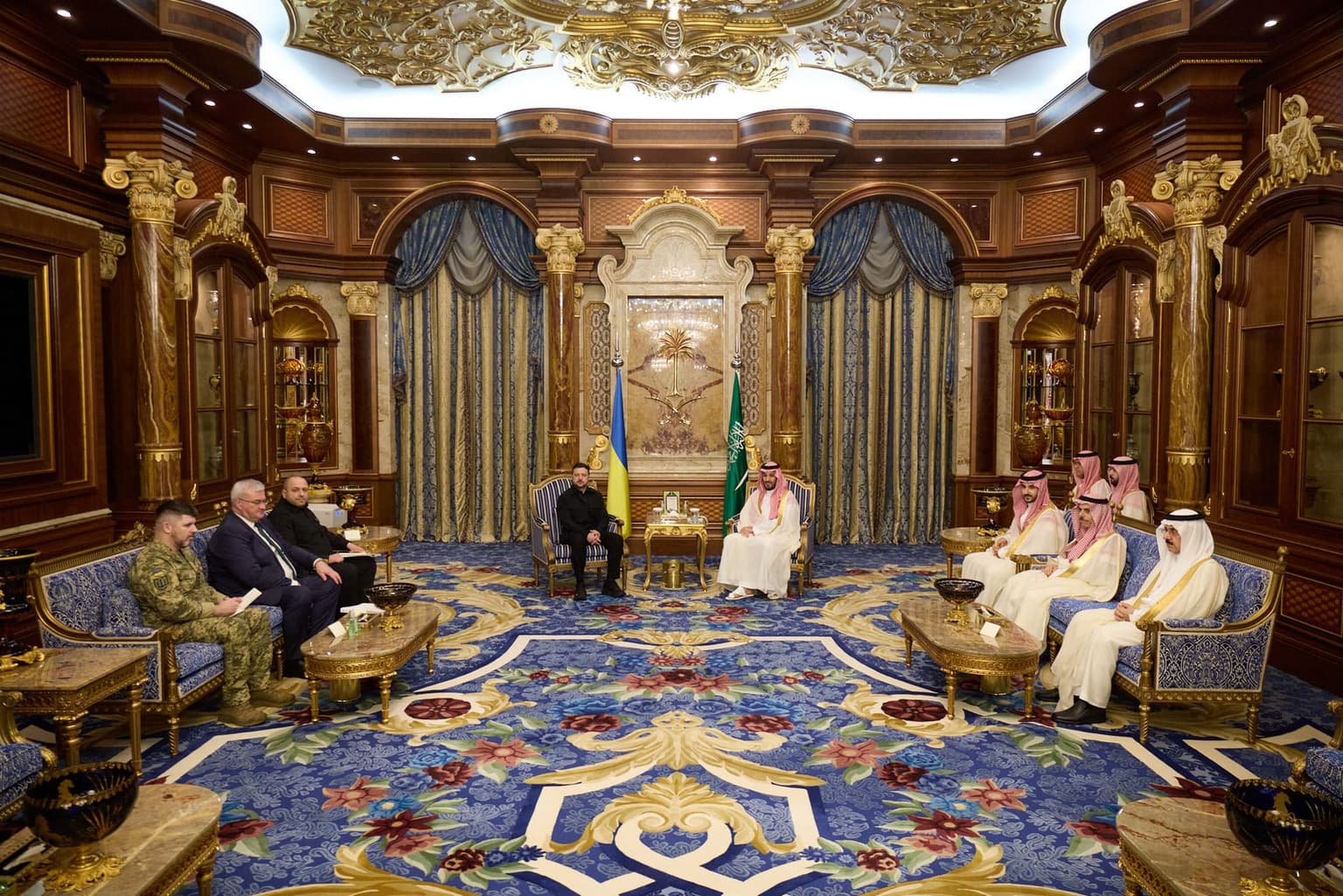
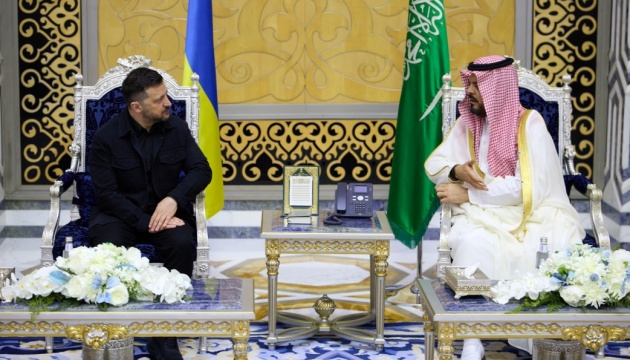
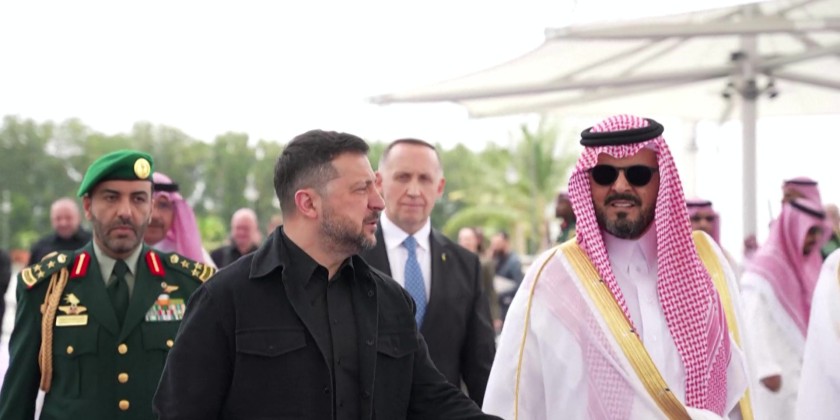
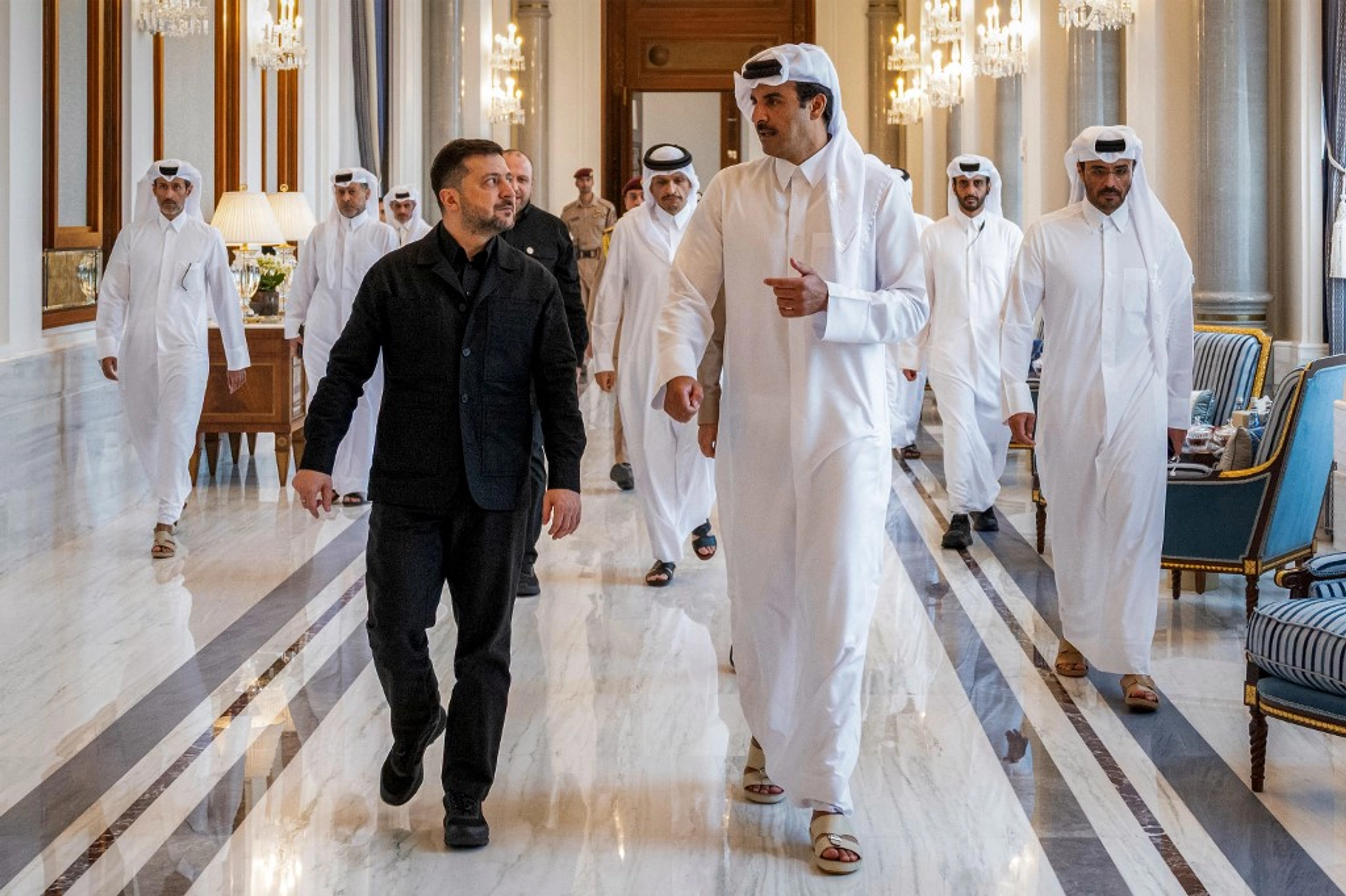
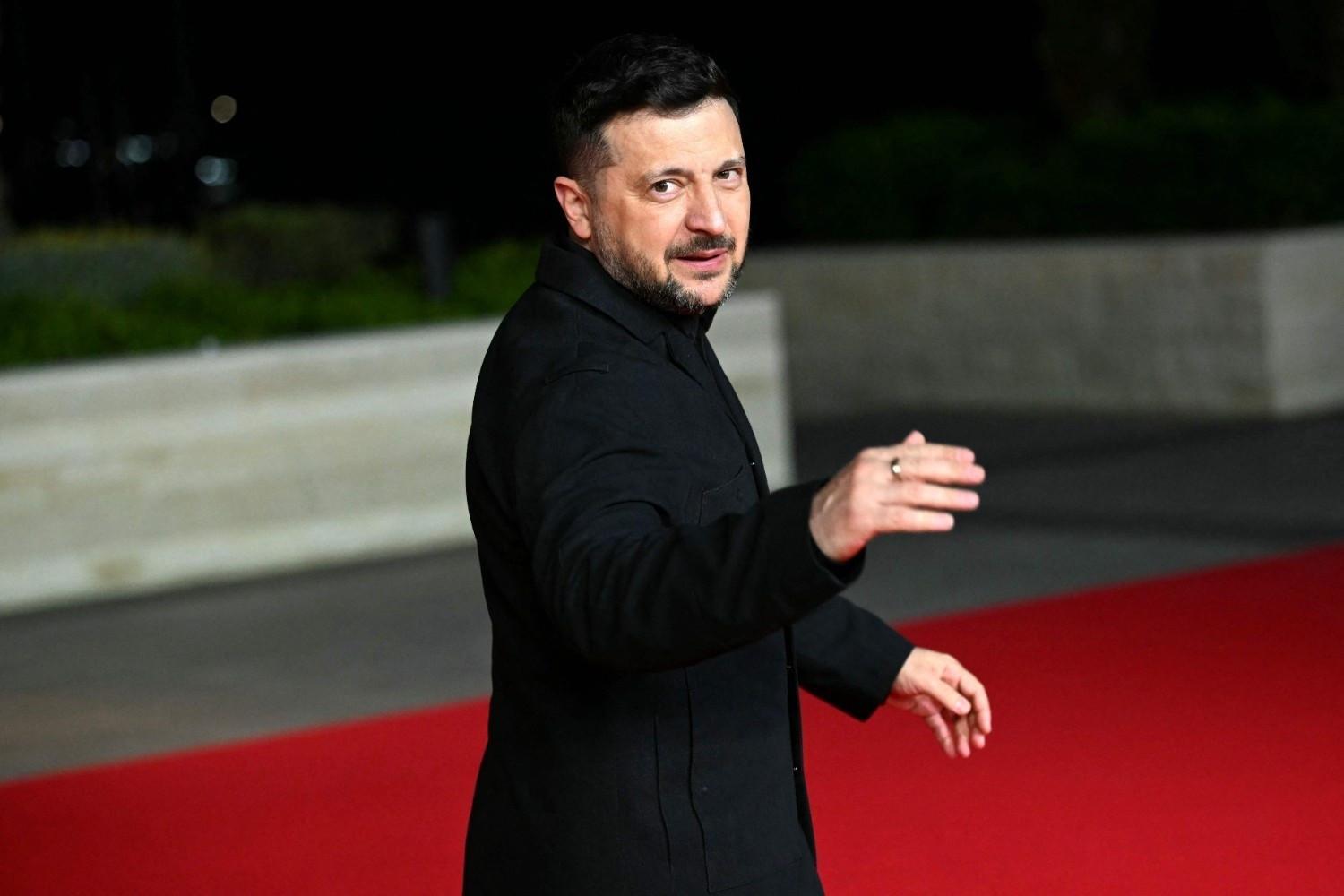
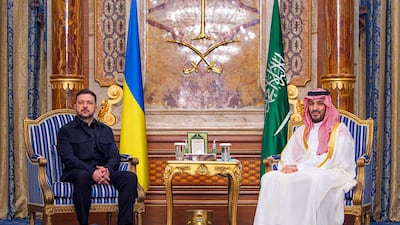
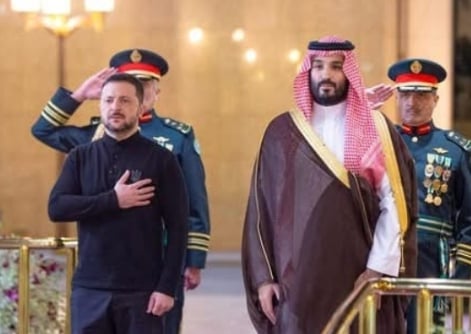
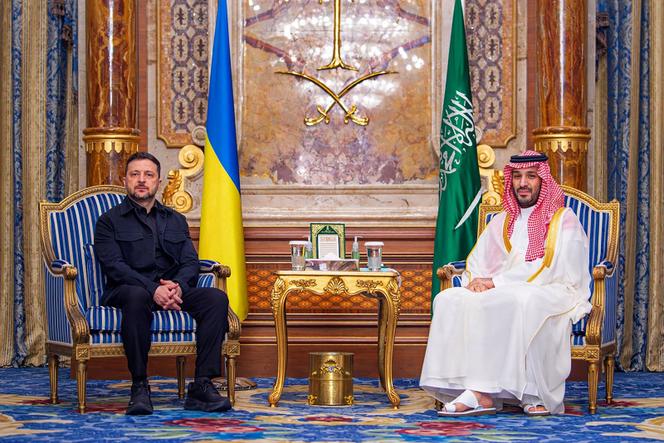
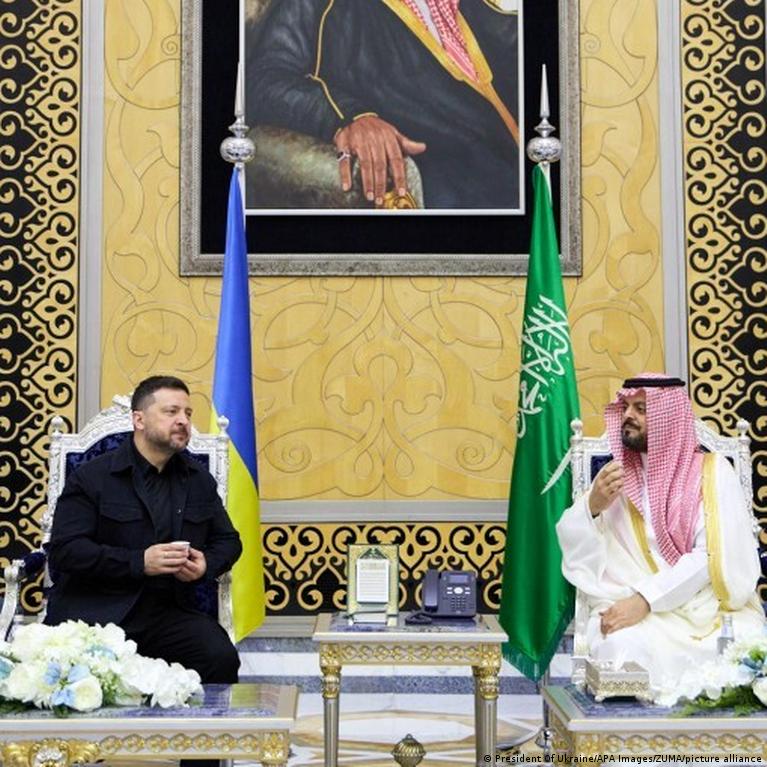
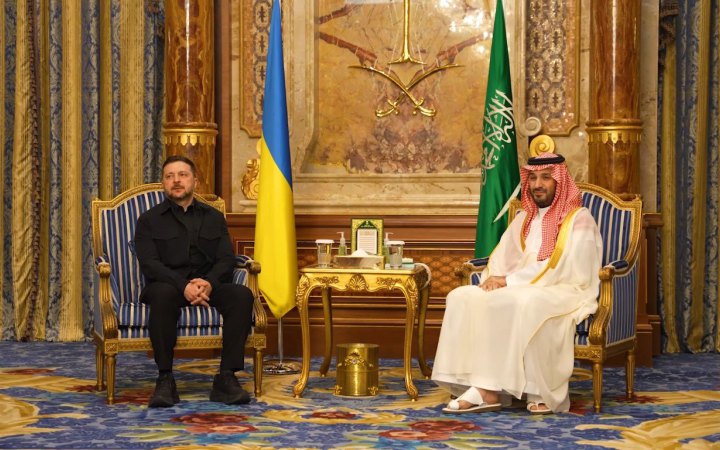
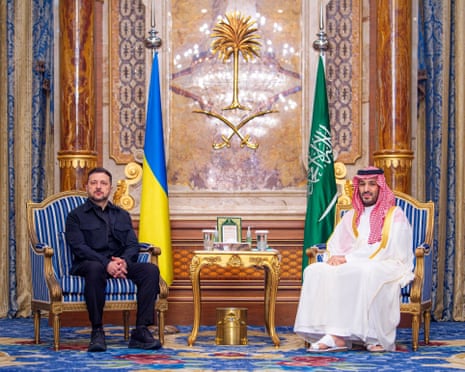
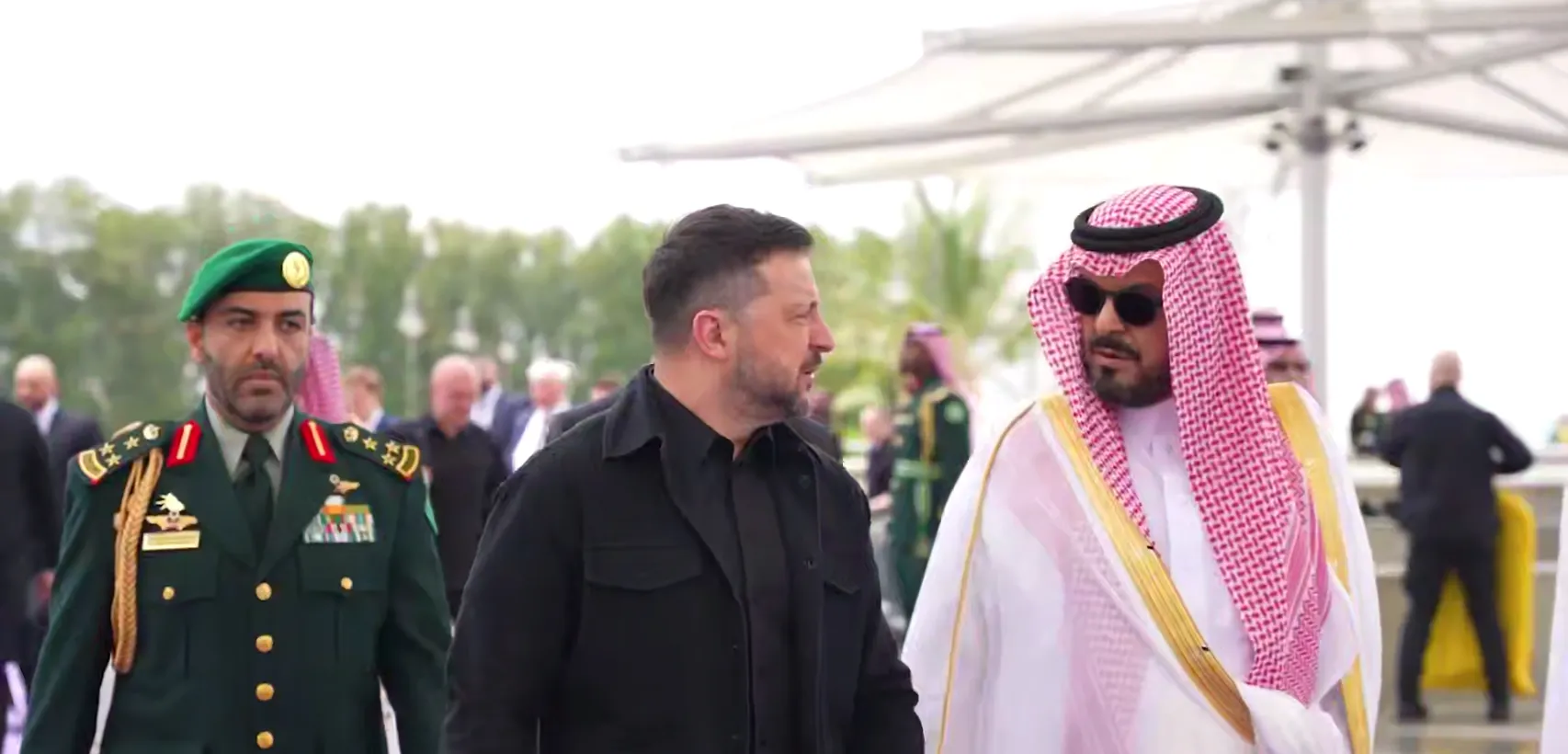
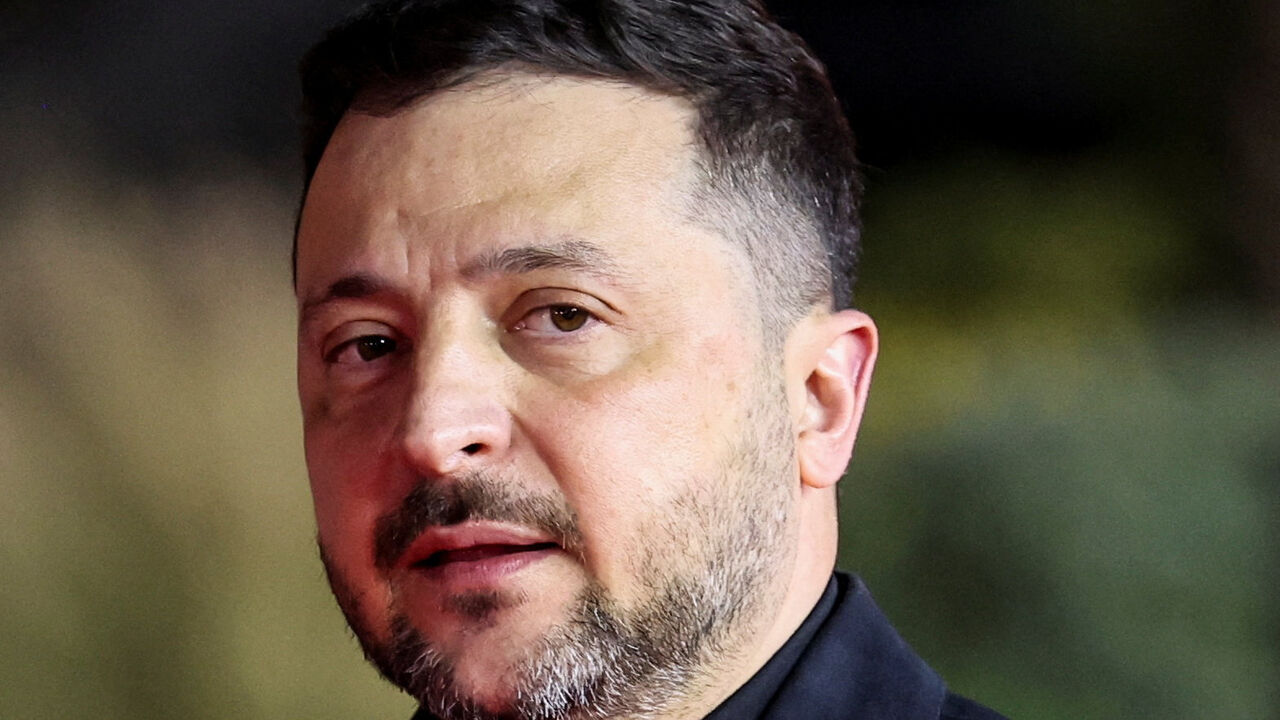
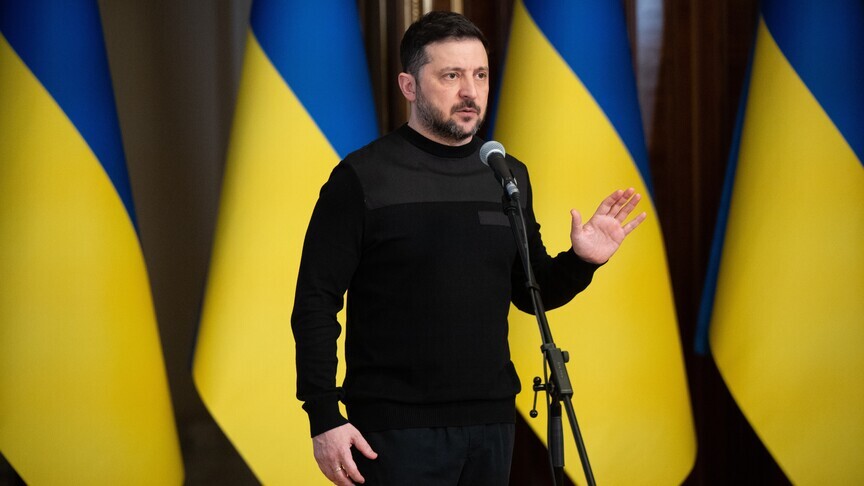
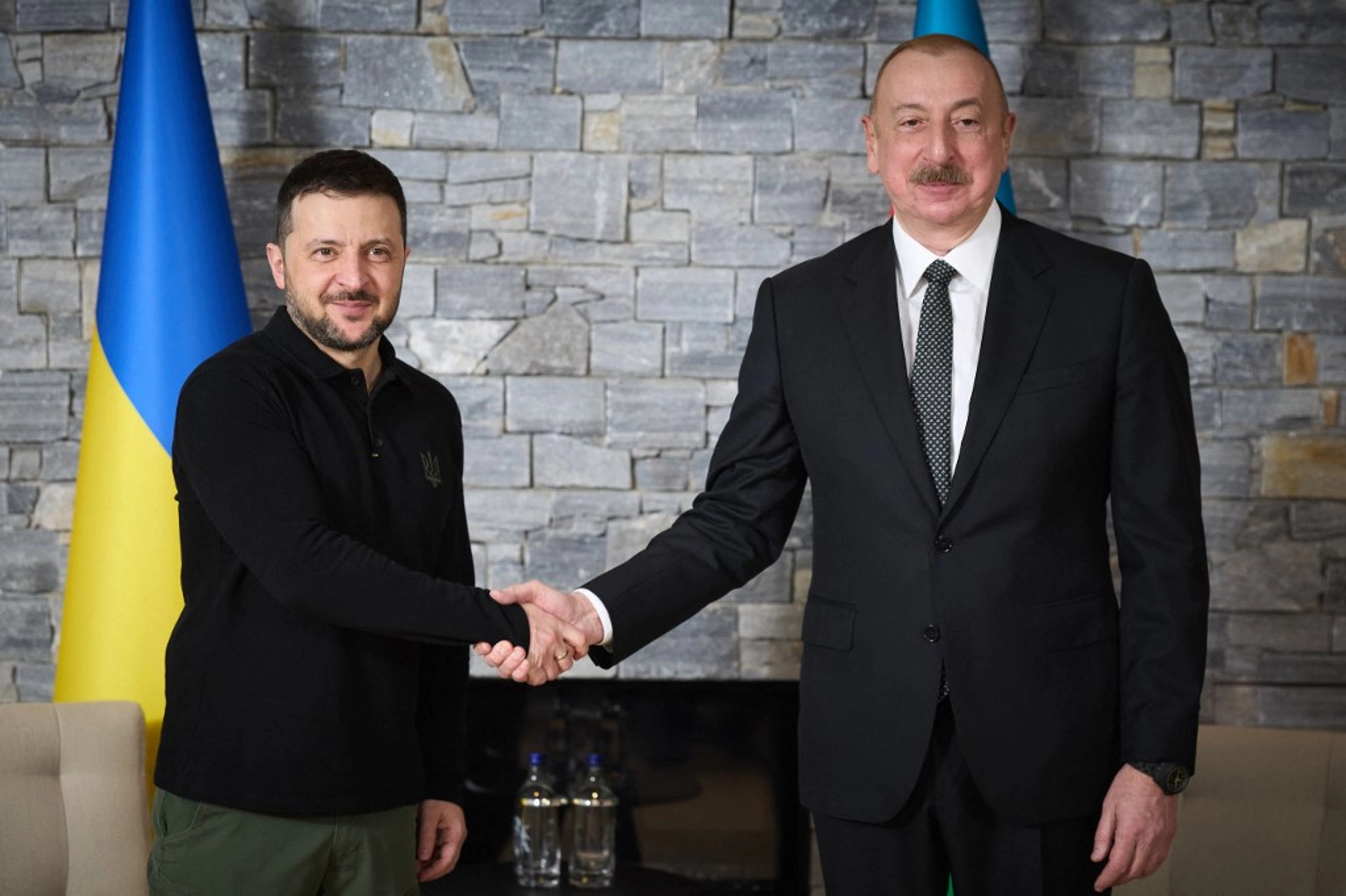
Ukraine's strategic pivot toward Middle Eastern markets represents a significant geopolitical realignment with direct implications for cross-border B2B sellers and supply chain dynamics. Between March 27 and April 24, 2026, President Zelenskyy conducted two diplomatic visits to Saudi Arabia, establishing formal defense cooperation agreements and positioning Ukraine as a technology partner for Gulf nations. The EU simultaneously approved a €90 billion loan package for Ukraine (April 23, 2026) and implemented the 20th sanctions package against Russia, creating a dual-track strategy: strengthening Ukraine's financial position while isolating Russian trade partners.
For cross-border sellers, this geopolitical shift creates three immediate market opportunities. First, energy security infrastructure demand is accelerating across the Gulf region. Saudi Arabia and regional nations face sustained Iranian missile and drone threats, creating urgent procurement needs for air defense systems, surveillance equipment, and critical infrastructure protection. Sellers specializing in industrial electronics, sensor technology, and defense-adjacent components (HS codes 8526-8530: radar and communication equipment) can target Gulf government contracts and private sector modernization projects. Ukraine's demonstrated expertise in countering Iranian-designed drones positions it as a credible technology partner, validating the market opportunity for related suppliers.
Second, food security initiatives represent a $2-5B annual opportunity across the Gulf region. The news explicitly mentions food security as a strategic pillar in Ukraine-Saudi discussions. With Russia's agricultural exports disrupted by sanctions and conflict, Ukrainian and allied suppliers can capture market share in grain, fertilizer, and agricultural technology exports to Saudi Arabia, UAE, and Qatar. Sellers with existing relationships in agricultural commodities, food processing equipment, or agritech solutions should prioritize Gulf market entry within the next 6-12 months before competitors establish dominant positions.
Third, infrastructure modernization and energy transition projects are accelerating. The €90 billion EU loan to Ukraine signals European commitment to post-conflict reconstruction, creating demand for construction materials, renewable energy equipment, and industrial machinery. Sellers in these categories can position themselves as suppliers to Ukrainian reconstruction projects while simultaneously targeting Gulf infrastructure modernization contracts. The Strait of Hormuz navigation restoration initiative mentioned in the news suggests maritime infrastructure opportunities worth $500M-$1B annually.
Russian economic contraction of 1.8% (early 2026) and ongoing sanctions create a critical competitive advantage window. Russian suppliers are being systematically excluded from Gulf markets, creating a 12-24 month window before alternative suppliers (China, India) fully capture displaced market share. Sellers with existing EU or US compliance certifications have a competitive advantage in accessing Gulf government procurement, which increasingly prioritizes Western-aligned suppliers. The 20th sanctions package against Russia indicates escalating trade restrictions, making this a time-sensitive opportunity to establish market presence before Russian alternatives are completely eliminated and replaced by Asian competitors.
Questions 8
What compliance advantages do EU-certified sellers have in accessing Gulf government procurement?
The EU's €90 billion loan package and 20th sanctions package against Russia signal a strategic shift toward Western-aligned suppliers in Gulf markets. EU-certified sellers have preferential access to government procurement contracts, which increasingly prioritize suppliers from sanctioning nations. EU compliance certifications (CE marking, GDPR, export control compliance) are becoming prerequisites for Gulf government contracts, particularly in defense, energy, and infrastructure sectors. Sellers should prioritize obtaining relevant EU certifications and compliance documentation before approaching Gulf procurement agencies. The competitive advantage window is 12-18 months before Asian suppliers obtain equivalent certifications. Sellers without EU certifications should consider partnerships with EU-based distributors or certification bodies to accelerate market entry.
How does the Strait of Hormuz navigation restoration initiative create infrastructure opportunities?
Zelenskyy offered Ukrainian expertise to restore free navigation in the Strait of Hormuz (mentioned in April 24 visit), indicating a broader infrastructure modernization initiative. This suggests demand for maritime infrastructure, port equipment, navigation systems, and security technology. The Strait of Hormuz handles 20-25% of global oil trade, making infrastructure modernization a strategic priority for Gulf nations. Sellers in maritime equipment, port infrastructure, navigation systems, and security technology can target regional projects worth $500M-$1B annually. The initiative also suggests potential for dredging equipment, underwater infrastructure inspection technology, and maritime security systems. Sellers should monitor Gulf port authority procurement announcements and establish relationships with regional maritime infrastructure companies.