

)


)
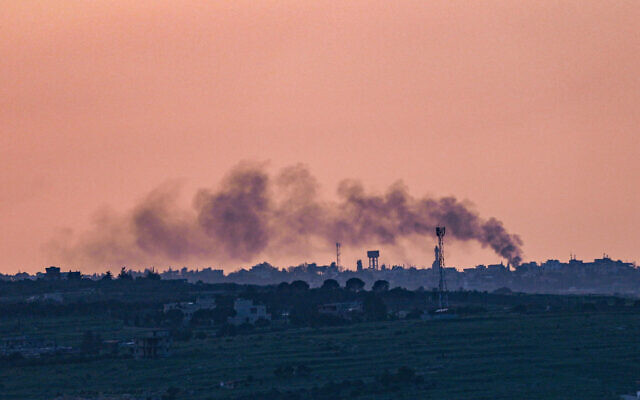
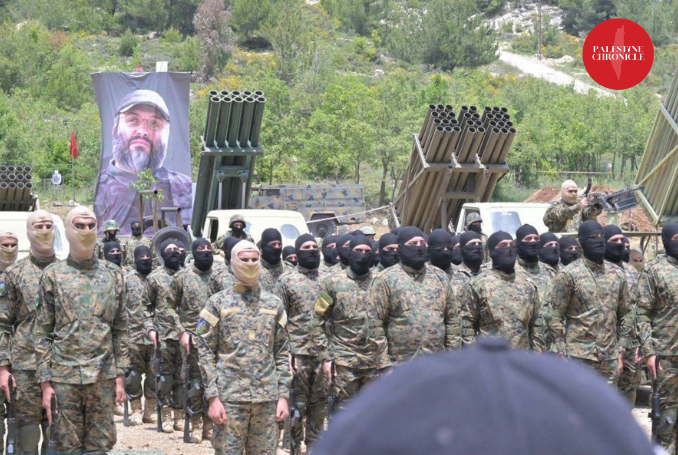
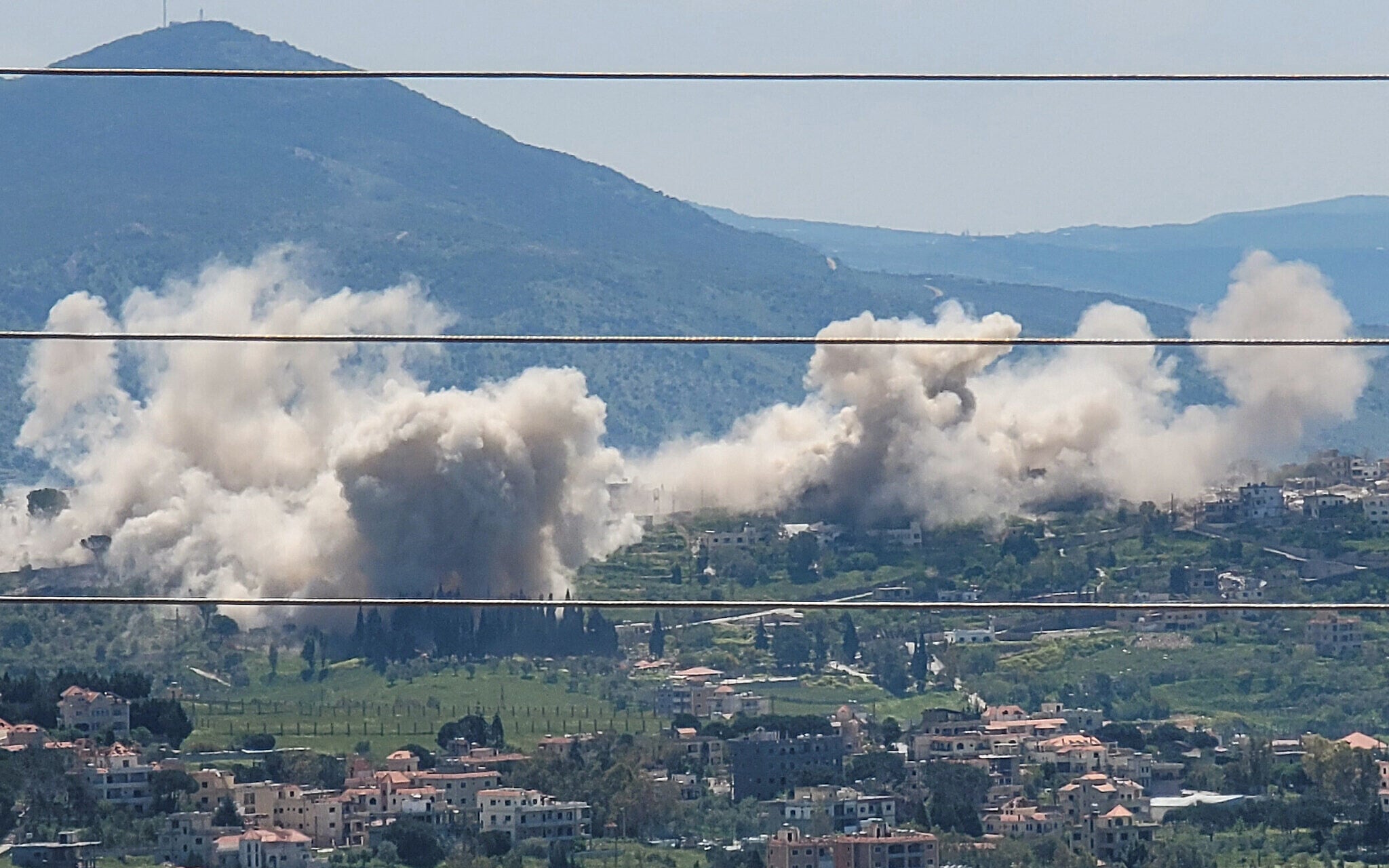
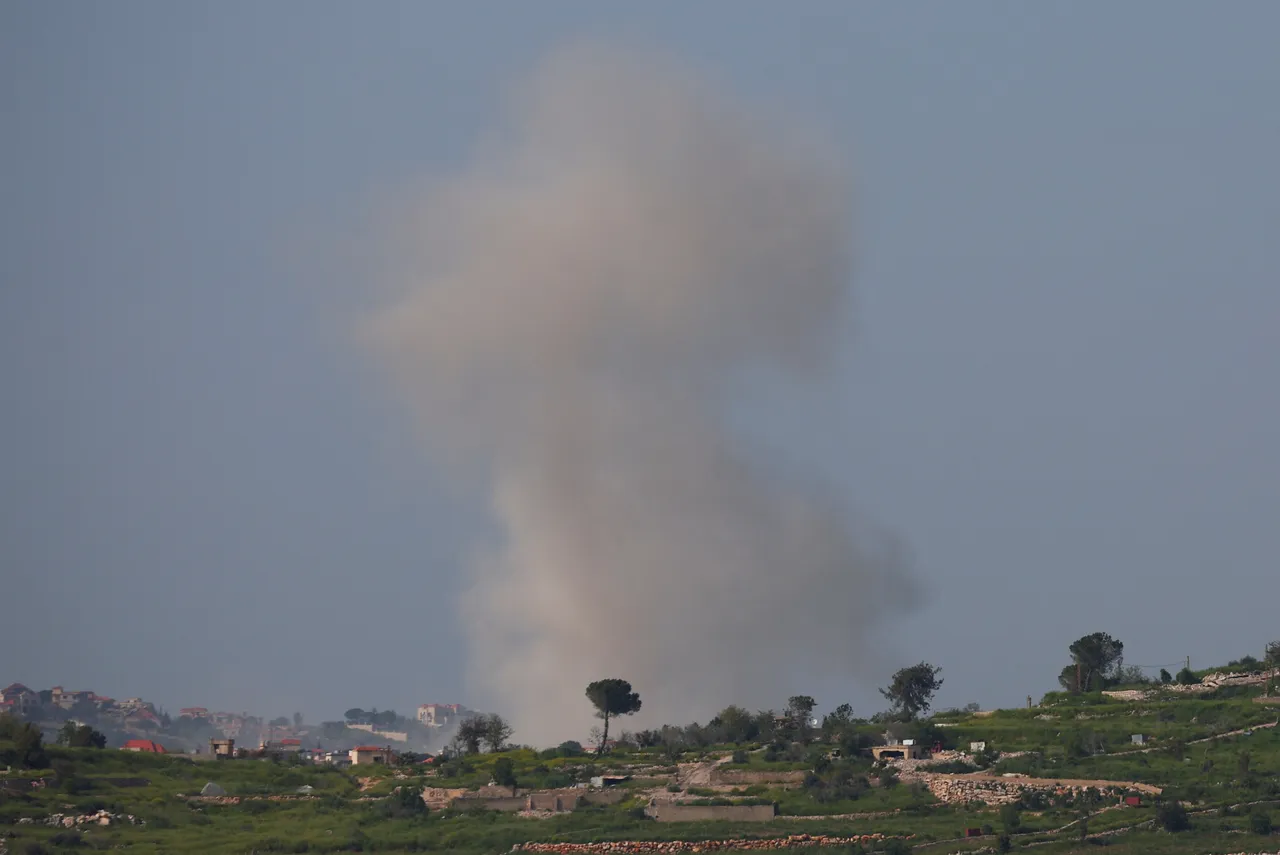
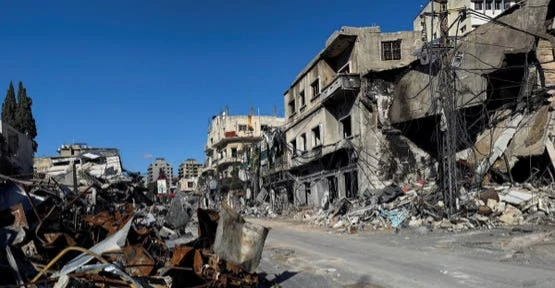
The escalating Israel-Hezbollah conflict in Lebanon presents significant indirect implications for cross-border e-commerce sellers operating in or shipping through the Middle East region. While the news focuses on military operations with 2,496 deaths since March 2 and 120,000+ displaced persons sheltering in evacuation centers, the humanitarian crisis directly impacts regional logistics infrastructure, customs clearance timelines, and supply chain reliability. For sellers, this geopolitical instability creates three critical operational challenges: (1) Logistics Route Disruption: The conflict threatens established shipping corridors through Lebanon and Israel, forcing 3PL providers and freight forwarders to reroute shipments through alternative ports (Cyprus, Egypt, Jordan), adding 5-10 days to transit times and 8-15% to shipping costs. Sellers shipping electronics, apparel, or consumer goods to Middle Eastern markets must immediately audit their logistics partners' contingency plans. (2) Regional Market Volatility: The 31,000 displaced families and ongoing ceasefire violations create consumer spending uncertainty across Lebanon, Israel, and neighboring markets. E-commerce demand typically contracts 20-30% during active conflict periods as consumers prioritize essential goods over discretionary purchases. Sellers with inventory positioned for luxury goods, fashion, or non-essential categories should consider temporary inventory reallocation to stable markets (UAE, Saudi Arabia, Egypt). (3) Payment and Compliance Risk: The geopolitical tensions increase banking friction and payment processing delays in the region. International payment processors may implement additional compliance screening for Middle Eastern transactions, extending settlement times from 3-5 days to 7-14 days. Sellers should diversify payment methods and maintain higher cash reserves for regional operations. The canceled U.S. diplomatic visits and Trump administration's negotiating stance suggest prolonged uncertainty rather than near-term resolution, indicating sellers should prepare for 6-12 months of elevated logistics costs and market volatility. Sellers with significant exposure to Levant region markets (Israel, Lebanon, Palestine, Syria, Jordan) should immediately review insurance coverage for supply chain disruptions and consider temporary market exit strategies for non-essential categories while maintaining presence in stable Gulf markets.
The geopolitical tensions increase banking friction and compliance screening for Middle Eastern transactions. International payment processors may implement enhanced due diligence for Israel, Lebanon, and Palestinian territories, extending settlement times from 3-5 days to 7-14 days. Sellers should: (1) Diversify payment methods beyond single processors; (2) Maintain 30-45 days of operating cash reserves for regional operations; (3) Monitor OFAC (Office of Foreign Assets Control) sanctions lists for transaction screening; (4) Implement multi-currency accounts to reduce currency conversion delays; (5) Establish direct banking relationships with regional payment providers. Sellers with significant Middle East exposure should consult compliance specialists regarding sanctions risk and consider temporary payment method restrictions for high-risk jurisdictions until geopolitical stability improves.
The escalating conflict with 2,496+ deaths since March 2 and 120,000+ displaced persons directly disrupts logistics infrastructure in the Levant region. Sellers shipping to Israel, Lebanon, Palestine, and Jordan face 5-10 day transit delays as 3PL providers reroute shipments through Cyprus, Egypt, or Jordan ports instead of direct Levant routes. Shipping costs increase 8-15% due to longer routes and higher insurance premiums. Sellers should immediately contact their logistics partners to confirm contingency plans and consider temporary market exit for non-essential categories while maintaining operations in stable Gulf markets (UAE, Saudi Arabia).
The decision depends on seller category, inventory position, and risk tolerance. For essential goods sellers with existing inventory: maintain operations but reduce new inventory purchases and implement aggressive liquidation strategies. For discretionary category sellers: consider temporary market exit (3-6 months) to avoid inventory obsolescence and reduced demand. For sellers with no existing inventory: delay market entry until geopolitical stability improves. Maintain presence in stable Gulf markets (UAE, Saudi Arabia, Egypt) which typically see 5-10% demand increases during regional conflicts as consumers seek alternative shopping destinations. Sellers should implement quarterly geopolitical risk reviews and establish clear re-entry triggers (ceasefire duration >90 days, diplomatic progress indicators, payment processing normalization) before resuming full operations in Levant region markets.
The canceled U.S. diplomatic visits and Trump administration's negotiating stance suggest prolonged uncertainty rather than near-term resolution. The three-week ceasefire extension announced by President Trump indicates negotiations are fragile, with ongoing ceasefire violations (two rockets launched from southern Lebanon) signaling continued military tension. Industry analysts typically forecast 6-12 months of elevated logistics costs and market volatility during such conflicts. Sellers should plan contingency strategies for extended disruption: (1) Establish 6-month cash reserves for regional operations; (2) Implement quarterly reviews of geopolitical risk assessments; (3) Develop market exit and re-entry protocols; (4) Monitor diplomatic developments weekly for changes in conflict trajectory. Sellers should avoid long-term inventory commitments to Levant region markets until ceasefire stability improves and diplomatic progress becomes evident.
Sellers should immediately review and upgrade supply chain insurance coverage including: (1) Political Risk Insurance covering supply chain disruptions, payment default, and currency inconvertibility (typical cost: 0.5-2% of shipment value); (2) War/Civil Unrest Coverage for shipments in conflict zones (premium increase: 15-30% above standard marine insurance); (3) Contingent Business Interruption Insurance for logistics delays and market access restrictions; (4) Extended Payment Terms Insurance for settlement delays (typical cost: 0.1-0.5% of transaction value). Sellers should also establish credit lines with regional banks to bridge payment processing delays and maintain operational liquidity. Consult with insurance brokers specializing in Middle East trade to identify coverage gaps and negotiate premium rates. Budget 2-5% of regional revenue for enhanced insurance and risk mitigation during conflict periods.
Sellers should immediately audit their 3PL providers' contingency plans for Middle East operations and request written confirmation of alternative routing capabilities. Key actions: (1) Diversify logistics partners to avoid single-point-of-failure dependency on Levant routes; (2) Increase inventory buffers in stable regional hubs (Dubai, Doha) by 20-30% to absorb transit delays; (3) Implement real-time shipment tracking with automated alerts for route changes; (4) Review insurance coverage for supply chain disruptions and conflict-zone shipping premiums; (5) Establish backup payment processing methods for settlement delays. Sellers should budget 8-15% additional logistics costs for 6-12 months and consider temporary suspension of just-in-time inventory models in favor of safety stock strategies.
Historical data from similar regional conflicts shows e-commerce demand typically contracts 20-30% during active military operations as consumers shift spending toward essential goods. With 31,000 displaced families and ongoing ceasefire violations, discretionary purchases (fashion, electronics, luxury goods) face significant headwinds. Sellers should expect reduced conversion rates and lower average order values in Israel and Lebanon markets for 6-12 months. Conversely, essential categories (health/wellness, home goods, food supplies) may see 10-15% demand increases. Sellers should rebalance inventory allocation accordingly and monitor regional payment processing delays of 7-14 days versus normal 3-5 day settlement.
During active regional conflicts, consumer spending patterns shift dramatically. Sellers should deprioritize: luxury goods, fashion/apparel, electronics, and discretionary items (typically 20-30% demand reduction). Prioritize: health/wellness products, home essentials, food/beverage supplies, and emergency preparedness items (typically 10-15% demand increase). The 120,000+ displaced persons in Lebanon create specific demand spikes for portable goods, hygiene products, and basic necessities. Sellers should temporarily reallocate inventory from discretionary to essential categories and adjust PPC advertising spend accordingly. For sellers with existing inventory in conflict zones, consider liquidation strategies through alternative channels (B2B, wholesale) rather than holding for consumer demand recovery.
The geopolitical tensions increase banking friction and compliance screening for Middle Eastern transactions. International payment processors may implement enhanced due diligence for Israel, Lebanon, and Palestinian territories, extending settlement times from 3-5 days to 7-14 days. Sellers should: (1) Diversify payment methods beyond single processors; (2) Maintain 30-45 days of operating cash reserves for regional operations; (3) Monitor OFAC (Office of Foreign Assets Control) sanctions lists for transaction screening; (4) Implement multi-currency accounts to reduce currency conversion delays; (5) Establish direct banking relationships with regional payment providers. Sellers with significant Middle East exposure should consult compliance specialists regarding sanctions risk and consider temporary payment method restrictions for high-risk jurisdictions until geopolitical stability improves.
The escalating conflict with 2,496+ deaths since March 2 and 120,000+ displaced persons directly disrupts logistics infrastructure in the Levant region. Sellers shipping to Israel, Lebanon, Palestine, and Jordan face 5-10 day transit delays as 3PL providers reroute shipments through Cyprus, Egypt, or Jordan ports instead of direct Levant routes. Shipping costs increase 8-15% due to longer routes and higher insurance premiums. Sellers should immediately contact their logistics partners to confirm contingency plans and consider temporary market exit for non-essential categories while maintaining operations in stable Gulf markets (UAE, Saudi Arabia).
The decision depends on seller category, inventory position, and risk tolerance. For essential goods sellers with existing inventory: maintain operations but reduce new inventory purchases and implement aggressive liquidation strategies. For discretionary category sellers: consider temporary market exit (3-6 months) to avoid inventory obsolescence and reduced demand. For sellers with no existing inventory: delay market entry until geopolitical stability improves. Maintain presence in stable Gulf markets (UAE, Saudi Arabia, Egypt) which typically see 5-10% demand increases during regional conflicts as consumers seek alternative shopping destinations. Sellers should implement quarterly geopolitical risk reviews and establish clear re-entry triggers (ceasefire duration >90 days, diplomatic progress indicators, payment processing normalization) before resuming full operations in Levant region markets.
The canceled U.S. diplomatic visits and Trump administration's negotiating stance suggest prolonged uncertainty rather than near-term resolution. The three-week ceasefire extension announced by President Trump indicates negotiations are fragile, with ongoing ceasefire violations (two rockets launched from southern Lebanon) signaling continued military tension. Industry analysts typically forecast 6-12 months of elevated logistics costs and market volatility during such conflicts. Sellers should plan contingency strategies for extended disruption: (1) Establish 6-month cash reserves for regional operations; (2) Implement quarterly reviews of geopolitical risk assessments; (3) Develop market exit and re-entry protocols; (4) Monitor diplomatic developments weekly for changes in conflict trajectory. Sellers should avoid long-term inventory commitments to Levant region markets until ceasefire stability improves and diplomatic progress becomes evident.
Sellers should immediately review and upgrade supply chain insurance coverage including: (1) Political Risk Insurance covering supply chain disruptions, payment default, and currency inconvertibility (typical cost: 0.5-2% of shipment value); (2) War/Civil Unrest Coverage for shipments in conflict zones (premium increase: 15-30% above standard marine insurance); (3) Contingent Business Interruption Insurance for logistics delays and market access restrictions; (4) Extended Payment Terms Insurance for settlement delays (typical cost: 0.1-0.5% of transaction value). Sellers should also establish credit lines with regional banks to bridge payment processing delays and maintain operational liquidity. Consult with insurance brokers specializing in Middle East trade to identify coverage gaps and negotiate premium rates. Budget 2-5% of regional revenue for enhanced insurance and risk mitigation during conflict periods.
Sellers should immediately audit their 3PL providers' contingency plans for Middle East operations and request written confirmation of alternative routing capabilities. Key actions: (1) Diversify logistics partners to avoid single-point-of-failure dependency on Levant routes; (2) Increase inventory buffers in stable regional hubs (Dubai, Doha) by 20-30% to absorb transit delays; (3) Implement real-time shipment tracking with automated alerts for route changes; (4) Review insurance coverage for supply chain disruptions and conflict-zone shipping premiums; (5) Establish backup payment processing methods for settlement delays. Sellers should budget 8-15% additional logistics costs for 6-12 months and consider temporary suspension of just-in-time inventory models in favor of safety stock strategies.
Historical data from similar regional conflicts shows e-commerce demand typically contracts 20-30% during active military operations as consumers shift spending toward essential goods. With 31,000 displaced families and ongoing ceasefire violations, discretionary purchases (fashion, electronics, luxury goods) face significant headwinds. Sellers should expect reduced conversion rates and lower average order values in Israel and Lebanon markets for 6-12 months. Conversely, essential categories (health/wellness, home goods, food supplies) may see 10-15% demand increases. Sellers should rebalance inventory allocation accordingly and monitor regional payment processing delays of 7-14 days versus normal 3-5 day settlement.
During active regional conflicts, consumer spending patterns shift dramatically. Sellers should deprioritize: luxury goods, fashion/apparel, electronics, and discretionary items (typically 20-30% demand reduction). Prioritize: health/wellness products, home essentials, food/beverage supplies, and emergency preparedness items (typically 10-15% demand increase). The 120,000+ displaced persons in Lebanon create specific demand spikes for portable goods, hygiene products, and basic necessities. Sellers should temporarily reallocate inventory from discretionary to essential categories and adjust PPC advertising spend accordingly. For sellers with existing inventory in conflict zones, consider liquidation strategies through alternative channels (B2B, wholesale) rather than holding for consumer demand recovery.
The geopolitical tensions increase banking friction and compliance screening for Middle Eastern transactions. International payment processors may implement enhanced due diligence for Israel, Lebanon, and Palestinian territories, extending settlement times from 3-5 days to 7-14 days. Sellers should: (1) Diversify payment methods beyond single processors; (2) Maintain 30-45 days of operating cash reserves for regional operations; (3) Monitor OFAC (Office of Foreign Assets Control) sanctions lists for transaction screening; (4) Implement multi-currency accounts to reduce currency conversion delays; (5) Establish direct banking relationships with regional payment providers. Sellers with significant Middle East exposure should consult compliance specialists regarding sanctions risk and consider temporary payment method restrictions for high-risk jurisdictions until geopolitical stability improves.
The escalating conflict with 2,496+ deaths since March 2 and 120,000+ displaced persons directly disrupts logistics infrastructure in the Levant region. Sellers shipping to Israel, Lebanon, Palestine, and Jordan face 5-10 day transit delays as 3PL providers reroute shipments through Cyprus, Egypt, or Jordan ports instead of direct Levant routes. Shipping costs increase 8-15% due to longer routes and higher insurance premiums. Sellers should immediately contact their logistics partners to confirm contingency plans and consider temporary market exit for non-essential categories while maintaining operations in stable Gulf markets (UAE, Saudi Arabia).