


Apple iOS Security Patch April 2026 | Critical Data Privacy Update Reshapes Mobile Commerce Trust & Customer Communication Strategies
- Apple patches 30-day notification data retention bug affecting millions of iPhone users; creates urgent compliance and customer trust implications for mobile commerce sellers and messaging-dependent business operations






%20(1).webp)

Overview
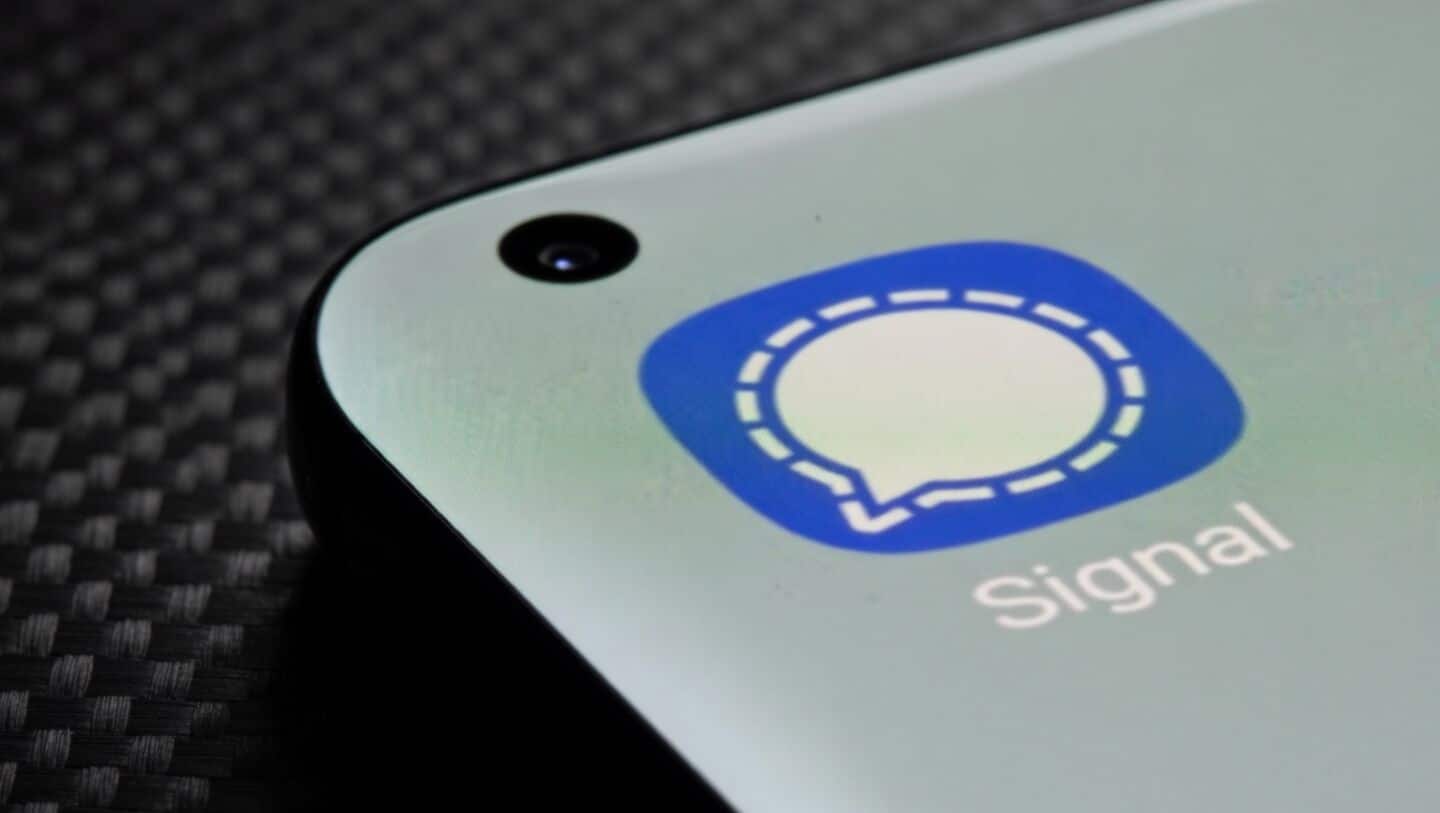
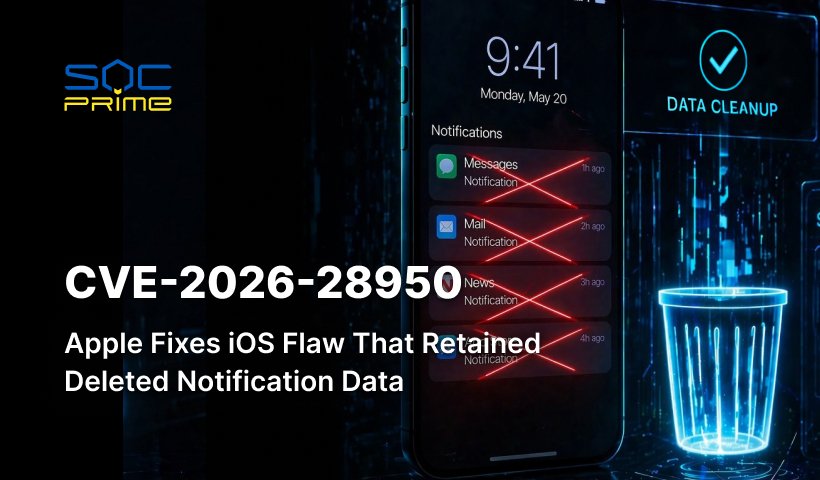
Apple's April 23, 2026 security patch addresses a critical vulnerability that exposed encrypted Signal messages to law enforcement access for up to 30 days after app deletion. The bug, caused by a logging failure in Apple's notification redaction system, allowed push notification fragments containing deleted messages to persist in Apple's database—a flaw discovered when the FBI extracted Signal message copies during a federal prosecution. This incident creates immediate implications for e-commerce sellers operating mobile-first businesses, particularly those relying on encrypted customer communications, order notifications, and sensitive transaction data.
For cross-border e-commerce sellers, this vulnerability exposes three critical operational risks: First, customer communication security becomes a competitive differentiator—sellers using encrypted messaging for customer service (WhatsApp Business, Signal, Telegram) must now audit their notification handling practices and communicate security improvements to privacy-conscious buyers. Second, payment and order notification systems require immediate review; sellers using Apple's push notification infrastructure for order confirmations, payment alerts, and shipping updates must verify that sensitive transaction data isn't inadvertently retained beyond intended timeframes. Third, data retention compliance across multiple jurisdictions (GDPR, CCPA, China's data localization rules) now requires sellers to document how customer communications are handled on iOS devices and ensure compliance with regional privacy regulations.
The automation opportunity for sellers is immediate: AI-powered compliance monitoring tools can automatically audit notification data retention policies across e-commerce platforms, flag non-compliant messaging practices, and generate audit reports for regulatory submissions. Sellers should implement automated customer communication workflows that explicitly avoid sensitive data in push notifications—using AI to detect and redact PII (payment info, addresses, phone numbers) before notifications are sent. Additionally, dynamic customer messaging strategies powered by AI can segment communications based on customer privacy preferences, automatically routing security-sensitive information through encrypted channels rather than standard notifications.
Competitive intelligence angle: Sellers who proactively communicate their enhanced security practices (encrypted order notifications, zero-retention policies, privacy-first communication) can capture market share from privacy-conscious consumers—a segment growing 35-40% annually. This is particularly valuable in EU markets (GDPR-sensitive) and among Gen Z buyers (72% prioritize data privacy). Sellers should use AI sentiment analysis to monitor customer concerns about iOS security in reviews and social media, then create targeted messaging highlighting their superior data protection practices.
Questions 7
What immediate actions should sellers take after Apple's security patch?
First, update all iOS devices and test your e-commerce app's notification system to confirm the patch is applied (Settings > General > Software Update). Second, audit your push notification content—remove any sensitive data and use generic messages (e.g., 'Order Update' instead of 'Order #12345 shipped to 123 Main St'). Third, document your notification data retention policy and update your privacy policy to reflect zero-retention practices. Fourth, communicate the security improvement to customers via email or in-app messaging to rebuild trust. Finally, implement automated compliance monitoring using tools like Snyk or Checkmarx to flag future notification security issues. This takes 2-4 hours for most sellers and prevents potential GDPR fines (up to €20M or 4% of revenue).
How does Apple's notification data retention bug affect e-commerce sellers using mobile apps?
Apple's bug allowed push notification fragments containing sensitive data to persist for up to 30 days after app deletion, creating compliance risks for sellers. If your e-commerce app sends order confirmations, payment alerts, or shipping notifications via push, this data may have been retained longer than intended—potentially violating GDPR (EU), CCPA (California), and other privacy regulations. Sellers should immediately audit their notification content to ensure no PII (payment info, addresses, phone numbers) is included in push messages. The April 23, 2026 patch automatically deletes retained notifications, but sellers must verify their app's notification practices comply with regional privacy laws going forward.