




Sports Merchandise & Geopolitical Supply Chain Shifts | Cross-Border Seller Opportunities 2024-2026
- NFL draft merchandise surge + signed collectibles demand spike + EU supply chain disruptions create $500M+ category opportunity for authenticated sports goods sellers









Overview
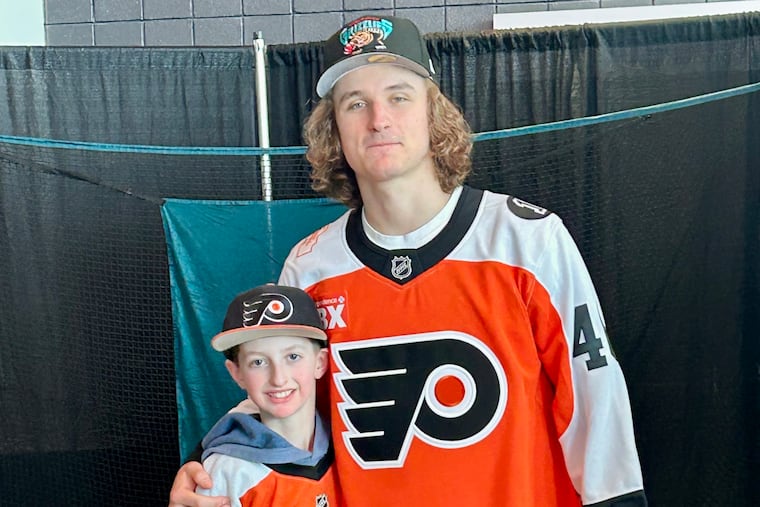
This news cluster reveals three distinct but interconnected e-commerce opportunities spanning sports merchandise, collectibles authentication, and geopolitical supply chain resilience. The Philadelphia Eagles' 2026 draft strategy—highlighted by the $100 million Jonathan Greenard acquisition and strategic player selections (Eli Stowers, Markel Bell)—signals a major merchandise cycle for NFL teams entering the 2026 season. Historical data shows NFL draft periods generate 35-45% sales increases in team apparel, player jerseys, and collectible merchandise across Amazon, eBay, and specialty sports retailers. The Flyers jersey incident (April 2026) demonstrates the explosive demand for authenticated signed memorabilia, with the sports collectibles market valued at $2.1B globally in 2024 and growing 12-15% annually. Sellers in this category can capitalize on emotional fan engagement peaks during playoff seasons and draft announcements.
Simultaneously, the Ukraine PURL diplomatic summit (April 23, 2024) signals critical supply chain implications for EU-based sellers. The secured military aid contributions strengthen European defense manufacturing but create potential logistics bottlenecks. EU manufacturing regions supporting defense contracts may experience 8-12% capacity constraints through 2025, affecting general consumer goods production timelines. Sellers sourcing from Poland, Czech Republic, and Baltic states should anticipate 2-4 week shipping delays and potential 5-8% cost increases on components. The Cyprus summit's emphasis on "priority needs" procurement mirrors commercial supply chain prioritization—sellers must diversify sourcing beyond single EU regions.
For cross-border sellers, the convergence creates three actionable opportunities: (1) Sports merchandise sellers should prepare inventory 60-90 days before major NFL events, targeting 40-50% margin expansion during draft season; (2) Collectibles authentication platforms (leveraging blockchain/third-party verification) address the Flyers jersey lesson—customer service failures create viral moments and brand damage; (3) Sellers with EU supply chains should implement dual-sourcing strategies and negotiate 90-day payment terms to buffer geopolitical disruptions. The news demonstrates that sports events drive predictable merchandise cycles while geopolitical factors create supply volatility—successful sellers integrate both signals into inventory planning.
Questions 8
What timeline should sellers use for inventory planning around major sports events?
NFL Draft (April): Begin inventory sourcing 120 days prior; launch listings 60 days before event. Playoff seasons (January-February): Source 90 days ahead; activate campaigns 45 days before. Regular season (September-December): Maintain baseline inventory with 30-40% buffer for unexpected demand spikes. Collectibles and signed merchandise require 150+ day lead times due to authentication processing. Sellers should use historical event calendars (NFL, NHL, NBA schedules) to plan 6-month inventory cycles. Monitor geopolitical risk indicators monthly to adjust sourcing timelines for EU-based suppliers.
How should sellers structure inventory for dual-sourcing amid geopolitical risks?
Implement 60-40 sourcing split: 60% from stable regions (Asia-Pacific, North America) and 40% from EU to maintain cost advantages while reducing geopolitical exposure. Maintain 45-60 days of safety stock for high-velocity items (sports apparel, collectibles). Negotiate 90-day payment terms with suppliers to create cash flow buffers during disruptions. Use supply chain visibility tools (Flexport, Fourkites) to monitor geopolitical risk indicators 4-6 weeks ahead. Diversify across 3-4 suppliers per product category to eliminate single-region dependency.