




Mali Security Collapse April 2026 | Critical Supply Chain Risk for West Africa Cross-Border Sellers
- Unprecedented coordinated attacks on Bamako airport and military bases disrupt logistics corridors; sellers with Sahel region operations face 15-30% shipping delays and customs clearance disruptions






























Overview
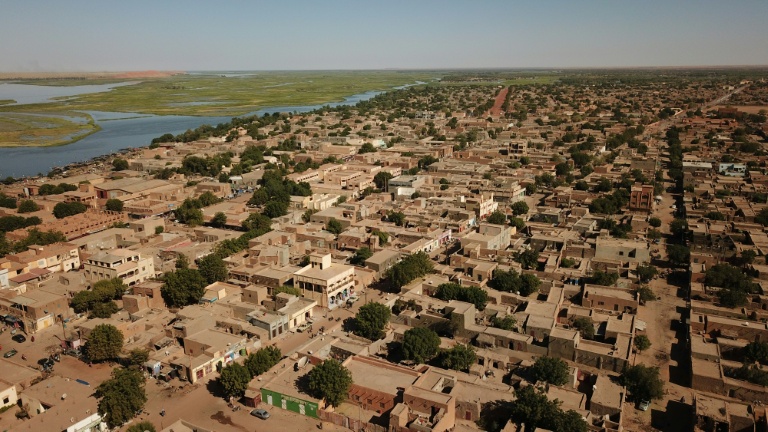
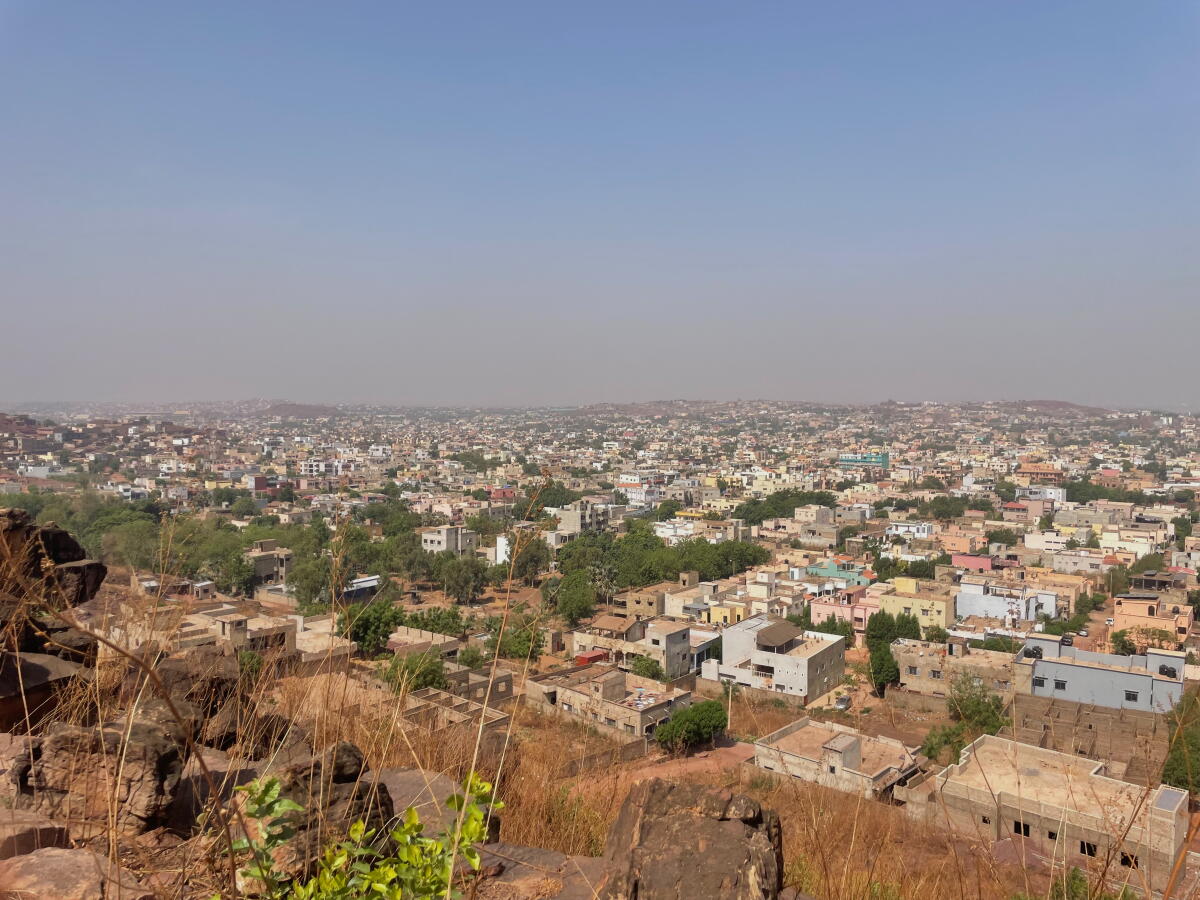
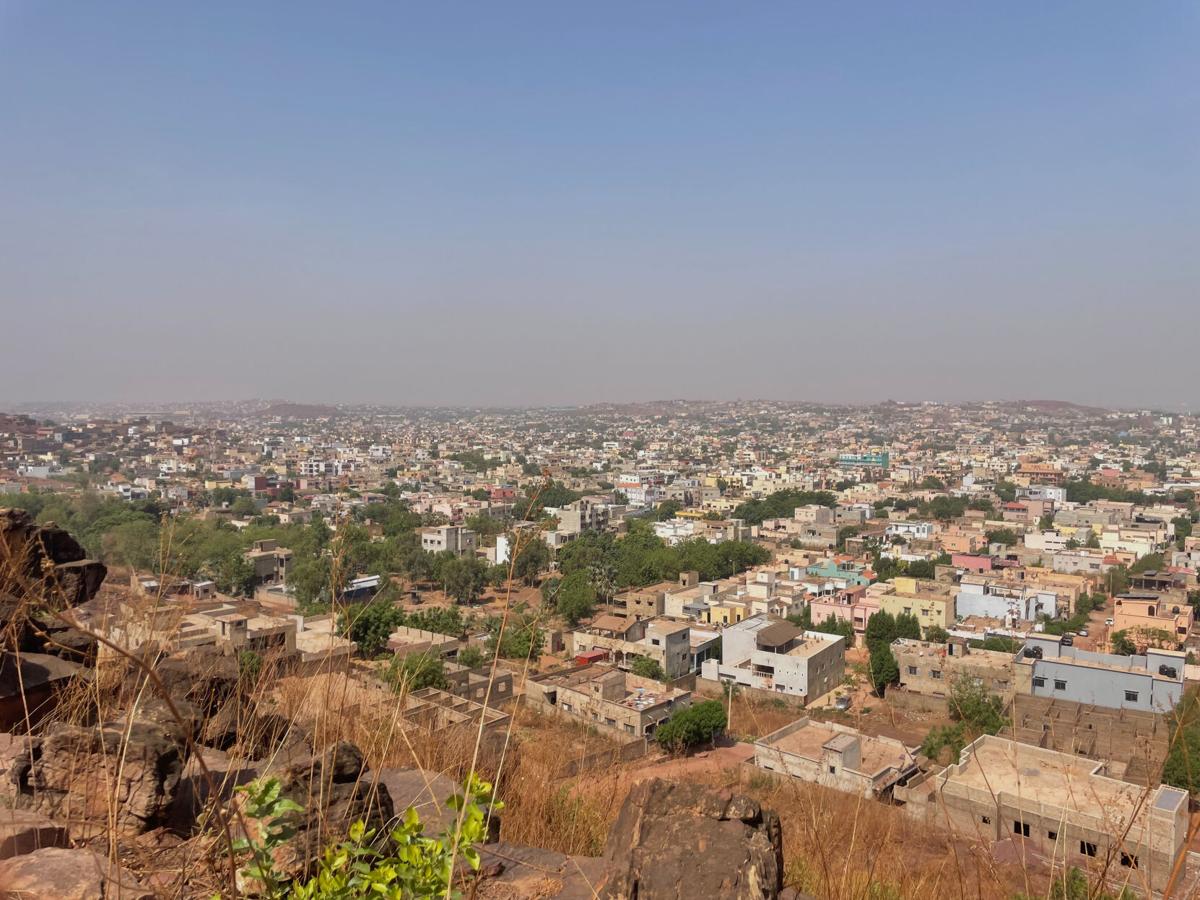
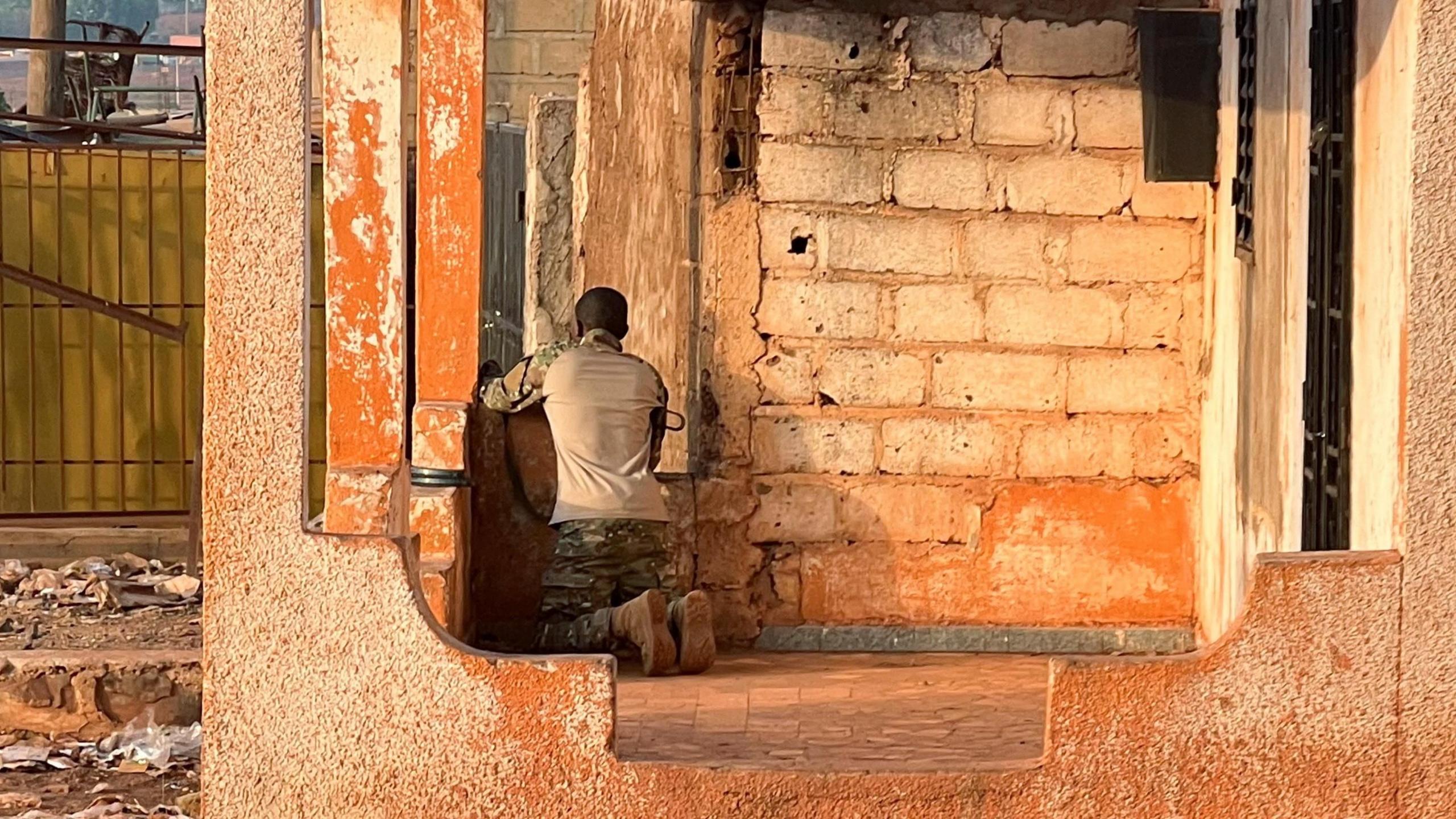
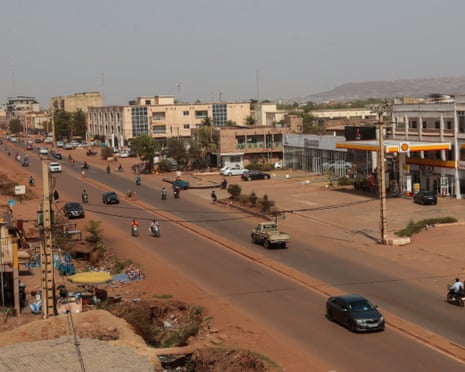
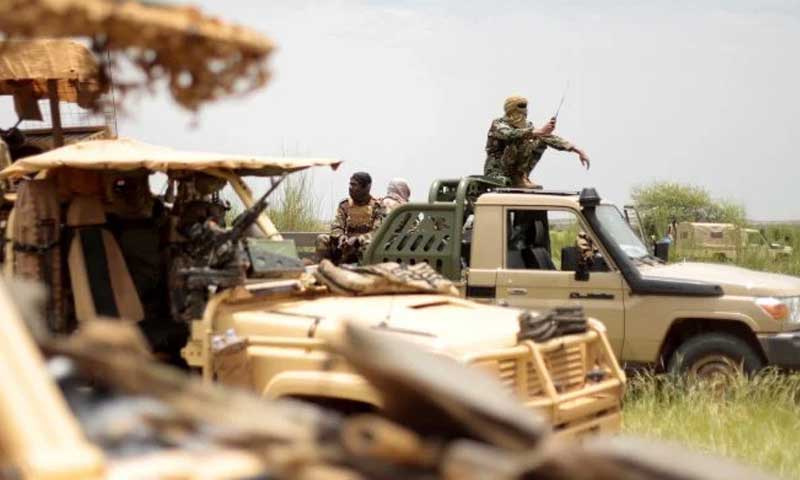
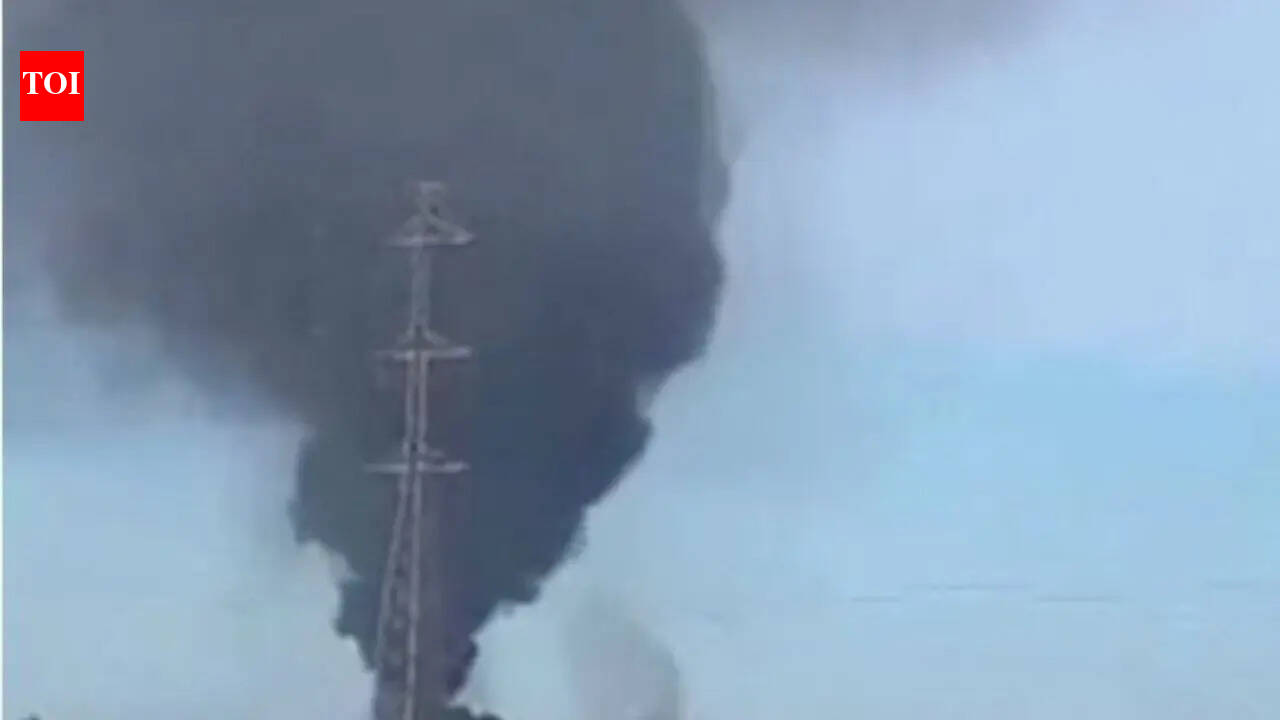
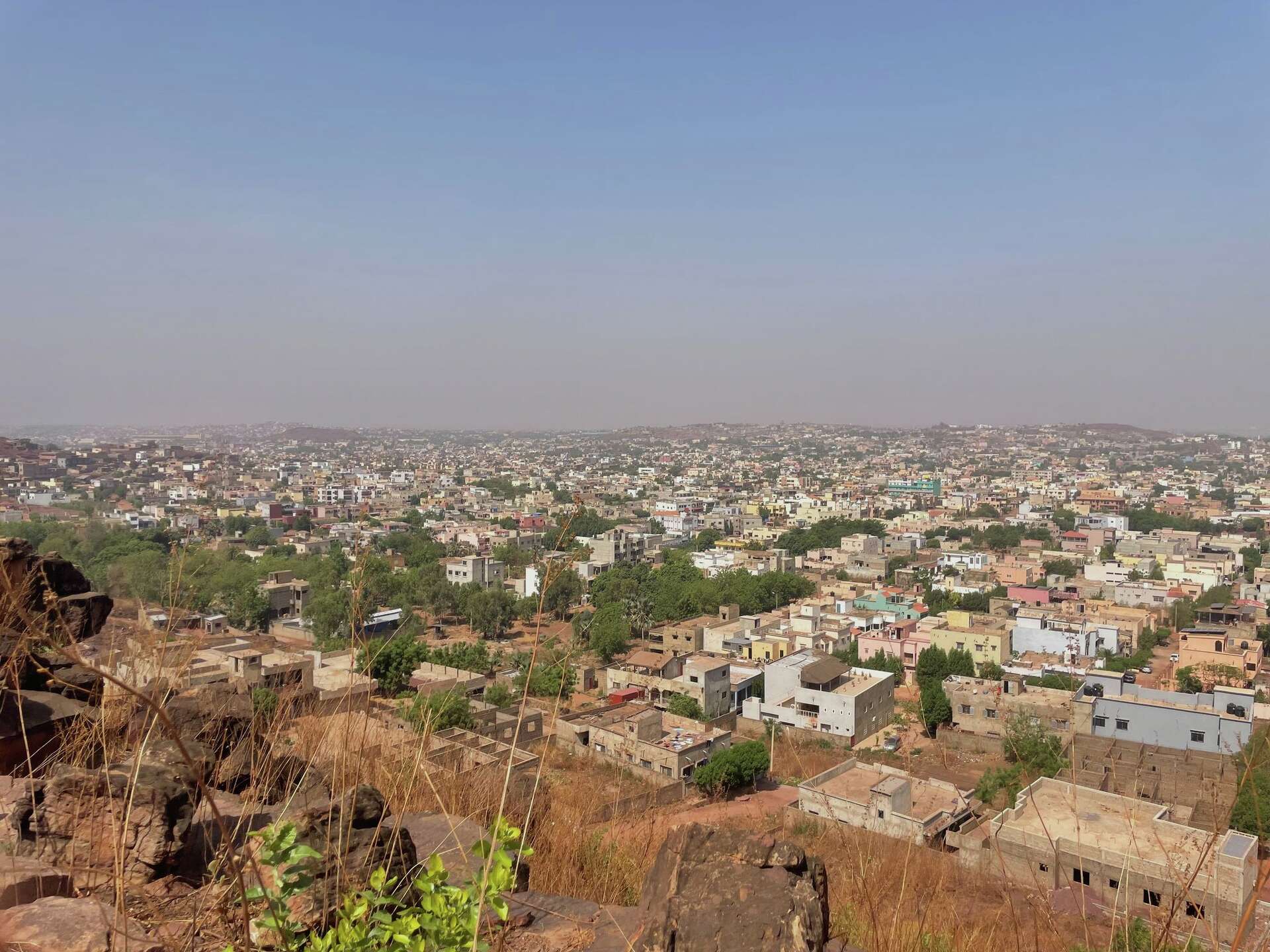
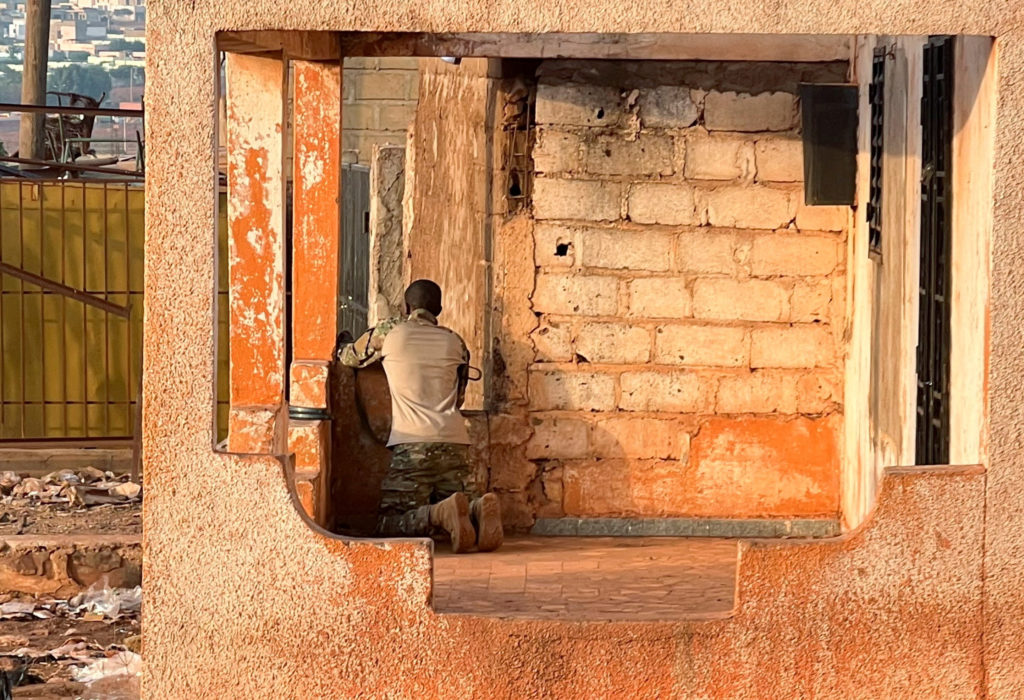
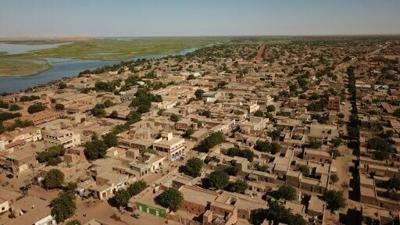
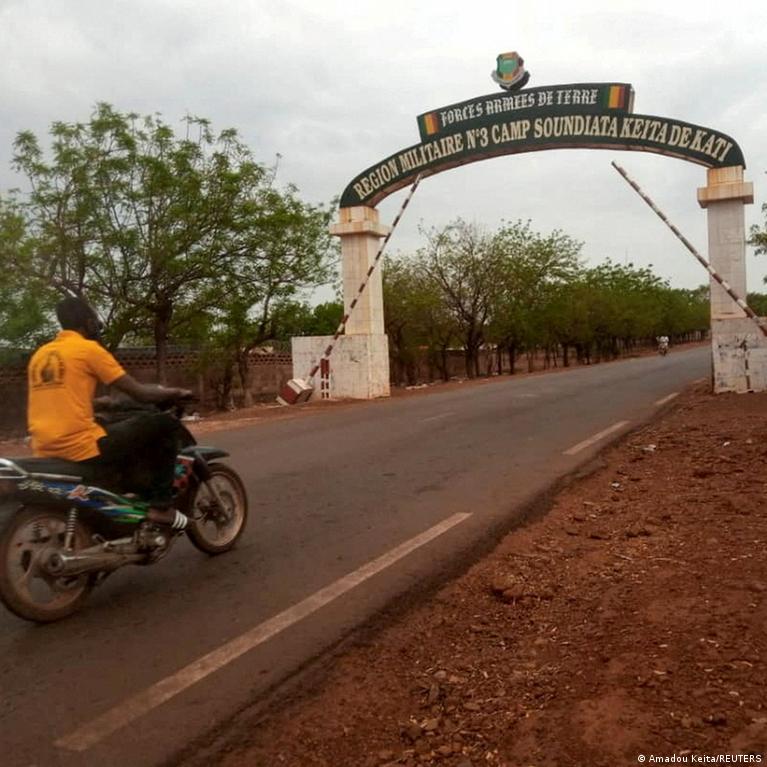
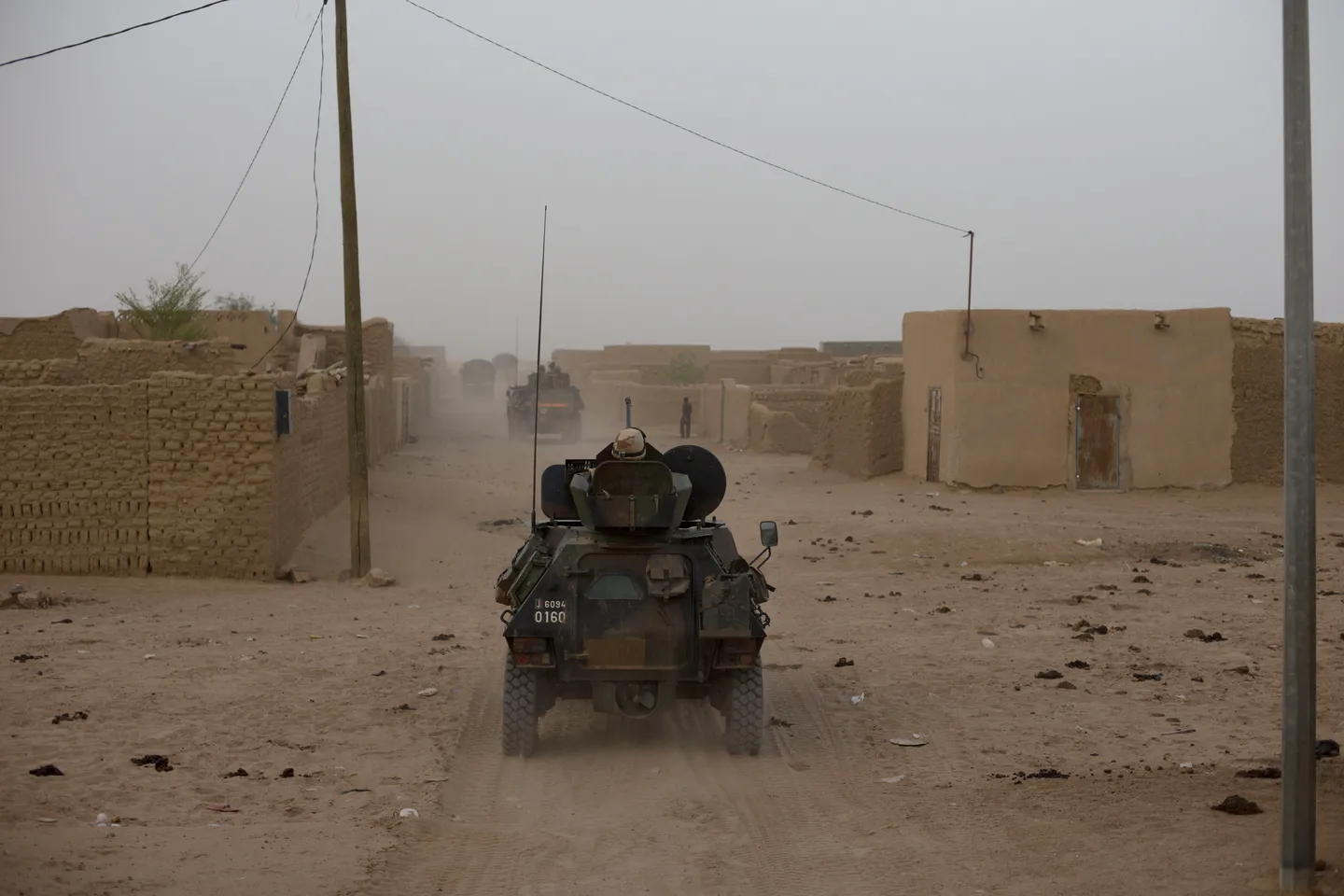
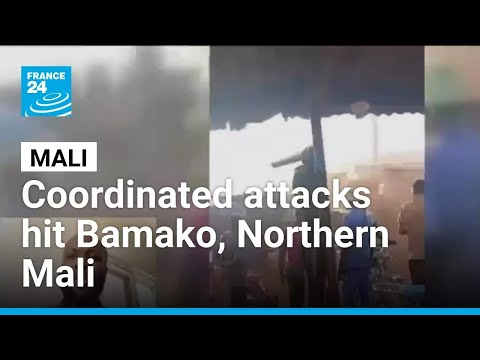
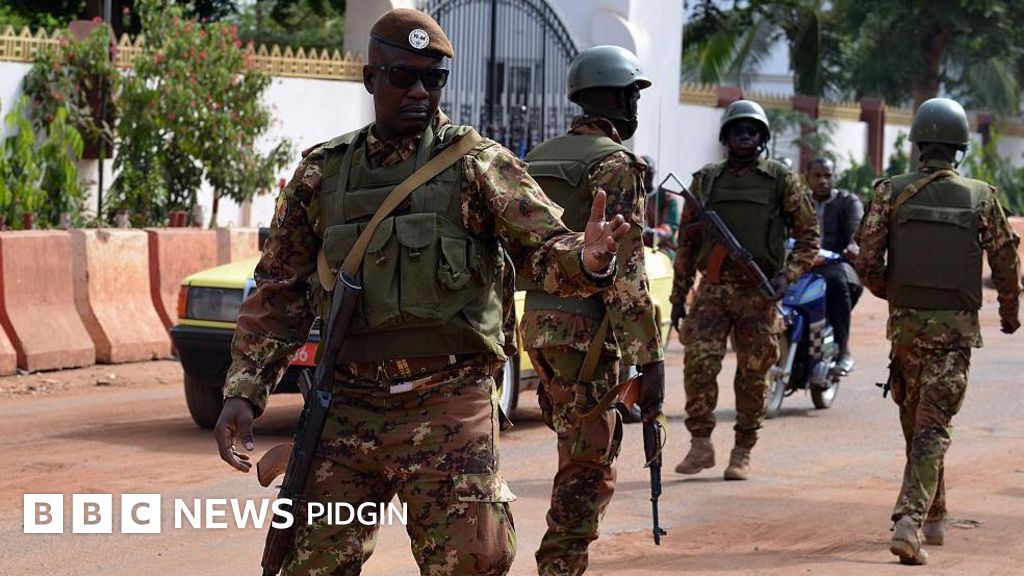
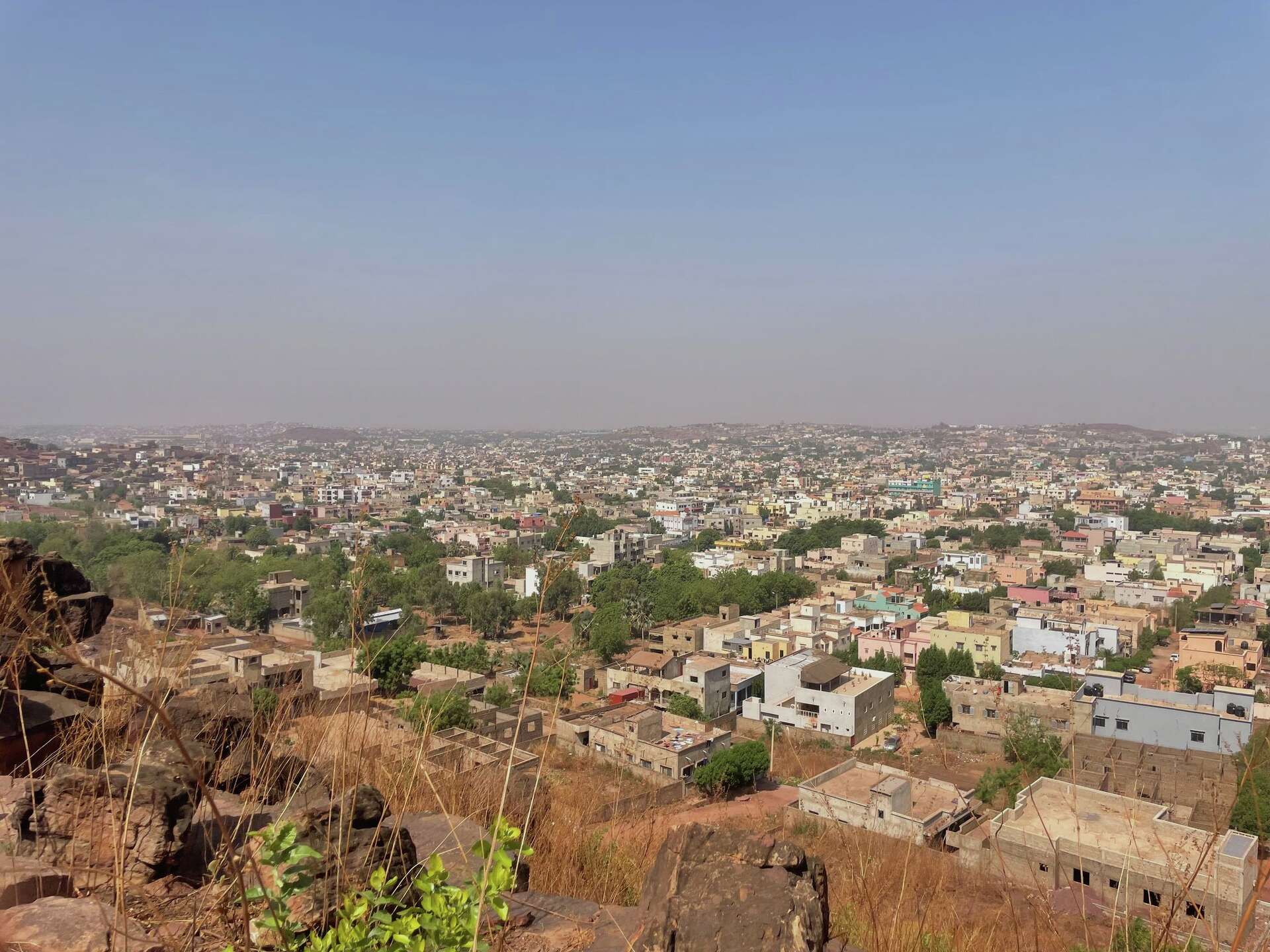
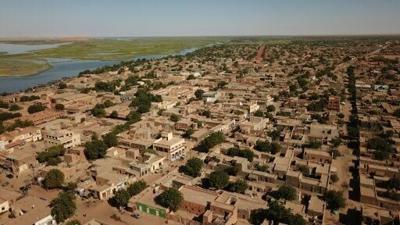
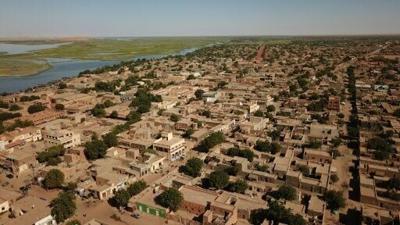
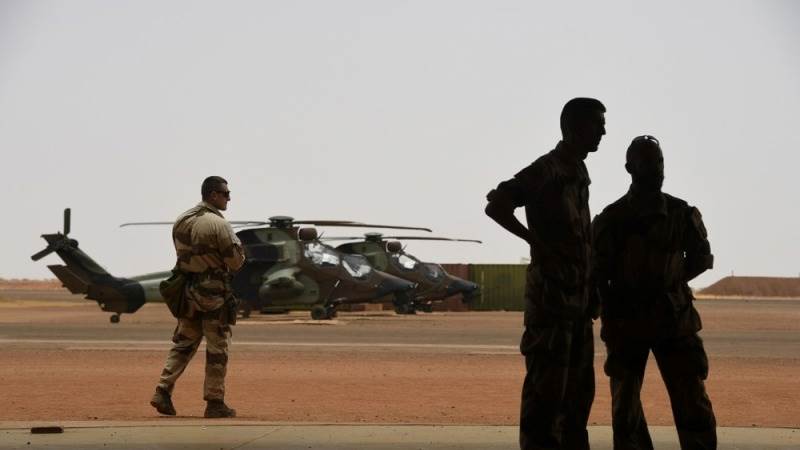
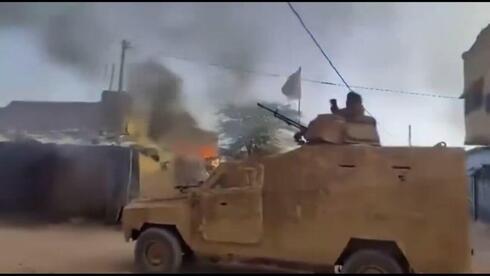
On April 25, 2026, Mali experienced the largest coordinated jihadist attack in years, with al-Qaeda-linked JNIM and Tuareg separatist forces (FLA) launching simultaneous assaults on military installations across Bamako, Kati, Gao, Kidal, Sevare, and Mopti. The attacks targeted Modibo Keita International Airport and military headquarters, forcing flight cancellations and prompting US Embassy shelter-in-place advisories. This represents an unprecedented security escalation under General Assimi Goïta's military junta, which seized power in 2020 and withdrew Mali from ECOWAS in 2025 to form the Alliance of Sahel States with Burkina Faso and Niger.
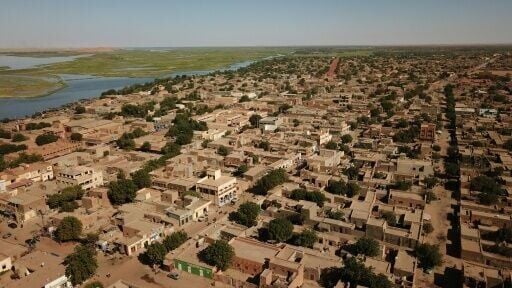
For cross-border e-commerce sellers, this crisis creates immediate operational risks across three critical dimensions. First, logistics corridor disruption: Mali's deteriorating security directly impacts West African trade infrastructure. JNIM has historically imposed fuel blockades affecting Bamako, and the current military chaos threatens transportation routes connecting Senegal, Côte d'Ivoire, and Ghana to northern markets. Sellers shipping through Bamako airport face indefinite flight cancellations and customs delays of 15-30 days. Second, payment processing vulnerabilities: Regional instability compromises banking infrastructure and payment gateway reliability in Mali and neighboring countries. Third, supply chain sourcing risks: Sellers sourcing textiles, agricultural products, or minerals from Mali's northern regions (Gao, Kidal, Timbuktu) face supply interruptions as large portions remain outside government control.
The geopolitical context amplifies these risks. Russian mercenaries (formerly Wagner Group, now Africa Corps) provide security support to Mali's junta but face withdrawal pressure from the Russia-Ukraine conflict. This security vacuum, combined with the junta's failure to maintain stability despite military governance, creates unpredictable operating conditions. The coordination between previously rival armed groups signals a fundamental shift from rural insurgency to conventional military operations targeting state infrastructure. For sellers with 3PL operations, distribution centers, or fulfillment networks in West Africa, this represents a critical monitoring point. Regional instability can cascade: disruptions in Mali affect customs clearance in Senegal, shipping costs to Burkina Faso, and payment processing across the Alliance of Sahel States. Sellers should immediately audit supply chains, identify alternative routing through coastal ports (Dakar, Abidjan, Accra), and establish contingency logistics partnerships outside conflict zones.
Questions 8
How should sellers adjust pricing and inventory strategies during this crisis?
Implement dynamic pricing reflecting supply chain costs: increase prices 8-15% for products with Mali sourcing to offset logistics premiums and extended lead times. Adjust inventory strategy: reduce Mali-dependent SKUs by 30-40%, increase safety stock for critical items (60-90 day buffer), and accelerate inventory turnover for slow-moving products. Monitor competitor pricing—expect 10-20% increases across affected categories. Communicate transparently with customers about delivery delays (add 2-3 weeks to estimated delivery times). Consider offering expedited shipping options at premium prices to capture customers willing to pay for faster delivery.
What product categories are most vulnerable to Mali supply chain disruptions?
**High-risk categories**: Textiles and apparel (Mali is a significant cotton producer), agricultural products (grains, nuts, shea butter), and minerals (gold, salt). These categories typically source 15-40% from Mali and Sahel region. **Medium-risk**: Electronics and machinery with components sourced through Bamako distribution hubs. **Lower-risk**: Consumer goods with alternative sourcing. Sellers in high-risk categories should immediately audit supplier locations, identify non-Mali alternatives, and negotiate price adjustments for emergency sourcing. Expect 20-35% cost increases for affected categories over the next 6-12 months.