
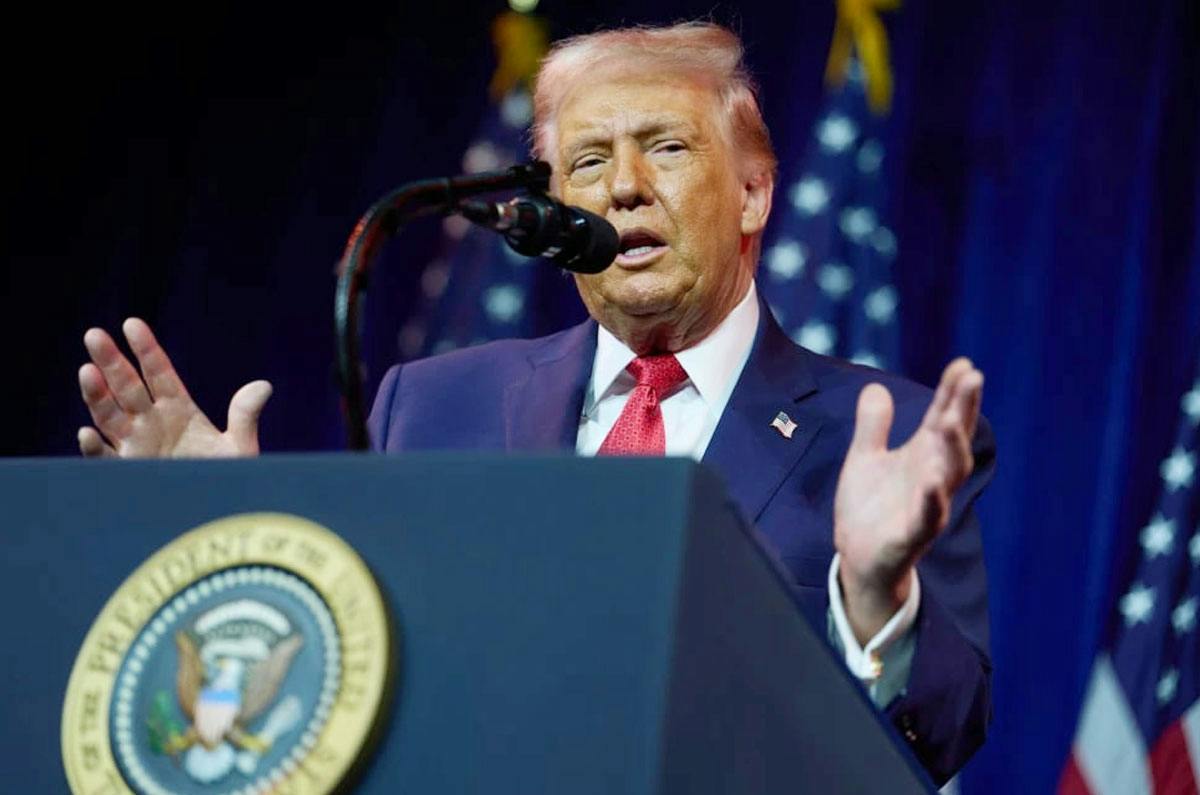
Global Power Dynamics Reshape International Trade Landscape
- Emerging Geopolitical Tensions Create Unprecedented Challenges for Cross-Border Sellers
Overview
Geopolitical instability is fundamentally transforming the international business environment, with profound implications for cross-border e-commerce strategies. The hypothetical U.S. intervention in Venezuela in 2026 reveals a critical shift towards a "might is right" approach to global interactions that could dramatically reshape international trade dynamics.
Cross-border e-commerce sellers face unprecedented operational risks emerging from this new geopolitical landscape. The article highlights how national interests are increasingly superseding established diplomatic norms, creating an environment of extreme unpredictability. The swift three-hour military operation involving 150 aircraft demonstrates the potential for rapid, disruptive geopolitical actions that can instantly transform international business conditions.
Strategic adaptability becomes the key survival mechanism for international sellers. The geopolitical motivations underlying such interventions - including control of critical resources like Venezuelan oil reserves and preventing regional expansions - signal a more volatile global order. E-commerce businesses must now develop hyper-flexible international strategies that can quickly respond to sudden geopolitical shifts. This means diversifying supply chains, maintaining agile market entry approaches, and developing robust risk mitigation frameworks.
The broader implications suggest that cross-border sellers can no longer rely on traditional international trade assumptions. Geopolitical instability now represents a core operational risk, requiring sellers to continuously monitor global tensions, reassess market entry strategies, and build resilient business models that can withstand sudden geopolitical disruptions. The emerging global landscape demands a new approach to international e-commerce - one that prioritizes adaptability, risk management, and strategic flexibility.
Questions 5
How do geopolitical tensions impact cross-border e-commerce operations?
Geopolitical tensions create significant operational risks for cross-border sellers, including potential trade disruptions, sudden market access changes, and the need for more adaptive international business strategies. The 2026 Venezuela scenario demonstrates how rapid geopolitical shifts can instantly transform international business conditions.
Why are traditional international trade assumptions becoming obsolete?
The emerging global landscape shows national interests increasingly superseding diplomatic norms, creating an unpredictable environment where military power and strategic objectives can rapidly change international trade conditions. Sellers must now prioritize adaptability over traditional long-term planning.