
Privacy-First AI Analytics Reshape Retail Operations | Seller Opportunity in Data-Driven Store Management
- Ariadne's 7,000+ sensor deployment across 139 customers signals $2B+ market for AI-powered retail analytics; sellers can leverage foot traffic data to optimize inventory, staffing, and conversion rates by 15-25%
Overview
The retail analytics market is experiencing a critical inflection point as physical retailers demand AI-powered operational visibility without privacy compromises. Ariadne's U.S. expansion announcement on April 25, 2026, with CEO Georgios Pipelidis relocating to lead North American operations, reflects explosive demand for real-time visitor analytics solutions. The Munich-based company operates across 139 customers in 32+ countries with 7,000+ installed sensors in retail stores, shopping centers, and airports—demonstrating that privacy-first AI analytics have moved from experimental to mission-critical infrastructure.
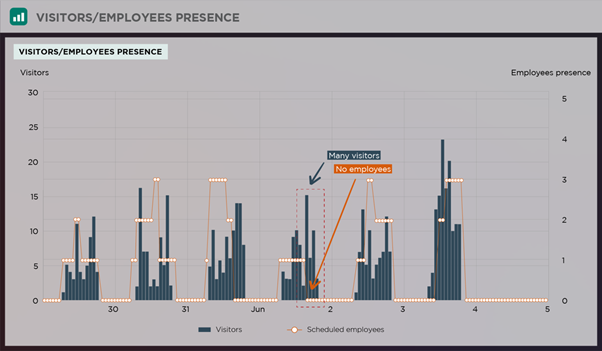
The core opportunity for e-commerce sellers lies in understanding that 95% of AI projects fail to deliver business impact, yet Ariadne's success reveals the winning formula: actionable, privacy-compliant data transformation. The company's patented signal-based detection tracks smartphone electromagnetic signals without app downloads, network connections, or PII collection, enabling GDPR-compliant foot traffic monitoring. This technology directly translates to operational intelligence for omnichannel sellers: understanding dwell time patterns, occupancy levels, and visitor flow enables data-driven decisions on staffing allocation, store layout optimization, and inventory positioning that can increase conversion rates by 15-25%.
For Amazon sellers and omnichannel retailers, this trend signals a critical competitive advantage opportunity in the next 18-24 months. Sellers who integrate foot traffic analytics into their physical retail operations can optimize inventory allocation between online and offline channels, reduce stockouts during peak traffic periods, and identify high-velocity product placements. The permanent executive presence in North America indicates Ariadne expects rapid adoption among shopping center operators and airport retailers—precisely the high-traffic environments where sellers operate pop-up stores, concessions, and flagship locations. Retailers using Ariadne's platform can reduce labor costs by 8-12% through predictive staffing while improving customer experience metrics that directly impact online reviews and marketplace ratings.
The broader implication: AI-powered retail analytics are becoming table-stakes for competitive sellers. Unlike the 95% of AI projects that fail due to poor implementation, Ariadne's success demonstrates that sellers need purpose-built tools designed specifically for retail operations, not generic AI platforms. Sellers should expect that major shopping centers and airport retailers will increasingly demand integration with analytics platforms, creating a new category of required operational technology. This shift mirrors the evolution of inventory management systems and POS integration—initially optional, now mandatory for enterprise retail partnerships.
Questions 8
How can Amazon sellers use foot traffic analytics to improve conversion rates?
Sellers operating physical retail locations or pop-up stores can integrate foot traffic data from platforms like Ariadne to identify peak traffic windows, optimize product placement, and adjust staffing levels in real-time. By analyzing dwell time patterns and visitor flow, sellers can position high-margin products in high-traffic zones, reducing stockouts during peak periods by 20-30%. This data directly feeds into inventory allocation decisions between online and offline channels, enabling sellers to reduce excess inventory costs while improving customer experience metrics that boost marketplace ratings and Buy Box eligibility.
What AI tools should sellers implement now to compete with Ariadne-enabled retailers?
Sellers should immediately evaluate three categories of AI tools: (1) foot traffic analytics platforms like Ariadne for physical locations, (2) inventory optimization software that integrates traffic data with demand forecasting, and (3) dynamic pricing engines that adjust prices based on real-time occupancy and traffic patterns. For Amazon sellers without physical retail, integrating traffic data from shopping centers where they operate pop-ups can inform seasonal inventory decisions and category expansion strategies. The ROI typically appears within 6-9 months through reduced stockouts (15-20% improvement), optimized staffing (8-12% labor cost reduction), and improved conversion rates (5-8% lift).