

)


Hormuz Strait Shipping Crisis & German Aviation Costs | Critical Supply Chain Impact for E-Commerce Sellers
- Multinational naval deployment secures 20% of global oil/LNG transit; German logistics costs 73% higher than EU peers, forcing seller sourcing strategy shifts
















Overview
The convergence of two critical geopolitical developments creates immediate supply chain disruptions and cost pressures for cross-border e-commerce sellers: Italy's deployment of naval vessels to the Strait of Hormuz as part of a multinational coalition, and Germany's structural logistics cost disadvantage that has triggered Ryanair's withdrawal from Berlin Airport.
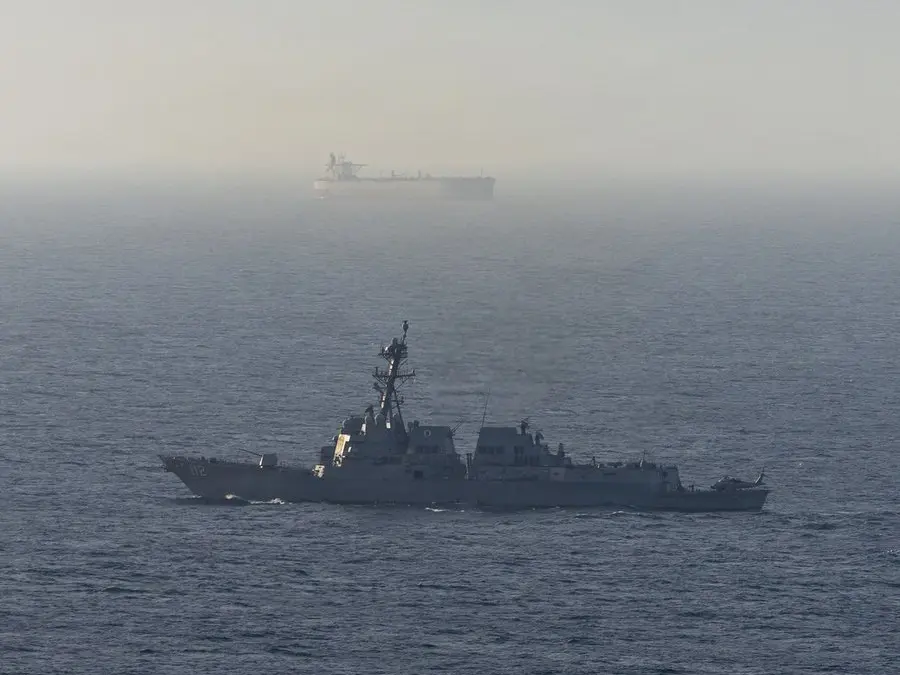
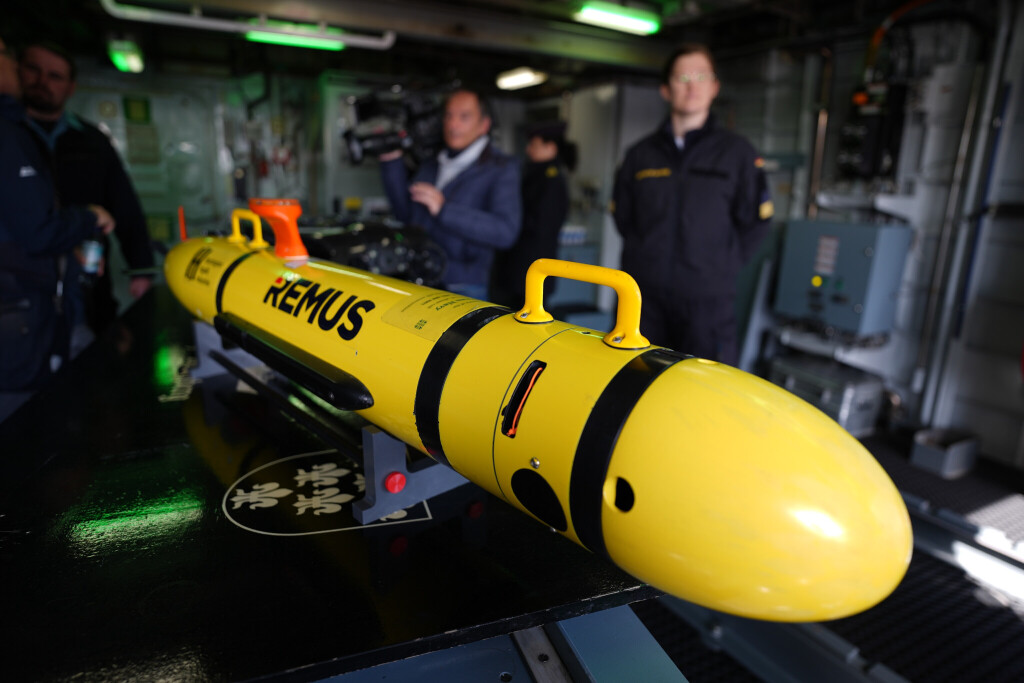
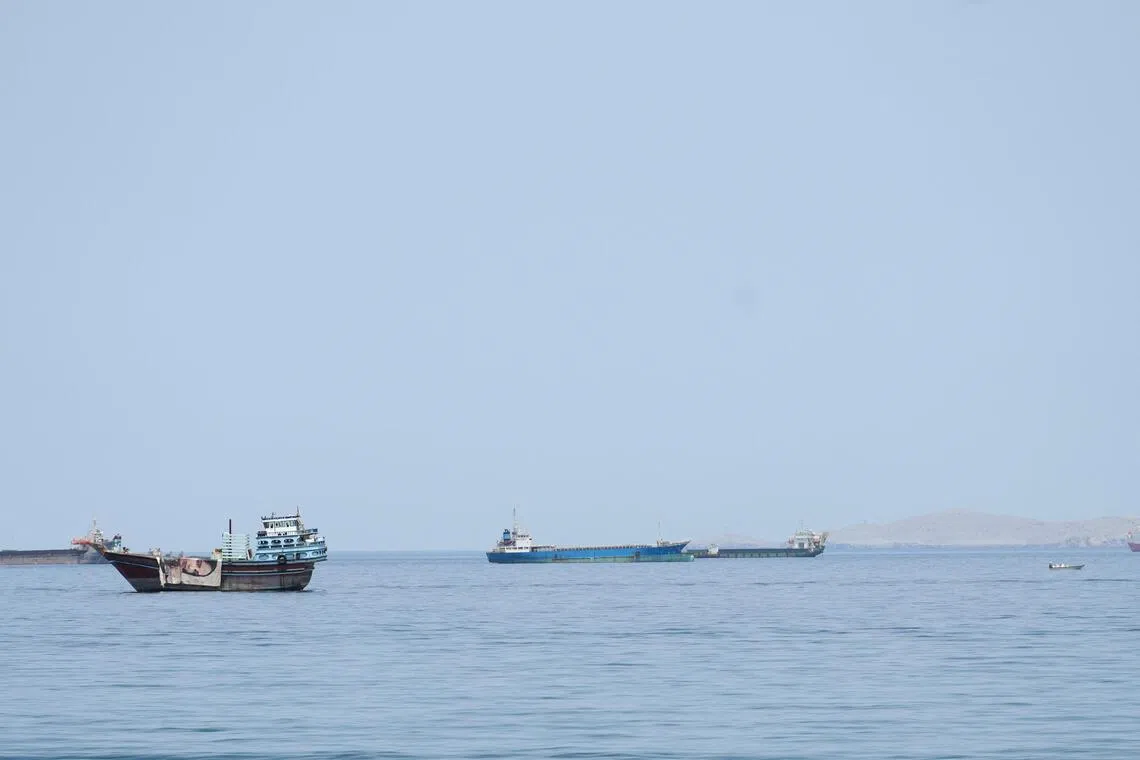
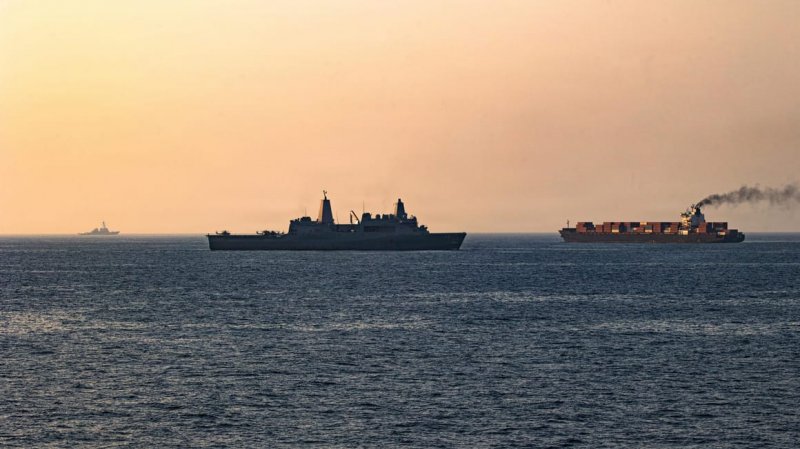
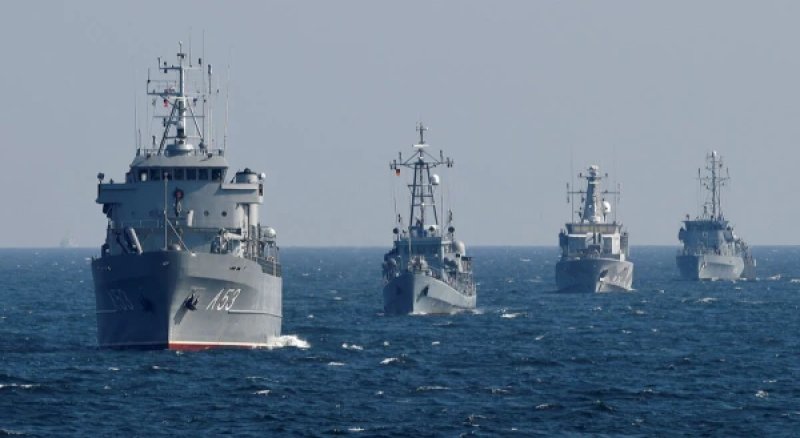
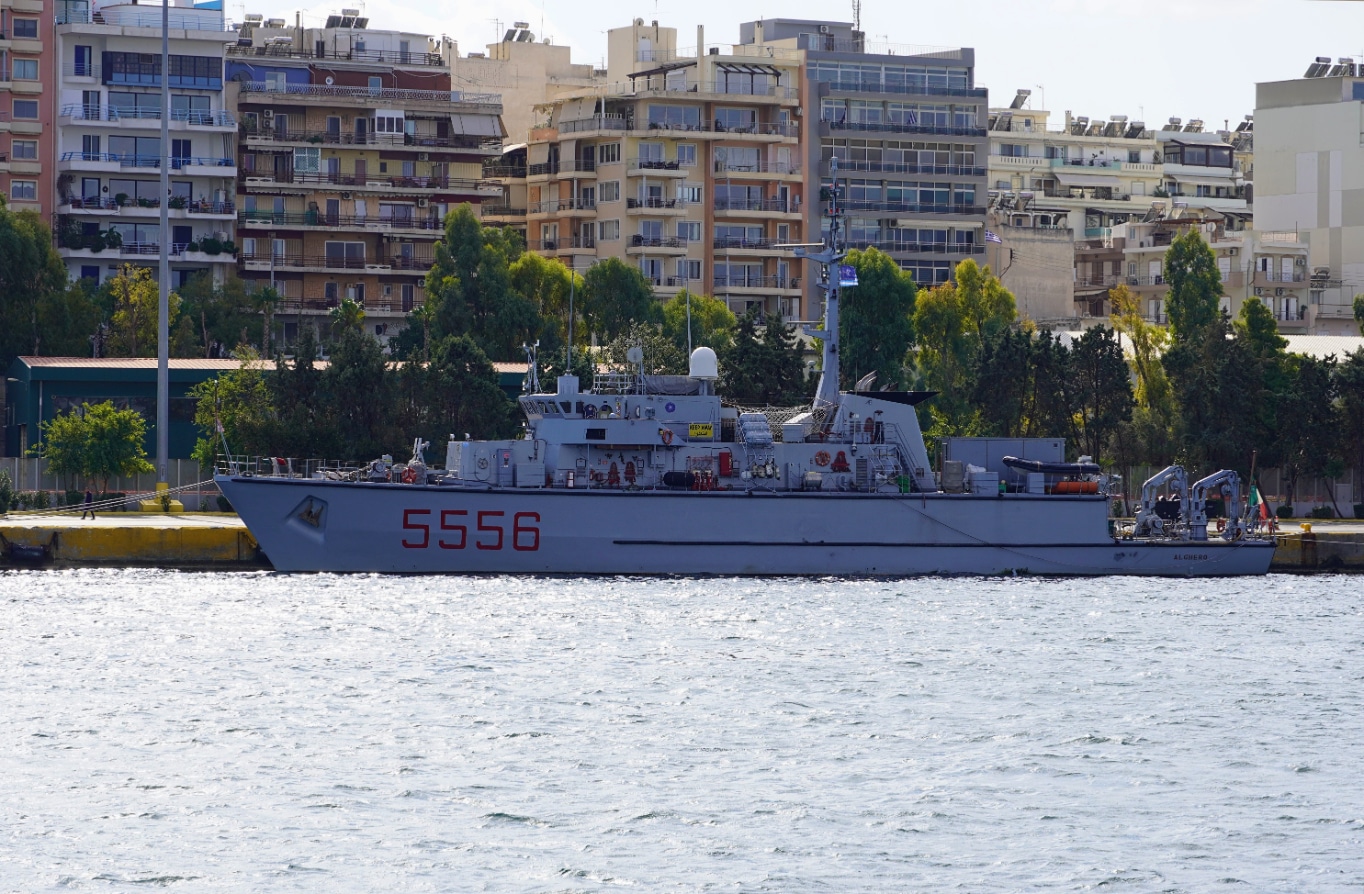
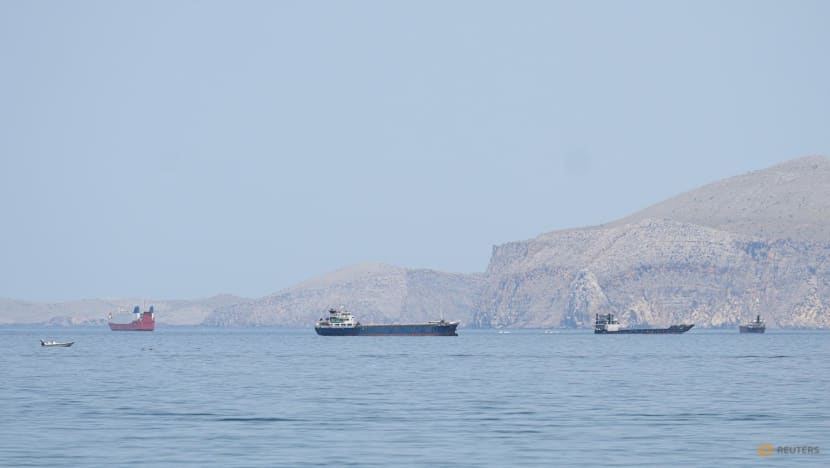
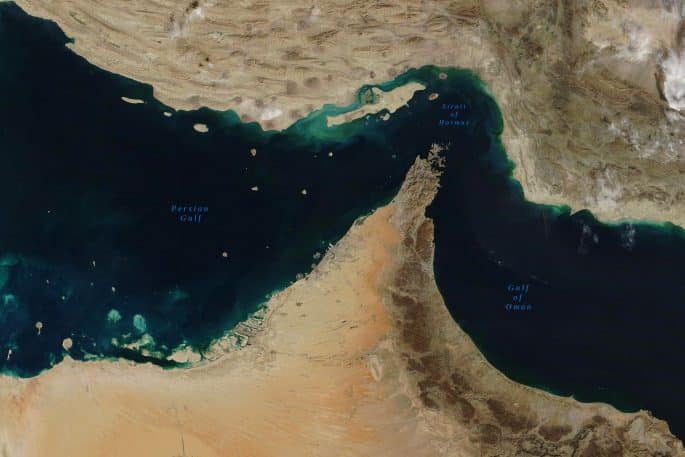
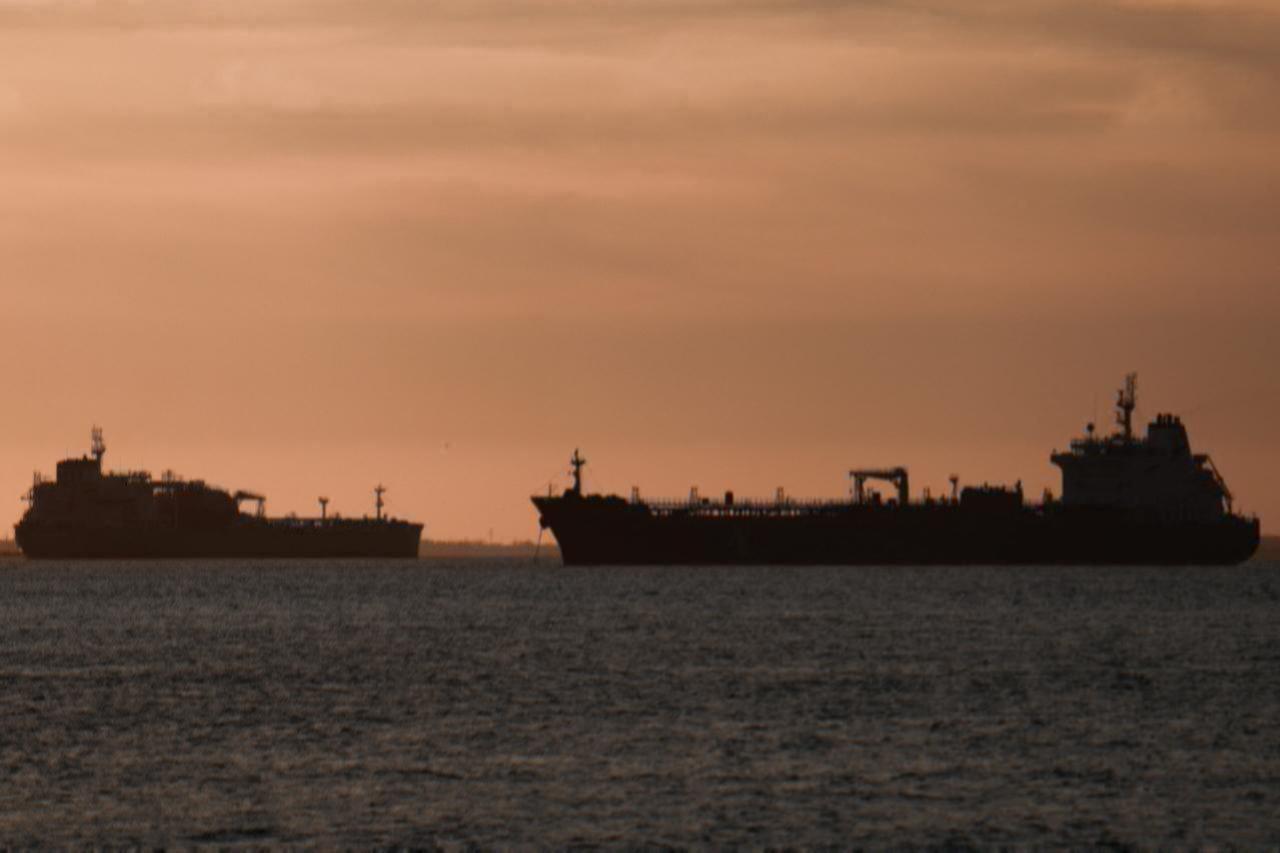
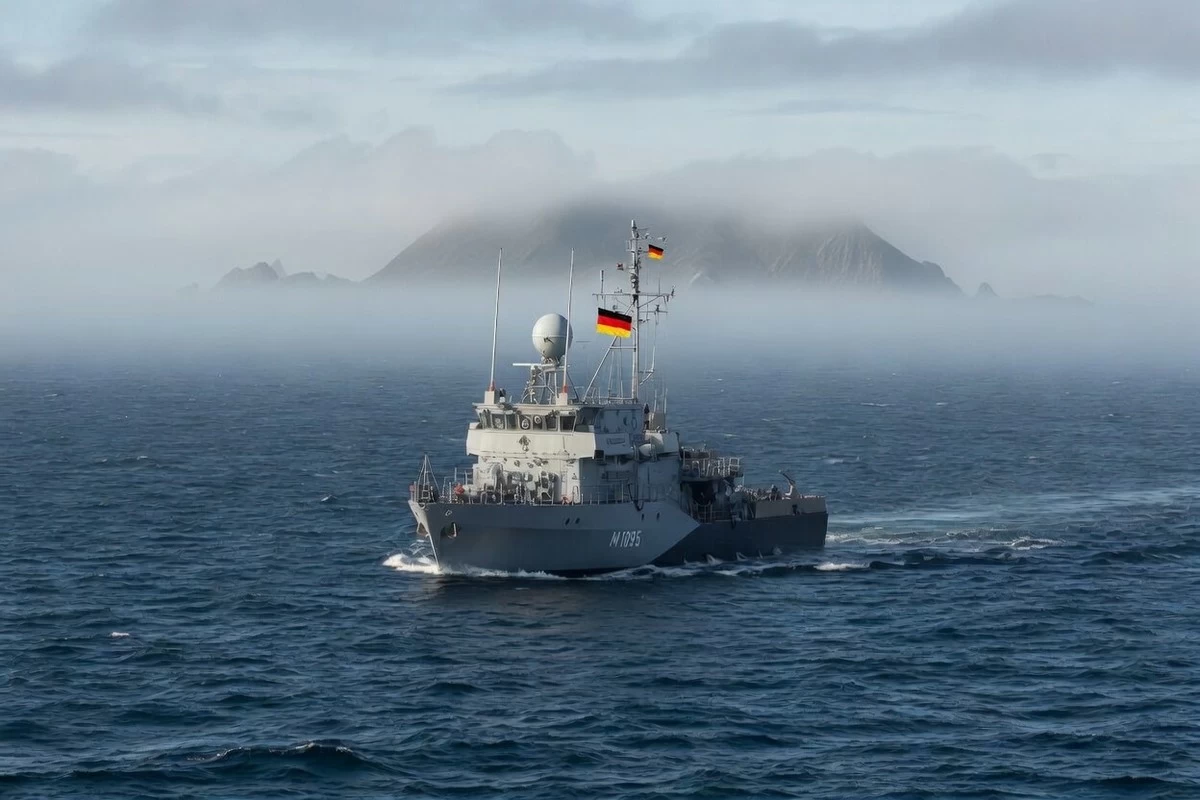
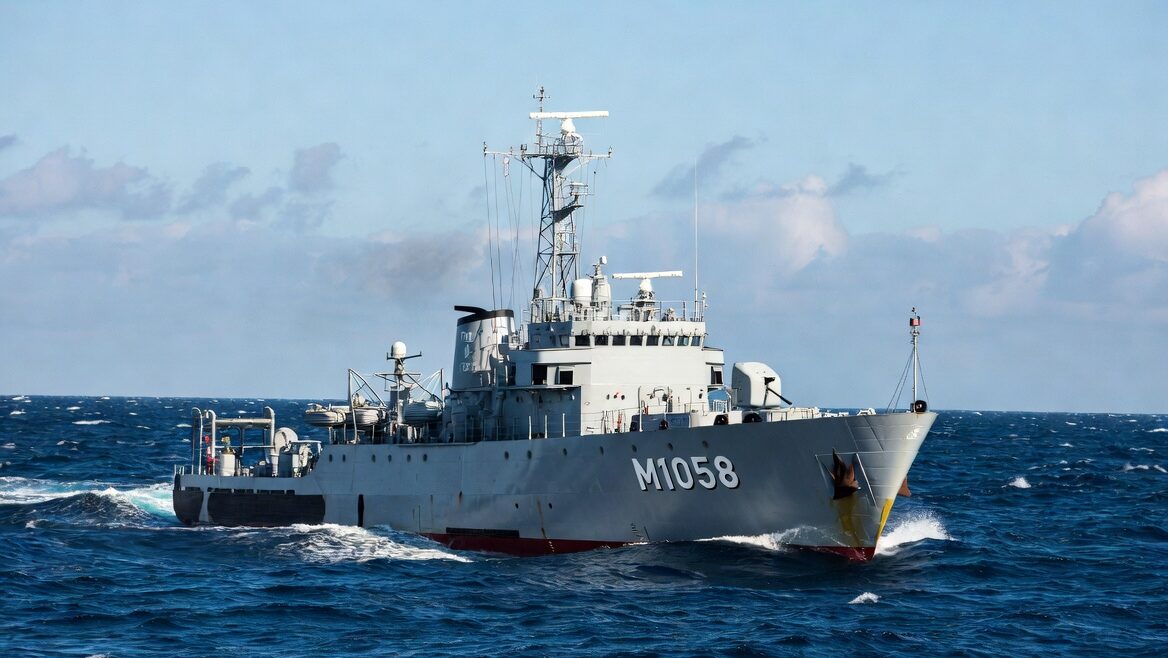
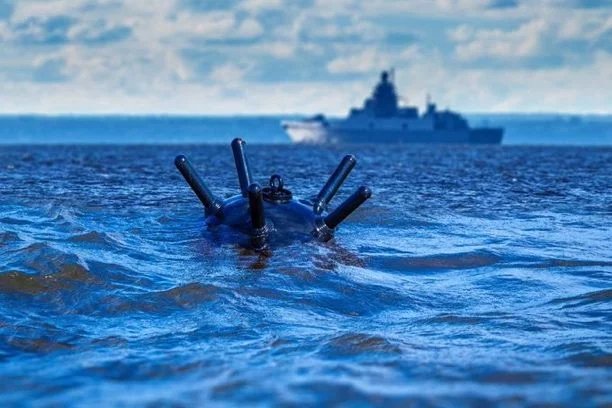
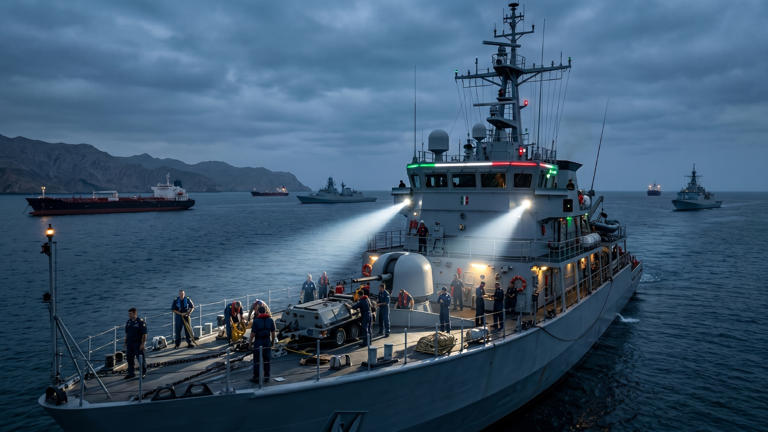
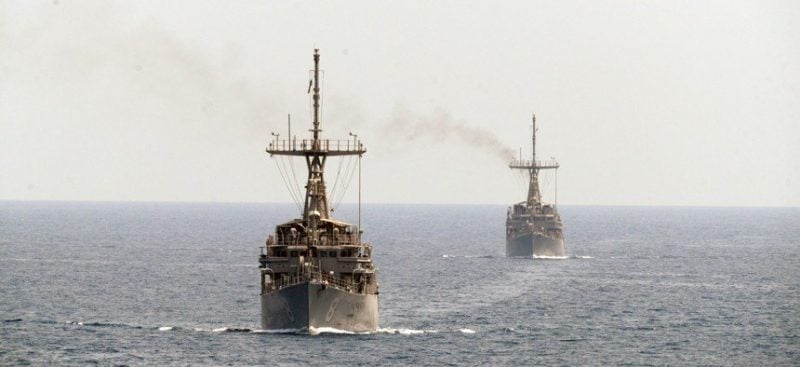
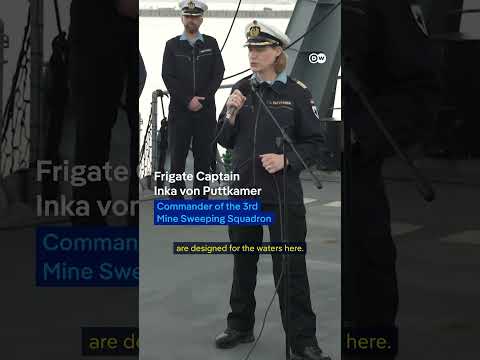
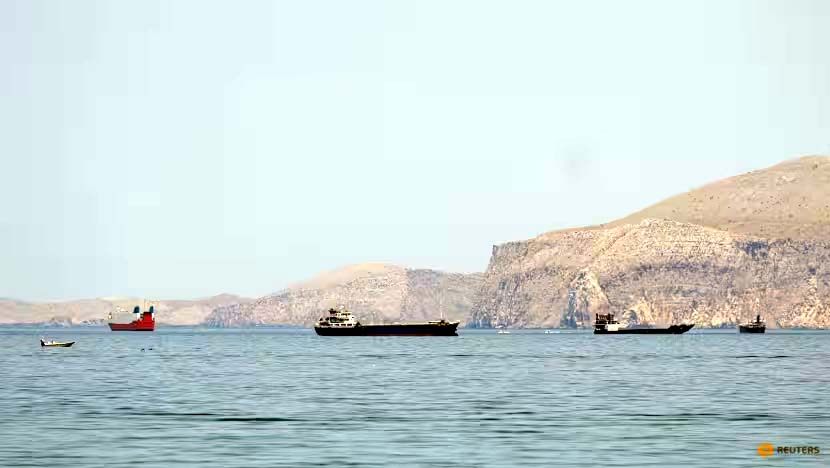
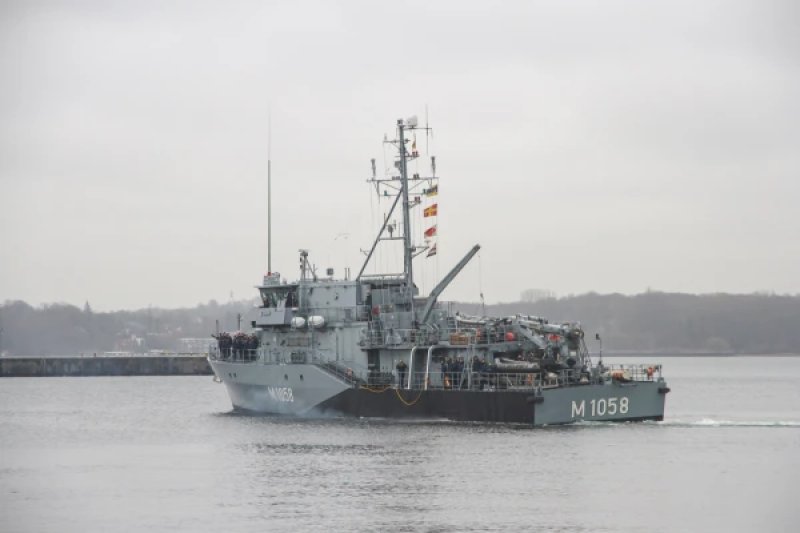
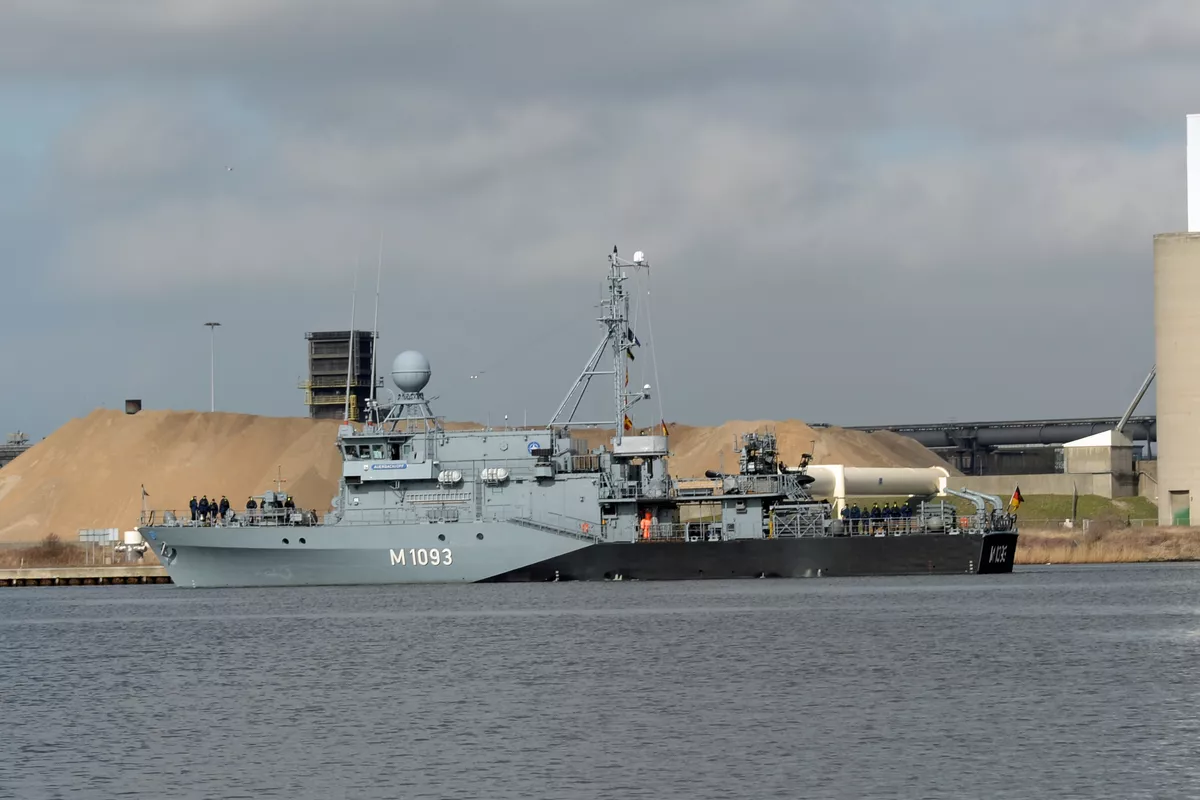
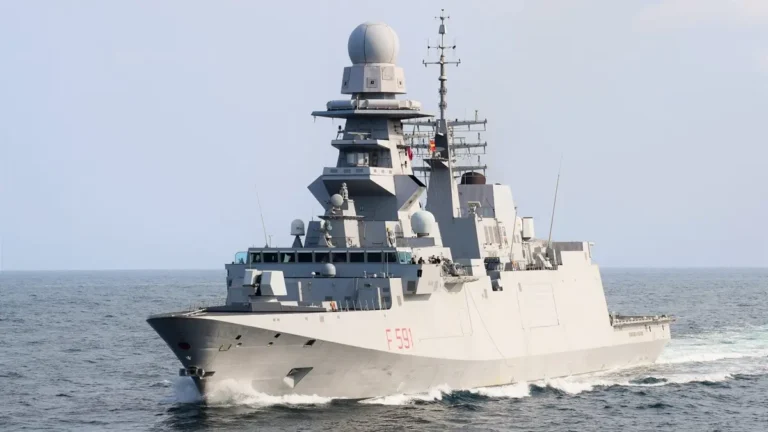
Maritime Security Impact on Shipping Costs: The Strait of Hormuz handles approximately one-fifth of the world's oil and liquefied natural gas supply. Italy's commitment to deploy two minesweepers, one escort vessel, and one logistics ship—requiring approximately four weeks transit from La Spezia—signals ongoing maritime instability in this critical chokepoint. This deployment follows recent U.S.-Israel military operations that disrupted shipping lanes. For e-commerce sellers, this translates directly to elevated ocean freight costs: sellers shipping electronics, machinery, and energy-intensive products from Asia to Europe face 8-15% premium freight rates due to Suez Canal rerouting and Hormuz transit insurance costs. The multinational coordination (Britain, France, Belgium, Netherlands, and Italy) suggests the mission will be sustained, meaning sellers should budget for persistent elevated shipping costs through Q2 2025.
German Logistics Cost Arbitrage Opportunity: The news reveals a critical cost differential: Berlin-to-Palma flights cost €7,600 versus €4,400 from Warsaw (73% premium), and transatlantic flights from Germany average €23,500 versus €13,900 from other European hubs (69% premium). Ryanair's 10% fee increase and withdrawal from Berlin reflects Germany's aviation taxes and charges exceeding European averages. This creates a strategic sourcing opportunity: sellers currently using German fulfillment centers or air freight from Germany should immediately evaluate relocation to Poland, Czech Republic, or Netherlands-based 3PL providers. The cost differential alone justifies shifting 20-30% of inventory to lower-cost EU logistics hubs.
Pharmaceutical Import Enforcement Signal: The German customs seizure of sildenafil-laced chocolate products from Turkish supplier Evelle Hilti demonstrates heightened enforcement of product safety and ingredient disclosure requirements. German authorities seized honey and ginseng teas containing undeclared sildenafil, warning of serious health risks. For sellers sourcing food, supplements, and wellness products from Turkey or other emerging suppliers, this signals increased customs scrutiny and potential product holds. Sellers must ensure complete ingredient transparency and proper regulatory documentation for any products containing active pharmaceutical ingredients, even in trace amounts.
Strategic Implications for Seller Segments: Small sellers (under 100 units/month) should prioritize shifting air freight operations away from German hubs to save 15-20% on logistics costs. Medium sellers (100-1,000 units/month) should evaluate 3PL consolidation in Poland or Czech Republic, potentially reducing fulfillment costs by €0.50-1.50 per unit. Large sellers (1,000+ units/month) should negotiate long-term contracts with non-German EU fulfillment centers before Q2 2025, locking in rates before further Hormuz-related shipping cost increases propagate through the supply chain.
Questions 7
What is the timeline for shifting my fulfillment operations to lower-cost EU countries?
Immediate action is required. Ryanair's withdrawal from Berlin and the 10% fee increase signal accelerating cost pressures. Sellers should begin evaluating 3PL providers in Poland, Czech Republic, and the Netherlands within the next 30 days. Negotiate contracts for Q2 2025 implementation to lock in rates before further Hormuz-related shipping cost increases propagate through supply chains. Small sellers can implement changes within 60 days; medium sellers (100-1,000 units/month) should target 90-day transition timelines to minimize inventory disruption. Large sellers should begin long-term contract negotiations immediately for Q2 2025 implementation. The cost differential (15-20% savings for small sellers, €0.50-1.50 per unit for medium sellers) justifies the transition effort before rates increase further.
What compliance risks should I monitor for food and supplement imports to Germany?
German customs enforcement has intensified scrutiny of food and supplement products, particularly those from Turkey and emerging suppliers. Recent seizures included chocolate products, honey, and ginseng teas containing undeclared sildenafil (an active pharmaceutical ingredient). Compliance risks include product holds, customs penalties, and potential marketplace suspension if products are flagged. Ensure all ingredients are fully disclosed, properly labeled with dosage information, and comply with EU food safety standards (EFSA). Any products containing pharmaceutical ingredients require appropriate regulatory classification and prescription requirements where applicable. Maintain complete documentation of ingredient sourcing and supplier certifications. Consider third-party testing for any products with herbal or supplement claims to avoid customs seizures.