


Palestinian Elections Signal Market Stabilization | Emerging E-Commerce Opportunities in West Bank & Gaza Recovery
- 1.07M eligible voters participate in first elections since 2-year conflict; political stability improvements unlock logistics corridors and consumer spending recovery in underserved Palestinian markets



























)

















Overview
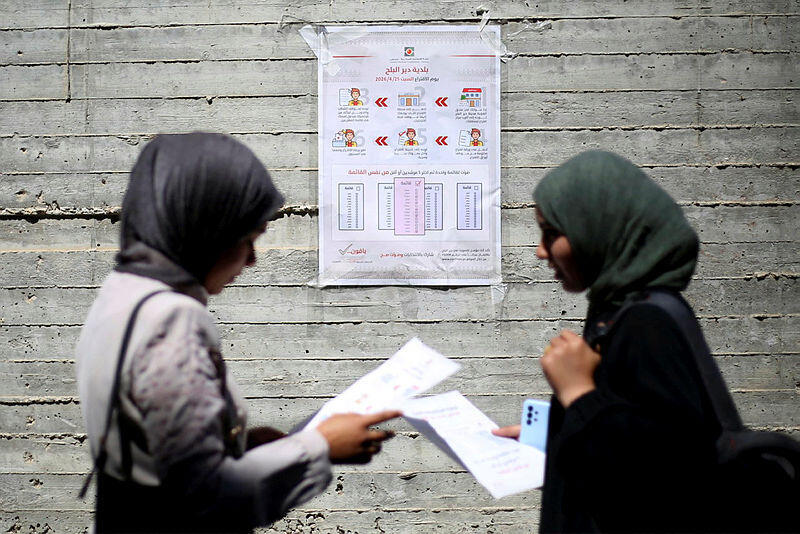
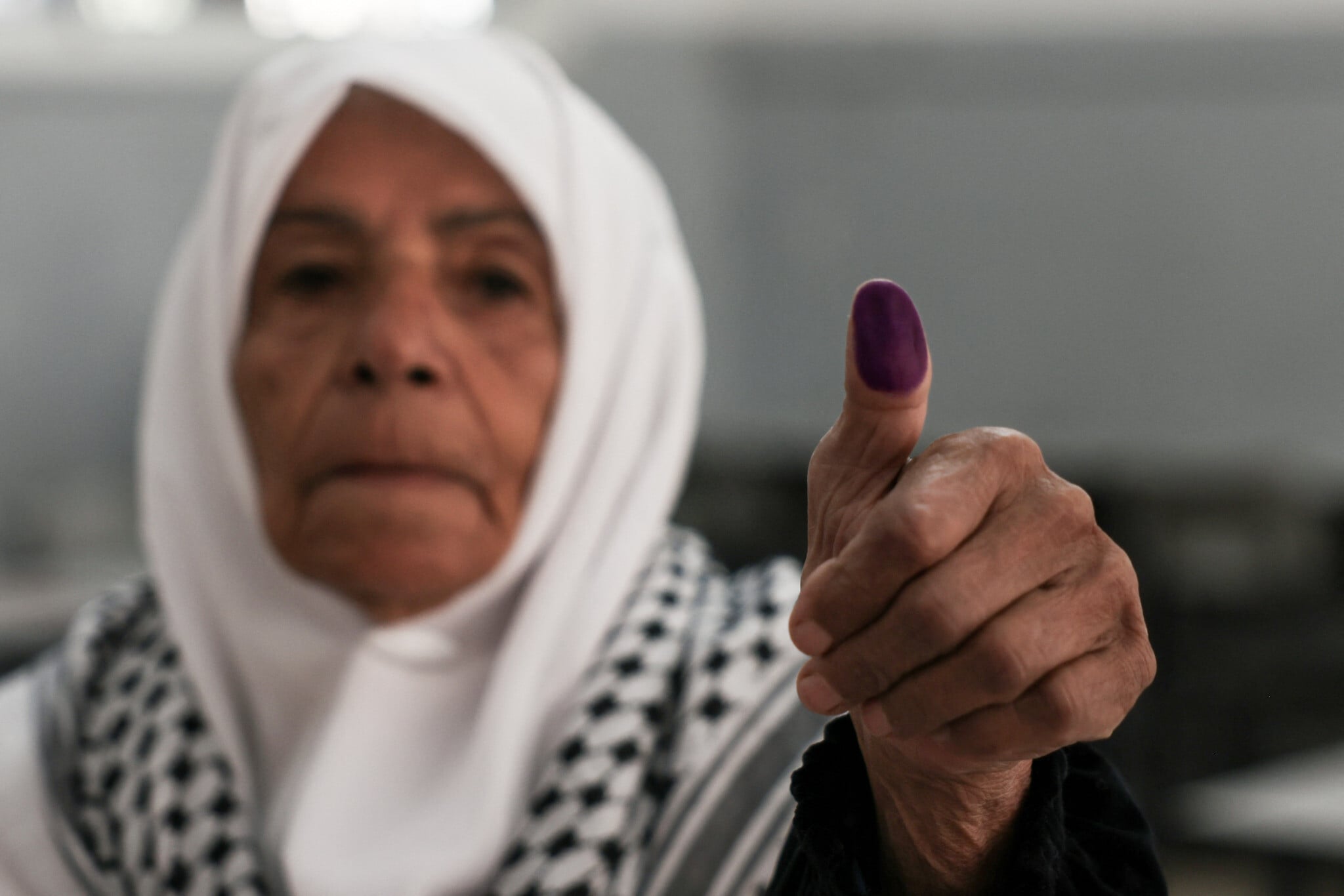
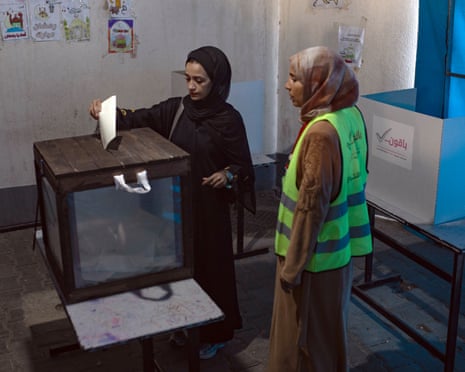
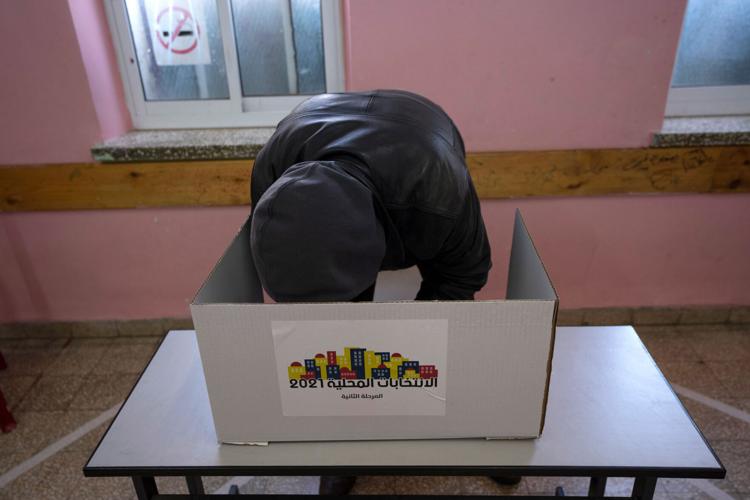
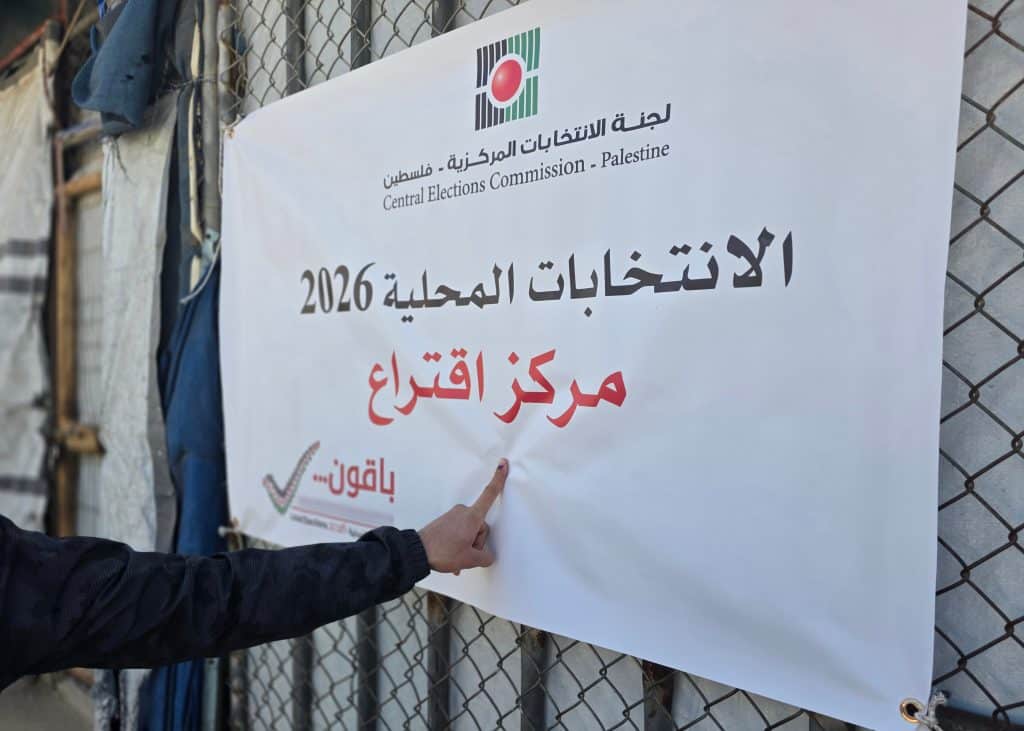
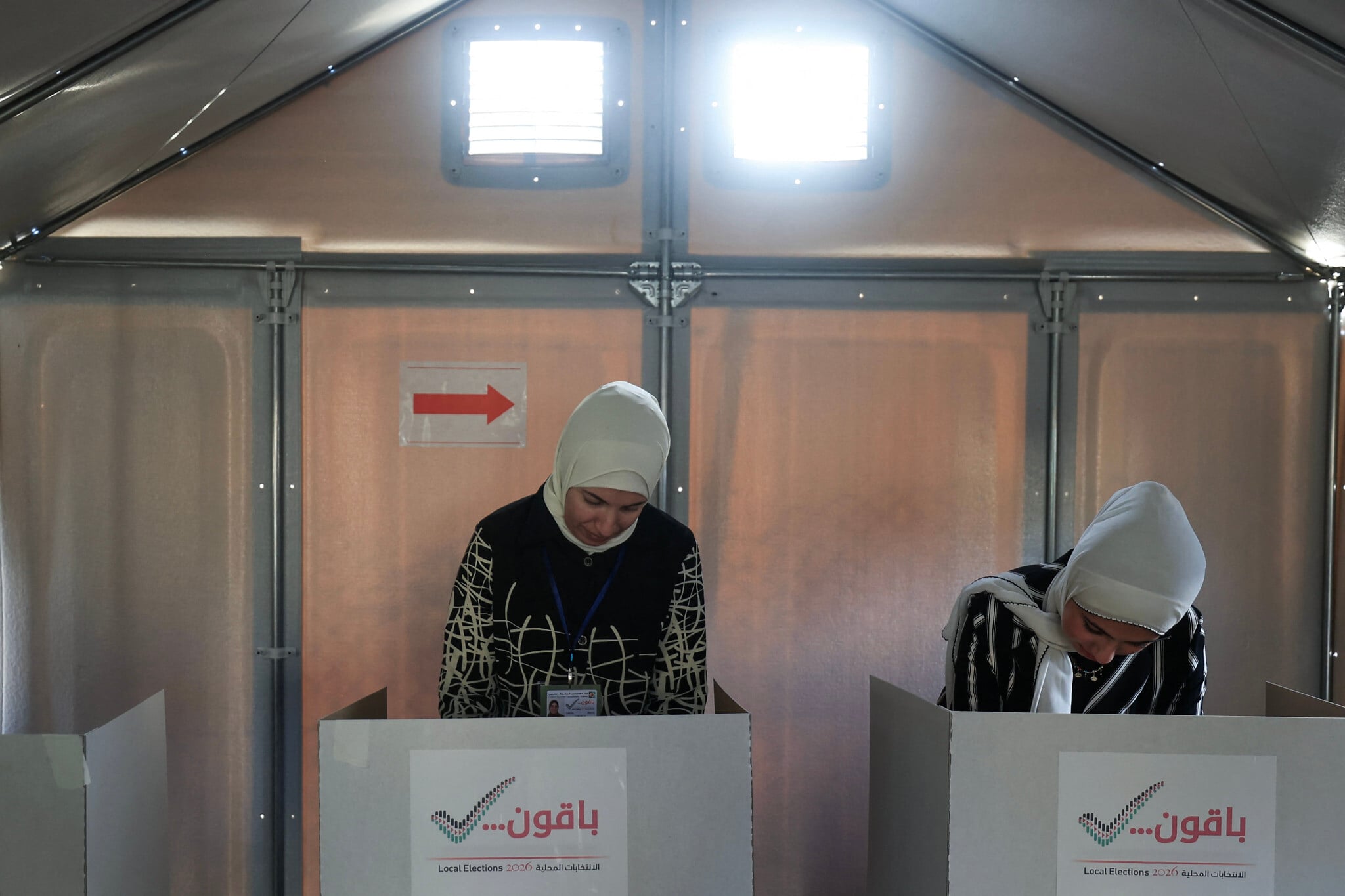
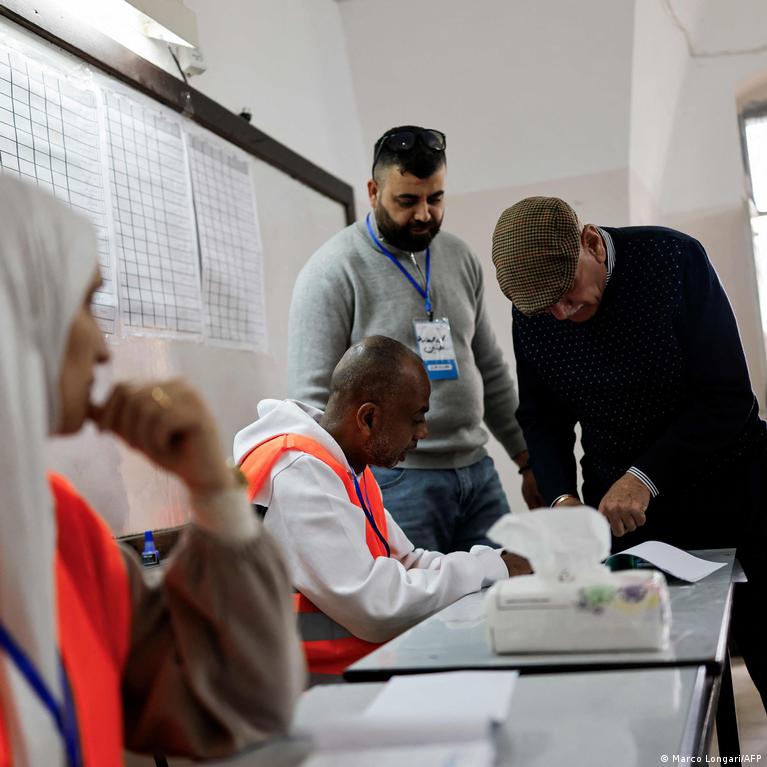
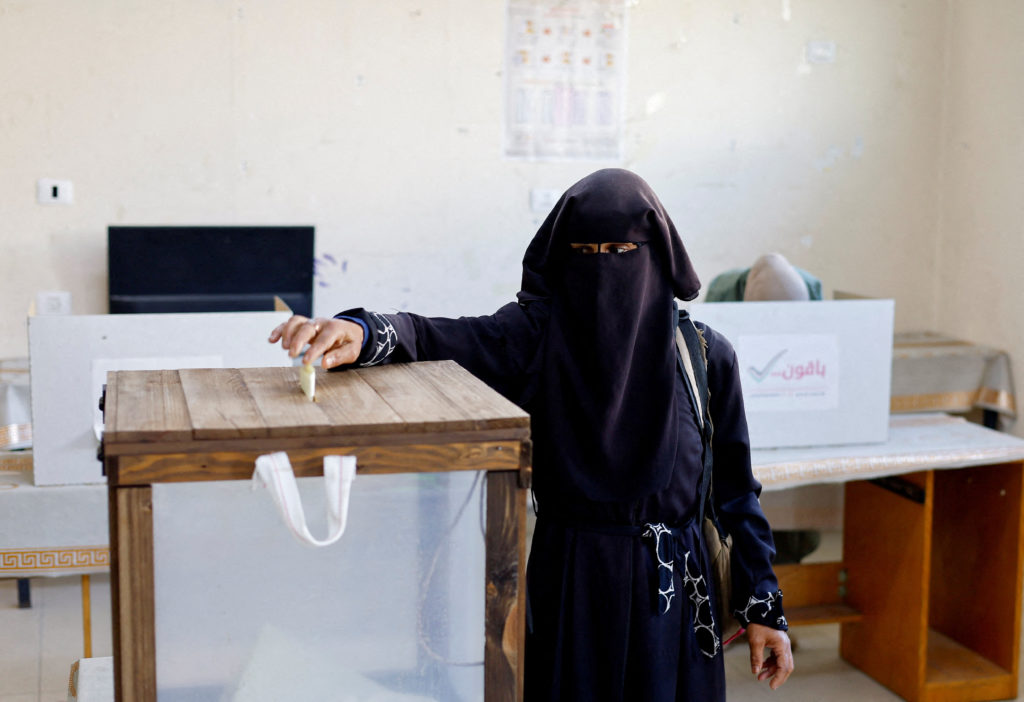
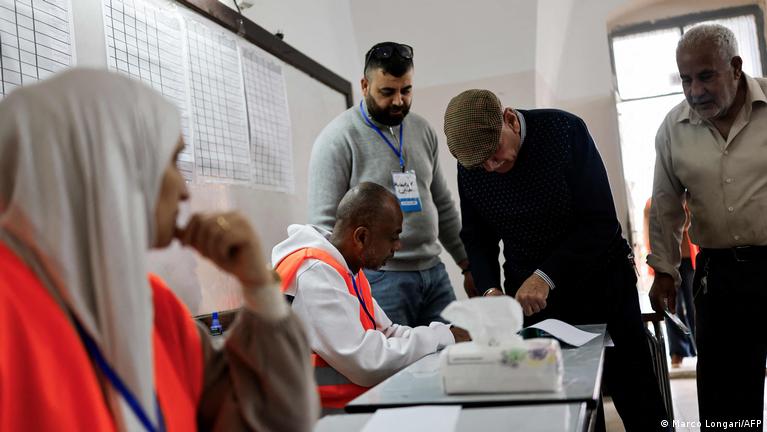
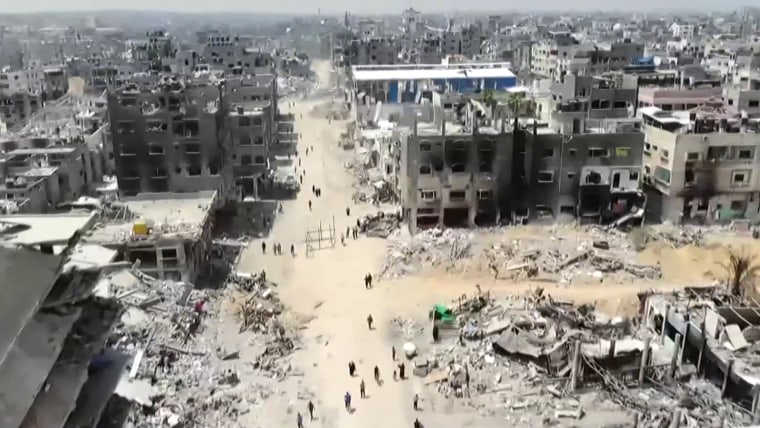
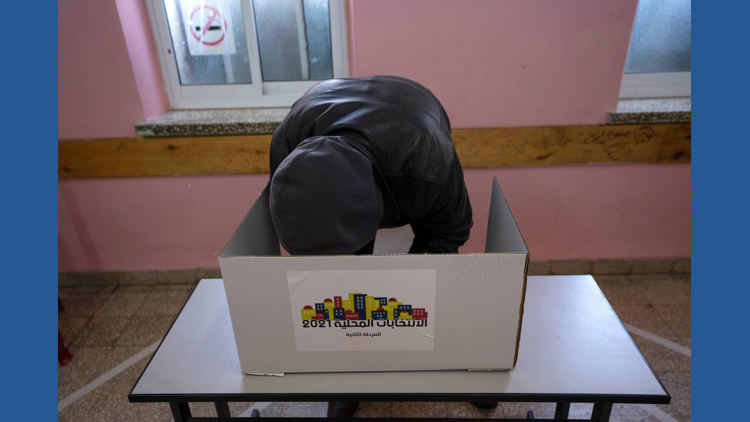
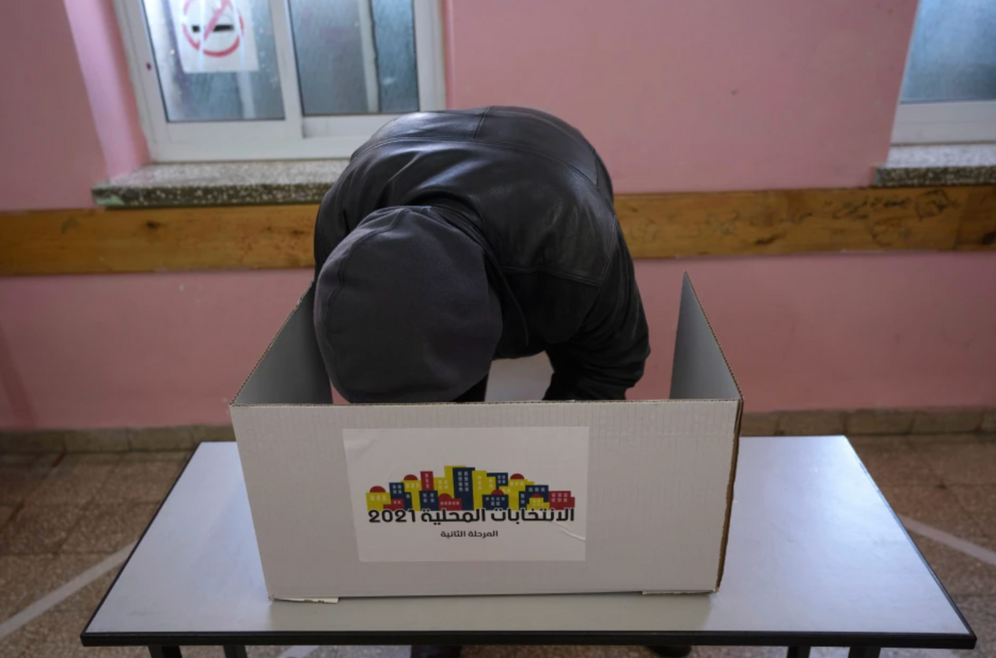
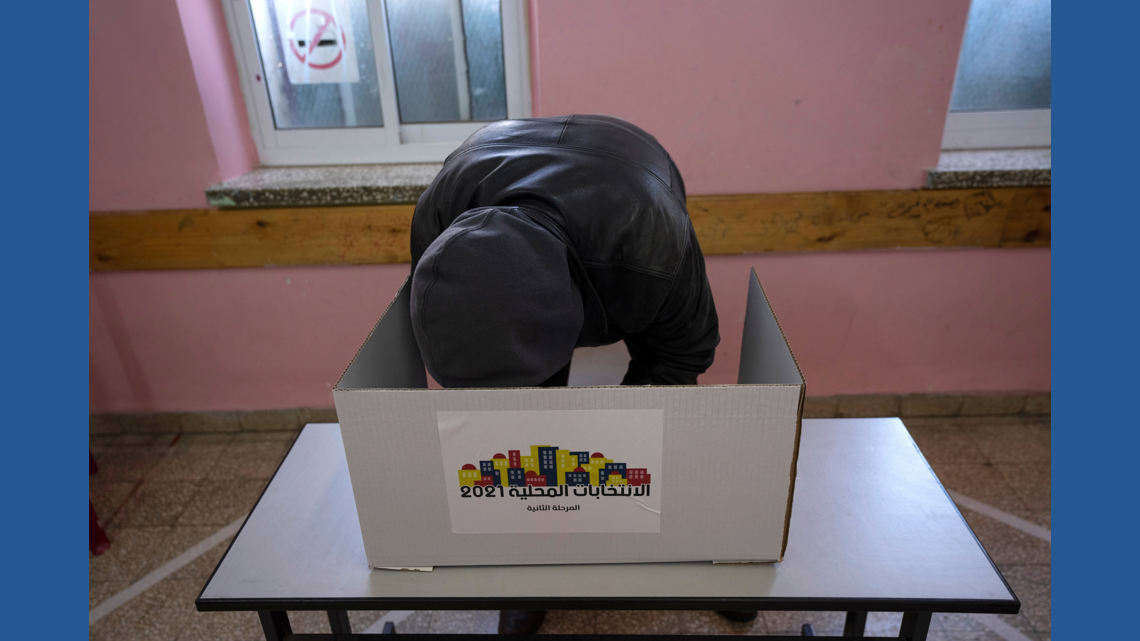
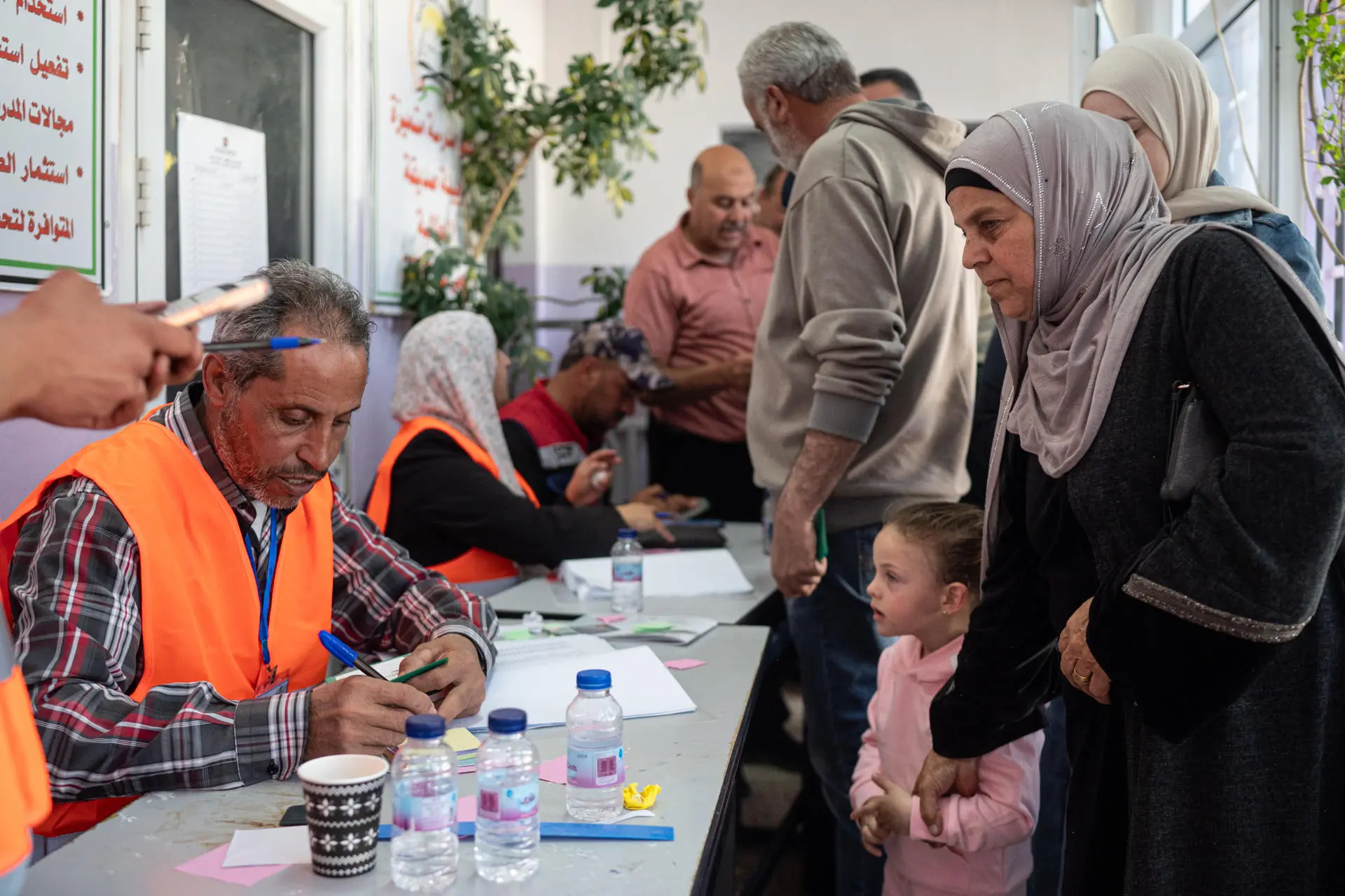
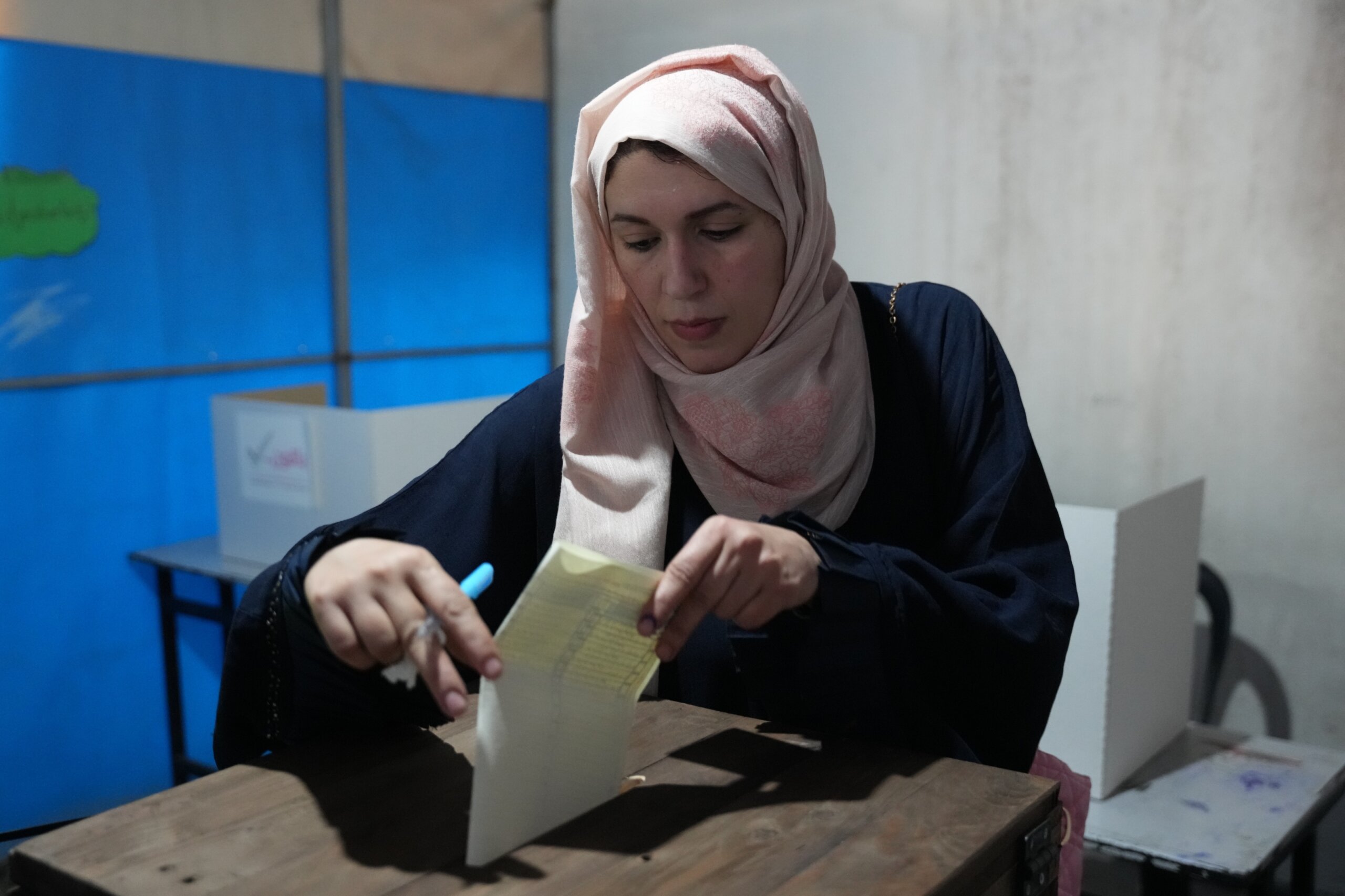
Palestinian local elections held April 25, 2026, represent a critical geopolitical inflection point with significant implications for cross-border e-commerce sellers targeting Middle Eastern markets. Approximately 1.07 million Palestinians participated in voting across the West Bank and Gaza Strip—the first electoral participation in Gaza in two decades and the first voting since the October 2023 conflict outbreak. With 15% initial turnout reported by the Central Elections Commission and elections limited to Deir al-Balah due to infrastructure destruction, these developments signal gradual stabilization of a previously inaccessible market.
Market Recovery Implications for E-Commerce Sellers: The Palestinian Authority's reassertion of governance in Gaza, supported by Western diplomats and Arab governments, creates potential for normalized trade infrastructure and payment systems. Gazans "struggling with basic needs in the devastated enclave" represent a latent consumer market estimated at 2.3M people with pent-up demand for essential goods, household products, and reconstruction materials. Sellers specializing in home improvement, appliances, textiles, and consumer staples should monitor Palestinian Authority governance consolidation as a precursor to market access. The PA's requirement that candidates recognize Israel's state signals international legitimacy efforts that could facilitate cross-border payment processing and customs clearance—currently major friction points for sellers attempting to serve Palestinian territories.
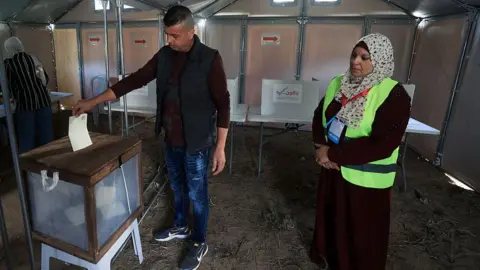
Logistics & Infrastructure Considerations: Voting conducted in tents with electricity constraints underscores ongoing infrastructure challenges affecting last-mile delivery capabilities. However, the election's successful execution despite these constraints demonstrates organizational capacity for coordinating large-scale operations. The PA's stated goal of holding national legislative and presidential elections within the next 18-24 months suggests accelerating institutional development. Sellers should anticipate 6-12 month lag before reliable e-commerce logistics networks emerge in Gaza, but early positioning in West Bank markets (where Palestinian Authority governance is established) offers immediate opportunities. The $2B+ annual Palestinian consumer spending power, currently underserved by formal e-commerce channels, represents significant TAM for sellers offering payment flexibility and regional logistics partnerships.
Geopolitical Risk Mitigation: Israel's continued withholding of tax revenues and Finance Minister Smotrich's stated opposition to Palestinian statehood create ongoing payment and regulatory uncertainty. However, the election's peaceful execution and Hamas's stated respect for results reduce near-term conflict escalation risks. Sellers should implement geopolitical hedging strategies: diversify payment processors to include regional alternatives (Telr, 2Checkout), establish relationships with local Palestinian distributors, and structure contracts with force majeure clauses addressing regional instability. The U.S.-brokered ceasefire negotiations and international support for PA governance suggest 12-18 month window of relative stability for market entry.
Questions 8
What competitive advantages do early-mover sellers gain in Palestinian markets?
First-mover sellers establishing distributor relationships and brand presence in 2026 will capture 30-40% market share advantage as Palestinian e-commerce matures. Early advantages include: exclusive distributor partnerships in high-demand categories, brand recognition among early adopters, established payment processor relationships, and optimized logistics networks. The Palestinian market's current e-commerce penetration is estimated at 8-12% (compared to 35%+ in developed markets), representing significant growth runway. Sellers entering now can establish category leadership before competitive saturation. However, early-mover costs are higher: expect 15-25% additional logistics expenses, 20-30% payment processing friction, and 6-12 month longer payback periods compared to mature markets. Success requires patient capital, local partnership investment, and willingness to absorb geopolitical volatility. Sellers with regional Middle East presence (UAE, Saudi Arabia operations) have 40-50% faster market entry timelines due to existing logistics infrastructure and payment processor relationships.
How do Palestinian elections affect shipping routes and customs clearance timelines?
Political stabilization from elections improves customs clearance predictability but doesn't immediately resolve structural delays. Current customs clearance for Palestinian territories averages 7-14 days due to Israeli control checkpoints and documentation requirements. The PA's governance consolidation may reduce this to 5-10 days over 12-18 months as international recognition improves. Sellers should budget 10-15 business days for total transit time (including customs) when shipping to Palestinian territories, compared to 3-5 days for established Middle Eastern markets. Shipping routes through Ashdod port (Israel) or Aqaba port (Jordan) remain primary options; the Strait of Hormuz tensions mentioned in news reports don't directly impact Palestinian logistics but create regional uncertainty. Recommend using established regional carriers (DHL, FedEx) with Palestinian experience rather than attempting direct shipments. Implement tracking systems with 48-hour update intervals to manage customer expectations around customs delays.