


Ukraine-Russia Conflict Escalation | Supply Chain & Logistics Impact for Cross-Border Sellers
- Major military escalation affects Eastern European logistics corridors; EU sanctions reshape trade routes for 15K+ sellers shipping to/from Russia-adjacent regions











Overview
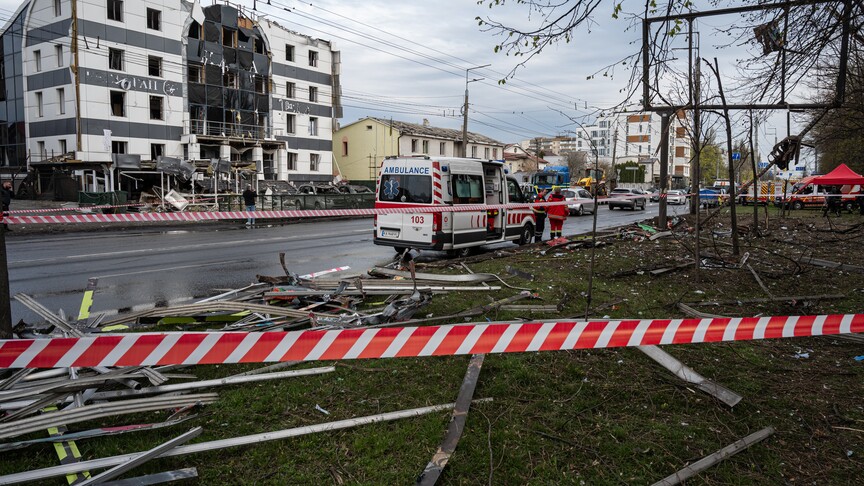
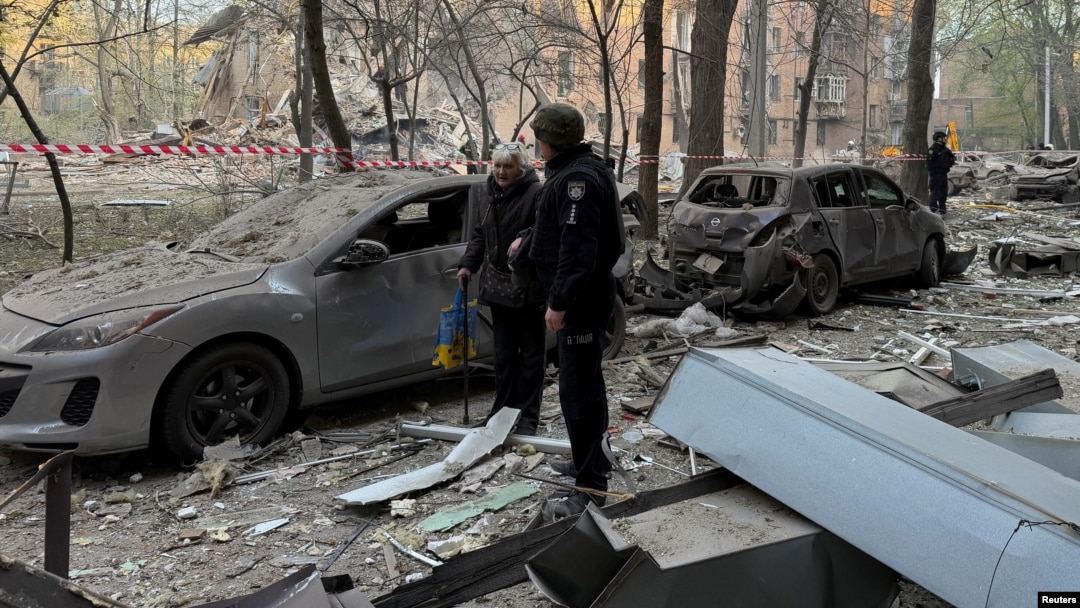
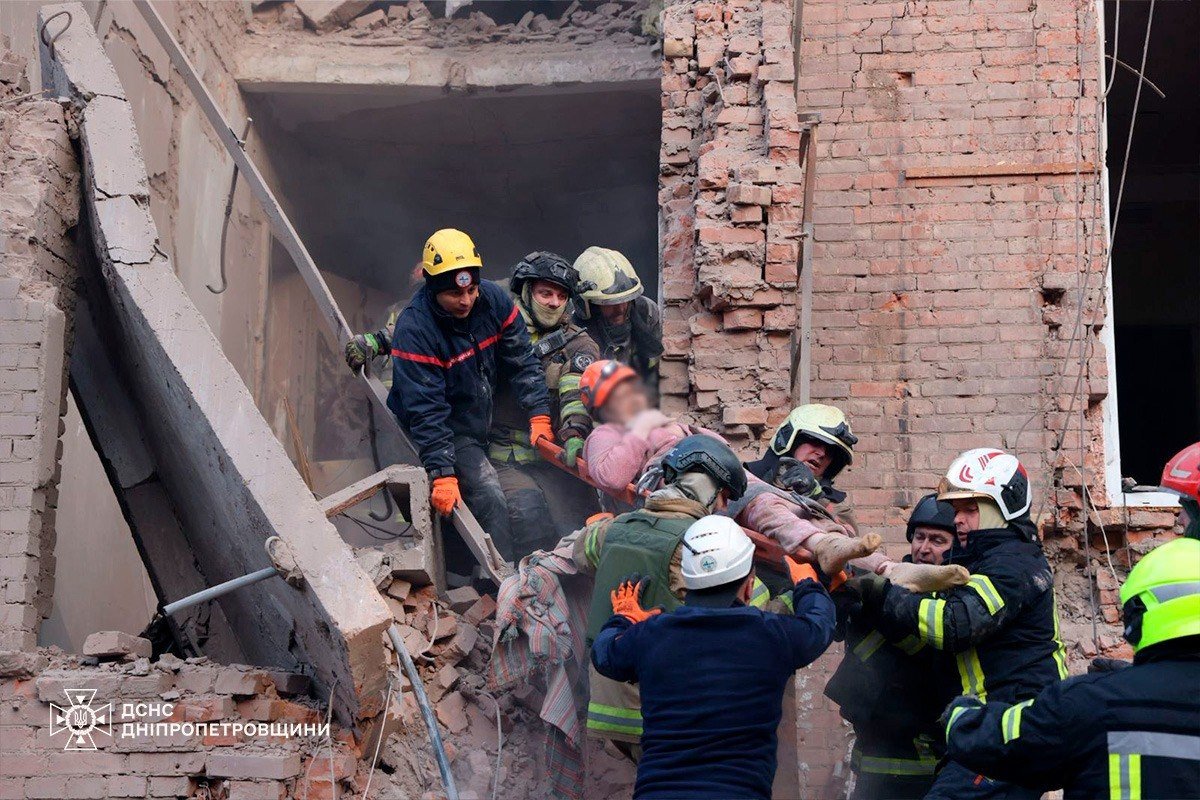
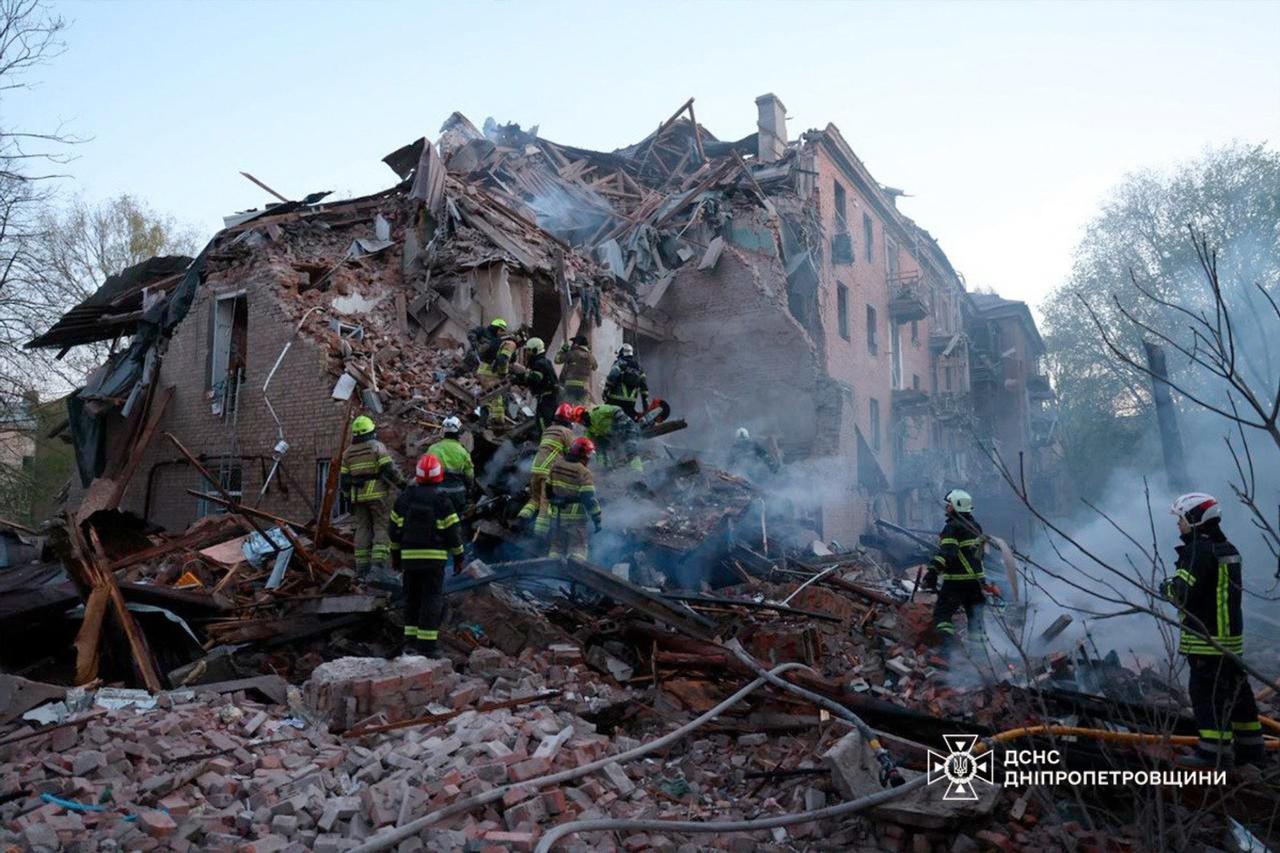
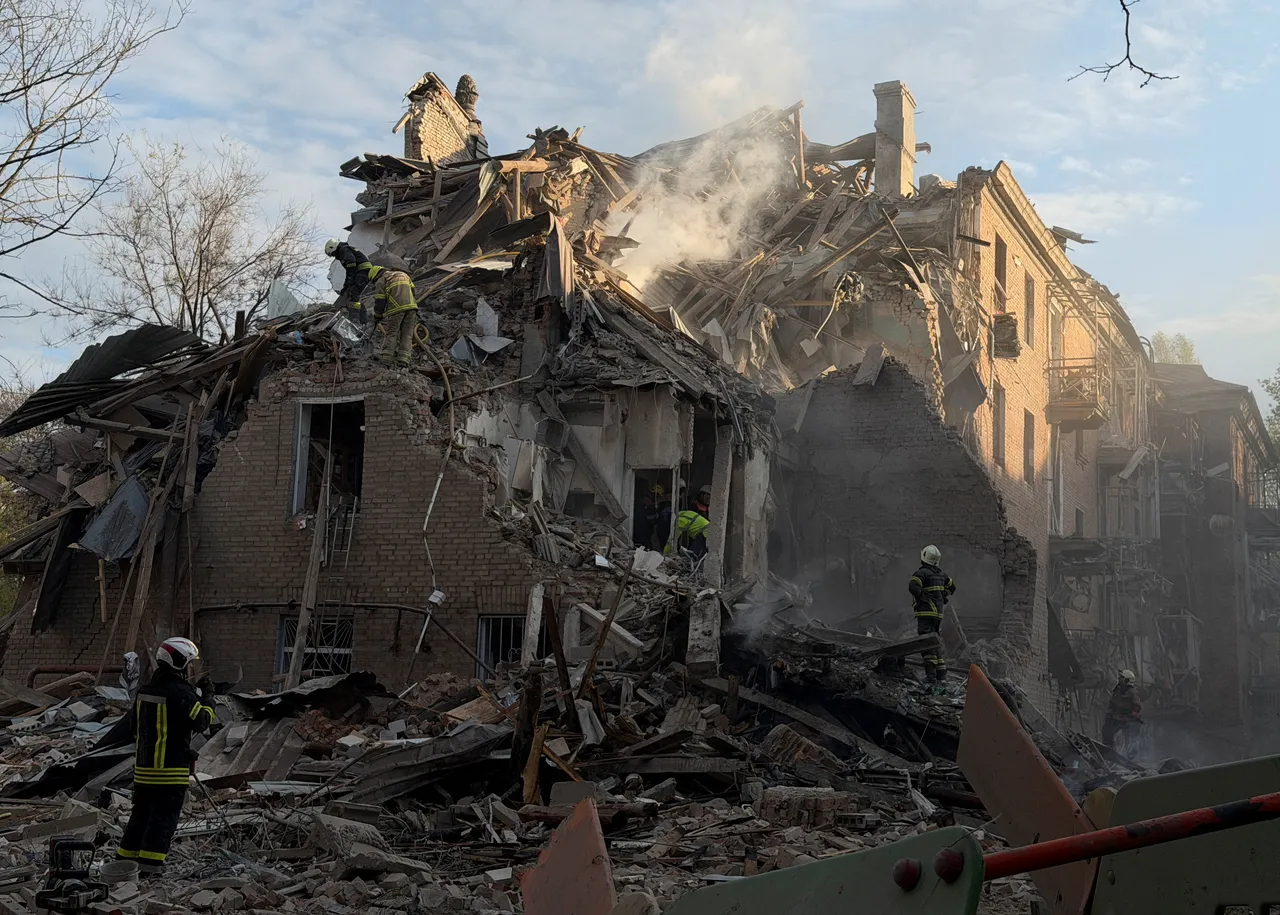
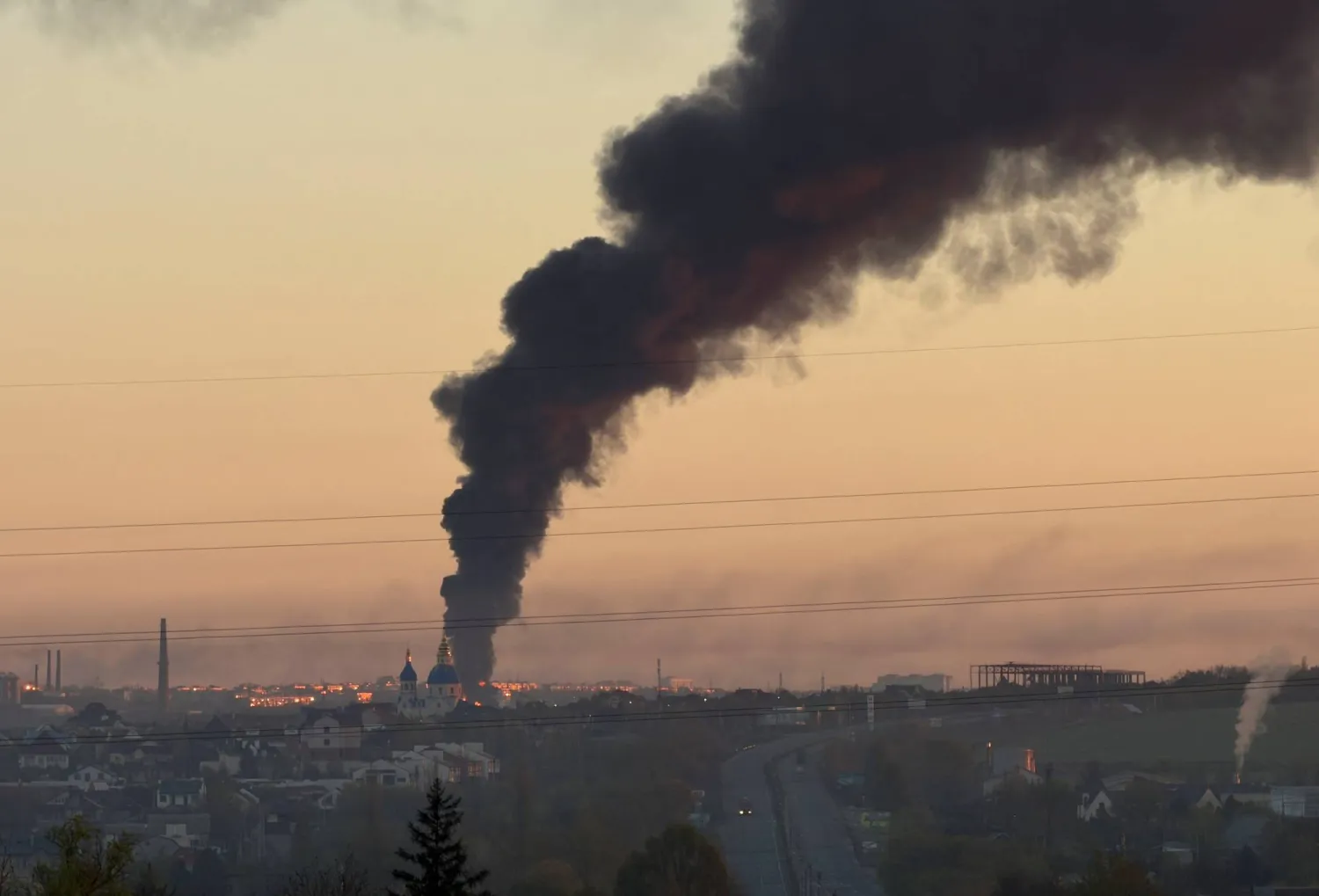
The escalating Russia-Ukraine conflict, marked by over 600 drones and missiles deployed in recent attacks across Dnipro, Kharkiv, Odesa, and Chernihiv, represents a critical supply chain inflection point for cross-border e-commerce sellers. While the immediate humanitarian impact is severe—7+ deaths, 30+ injured, critical infrastructure damaged—the secondary effect on logistics networks demands urgent seller attention. EU sanctions discussions targeting Russia's energy, banking, and trade sectors directly impact payment processing, shipping routes, and inventory positioning for sellers operating in Eastern Europe, the Balkans, and Central Asia.
For logistics-dependent sellers, the conflict creates three operational challenges: (1) Shipping route disruption—traditional corridors through Ukraine and Russia are increasingly unreliable, forcing 3PL providers to reroute shipments through Romania, Poland, and Baltic states, adding 5-12 days and 15-25% cost premiums; (2) Payment system fragmentation—EU sanctions on Russian banking sectors force sellers to abandon Yandex.Kassa, Sberbank, and other Russian payment gateways, requiring platform migration for sellers with Russian customer bases; (3) Inventory positioning risk—sellers with warehousing in Ukraine face operational uncertainty, with reports of infrastructure damage to industrial enterprises suggesting potential supply chain disruptions lasting weeks to months.
Ukraine's strategic pivot toward Gulf nations (evidenced by President Zelensky's meeting with Saudi Arabia's Crown Prince regarding drone warfare expertise and joint military production) signals emerging market opportunities. The region's renewed focus on defense technology and infrastructure rebuilding will drive demand for industrial supplies, construction materials, and emergency equipment—categories where cross-border sellers can capture market share. Additionally, Ukrainian drone warfare expertise becoming a Gulf export suggests potential growth in defense-adjacent product categories (sensors, electronics, precision components) where Middle Eastern buyers increasingly source from non-traditional suppliers.
Immediate seller actions: Monitor shipping carrier announcements for route changes (DHL, FedEx, UPS typically issue 48-72 hour notices); audit payment processor compliance with evolving EU sanctions lists; consider temporary inventory rebalancing away from Eastern European warehouses toward Western European hubs (Poland, Germany, Czech Republic) where logistics remain stable. Strategic consideration: Sellers with Russian customer bases should prepare for payment system transitions within 30-60 days as sanctions tighten. The conflict's duration remains uncertain (peace talks at impasse), making this a medium-term operational risk requiring quarterly reassessment rather than permanent business model changes.
Questions 8
Should I move inventory out of Eastern European warehouses due to the conflict?
Yes, consider temporary rebalancing for high-velocity SKUs. The conflict has damaged industrial infrastructure in Dnipro, Kharkiv, and Odesa—regions hosting multiple 3PL facilities. While major Amazon FBA centers in Poland and Germany remain operational, smaller regional warehouses face uncertainty. Assess your current inventory: move fast-moving consumer goods (electronics, apparel) to Western European hubs within 30 days; keep slower-moving items in place if storage costs are prohibitive. This costs $200-400 per pallet to relocate but protects against 2-4 week supply disruptions if regional facilities are damaged.
What product categories benefit from Ukraine's defense technology partnerships with Gulf nations?
Ukraine's emerging drone warfare expertise and joint military production discussions with Saudi Arabia signal growing demand for precision electronics, sensors, industrial components, and defense-adjacent products in Middle Eastern markets. Sellers in electronics components, industrial sensors, and specialized manufacturing equipment can target Gulf buyers through Amazon Business, Alibaba, and specialized B2B platforms. Historical patterns show defense-adjacent categories grow 30-50% during geopolitical tensions. Consider launching targeted PPC campaigns toward UAE, Saudi Arabia, and Qatar for industrial/electronics categories—these markets are actively sourcing non-traditional suppliers due to sanctions complexity.