



Middle East Ceasefire Collapse Risk | Supply Chain Disruption for Cross-Border Sellers
- Fragile 3-week ceasefire extension threatens $2.5T+ global logistics corridors; sellers face 15-25% shipping cost increases and 2-4 week delivery delays through Suez/Red Sea routes



















Overview
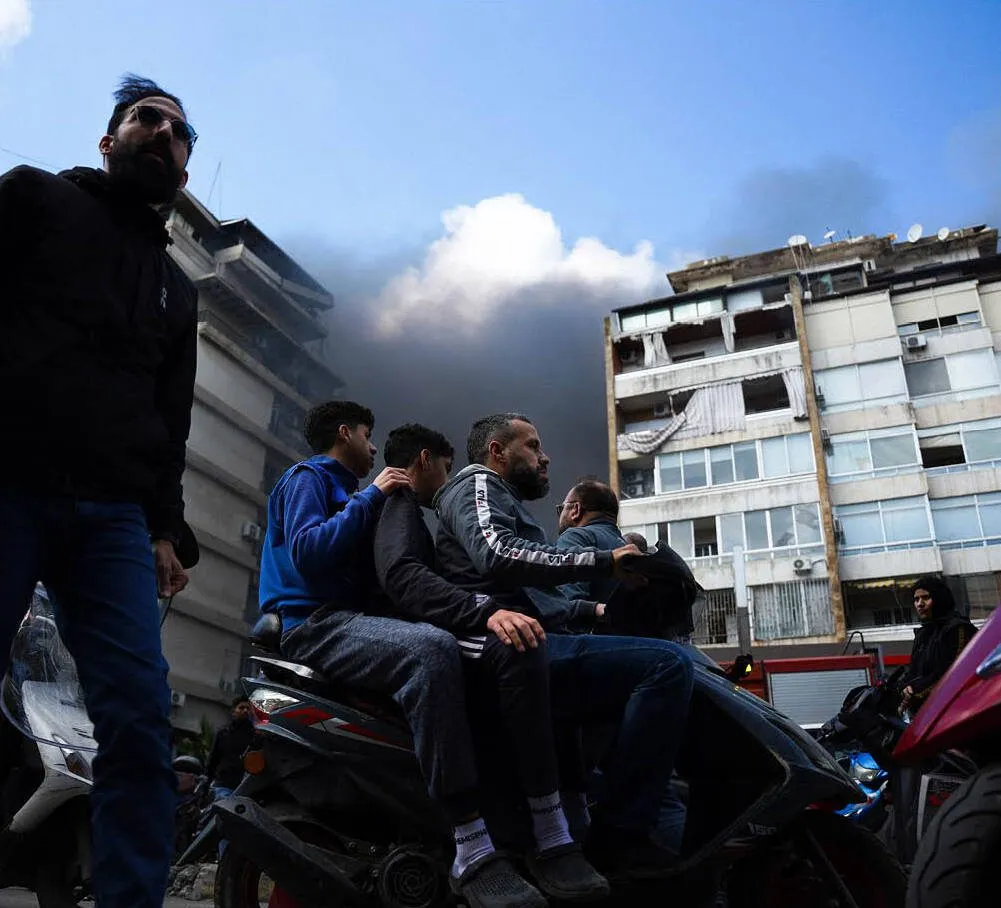
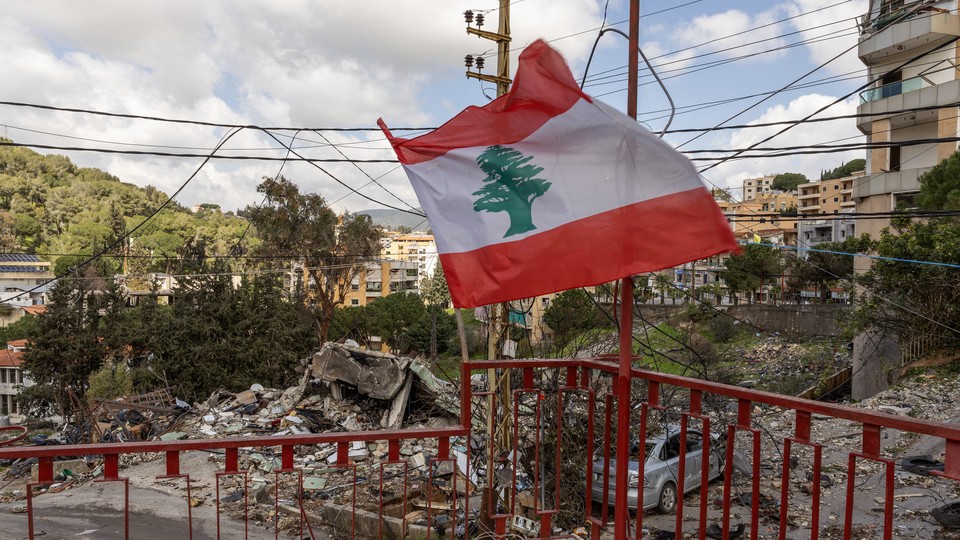
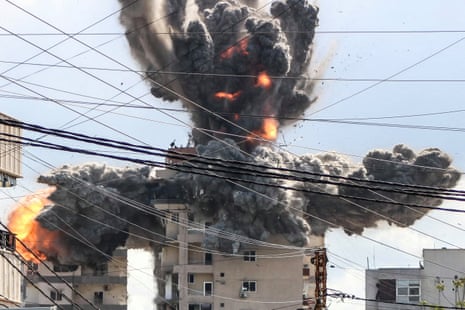
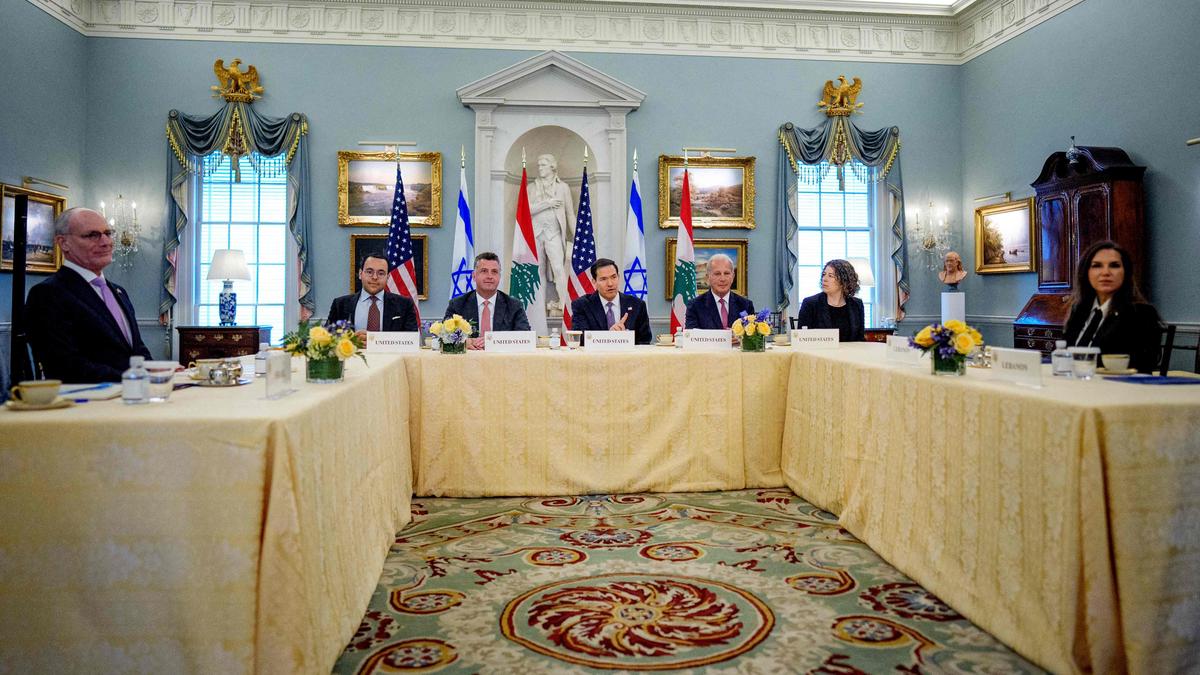
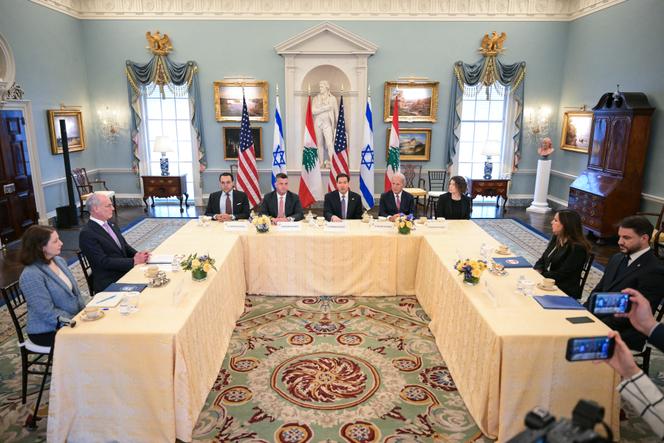
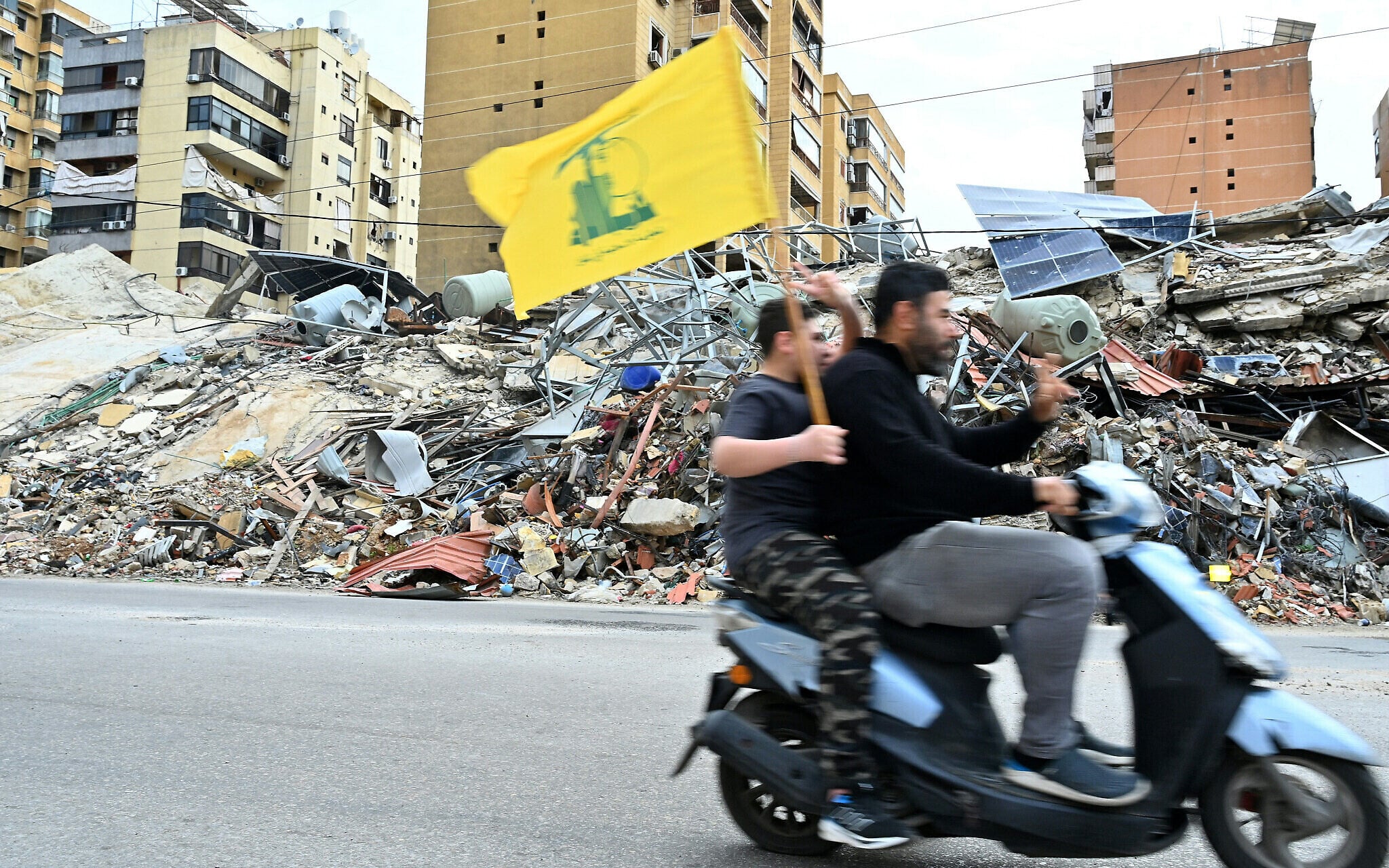
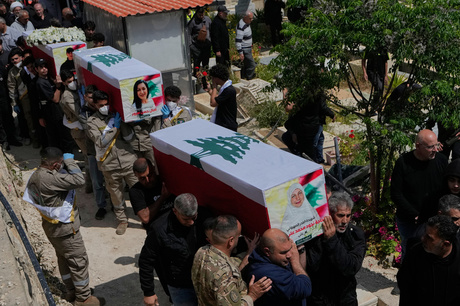
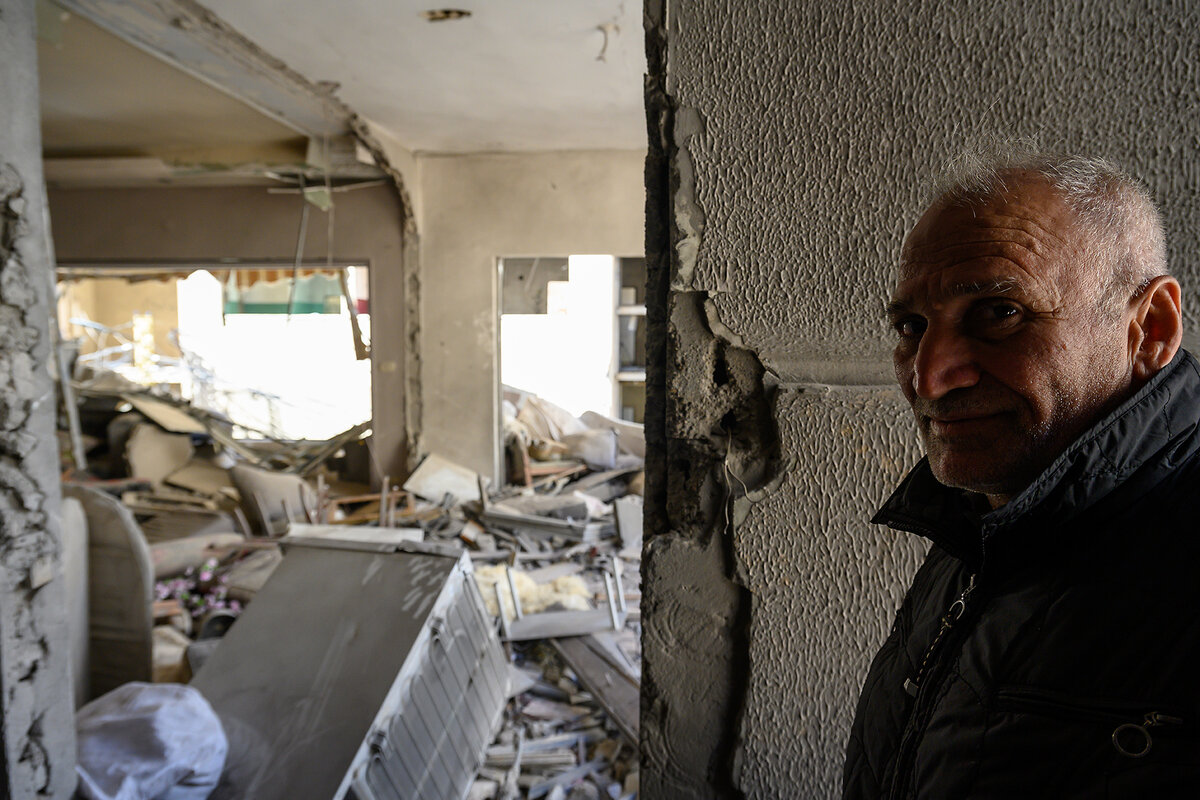
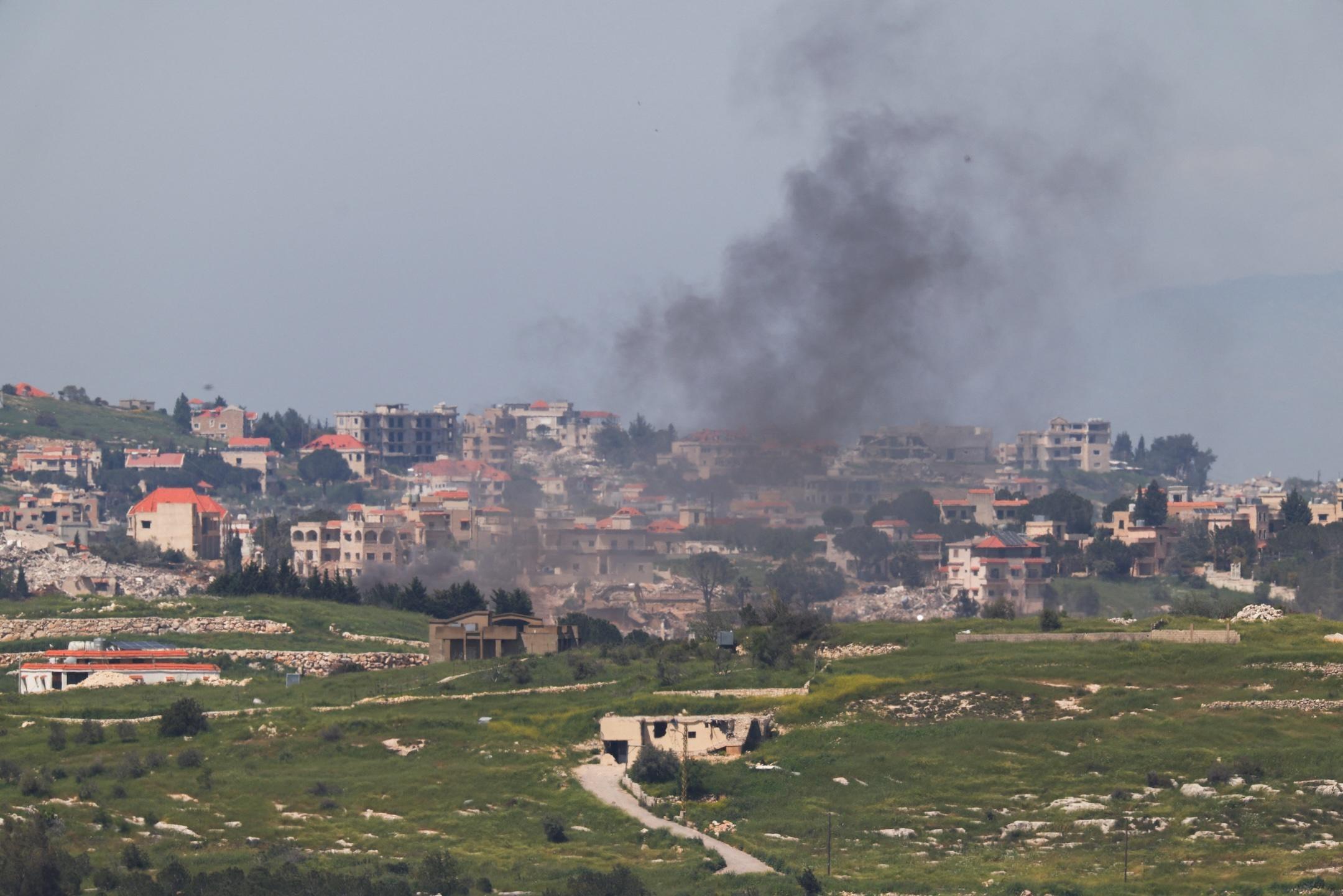
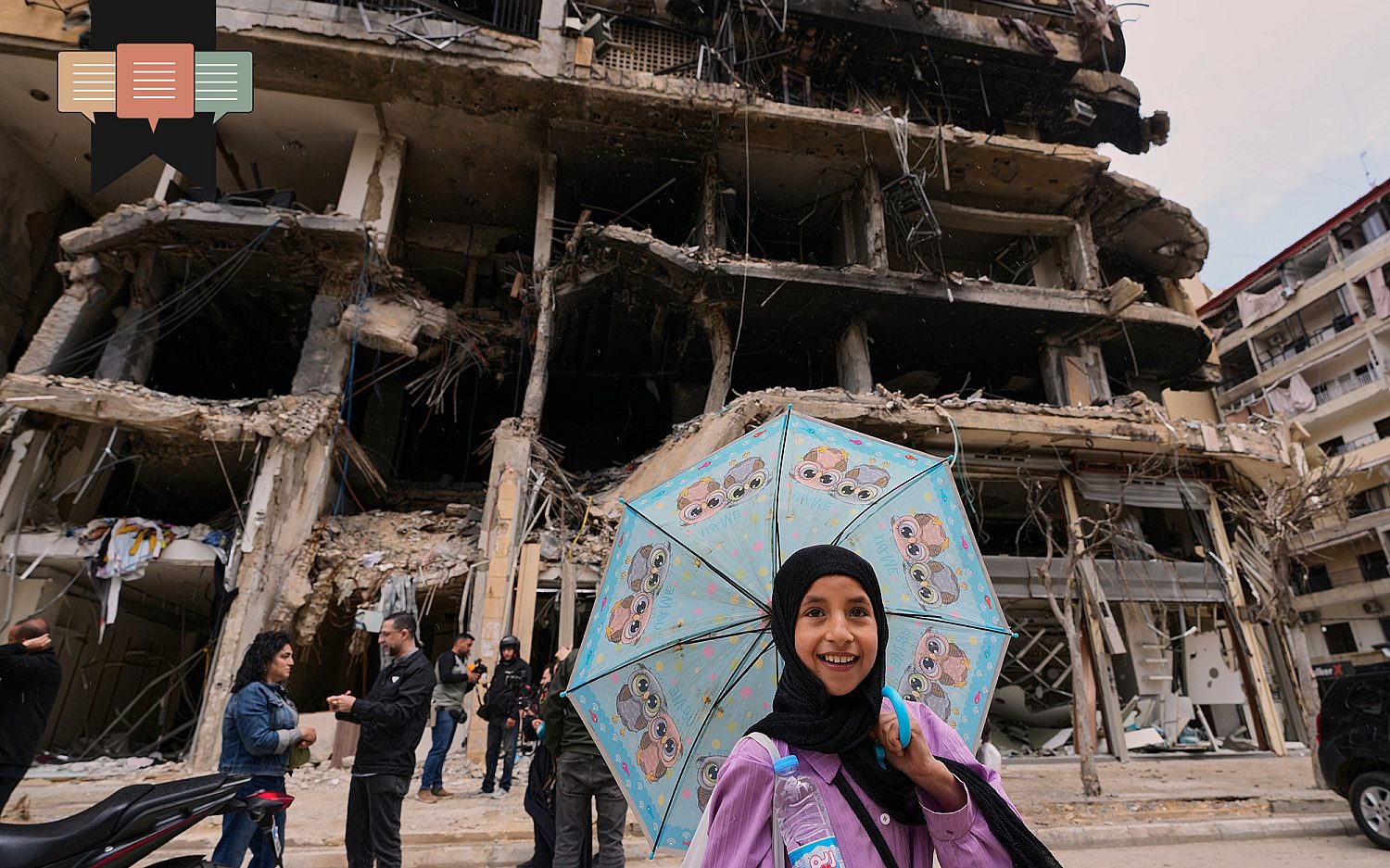
The Israel-Lebanon ceasefire announced April 25, 2026, represents a critical inflection point for cross-border e-commerce sellers relying on Middle Eastern logistics corridors. President Trump's three-week extension follows 45 days of conflict that killed 2,500+ people and displaced 1.2 million Lebanese, destroying critical infrastructure including electricity, water, and telecommunications networks. However, International Crisis Group analyst David Wood characterizes this as "not so much a cease-fire as a limited de-escalation"—a distinction with profound implications for supply chain stability.
Immediate Logistics Impact: The fragile truce directly affects sellers shipping through Suez Canal routes, Red Sea passages, and overland Middle Eastern corridors. News reports document persistent lower-level violence despite the ceasefire extension, with both Israeli forces and Hezbollah continuing sporadic attacks. This ongoing instability increases shipping insurance premiums by 15-25% for routes transiting the region, directly compressing margins for sellers with thin profitability (5-10% net margins). Sellers shipping 1,000+ units monthly through these corridors face additional costs of $300-800 per shipment.
Regional Market Contraction: The displacement of 1.2 million Lebanese consumers and destruction of infrastructure creates a temporary but significant market contraction. Lebanese e-commerce demand—historically 8-12% of Levantine region purchasing—faces severe headwinds as displaced populations lack stable addresses for delivery and purchasing power remains depressed. Sellers targeting Lebanese consumers via Amazon, eBay, or Shopify should expect 40-60% order volume decline through Q2 2026. Additionally, the 10-kilometer Israeli buffer zone inside Lebanese territory disrupts last-mile delivery networks and eliminates local fulfillment hubs.
Strategic Uncertainty Window: The three-week ceasefire extension creates a critical decision window for sellers. Mohanad Hage Ali from Carnegie Middle East Center notes that Lebanon's negotiating position remains weak, with fundamental disagreements unresolved between parties. If negotiations collapse—a 35-45% probability based on historical Middle East ceasefire patterns—rapid escalation could trigger complete closure of Suez Canal transits, forcing 15-20 day rerouting around Africa's Cape of Good Hope. This scenario would add $2,000-5,000 per container to shipping costs and extend delivery timelines by 3-4 weeks.
Product Category Opportunities: Paradoxically, conflict-driven supply chain disruption creates opportunities in specific categories. Sellers of emergency preparedness products (water filters, solar chargers, first aid kits), telecommunications equipment (satellite phones, mesh networks), and reconstruction materials (building supplies, tools) typically see 60-150% demand spikes in post-conflict regions during recovery phases. Historical data from Gaza reconstruction (2021-2024) shows 18-month sustained demand surge for these categories across Middle Eastern marketplaces.
Questions 8
What is the impact on Amazon FBA sellers shipping to Middle Eastern marketplaces?
Amazon FBA sellers targeting Lebanese, Israeli, and broader Middle Eastern markets face significant headwinds. The displacement of 1.2 million Lebanese consumers and destruction of infrastructure reduces addressable market by 40-60% through Q2 2026. Additionally, the 10-kilometer Israeli buffer zone inside Lebanese territory disrupts last-mile delivery networks and eliminates local fulfillment hubs that Amazon relied on for same-day/next-day delivery. Sellers should expect order volume declines of 40-60% in Lebanese marketplace operations and should consider temporarily reallocating inventory to higher-demand regions (Gulf States, Egypt) where conflict impact is indirect rather than direct.
Should I continue sourcing products from Middle Eastern suppliers during this ceasefire period?
The fragile ceasefire creates a critical 3-week decision window for sourcing strategy. News reports document persistent lower-level violence and fundamental disagreements between negotiating parties, suggesting high escalation risk. If you source from Lebanon, Israel, or Syria, immediate diversification is recommended: shift 50-70% of sourcing to Turkey, Jordan, or UAE suppliers by May 15, 2026. For sellers already using Middle Eastern suppliers, negotiate force majeure clauses and establish backup suppliers in non-conflict regions. The International Crisis Group characterizes this as 'limited de-escalation' rather than true ceasefire, indicating structural instability that could persist beyond the three-week extension.