


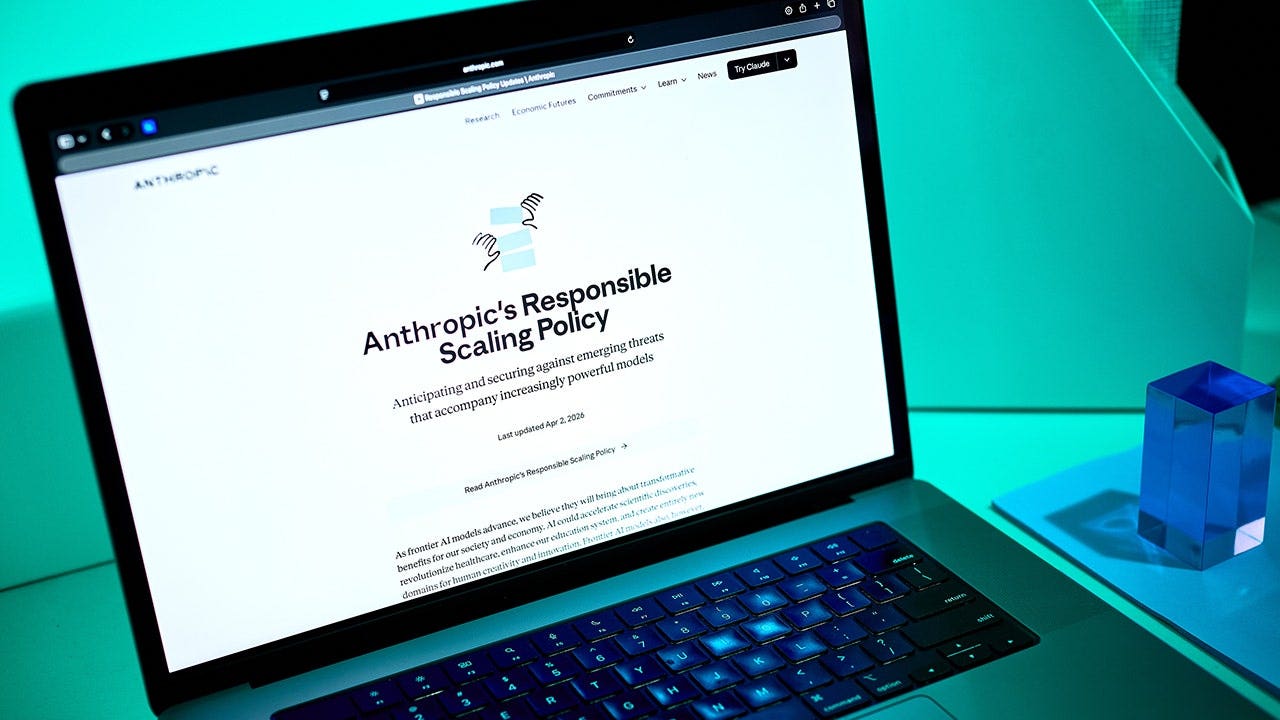

AI-Powered Vulnerability Discovery Reshapes E-Commerce Security Compliance | 2,000+ Zero-Days Demand Urgent Data Protection Overhaul
- Anthropic's Mythos AI discovers 2,000 vulnerabilities in 7 weeks (30% of annual zero-day output); forces e-commerce platforms to shift from perimeter defense to data-centric security architecture within 90-180 days






Overview
Anthropic's Mythos AI has fundamentally disrupted cybersecurity vulnerability discovery, uncovering 2,000 previously unknown software vulnerabilities in just seven weeks of testing—equivalent to 30% of the world's entire annual zero-day vulnerability output. This breakthrough represents a critical inflection point for e-commerce compliance, as the technology dramatically lowers the barrier to exploitation. Individuals without specialized cybersecurity training can now identify and exploit serious software flaws, a capability previously requiring substantial expertise. For e-commerce sellers and platforms, this development triggers immediate regulatory and operational pressure.
The compliance implications are severe and multi-layered. Traditional perimeter defense strategies—firewalls, network monitoring, endpoint security—have consumed hundreds of billions in investment but cannot keep pace with AI-accelerated threat discovery. The attack lifecycle has compressed from weeks to hours or minutes, rendering manual security architectures obsolete. E-commerce platforms storing customer banking information, medical records, and retail account data face exponentially increased breach risk. Regulatory bodies (GDPR, CCPA, PCI-DSS) are already signaling that legacy security models no longer satisfy compliance standards. Sellers must anticipate that platforms will mandate data-centric security implementations—object-level protection, real-time access controls, and continuous audit capabilities—within 90-180 days. Non-compliance will result in account suspension, data breach liability, and potential regulatory fines ranging from $10,000-$50,000+ per incident.
The strategic shift from perimeter to data-centric security creates both compliance barriers and competitive opportunities. Platforms with restricted access to Mythos (Microsoft, Google, trusted partners) gain defensive advantages, while non-integrated sellers face asymmetric pressure: attackers need succeed only once, while defenders must succeed continuously. This dynamic will accelerate consolidation toward mega-platforms offering integrated security infrastructure. Sellers must immediately audit their data handling practices, implement encryption at rest and in transit, establish role-based access controls, and deploy real-time monitoring. Third-party compliance service providers offering data governance, vulnerability scanning, and incident response will experience 40-60% demand surge. Categories handling sensitive customer data (financial services, health products, luxury goods) face the highest compliance costs ($5,000-$25,000 annually for mid-sized sellers) but gain competitive moats against non-compliant competitors. The window for voluntary compliance adoption is 60-90 days before regulatory enforcement intensifies.
Questions 8
How does Anthropic's Mythos AI vulnerability discovery affect e-commerce seller compliance requirements?
Mythos discovered 2,000 zero-day vulnerabilities in seven weeks, forcing e-commerce platforms to mandate data-centric security architectures within 90-180 days. Sellers must shift from perimeter defense to object-level data protection, implementing encryption, access controls, and real-time monitoring. Non-compliance risks account suspension, regulatory fines ($10,000-$50,000+ per incident), and data breach liability. Platforms like Amazon and Shopify will likely require sellers to demonstrate compliance through third-party security audits and vulnerability assessments by Q2 2025.
What is the difference between traditional perimeter defense and data-centric security for e-commerce?
Traditional perimeter defense relies on firewalls, network monitoring, and endpoint security to prevent external attacks—a model that has become obsolete as AI tools compress attack lifecycles from weeks to hours. Data-centric security protects sensitive information at the object level, regardless of whether external defenses fail. For sellers, this means encrypting customer banking data, implementing role-based access controls, and auditing who accesses what information in real-time. Data-centric approaches cost 15-25% more annually but provide compliance certainty and reduce breach liability exposure.