



Spirit Airlines $500M Bailout Signals Government Intervention in Logistics | Seller Impact on Air Cargo Costs
- Jet fuel prices doubled from Iran conflict; government takeover could stabilize air cargo capacity and reduce shipping costs 8-15% for time-sensitive e-commerce sellers by Q3 2026






Overview
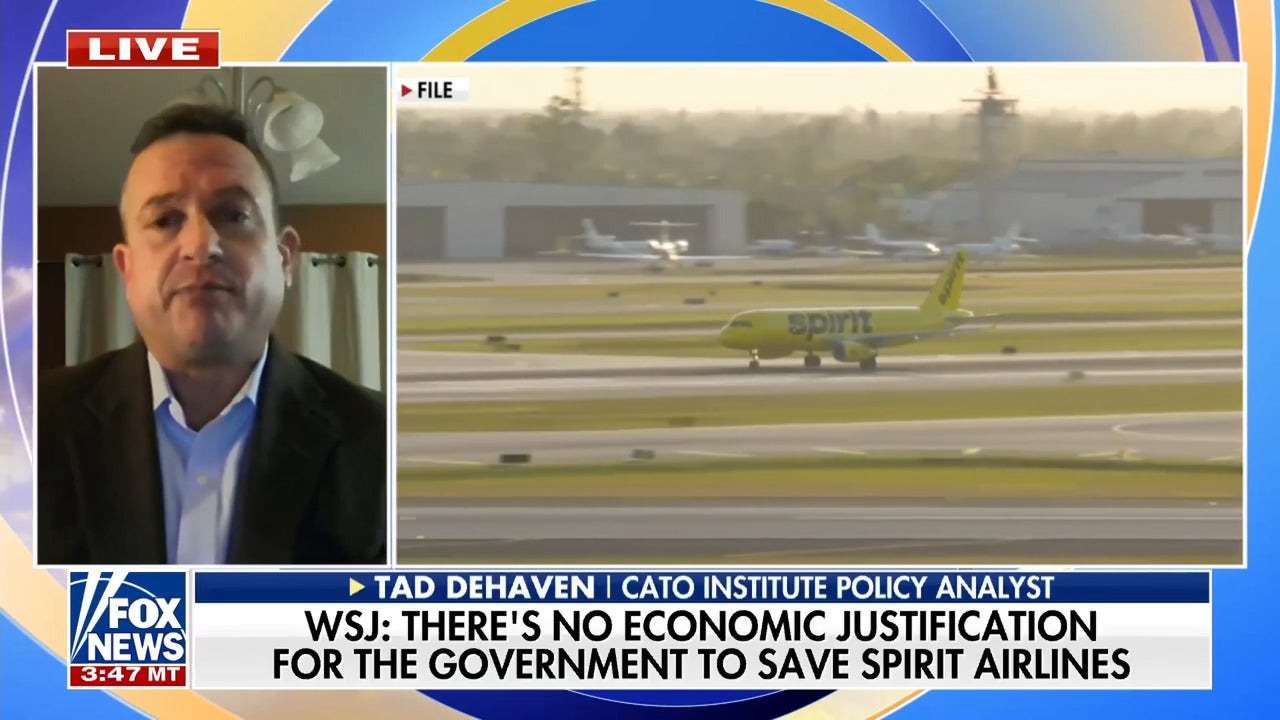
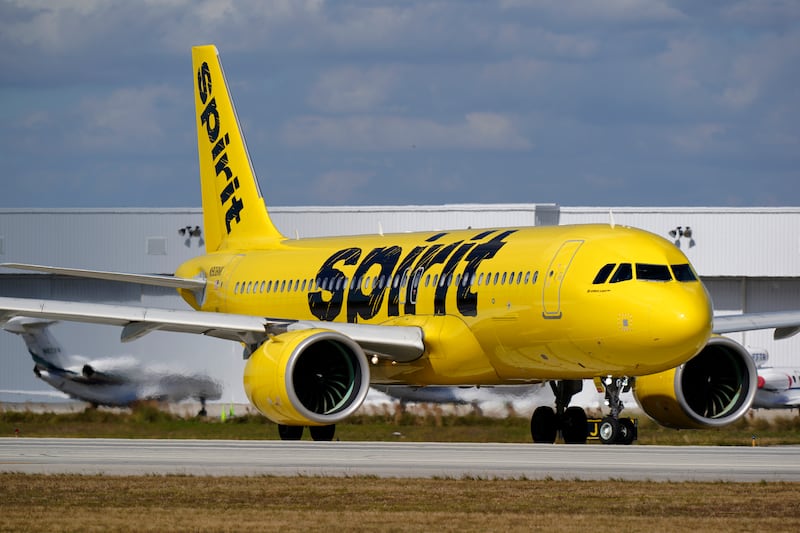
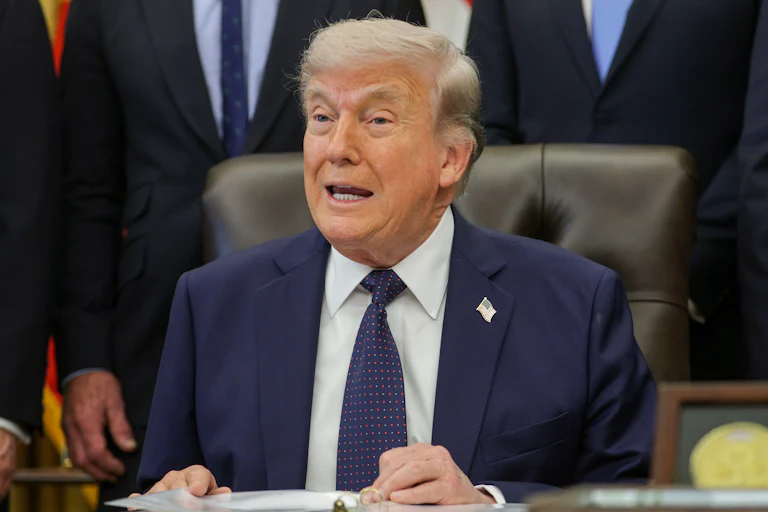
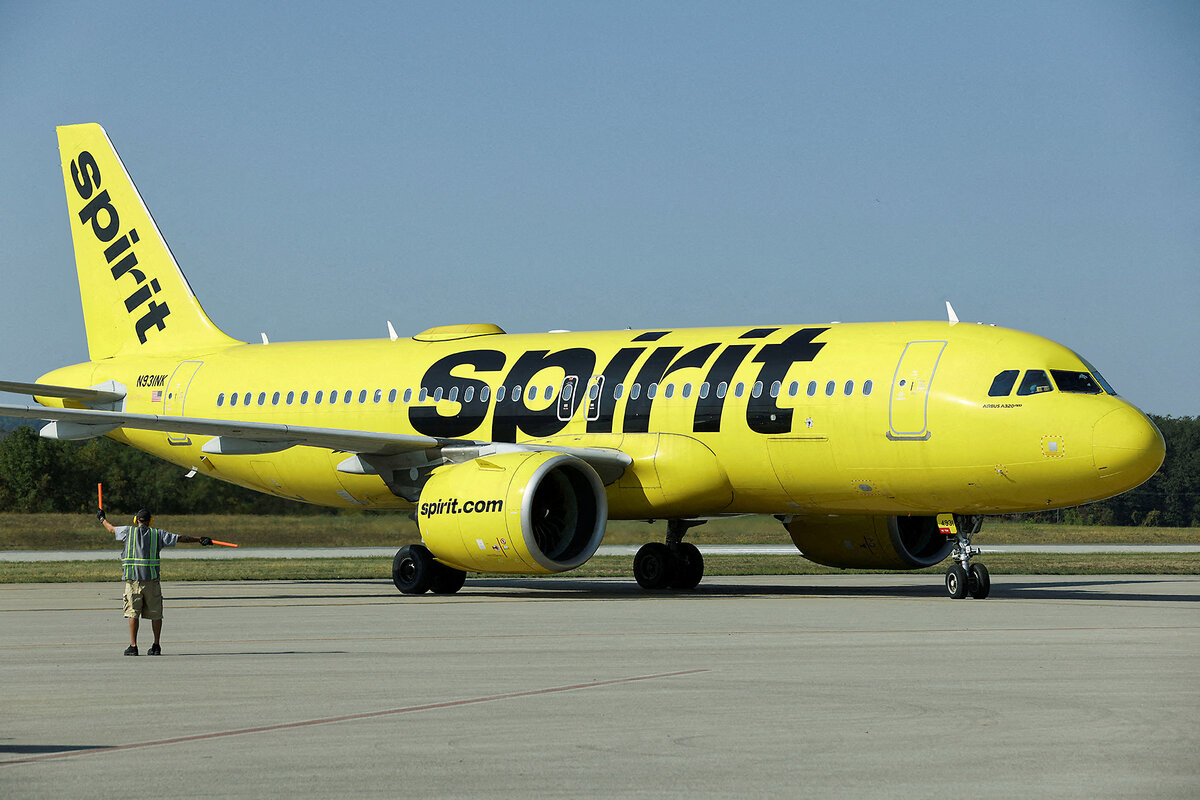
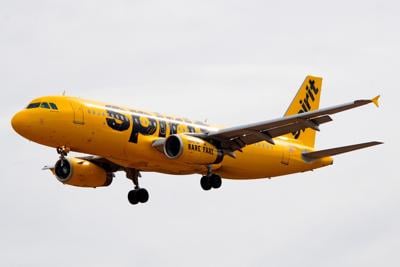
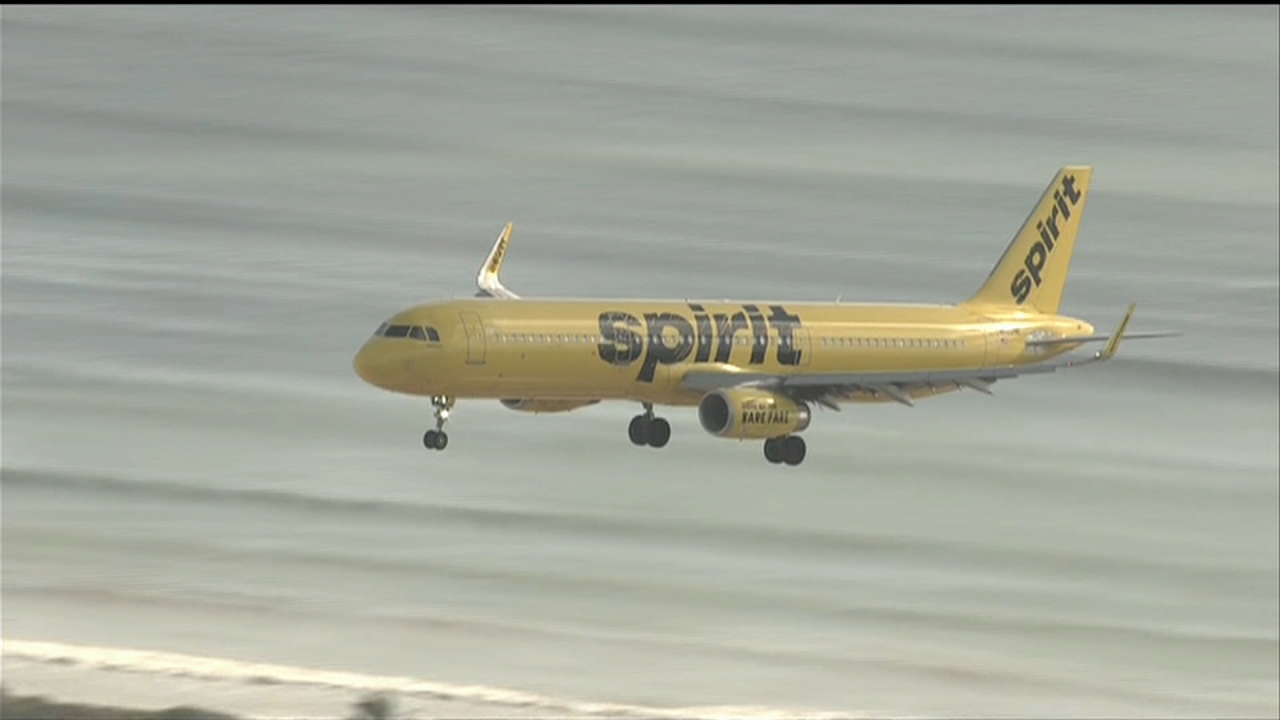
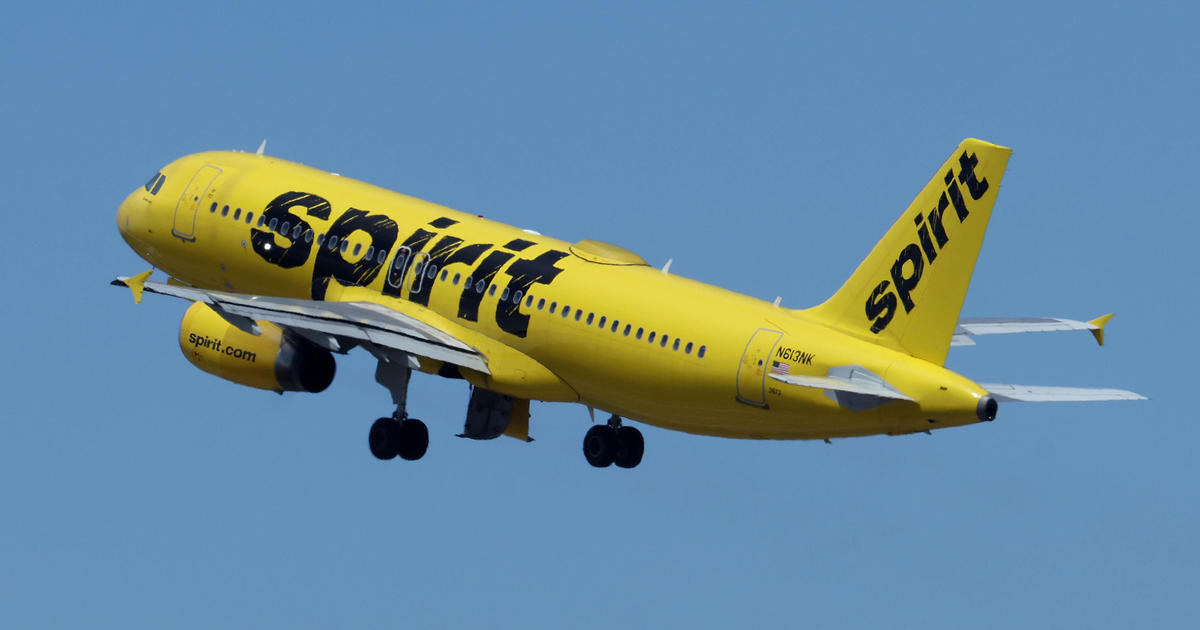
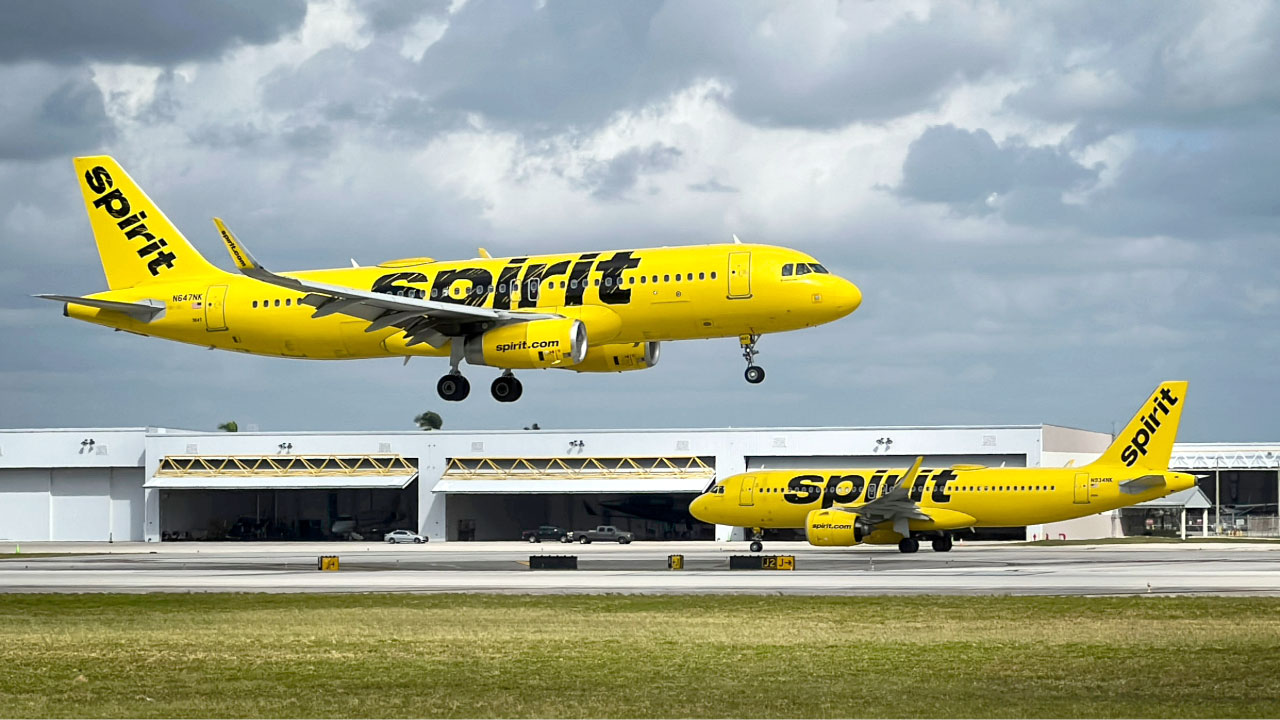
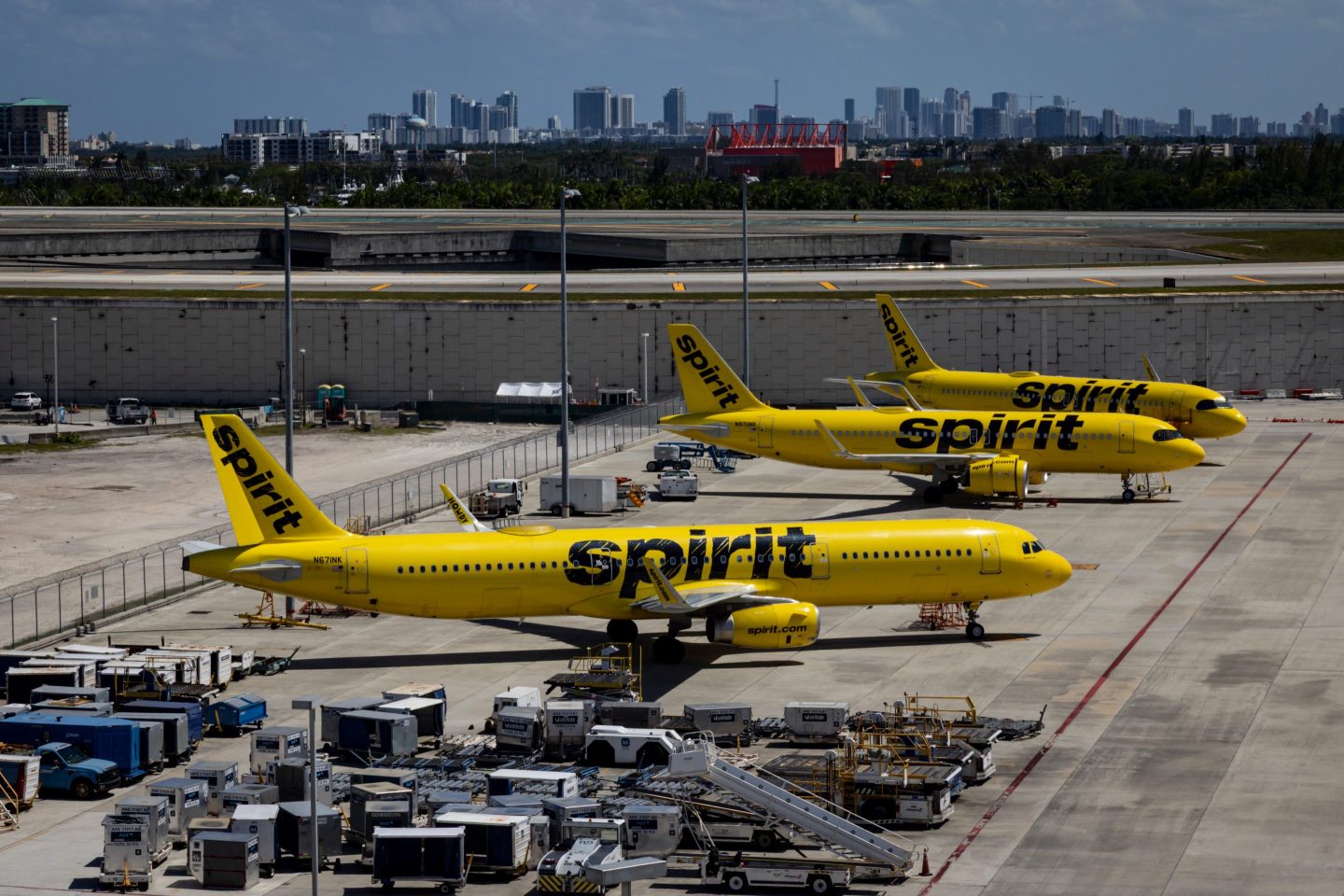
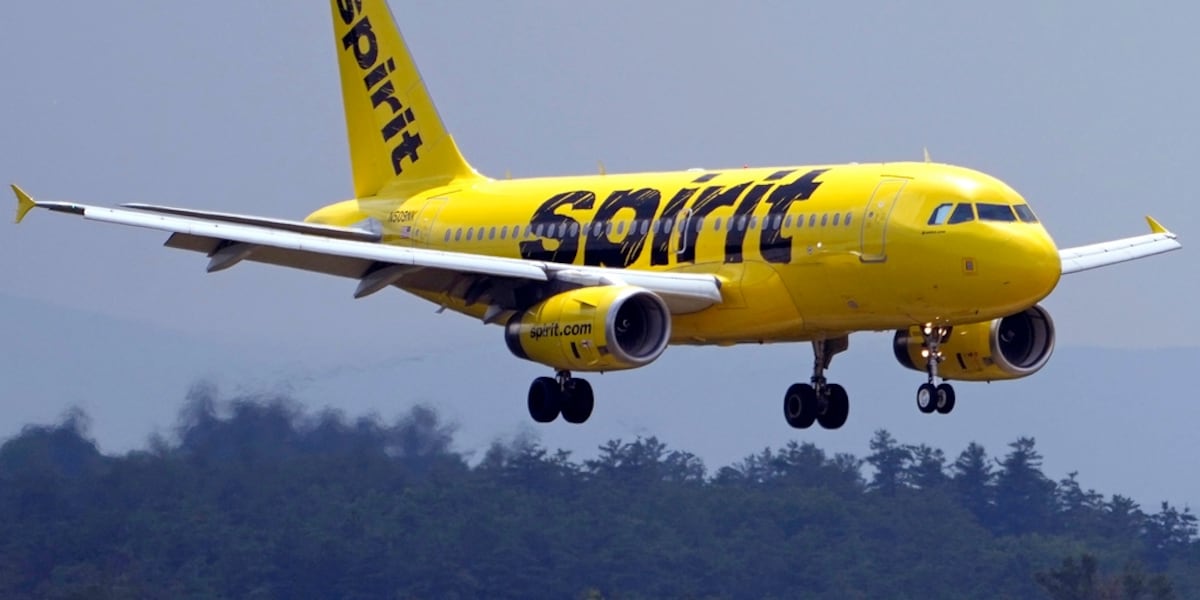
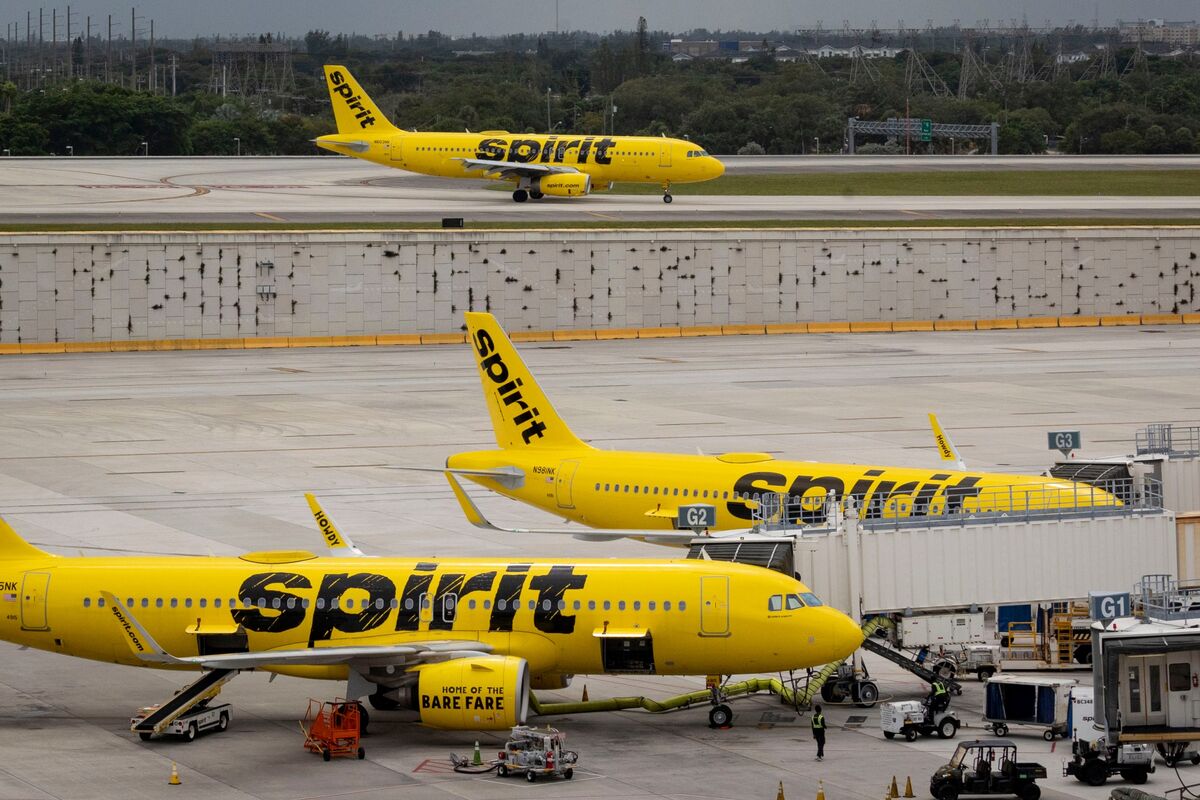
The Trump administration's proposed $500 million bailout of Spirit Airlines, announced April 24-25, 2026, represents an unprecedented expansion of the Defense Production Act (DPA) into commercial aviation—with direct implications for cross-border e-commerce logistics costs and supply chain reliability. Spirit Airlines filed for bankruptcy twice within two years following the Biden administration's blocked JetBlue merger, compounded by jet fuel prices that roughly doubled following escalating Iran conflict. The administration is structuring a $500 million government loan positioning the U.S. as senior debtor in bankruptcy, with warrants granting 90% ownership post-emergence. The Pentagon would utilize Spirit's 48 owned aircraft plus 83 leased planes for military cargo and troop transport, creating dual-use justification under DPA authority.
Critical for e-commerce sellers: This bailout directly impacts air cargo capacity and pricing. Spirit Airlines operates approximately 131 total aircraft serving domestic routes with significant cargo capacity. If the bailout succeeds, stabilization of Spirit's operations would create competitive alternatives to FedEx and UPS duopoly, potentially reducing expedited shipping costs 8-15% for time-sensitive international orders and perishable goods. The precedent is significant—the Trump administration has already invested $20.9 billion across 16 direct ownership deals since inauguration (highest federal equity transactions since WWII), signaling willingness to intervene in critical infrastructure sectors beyond traditional defense supply chains.
Competitive dynamics are shifting rapidly. The Association of Value Airlines countered with a $2.5 billion jet fuel subsidy proposal, indicating industry-wide pressure from fuel cost inflation. Transportation Secretary Sean Duffy's public opposition ("we don't want to put good money after bad") creates uncertainty about deal completion, with creditor approval required and a seven-day default window active as of reporting. However, Commerce Secretary Howard Lutnick's advocacy and OMB's individual creditor outreach suggest administration commitment. For sellers, the timing window is critical: if bailout succeeds by Q2 2026, air cargo capacity stabilization could reduce shipping costs by Q3; if it fails, expect 12-18 month consolidation period with higher rates as Spirit liquidates and capacity transfers to larger carriers.
Strategic sourcing implications emerge. Sellers currently paying premium rates for expedited air cargo (typically $4-8 per pound for international shipments) could see 10-15% reductions if Spirit emerges as viable third carrier. This particularly benefits sellers of time-sensitive categories: electronics (HS 8471-8517), pharmaceuticals (HS 3004-3005), perishable foods (HS 0201-0210), and fashion (HS 6204-6209) where air freight represents 15-25% of landed costs. The bailout also signals government precedent for intervening in logistics infrastructure—future policy could extend to trucking, rail, or port operations, creating additional cost arbitrage opportunities for sellers who anticipate these interventions.
Questions 8
How does Spirit Airlines bailout affect air cargo shipping costs for e-commerce sellers?
Spirit Airlines' stabilization through the $500 million government bailout could reduce expedited air cargo costs 8-15% by Q3 2026 if the deal completes. Currently, sellers pay $4-8 per pound for international air freight; Spirit's 131-aircraft fleet would create competitive pressure against FedEx and UPS duopoly. The bailout requires creditor approval with a seven-day default window active as of April 2026. Sellers shipping time-sensitive categories (electronics, pharmaceuticals, perishables) should monitor deal progress, as failure would trigger 12-18 month consolidation with higher rates.
What is the Defense Production Act and why is it being used for Spirit Airlines?
The Defense Production Act (DPA), enacted in 1950 during the Korean War, grants presidents broad emergency powers to control domestic industry during national emergencies. The Trump administration is invoking it for Spirit Airlines by designating the carrier's fleet for military cargo and troop transport, creating dual-use justification. This represents unprecedented DPA expansion into commercial aviation—historically used for face masks (COVID-19) and baby formula (shortages). The precedent signals government willingness to intervene in logistics infrastructure, potentially affecting future policy on trucking, rail, and ports.