


Hormuz Oil Crisis Drives 15-20% Logistics Cost Surge | Seller Action Plan
- Jet fuel shortages threaten Asia-Europe shipping by June; sellers face $200-400/month cost increases on FBA shipments
Overview
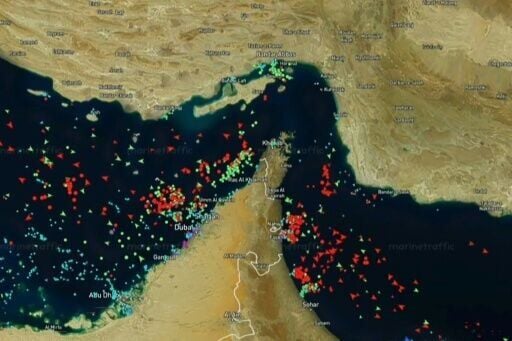
The Iran-Israel conflict has created an unprecedented energy crisis affecting cross-border e-commerce operations globally. The Strait of Hormuz blockade has disrupted approximately 13 million barrels daily of oil transit for over 50 days, reducing global crude storage from 8.2 billion barrels pre-conflict to potentially below 7.4 billion barrels by May 2026. Brent crude prices have risen nearly 20% to $107 per barrel, with dated Brent premiums spiking to $35 per barrel, reflecting severe physical delivery scarcity. For e-commerce sellers, this translates directly to escalating logistics costs: jet fuel—essential for air freight and international shipping—faces critical shortages by June in Europe, while Asia already experiences emergency measures with Japan curtailing transportation services and the Philippines declaring a national energy emergency.
Immediate Logistics Impact: Sellers shipping via FBA to European fulfillment centers face 15-20% cost increases on expedited shipments. Air freight rates from Asia to US/EU have surged $0.80-1.20 per kilogram, adding $200-400 monthly for sellers moving 1,000+ units. Ocean freight remains relatively stable but faces 2-3 week delays as refineries defer purchases during maintenance season overlap. JPMorgan estimates a 4.3 million barrel daily global demand reduction in April, with over 80% concentrated in Asia and the Middle East, creating regional shipping bottlenecks that disproportionately affect sellers sourcing from China, Vietnam, and India.
Regional Market Shifts: The crisis creates divergent opportunities by geography. US-based sellers shipping domestically experience minimal impact due to domestic fuel reserves and alternative logistics routes. However, sellers targeting European markets face June 2026 critical shortages, making May the deadline for inventory buildup. Asian sellers exporting to Western markets face 25-30% higher logistics costs through June, while sellers importing from Asia to US/EU should accelerate shipments before June shortages intensify. The EU is considering mandatory jet fuel stockpiles and regional redistribution mechanisms, signaling potential future supply constraints and pricing volatility. Iraq's shift to tanker truck exports through Syria (after 70% revenue drop) indicates alternative routing emerging, but these corridors lack established logistics infrastructure for e-commerce scale.
Strategic Sourcing Implications: The crisis accelerates sourcing diversification away from pure China-dependency. Vietnam, India, and Mexico—less dependent on Middle Eastern oil—become relatively more attractive sourcing destinations. Sellers should evaluate 3PL providers with diversified fuel hedging strategies and alternative routing capabilities. The temporary ceasefire discussions (reducing Brent premiums from $35 to $10 per barrel) signal market volatility will persist through May-June 2026, making forward-booking of shipments critical. Sellers with inventory in Asian warehouses face 30-45 day shipping delays if they wait for prices to stabilize, while those who ship now absorb 15-20% cost premiums but secure June delivery windows before European shortages peak.
Questions 8
How much will FBA shipping costs increase due to the Hormuz oil crisis?
FBA shipping costs to European fulfillment centers are rising 15-20% due to jet fuel shortages and elevated Brent crude premiums ($35/barrel spike). For sellers moving 1,000+ units monthly, this translates to $200-400 additional monthly costs. Air freight rates from Asia have surged $0.80-1.20 per kilogram. The crisis is most acute for June 2026 shipments, as Europe faces critical jet fuel shortages by that month. Sellers should accelerate May shipments to avoid peak shortage pricing and potential delivery delays.
Will the ceasefire talks reduce shipping costs back to normal levels?
Temporary ceasefire discussions have reduced Brent premiums from $35 to $10 per barrel, but full resolution remains uncertain. The Strait of Hormuz remains closed due to naval blockades, and the International Energy Agency warns of 'the biggest energy security threat in history' with 13 million barrels daily lost. Even with ceasefire progress, global crude storage has fallen from 8.2 billion to potentially below 7.4 billion barrels, requiring months to rebuild. Expect elevated shipping costs through June 2026, with potential normalization by July-August. Monitor diplomatic developments weekly and adjust inventory timing accordingly—don't assume immediate price relief.