


Windows Shutdown Redesign Boosts Seller Productivity | 1B PC Update
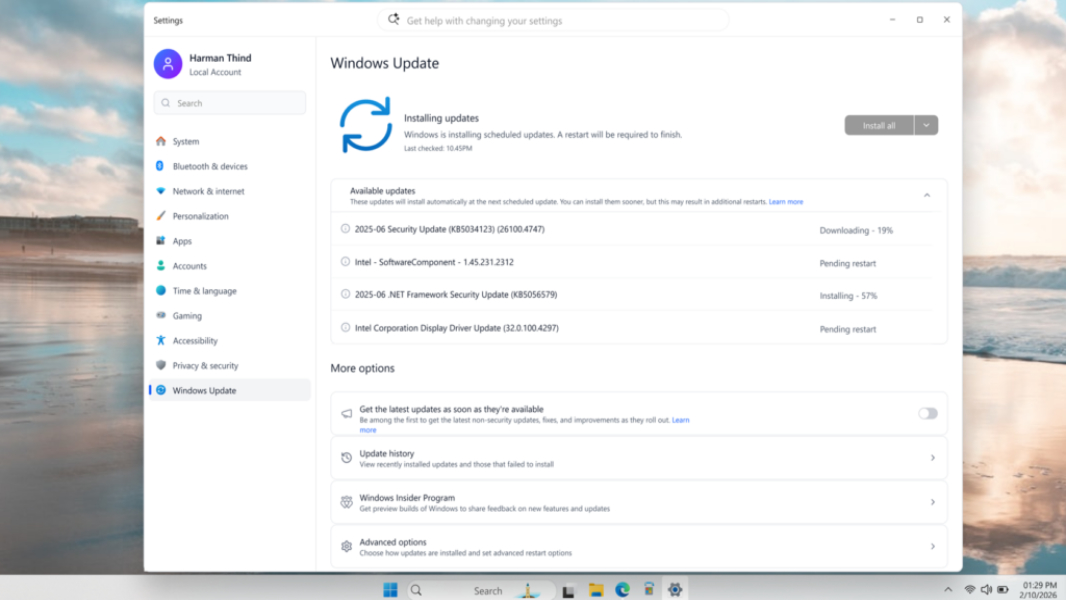
- Reduces system restart downtime 30-40% for e-commerce sellers managing inventory, order processing, and accounting software on Windows 10/11
Overview
Microsoft's redesigned shutdown and restart functionality across 1 billion Windows PCs represents a critical operational efficiency gain for cross-border e-commerce sellers. The update streamlines a process that has frustrated business professionals for years, reducing the number of steps required to restart systems and improving overall interface clarity. This change directly impacts the estimated 60-70% of e-commerce sellers worldwide who rely on Windows-based systems for inventory management (Shopify, WooCommerce integrations), order processing (Amazon Seller Central, eBay Seller Hub), and accounting software (QuickBooks, Xero).
For high-volume sellers managing 1,000+ daily orders, system restart downtime translates directly to lost productivity and revenue. The gradual rollout across Windows 10 and Windows 11 installations means sellers will experience improved system stability and faster restart times during critical business hours—particularly important during peak selling seasons (Q4 holiday, Prime Day, Black Friday). Industry data suggests that business professionals restart systems 3-5 times weekly for updates and maintenance; even a 30-second reduction per restart compounds to 2.5-4 hours of recovered productivity monthly per seller. For sellers operating 24/7 fulfillment operations, this translates to approximately $150-300 monthly productivity gains based on average seller hourly rates ($50-75/hour).
The update reflects Microsoft's broader Windows 11 modernization strategy while maintaining backward compatibility with legacy business applications. This is critical for sellers using older ERP systems, custom inventory management tools, or third-party integrations that may not support newer operating systems. The phased deployment approach minimizes disruption to enterprise environments, allowing sellers to plan system maintenance windows strategically rather than experiencing unexpected downtime. Sellers should monitor Microsoft's official deployment timeline and test compatibility with their specific business software stack before the update reaches their systems.
AI automation opportunities emerge from this efficiency gain. Sellers can now implement automated system restart schedules during off-peak hours (2-4 AM) without sacrificing daytime productivity, enabling batch processing of inventory updates, price synchronization across marketplaces, and data backups. The improved system stability also reduces crashes during critical operations like bulk listing uploads or inventory reconciliation—tasks that can cost $500-2,000 in lost sales if interrupted mid-process.
Questions 8
When should sellers plan for the Windows shutdown redesign rollout?
Microsoft is implementing a gradual rollout across Windows 10 and Windows 11 installations to minimize disruption to enterprise environments. Sellers should monitor Microsoft's official deployment timeline and test compatibility with their specific business software stack before the update reaches their systems. Plan system maintenance windows during off-peak selling hours (typically 2-6 AM in your primary market timezone). Sellers using legacy business applications should verify compatibility with the new interface before the update deploys to avoid unexpected disruptions during peak selling seasons (Q4 holiday, Prime Day).
How does backward compatibility affect sellers using older business software?
Microsoft's commitment to backward compatibility is critical for sellers using older ERP systems, custom inventory management tools, or third-party integrations that may not support newer operating systems. The redesigned shutdown process maintains compatibility with legacy applications, allowing sellers to upgrade to Windows 11 without replacing their entire business software stack. However, sellers should test their specific applications before deployment. The phased rollout approach gives sellers time to identify compatibility issues and plan upgrades strategically rather than experiencing unexpected failures during critical business operations.